
Figure Study for Christian IV founding Christiania — History & Facts
What first catches the eye in Figure Study for Christian IV founding Christiania is the commanding presence of the figure’s gaze, set just off to the side as if measuring the horizon for possibilities. The artist, Adolph Tidemand, has chosen a close, almost confrontational framing—shoulders squared, beard bristling, the sitter’s battered helmet and breastplate catching the light with a dull sheen. There is no background narrative here, only the suggestion of open air and the faintest hint of atmosphere, so that every detail—the crisp white collar, the weathered metal, the russet beard—works to anchor us in the world of seventeenth-century soldiery.
The palette is earthy and restrained, lending the figure a solidity that feels both historical and immediate. Painted in 1876, this study belongs to a tradition of nineteenth-century historical painting, when artists across Europe sought to recover and dramatize the foundational moments of their nations. Norway, in the decades following independence, looked to figures like Christian IV and the founding of Christiania (now Oslo) as symbols of civic pride and continuity. Works like this, now in the National Museum of Art, Architecture and Design, were often created as preparatory studies for larger historical compositions, their purpose as much about capturing character and costume as about serving a grand narrative.
History has kept few traces of the individual models or the precise stories behind such studies, but the immediacy of Tidemand’s brushwork invites us to imagine the living world behind the armor—one face among many, caught between past and present.
More Artworks by Adolph Tidemand

Bridal Procession on the Hardangerfjord
Adolph Tidemand
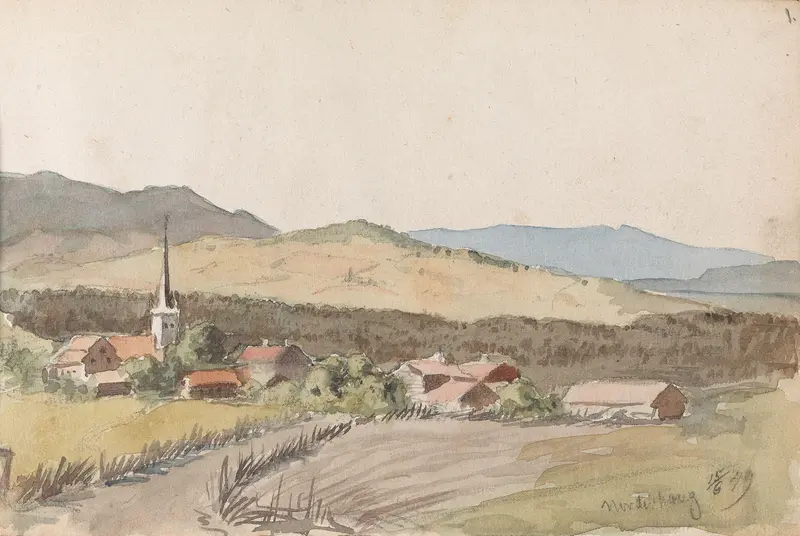
Fra Haugsbygd
Adolph Tidemand
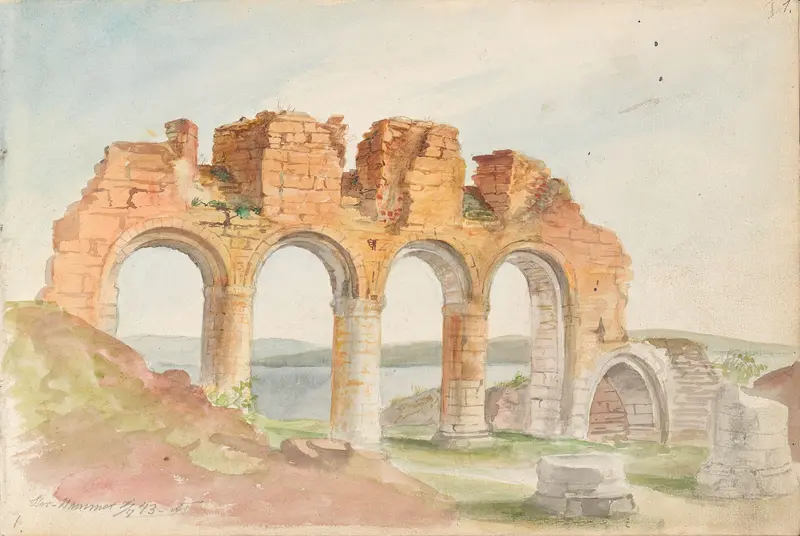
Domkirkeruinen, Hamar
Adolph Tidemand
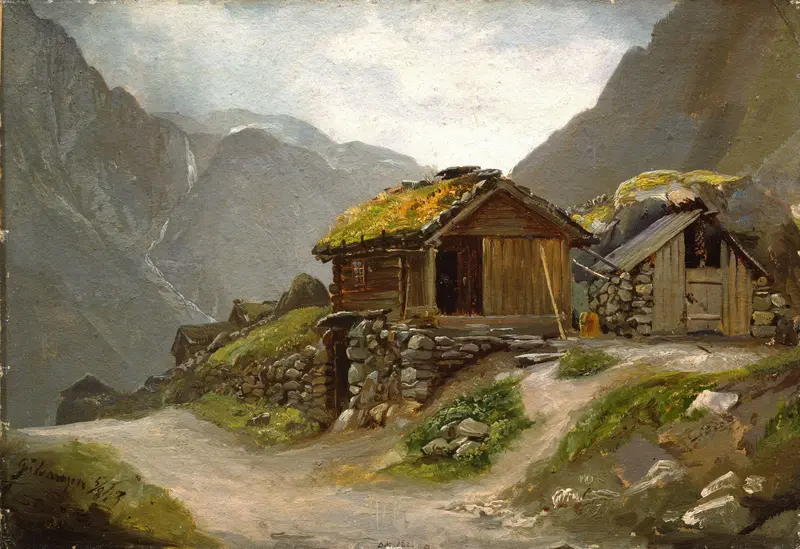
View from Gudvangen
Adolph Tidemand
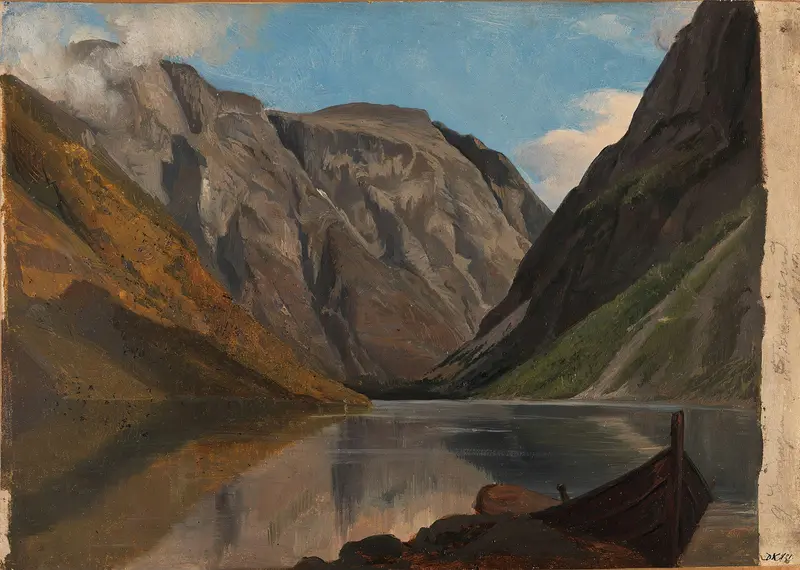
View of Gudvangen
Adolph Tidemand
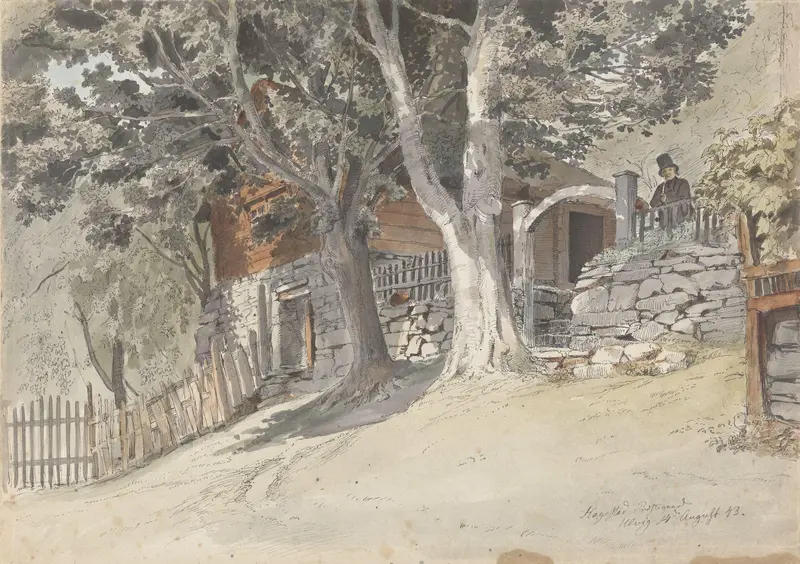
Hagestad prestegård, Ulvik i Hardanger
Adolph Tidemand
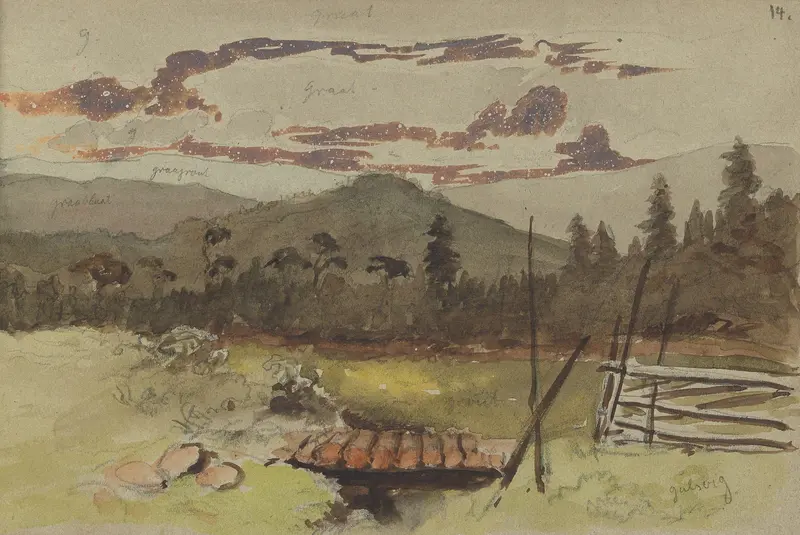
Fra Gulsvik
Adolph Tidemand
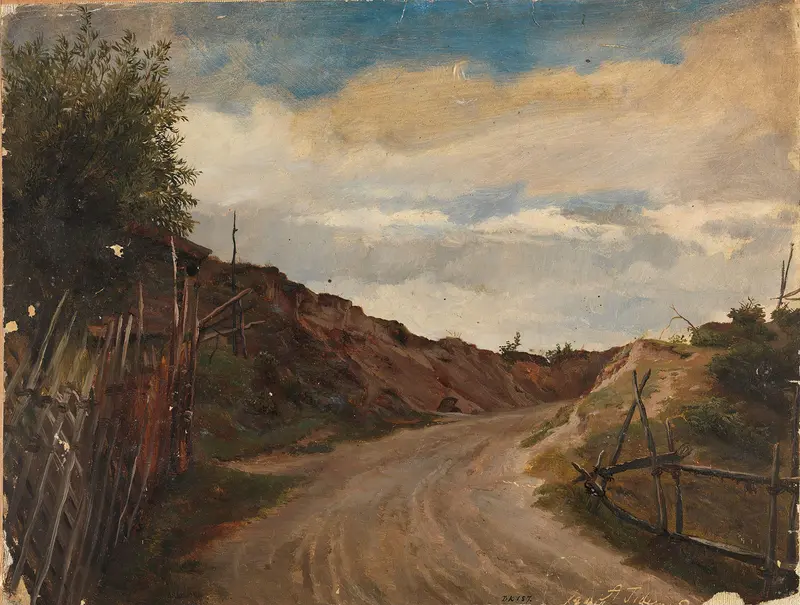
Country Road
Adolph Tidemand
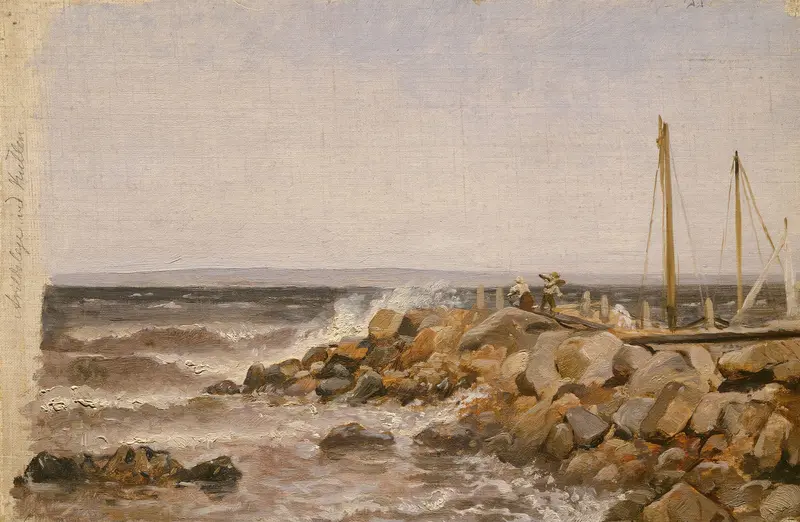
From Kullen in Sweden
Adolph Tidemand
Untitled
Adolph Tidemand





