Figures on a road on the outskirts of a town — History & Facts
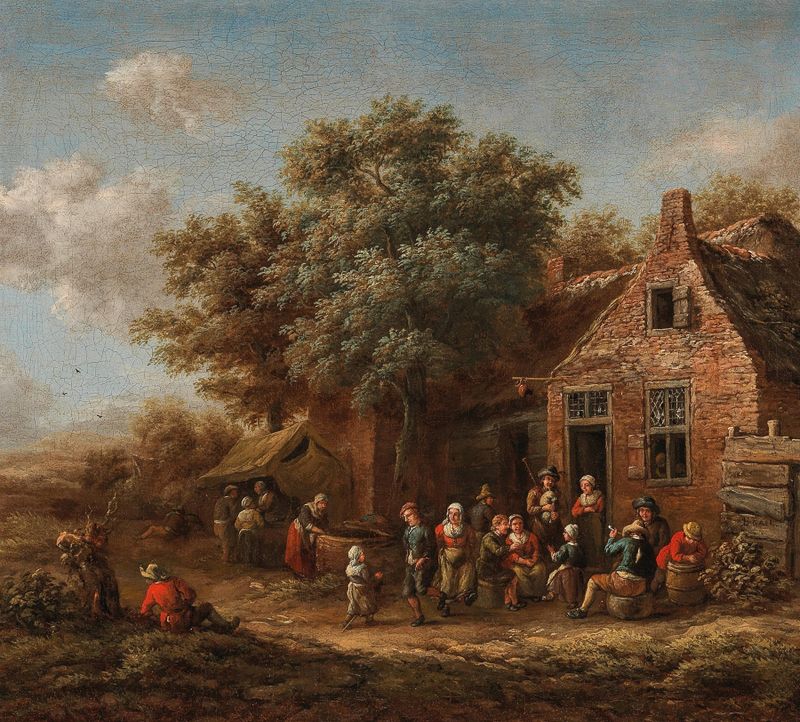
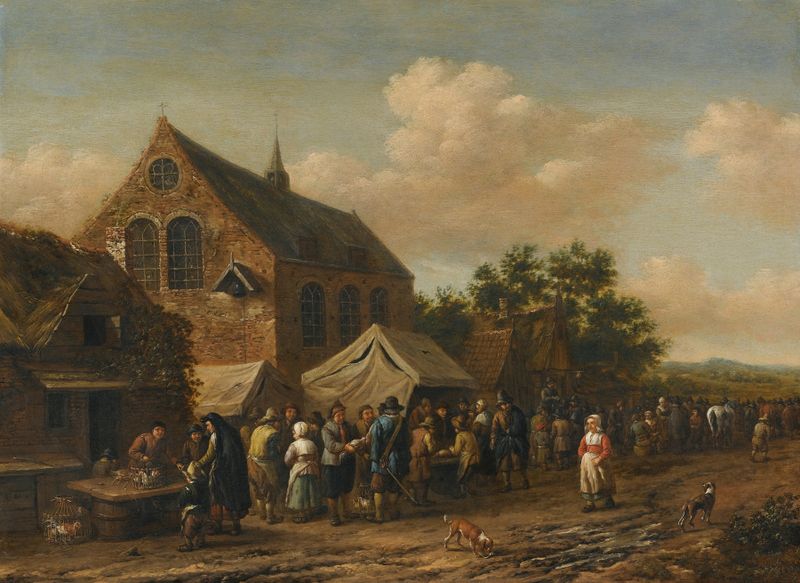
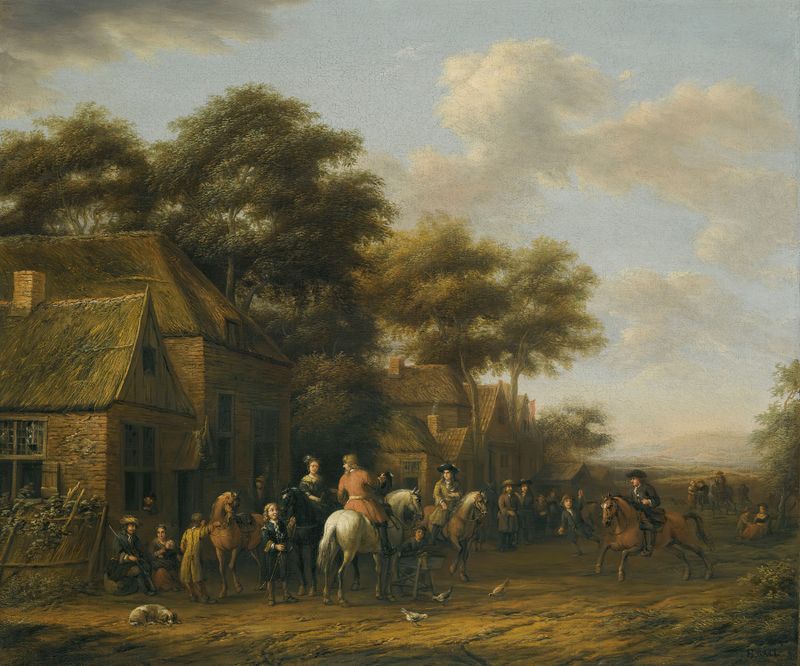
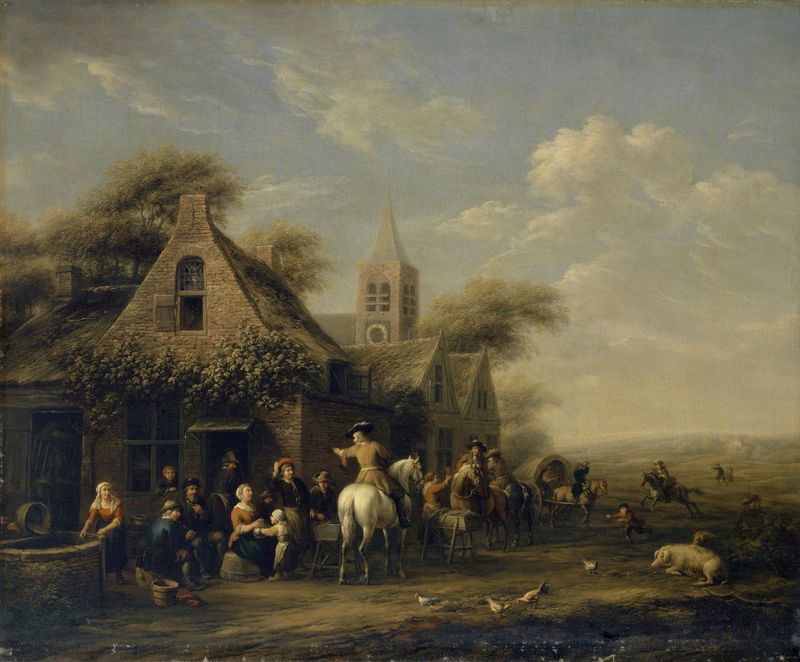
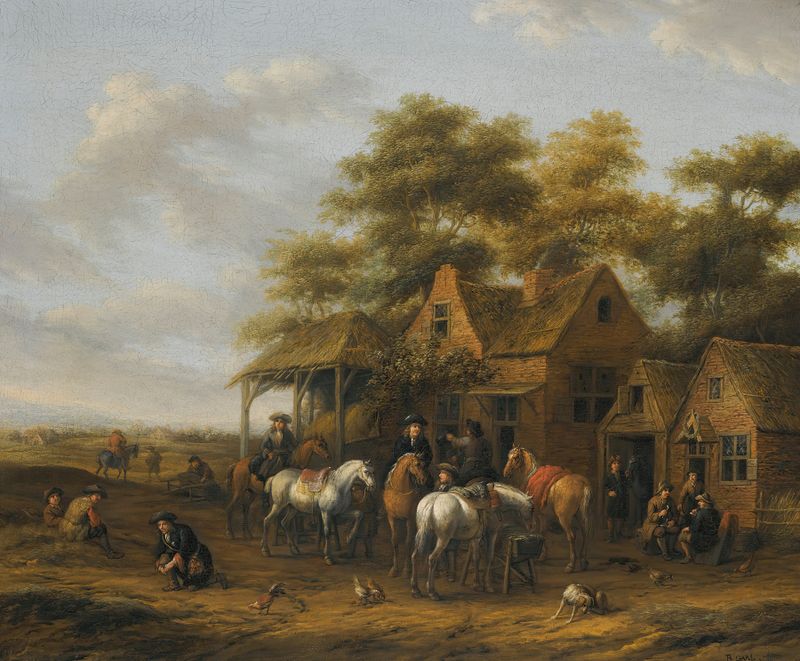
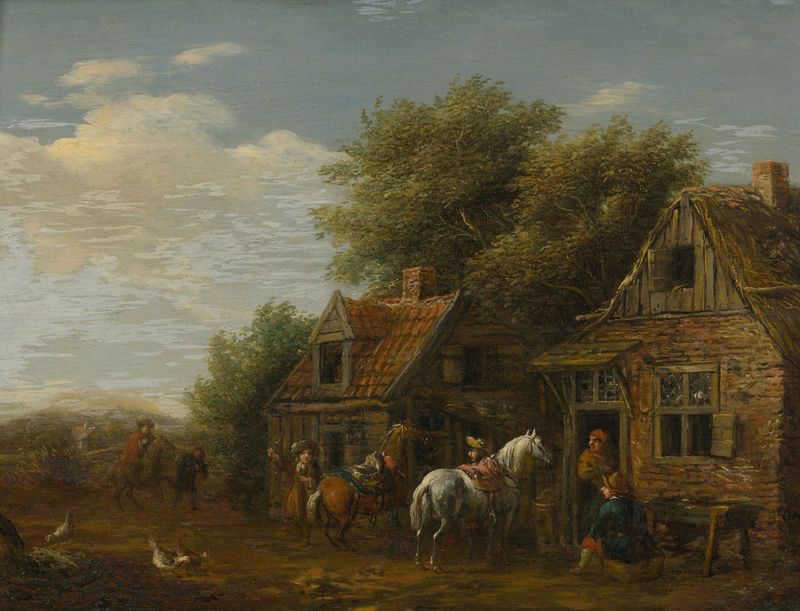
In this haunting piece, the artist captures the thin line between sanity and madness, where the mundane world teeters on the edge of chaos. The viewer is drawn into a reflective state, contemplating the deeper layers behind the figures' seemingly ordinary existence. Focus on the path that winds through the composition, bisecting the canvas and guiding your gaze toward the distant town. Notice how the figures, adorned in muted tones, are enveloped by a mist that blurs the boundaries of reality.
The soft light plays upon their forms, creating ethereal shadows that seem to pulse with their unspoken stories. The juxtaposition of vibrant hues against the subdued background hints at underlying tensions, suggesting a silent struggle lurking beneath their ordinary journey. As your eyes wander, you might discern the subtle shifts in posture among the figures—some appear defeated, while others exude defiance. This contrast evokes a profound emotional dissonance, inviting contemplation on the nature of despair and resilience.
The road itself, a symbol of both progress and entrapment, serves as a metaphor for the unpredictable journey of life. It speaks to the madness that can ensue when one is caught between the known and the unknown, the sane and the irrational. Barent Gael painted this piece during an uncertain period in his life, the exact date remaining elusive. It is believed he created it while navigating the complexities of the early 20th century art world, where movements like Impressionism were gaining momentum.
Amidst personal and societal upheaval, Gael’s work reflects a tension that resonates beyond its time, inviting viewers to confront their own paths and the madness that sometimes accompanies them.