
Filippus met kruis en slang — History & Facts
Could beauty survive in a century of chaos? This question lingers in the air as one gazes upon the intricate narrative unfolding in Filippus met kruis en slang, a masterful work that intertwines destiny and belief. Focus first on the figure of Philip, poised to confront a serpent, his hand gripping the cross with unwavering resolve. The artist's meticulous attention to detail is evident in the rich, earthy tones of the landscape that cradle the scene, contrasting sharply with the vibrant reds and blues of Philip’s attire. Notice how the light subtly highlights the contours of his face, illuminating not only his determination but also the vulnerability inherent in his mission. The juxtaposition of the cross and serpent encapsulates the eternal struggle between faith and doubt.
The presence of the serpent, a symbol of sin and temptation, intensely heightens the narrative tension, as Philip stands on the cusp of salvation or destruction. Each element—the gentle sweep of the landscape, the contrasting expressions of those who observe the scene—whispers of the broader human experience, echoing themes of sacrifice and redemption that resonate through the ages. Lucas Cranach painted this work between 1510 and 1515 in Wittenberg, during a time of profound religious upheaval. The Reformation was igniting debates about faith and morality, and Cranach himself was closely connected to Martin Luther and the movement.
This piece not only reflects the spiritual turmoil of its time but also serves as a testament to the artist's belief in the enduring power of faith amidst chaos.
More Artworks by Lucas Cranach (I)
Browse all →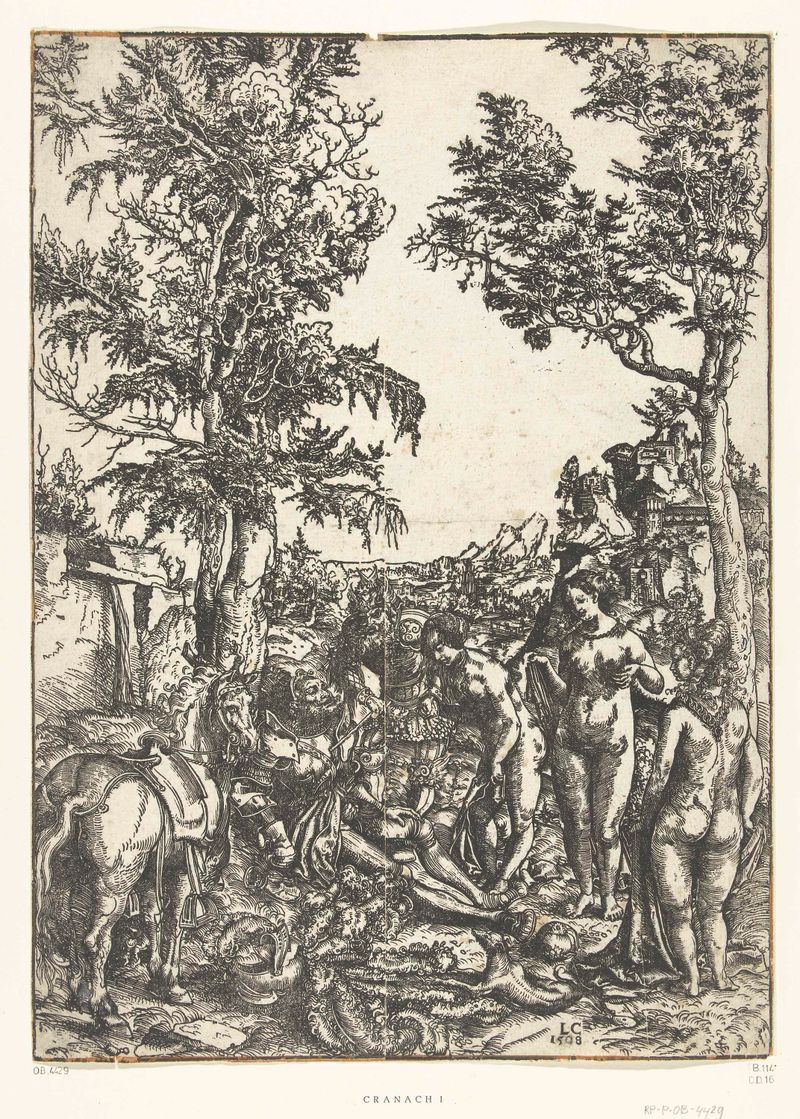
Oordeel van Paris
Lucas Cranach (I)
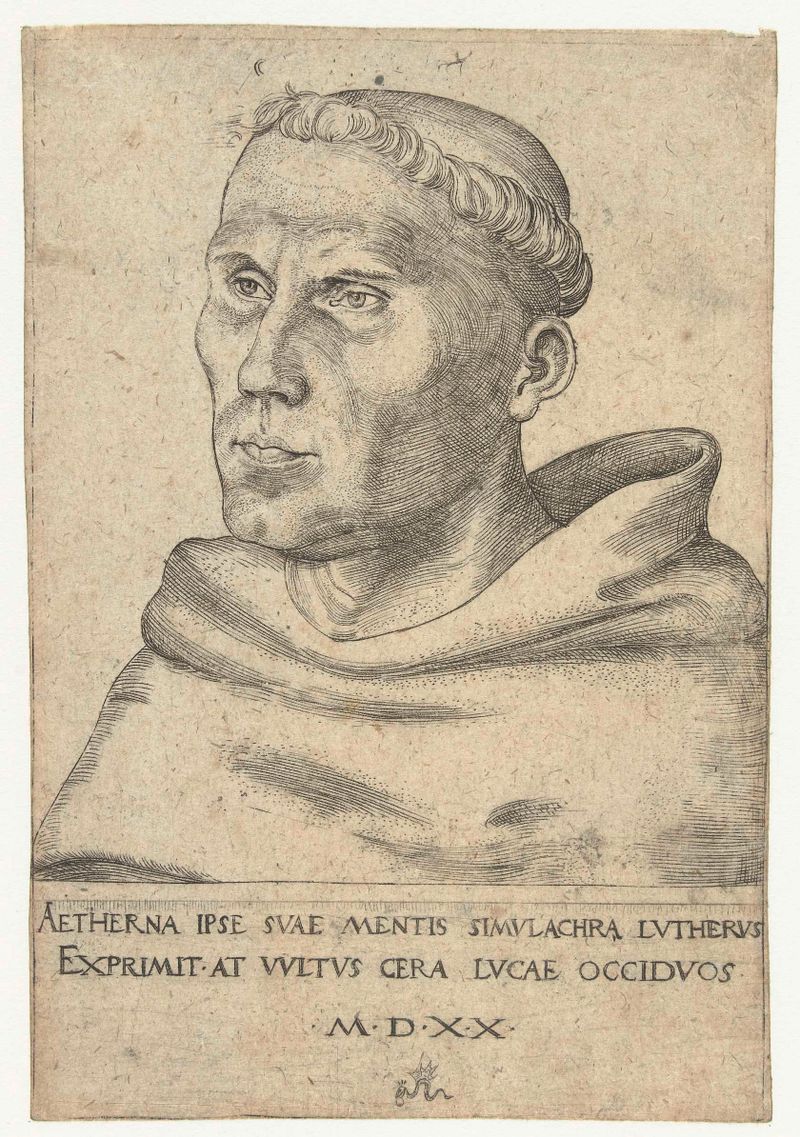
Portret van Martin Luther als Augustijner monnik
Lucas Cranach (I)
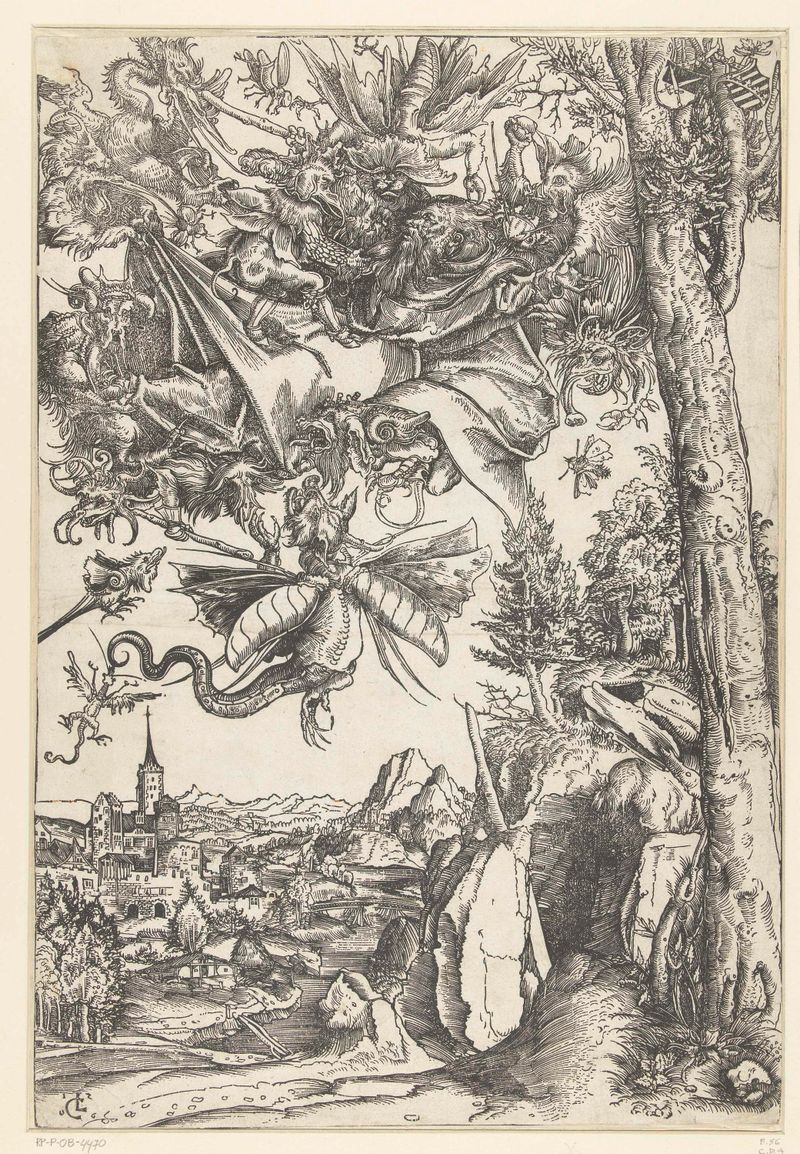
Verzoeking van Antonius met aanval door demonen
Lucas Cranach (I)

Christus en de Samaritaanse vrouw
Lucas Cranach (I)

Duits toernooi met twee edelmannen als ridders te paard
Lucas Cranach (I)
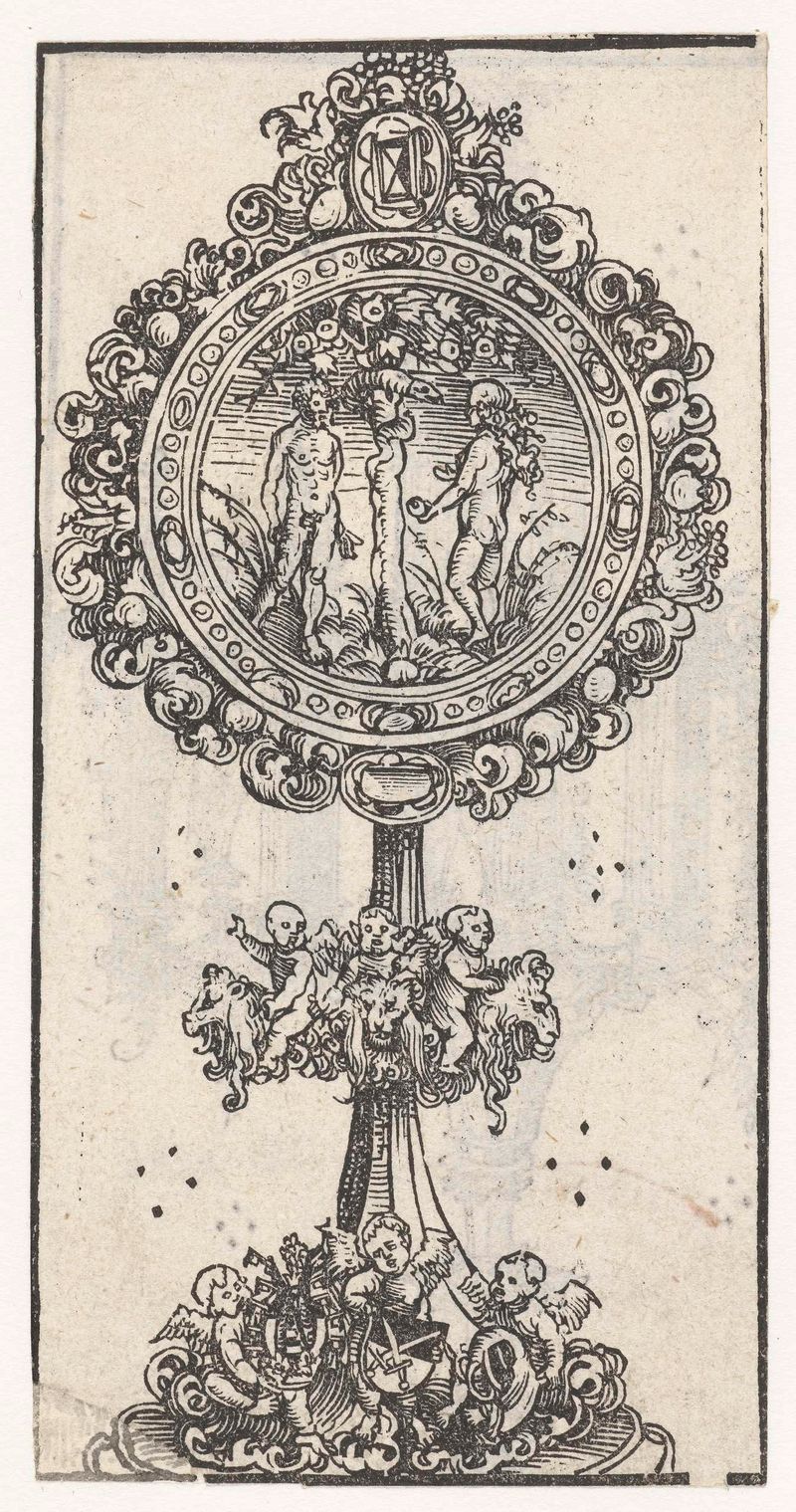
Reliekhouder met de verzoeking van Adam en Eva
Lucas Cranach (I)

Intocht van Christus in Jerusalem
Lucas Cranach (I)
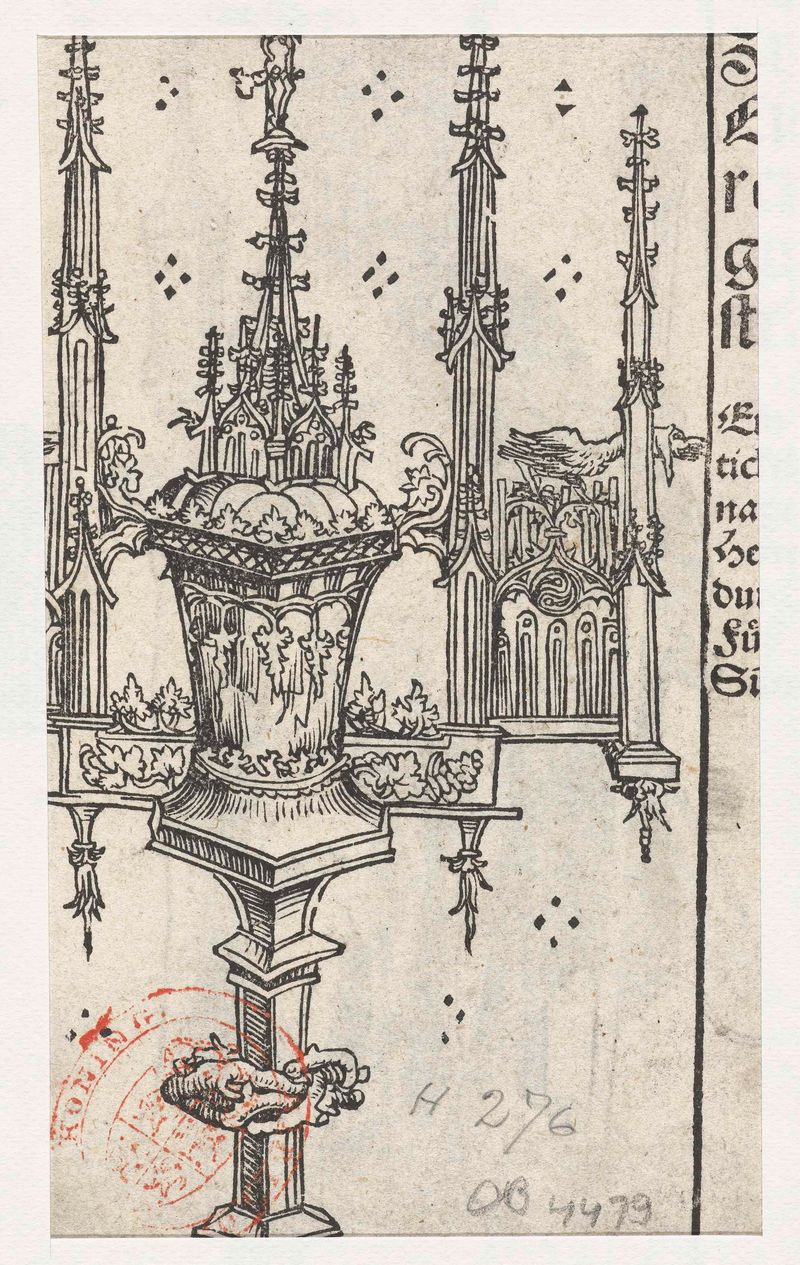
Monstrans met vogel (pelikaan)
Lucas Cranach (I)
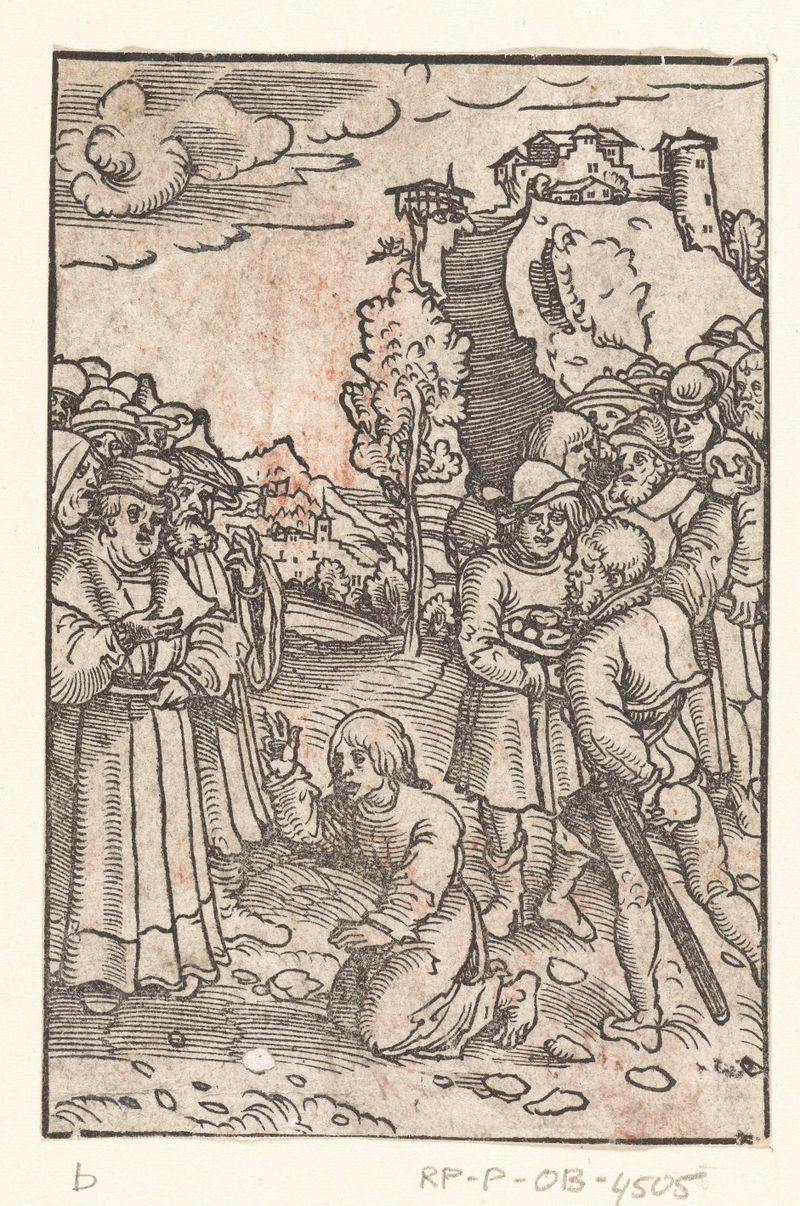
Steniging van Stefanus
Lucas Cranach (I)
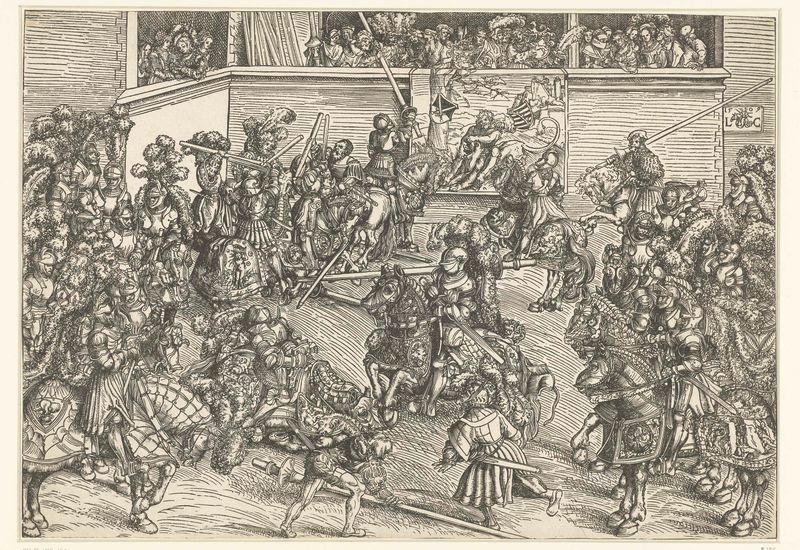
Toernooi van het keurvorstelijk hof van Saksen met wandtapijt Simson doodt de leeuw
Lucas Cranach (I)
More Religious Art
Browse all →
The Return of the Prodigal Son
Rembrandt van Rijn

The Garden of Earthly Delights
El Bosco

Count Orgaz’ funeral
El Greco

The Hundred Guilder Print: the central piece with Christ preaching, the plate arched
Rembrandt van Rijn

The Descent from the Cross
Rogier van der Weyden

The return of the prodigal son
Rembrandt van Rijn