
Fir Trees — History & Facts
What if silence could speak through light? The stillness in Arnold Böcklin's Fir Trees envelops the viewer, inviting introspection amidst a backdrop of nature and burgeoning change. Look to the left where the towering firs stand, their dark silhouettes etched against a luminescent sky. The contrast between the deep greens of the trees and the soft pastel hues of twilight creates a harmonious tension, drawing the eye upward. Notice how the light plays delicately on the branches, illuminating the edges and revealing the texture of the bark, while shadows deepen the forest's secrets below — a masterful dance of light and dark that beckons exploration. The painting embodies a sense of quiet revolution, nestled in the natural world yet echoing the transformations of the 19th century.
Here, the firs symbolize resilience, standing tall amid shifting tides, while the fading light hints at the passage of time and the inevitability of change. Each tree's posture, rigid yet graceful, reflects a tension between stability and the unknown, a reminder of nature's silent witness to human progression. Böcklin created Fir Trees in 1849 during a period of profound change in Europe, as the revolutions of 1848 were reshaping political landscapes across the continent. Settled in Switzerland, he was part of the Symbolist movement, exploring emotional depth and the interplay between nature and humanity.
This was a time when artists sought to express the complexities of the human experience, and in this work, Böcklin captured both the stillness of the natural world and the undercurrents of societal transformation.
More Artworks by Arnold Böcklin
Browse all →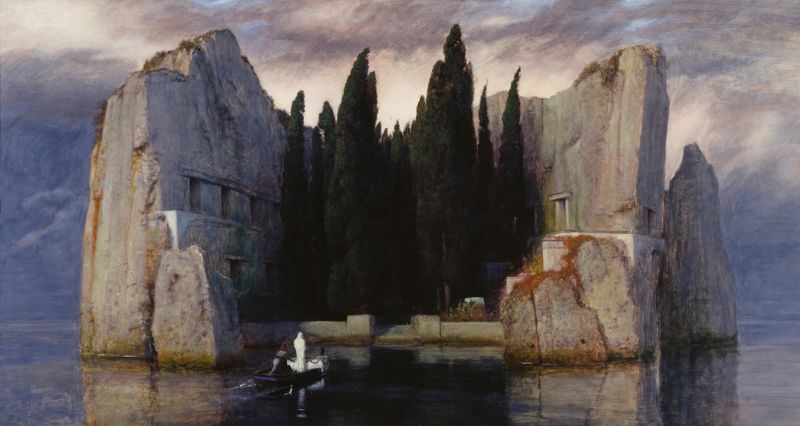
Die Toteninsel III
Arnold Böcklin
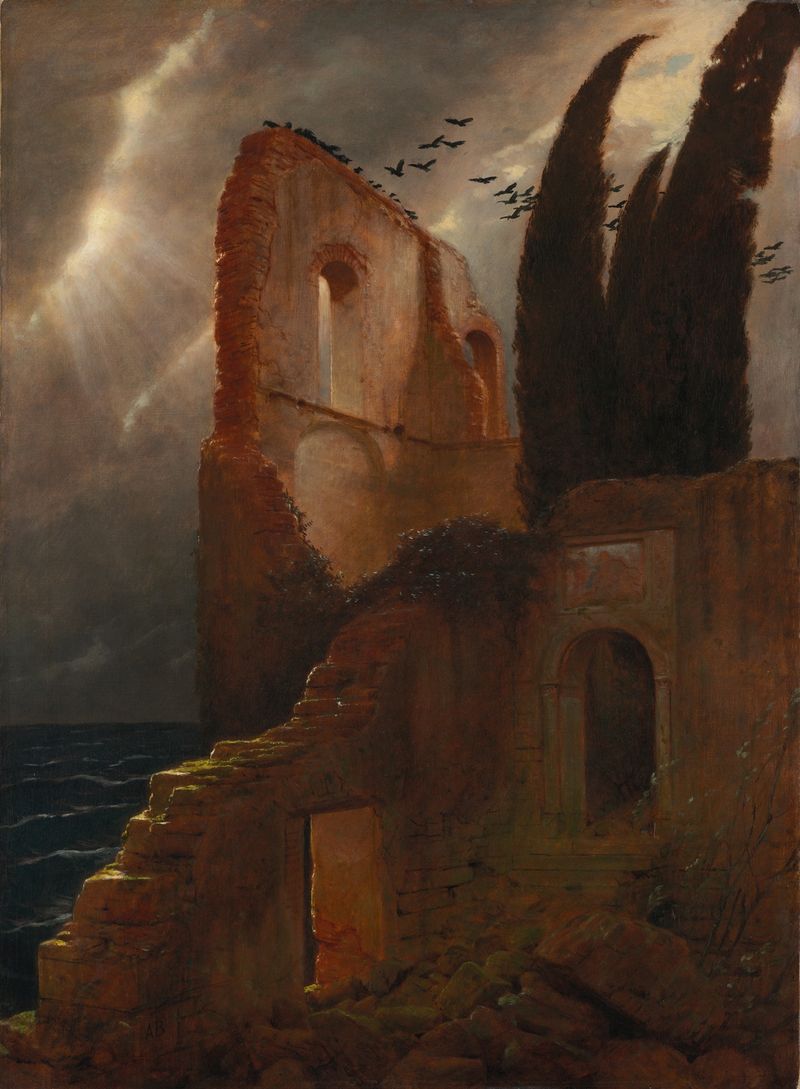
Ruin by the Sea
Arnold Böcklin
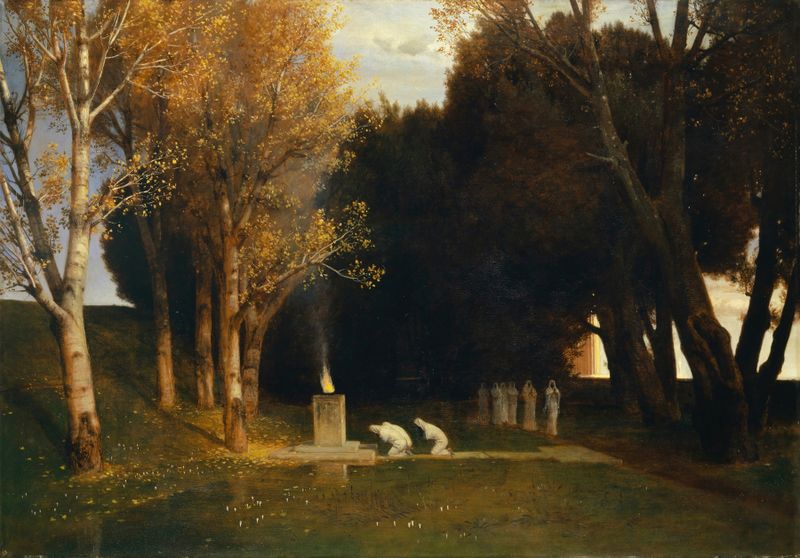
The Sacred Grove
Arnold Böcklin
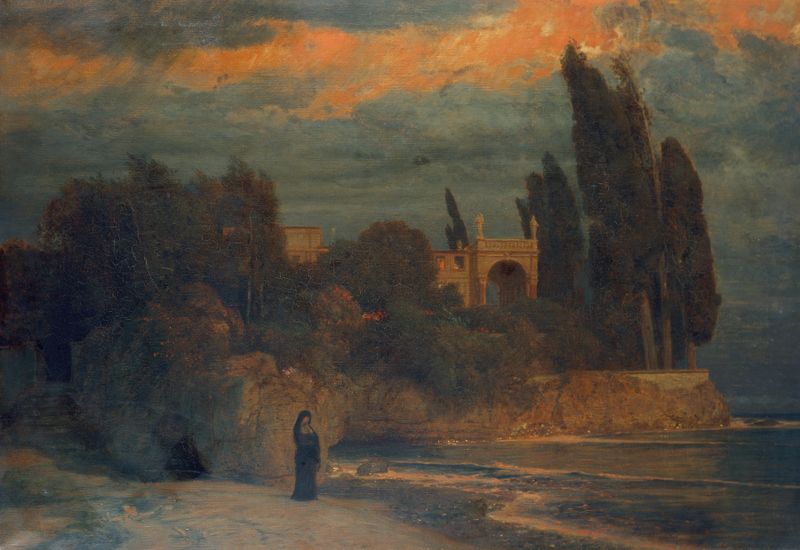
Villa by the Sea
Arnold Böcklin
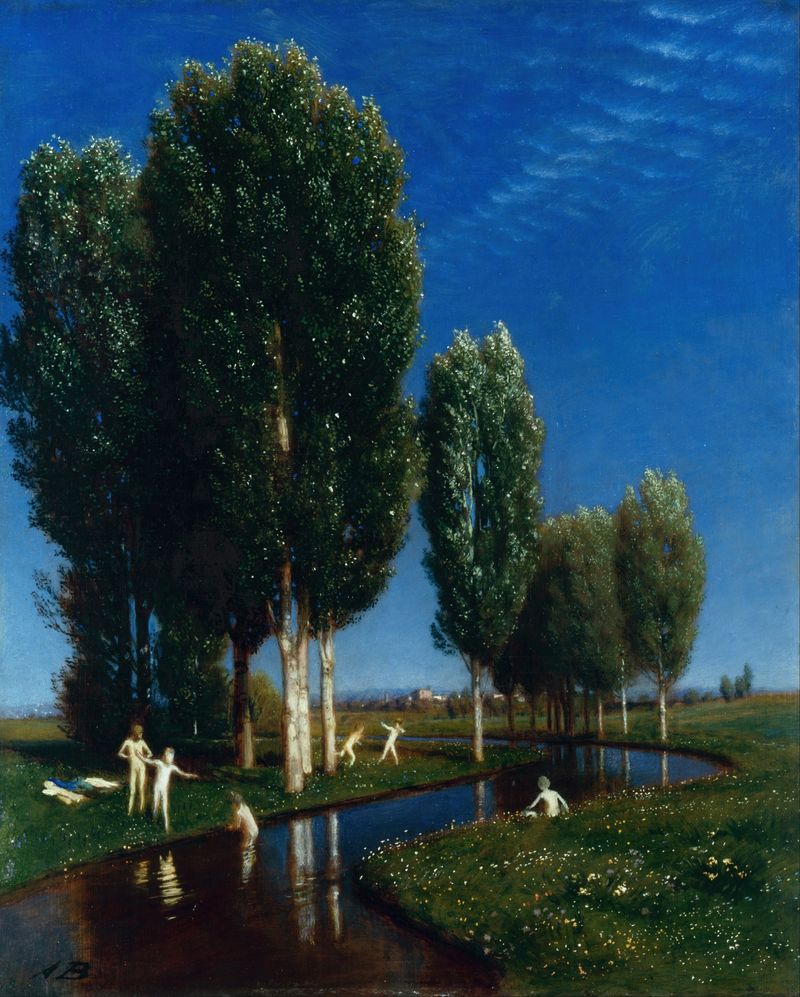
Summer Day
Arnold Böcklin
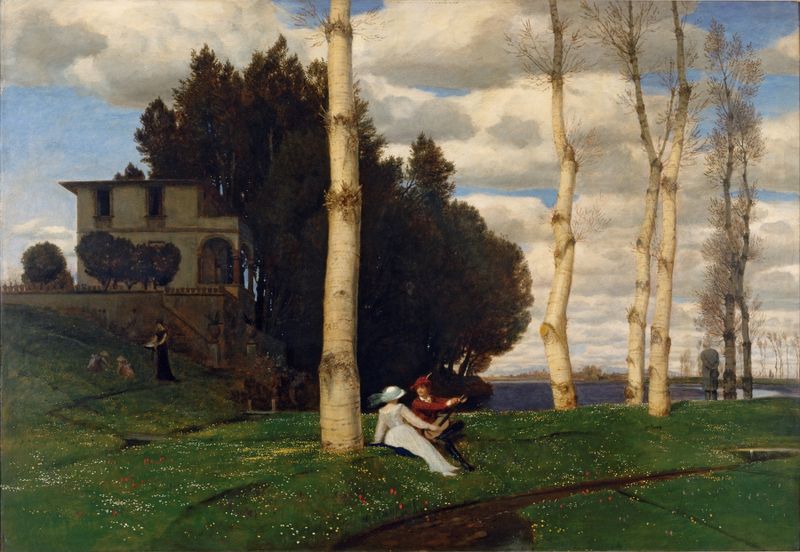
Spring Day (The Three Life Ages)
Arnold Böcklin
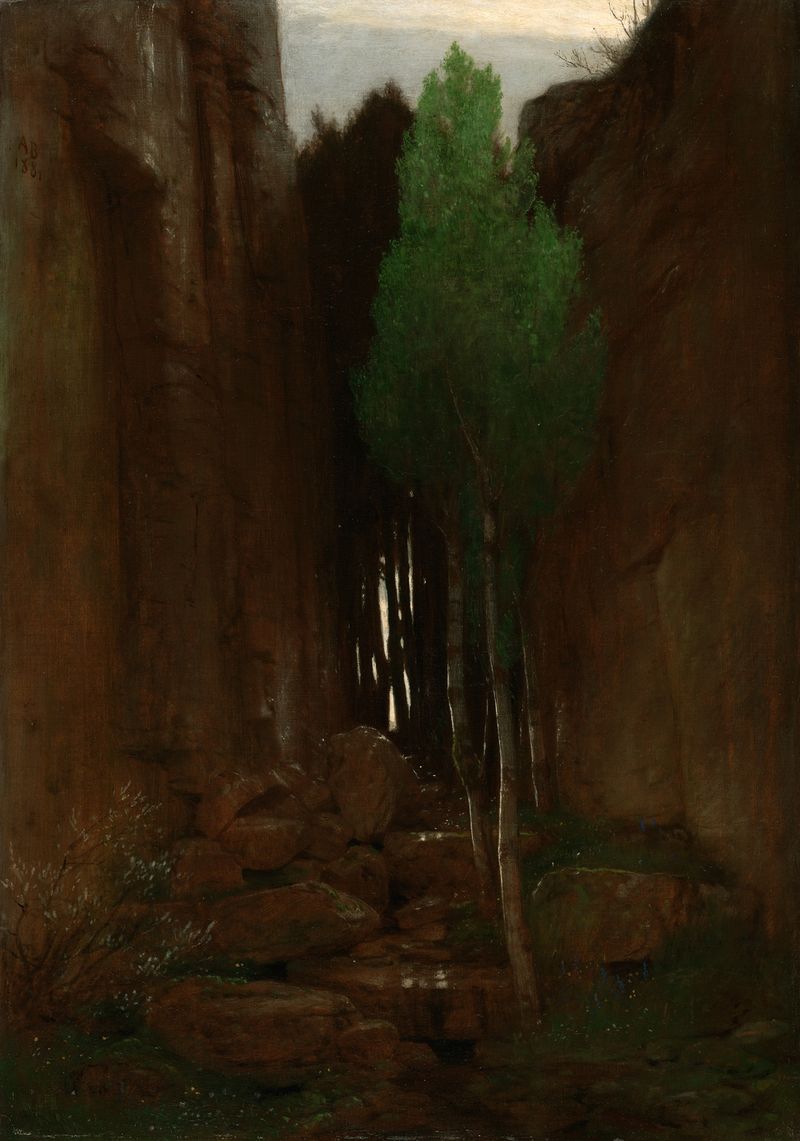
Spring in a Narrow Gorge (Quell in einer Felsschluct)
Arnold Böcklin
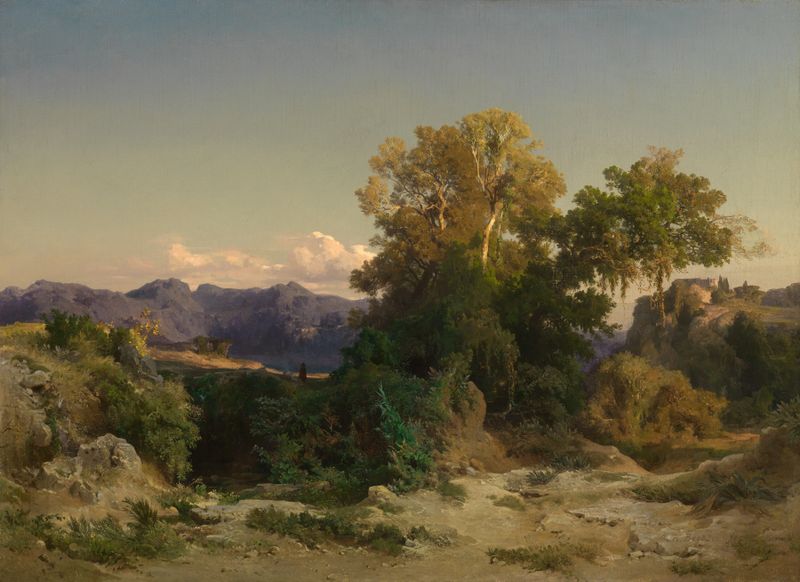
Landscape in the Roman Campagna
Arnold Böcklin
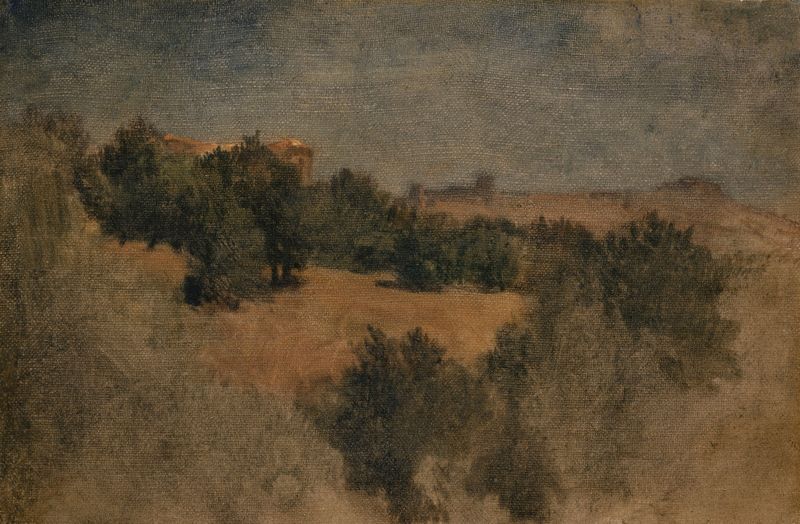
Landscape near Palestrina
Arnold Böcklin
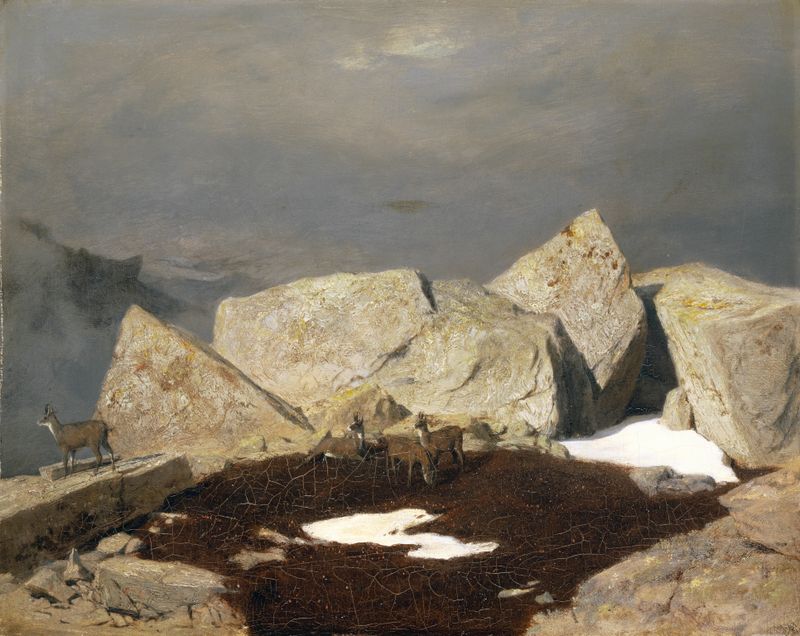
High Mountain Landscape With Chamois
Arnold Böcklin





