
Ruin by the Sea — History & Facts
In Ruin by the Sea, desire washes over the viewer like the tide, pulling us into a world where the past whispers through the remnants of a crumbling structure. Look to the left where the decaying architecture juts out against the horizon, its weathered stones illuminated by a soft, golden light. The hues of ochre and teal intertwine, creating a dialogue between land and sea, decay and vitality. The dynamic waves lap at the shore, while the shadows cast by the ruins speak of time's relentless advance, inviting the eye to traverse from the foreground's rough textures to the serene expanse of the water beyond. Delve deeper into the contrast between the ruins and the vast ocean; the dissolution of man-made structures stands stark against nature’s eternal rhythms.
This juxtaposition evokes a sense of longing—perhaps for what has been lost or for a connection that once thrived. The painting captures a moment suspended in time, where the viewer might feel both the weight of history and the fleeting nature of beauty, stirring an ache for what could have been. Created in 1881, this work reflects Böcklin’s fascination with myth and nature, emerging from a period in which he sought to blend the real with the ethereal. Living in Switzerland at the time, he was influenced by the Symbolist movement, which sought to express deeper truths through symbolism and imagery, making the atmosphere of Ruin by the Sea emblematic of his talent and the artistic currents of his era.
More Artworks by Arnold Böcklin
Browse all →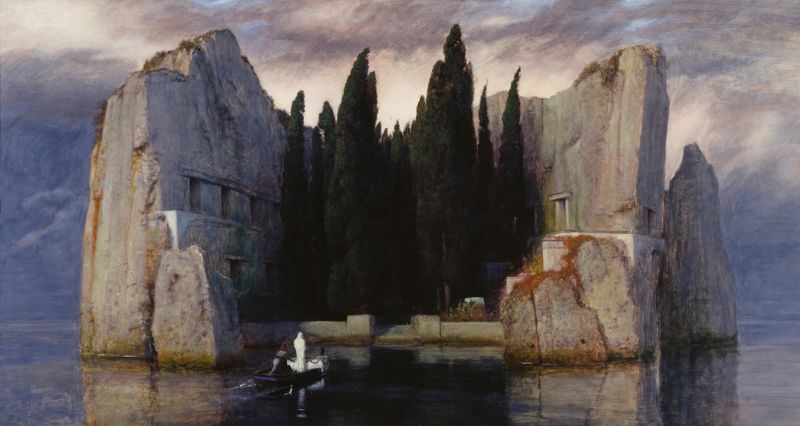
Die Toteninsel III
Arnold Böcklin
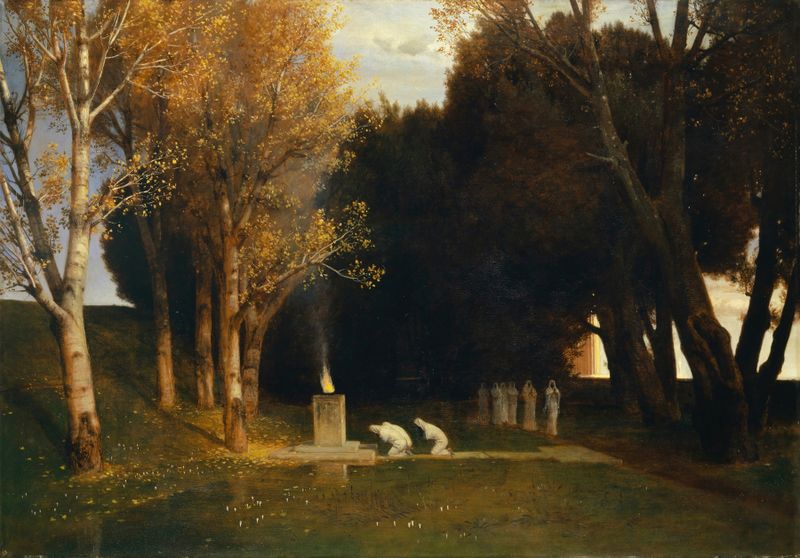
The Sacred Grove
Arnold Böcklin
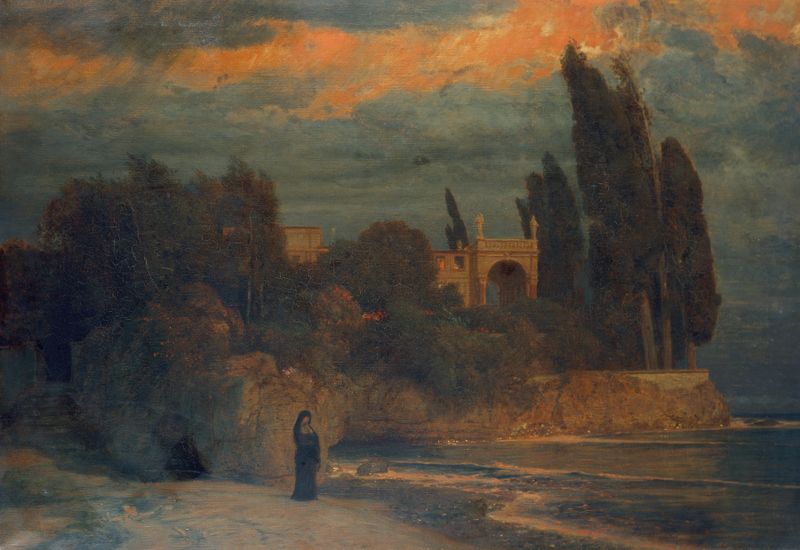
Villa by the Sea
Arnold Böcklin
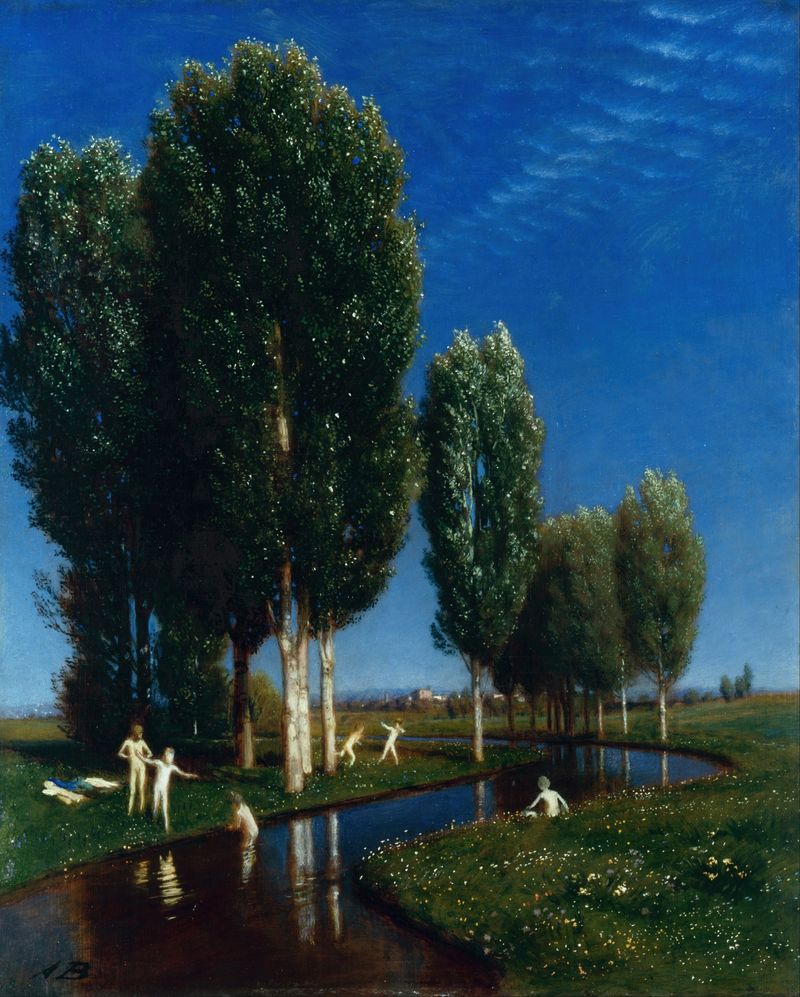
Summer Day
Arnold Böcklin
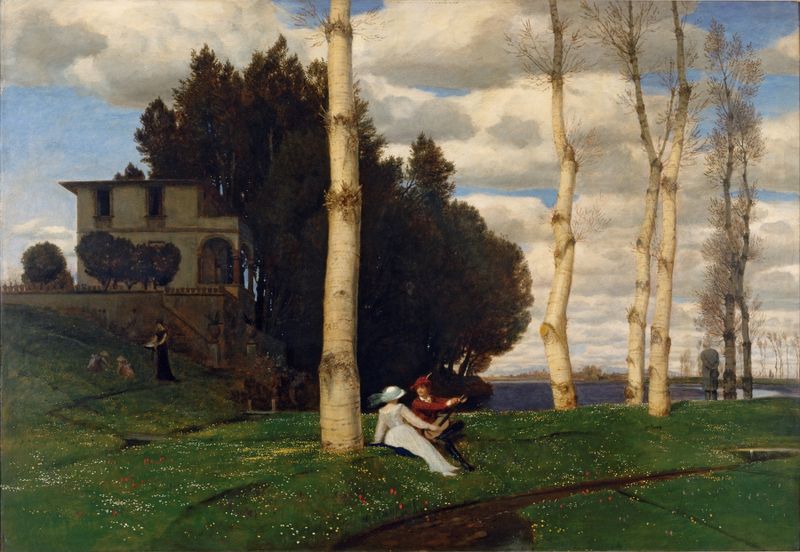
Spring Day (The Three Life Ages)
Arnold Böcklin
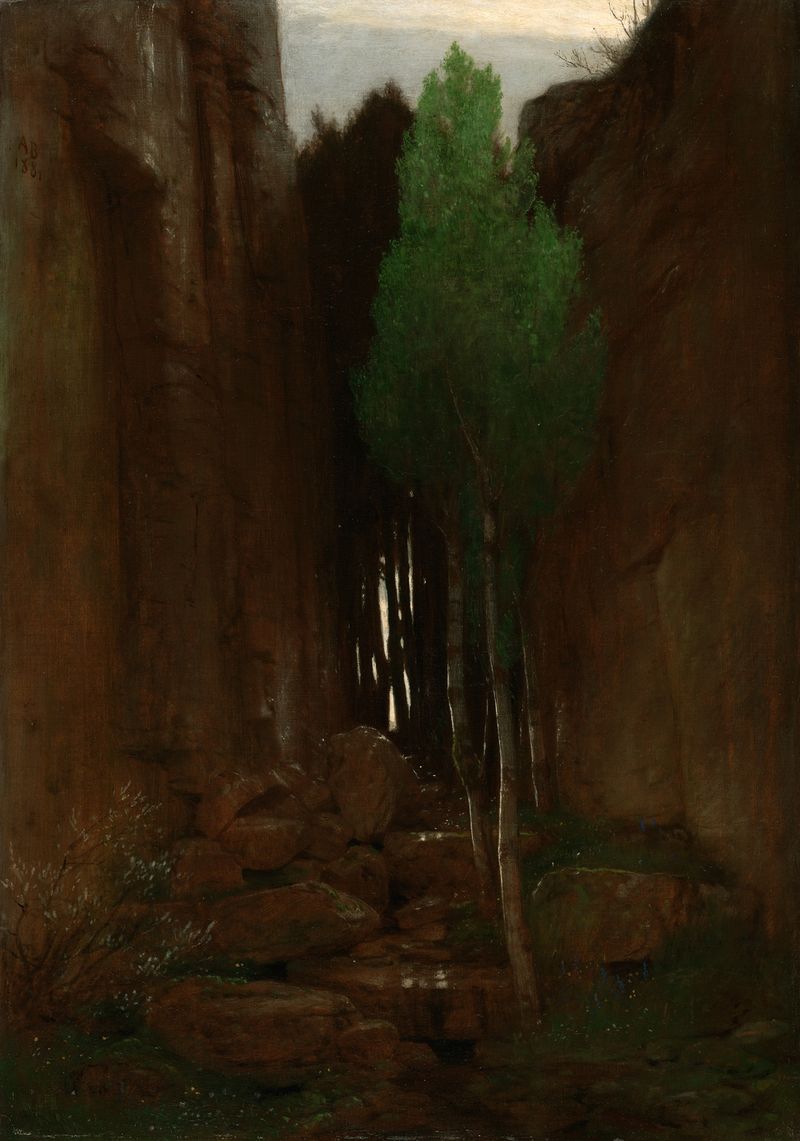
Spring in a Narrow Gorge (Quell in einer Felsschluct)
Arnold Böcklin
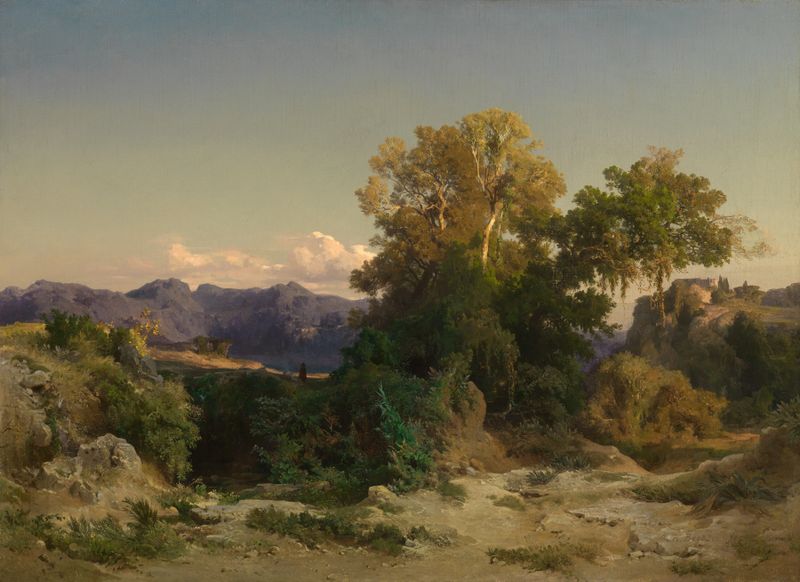
Landscape in the Roman Campagna
Arnold Böcklin
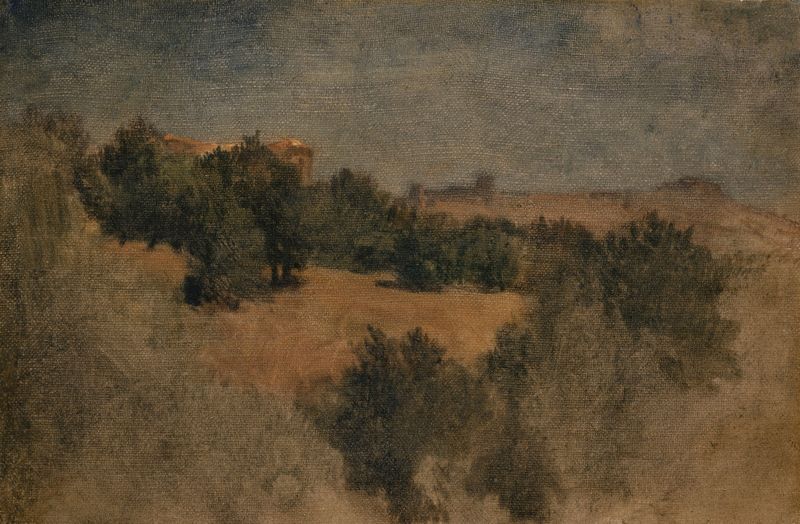
Landscape near Palestrina
Arnold Böcklin
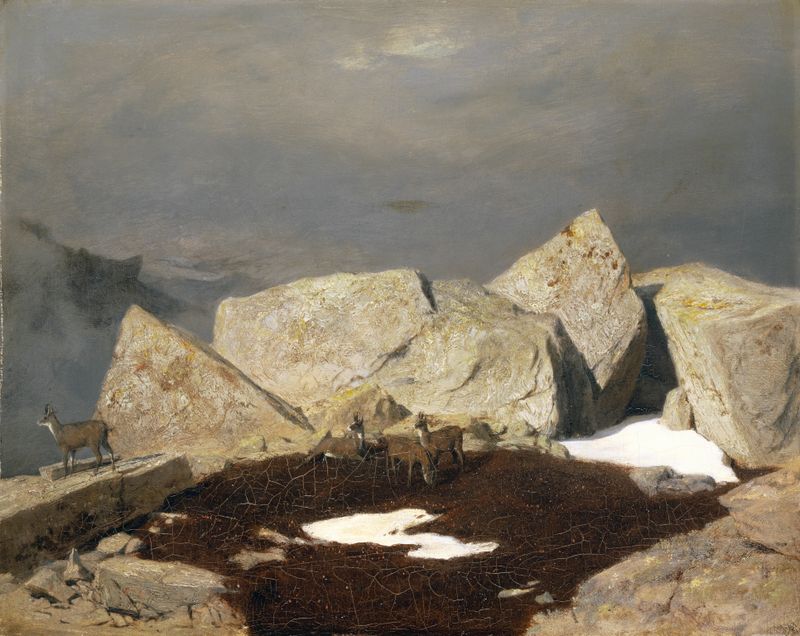
High Mountain Landscape With Chamois
Arnold Böcklin
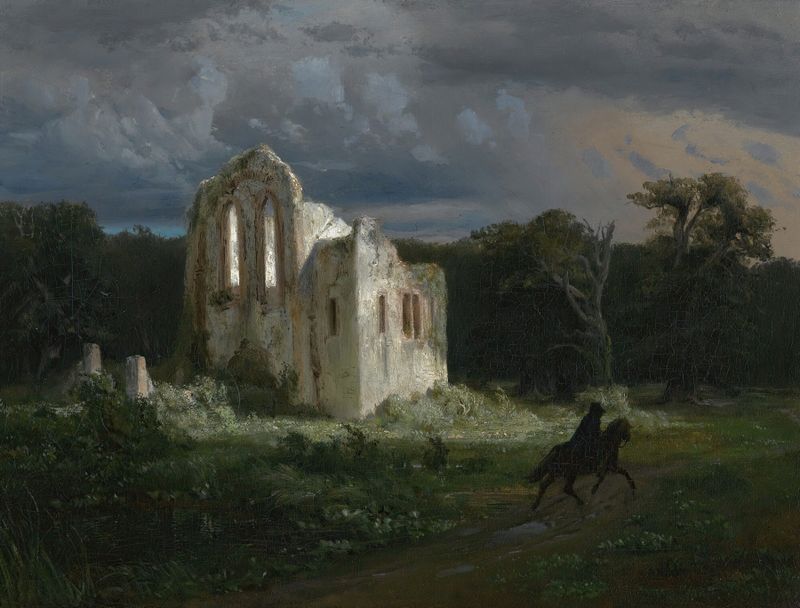
Mondscheinlandschaft Mit Ruine (Moonlit Landscape)
Arnold Böcklin
More Architecture Art
Browse all →
The statue of Liberty
Frédéric Auguste Bartholdi

View of Houses in Delft, Known as ‘The Little Street’
Johannes Vermeer

View of Houses in Delft, Known as ‘The Little Street’
Johannes Vermeer

The Cathedral in Rouen. The portal, Grey Weather
Claude Monet

The yellow house
Vincent van Gogh

The Church in Auvers-sur-Oise, View from the Chevet
Vincent van Gogh