
Summer Day — History & Facts
When did color learn to lie? In Summer Day, a dreamscape unfolds, inviting viewers to ponder the delicate dance between reality and imagination. Focus on the vibrant hues that saturate the canvas; the sun-drenched landscape spills forth a riot of greens and yellows. Notice how the light seems to pulse from the center, illuminating the figures reclining beneath the broad canopies of trees. The fluid brushstrokes evoke a sense of warmth and whimsy, while the tranquil lake reflects the sky’s azure depths, blurring the line between terrestrial and celestial realms. Hidden within this idyllic tableau lies a tension between serenity and transience.
The figures, seemingly content in their leisurely respite, hint at the fleeting nature of summer's bliss. Their carefree gestures contrast starkly with the subtle indications of time's passage—a shadow, a fleeting breeze—suggesting that this moment, while painted in vibrant life, holds an ephemeral quality that eludes capture. It invites contemplation on the duality of existence, where beauty intertwines with inevitability. Arnold Böcklin created this masterwork during a period in the late 19th century when Symbolism and Romanticism were gaining ground in the art world.
Living in Switzerland, he absorbed influences from nature, folklore, and mythology, shaping a vision that transcended reality. This piece embodies his exploration of the subconscious, reflecting a time when artists sought to delve deeper into the essence of human experience, blurring the boundaries between waking and dreaming.
More Artworks by Arnold Böcklin
Browse all →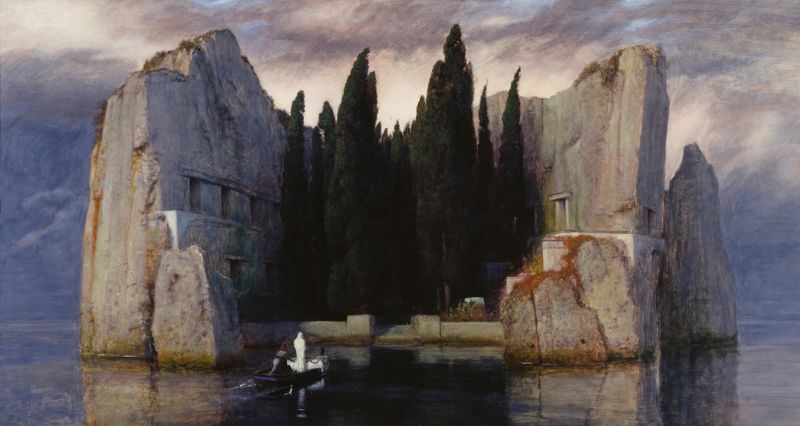
Die Toteninsel III
Arnold Böcklin
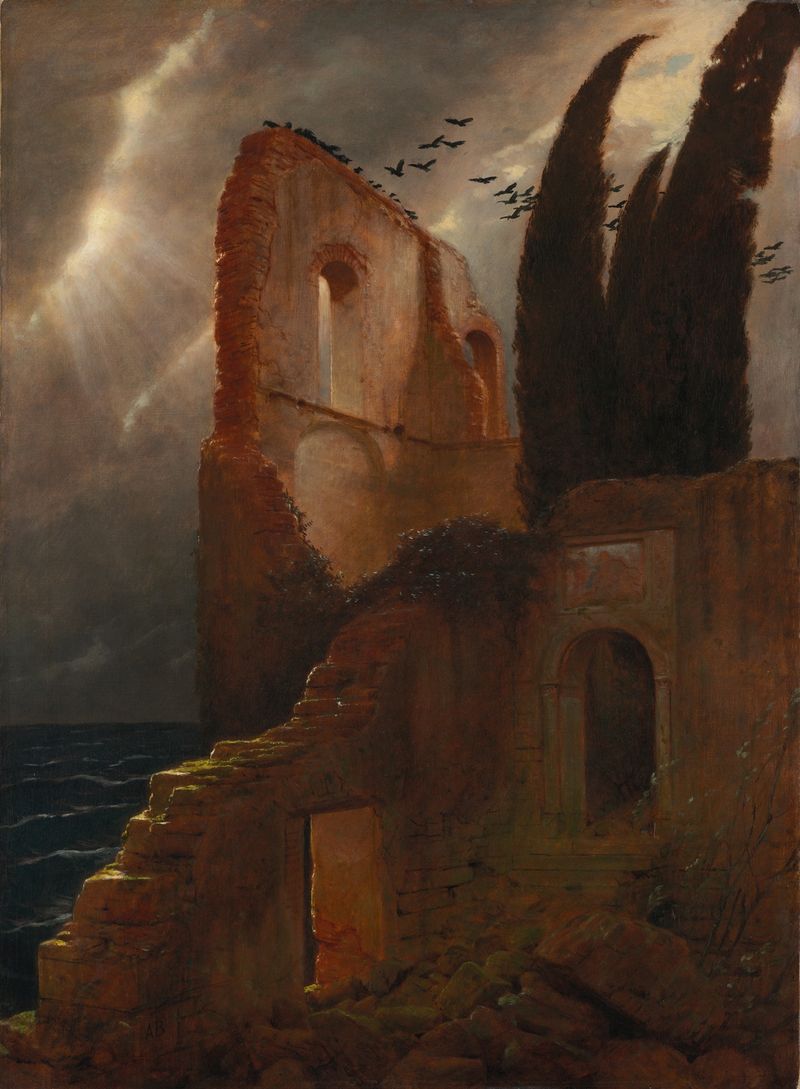
Ruin by the Sea
Arnold Böcklin
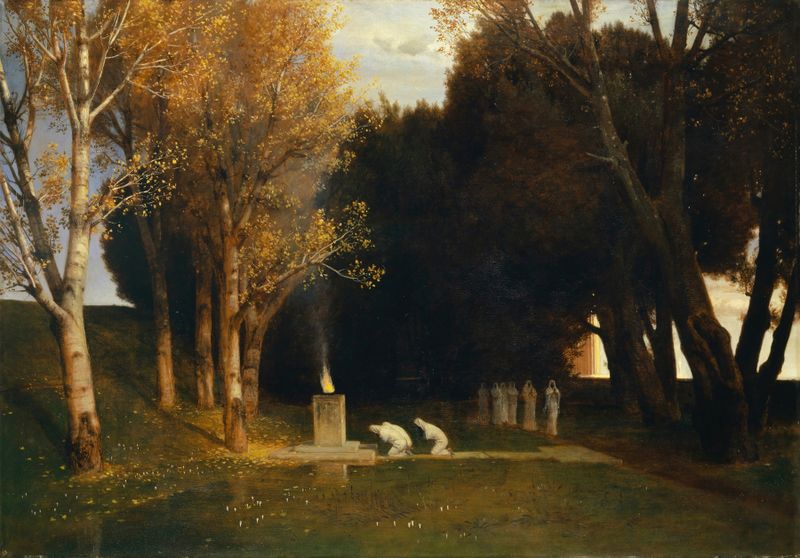
The Sacred Grove
Arnold Böcklin
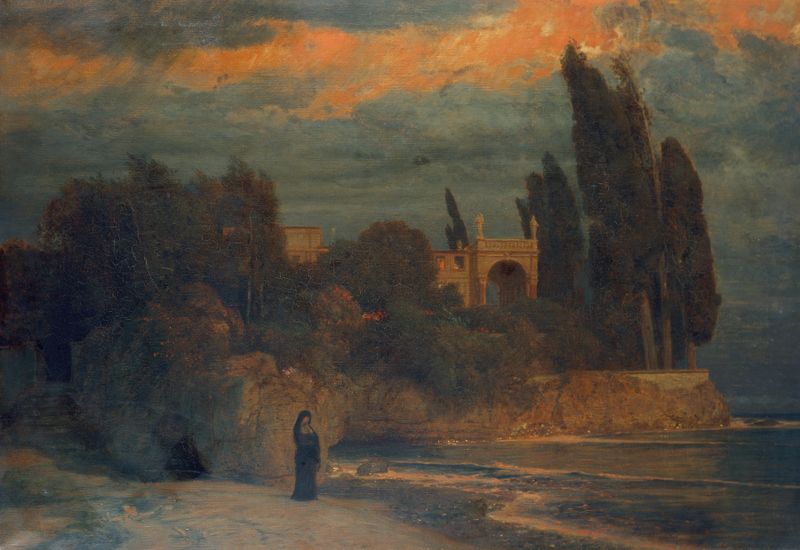
Villa by the Sea
Arnold Böcklin
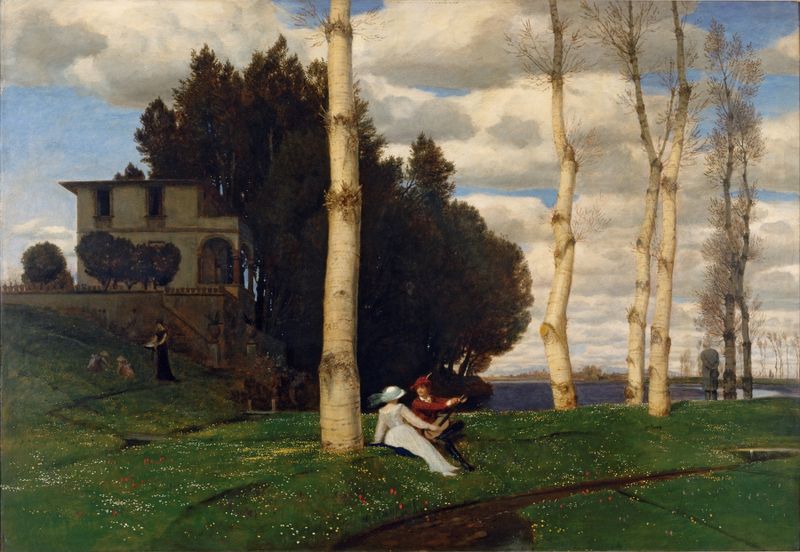
Spring Day (The Three Life Ages)
Arnold Böcklin
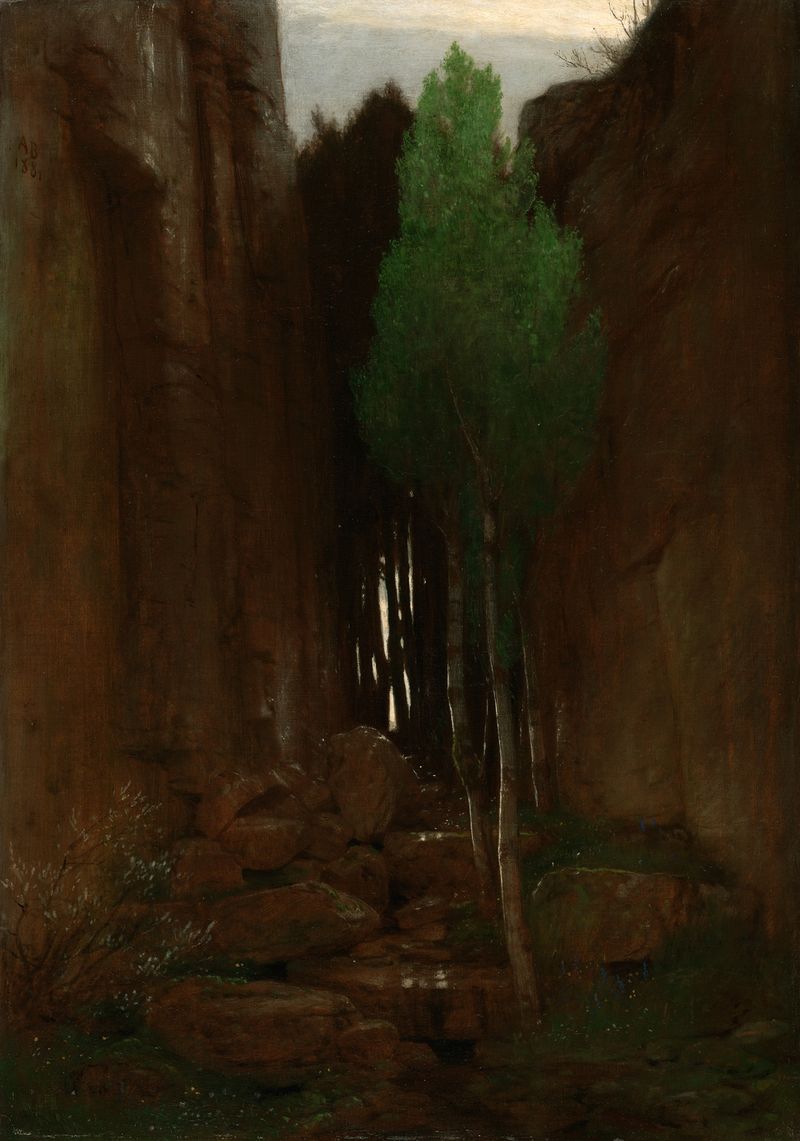
Spring in a Narrow Gorge (Quell in einer Felsschluct)
Arnold Böcklin
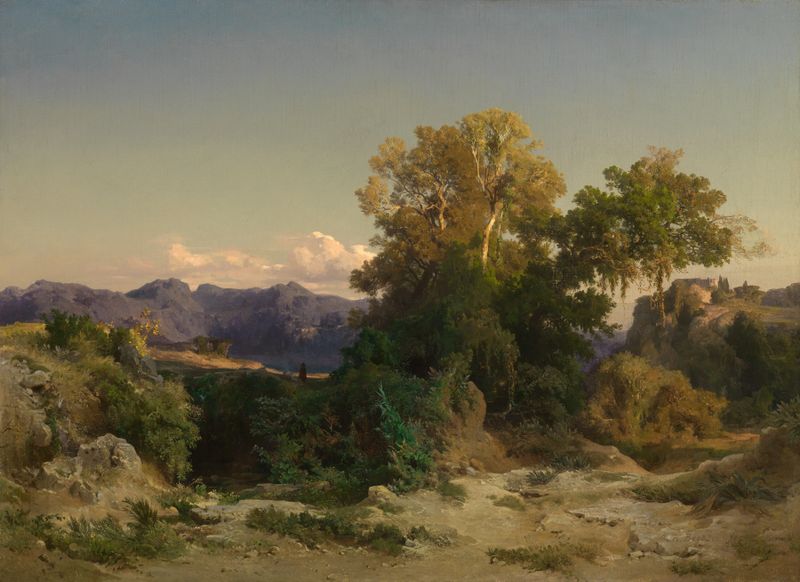
Landscape in the Roman Campagna
Arnold Böcklin
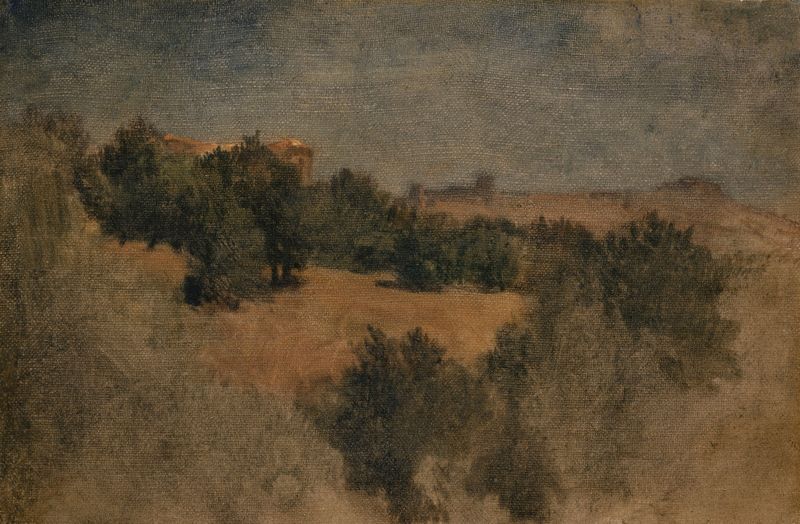
Landscape near Palestrina
Arnold Böcklin
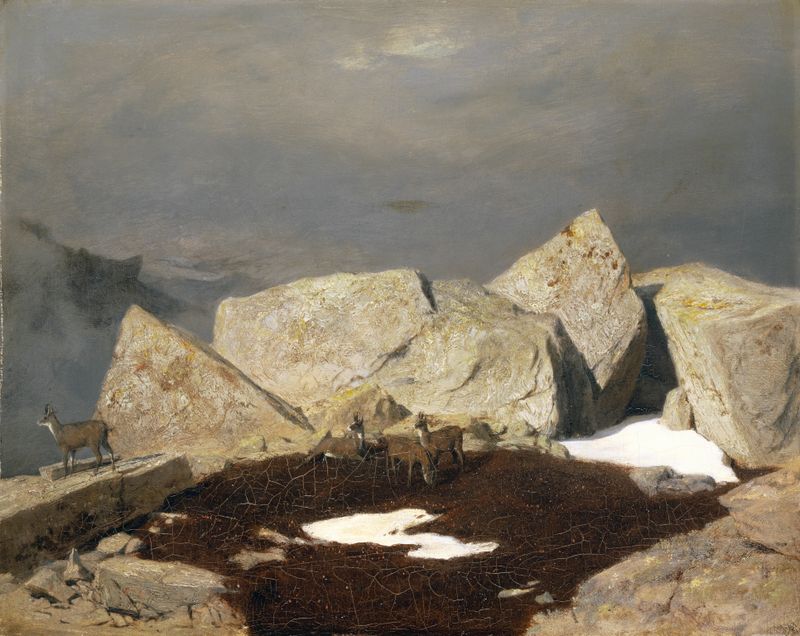
High Mountain Landscape With Chamois
Arnold Böcklin
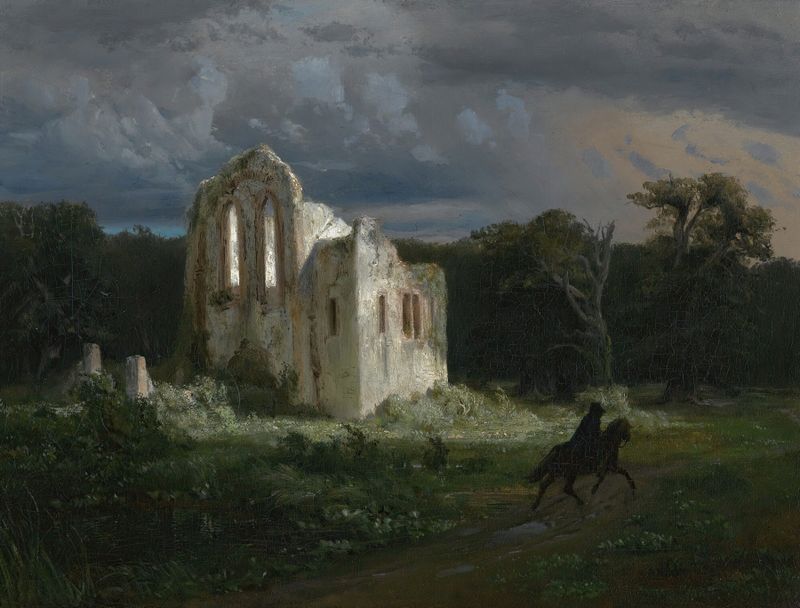
Mondscheinlandschaft Mit Ruine (Moonlit Landscape)
Arnold Böcklin





