
Spring Day (The Three Life Ages) — History & Facts
In the delicate embrace of Spring Day (The Three Life Ages), innocence unfurls under the watchful gaze of time. It evokes the tender balance between youth and the inevitable march toward maturity, inviting viewers into a world where every moment holds the weight of promise and nostalgia. Look to the center of the canvas, where the figure of a youthful girl, adorned in a flowing white dress, dances joyfully among blooming flowers. The vibrant greens and soft pastels breathe life into the scene, their colors blending seamlessly to evoke the sweet essence of spring.
Notice how the light cascades down, illuminating her cherubic face, while gentle shadows add depth to the surrounding landscape, creating a harmonious interplay of light and shadow that captures the very essence of innocence. Yet, beneath the surface of this idyllic moment lies a poignant contrast. The girl is flanked by two other figures—an older man and a middle-aged woman—who represent the passage of life. Their expressions hint at wisdom gained through experience but also a hint of melancholy, suggesting the bittersweet nature of aging.
This triad speaks to the universality of existence, drawing viewers into a contemplation of their own journey through time, layered with dreams, loss, and acceptance. Created in 1883, this work emerged during Arnold Böcklin’s time in Switzerland, a period marked by personal loss and introspection. The artist was grappling with themes of mortality and the natural cycle of life, reflective of the broader Symbolist movement in art, which sought to explore the deeper meanings behind the surface of reality. Here, he weaves an intricate tapestry of existence, balancing the vibrancy of youth with the inevitability of life's changes.
More Artworks by Arnold Böcklin
Browse all →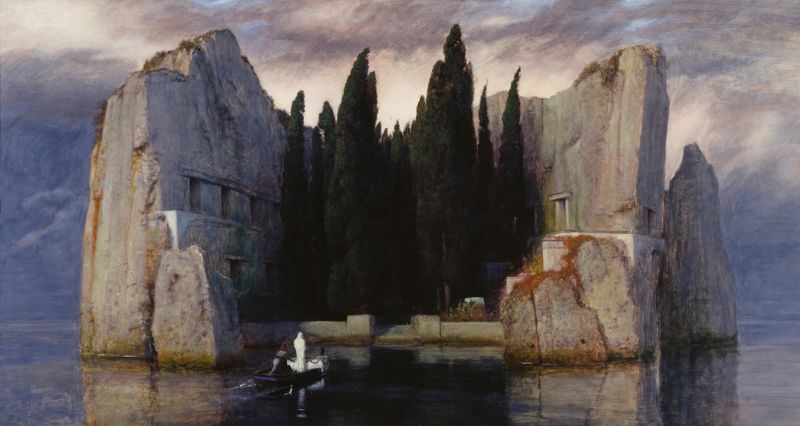
Die Toteninsel III
Arnold Böcklin
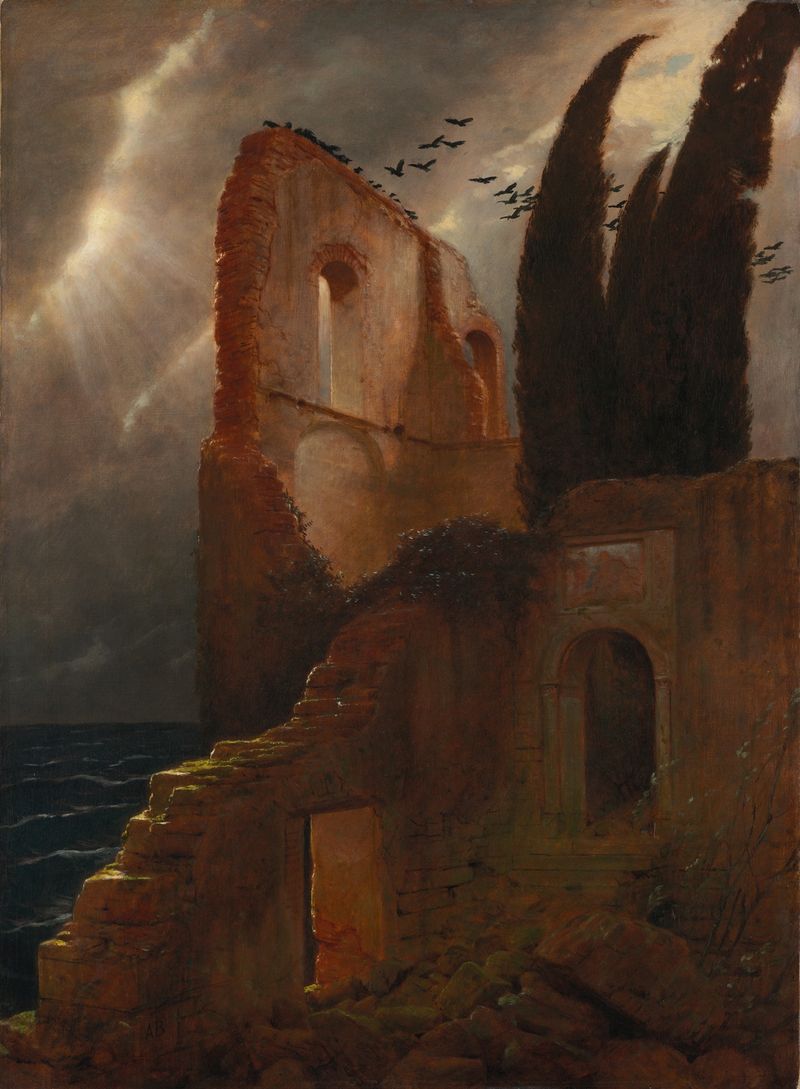
Ruin by the Sea
Arnold Böcklin
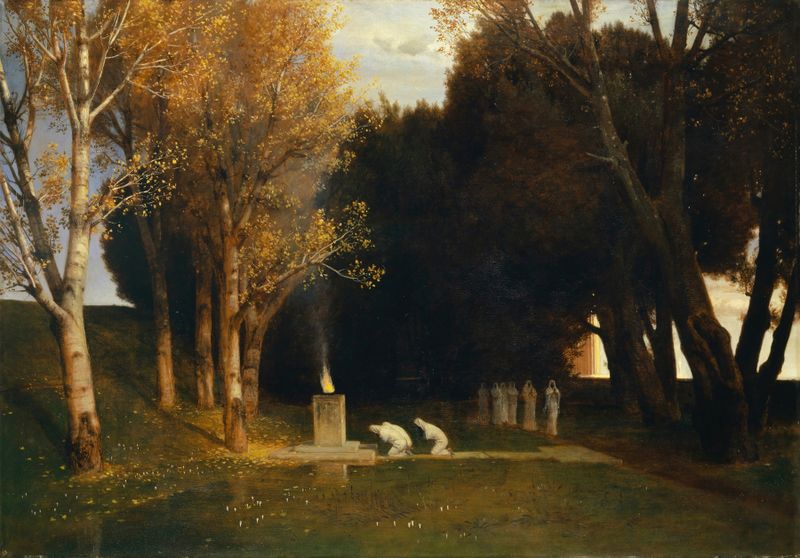
The Sacred Grove
Arnold Böcklin
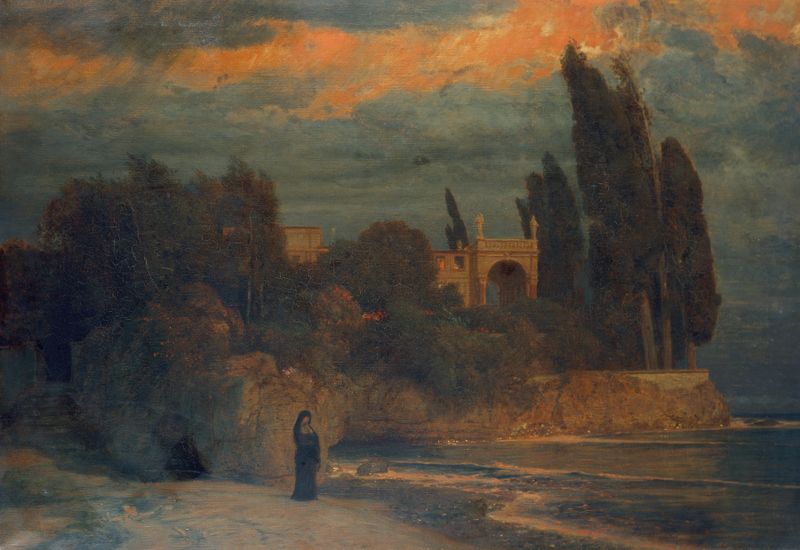
Villa by the Sea
Arnold Böcklin
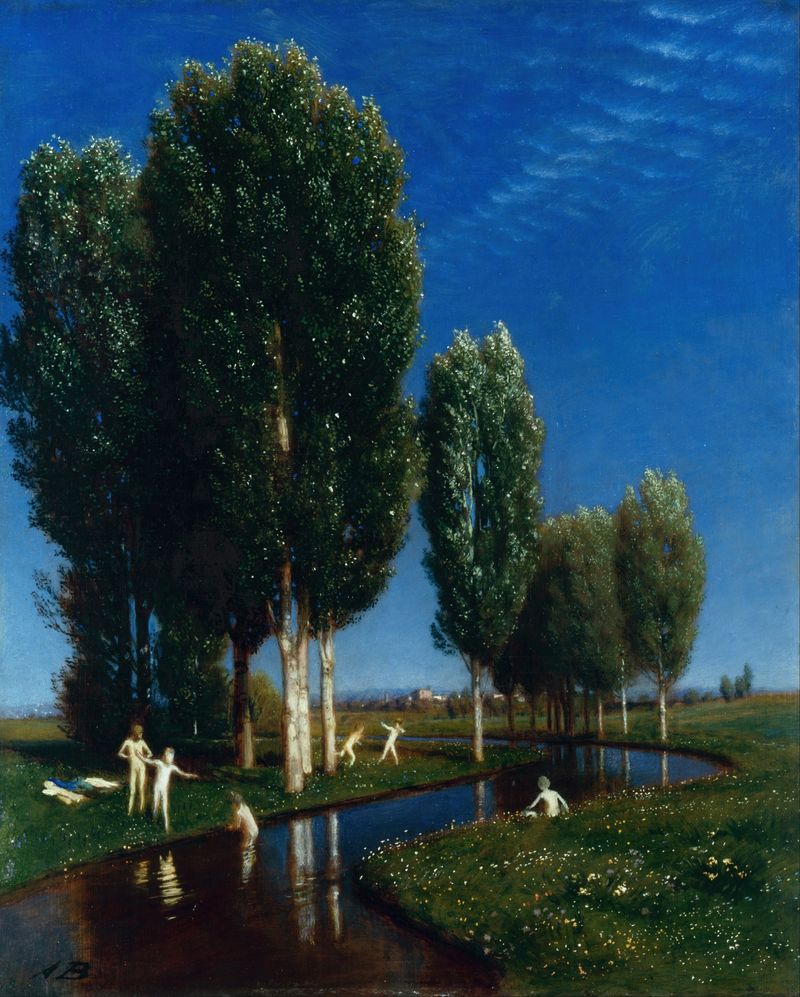
Summer Day
Arnold Böcklin
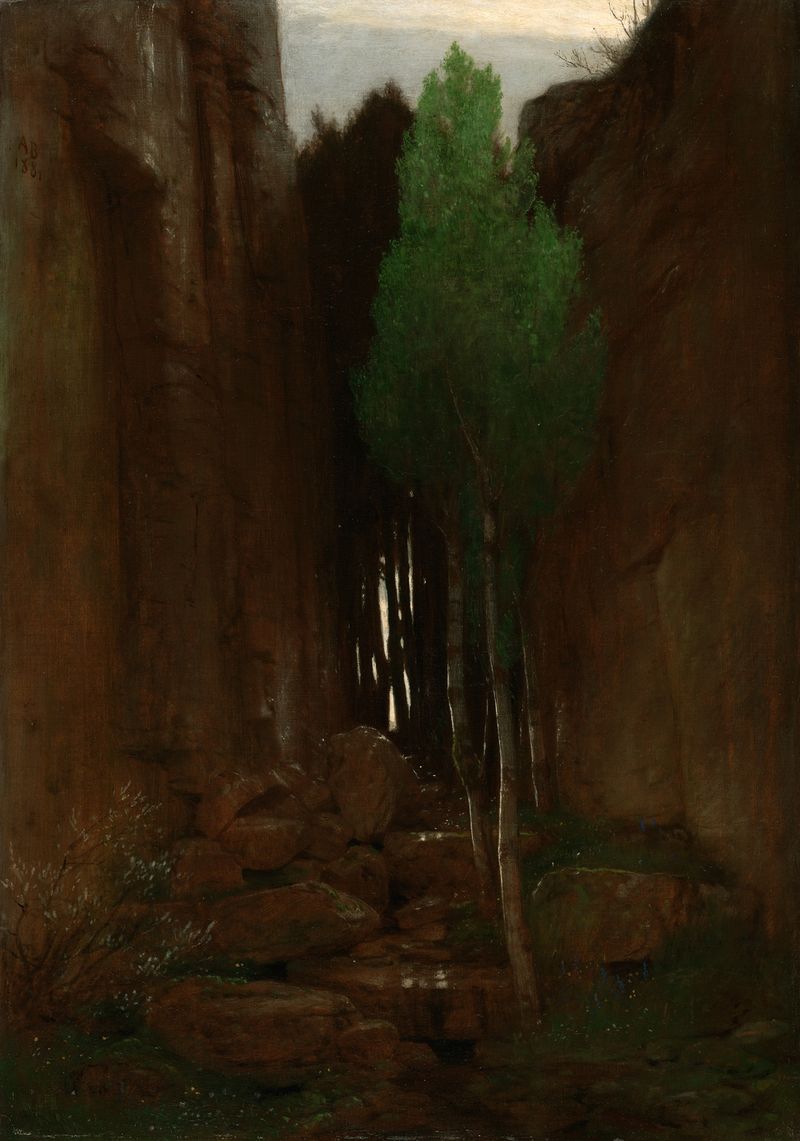
Spring in a Narrow Gorge (Quell in einer Felsschluct)
Arnold Böcklin
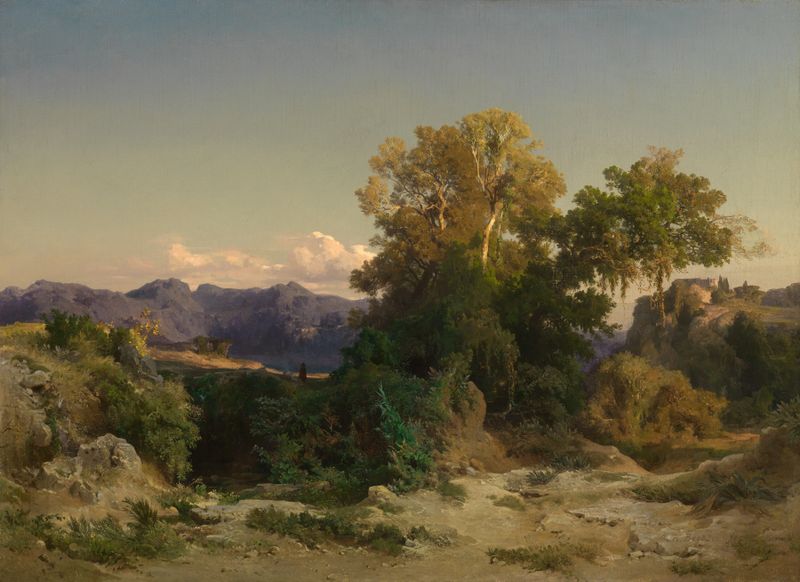
Landscape in the Roman Campagna
Arnold Böcklin
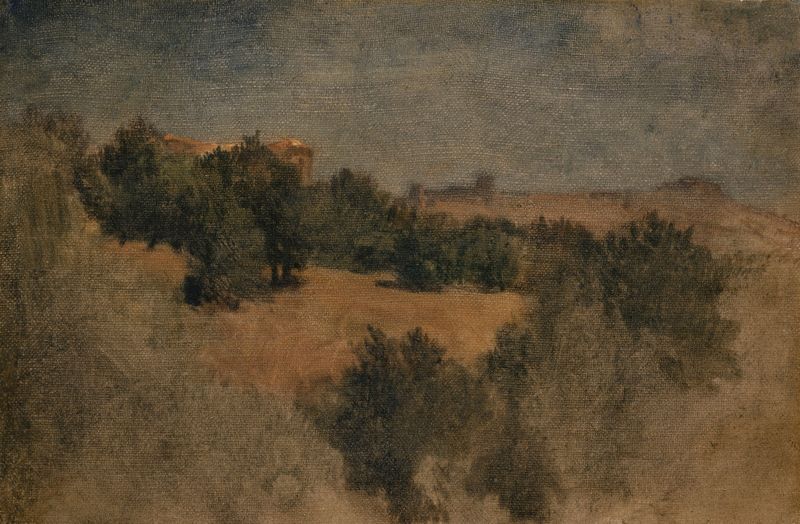
Landscape near Palestrina
Arnold Böcklin
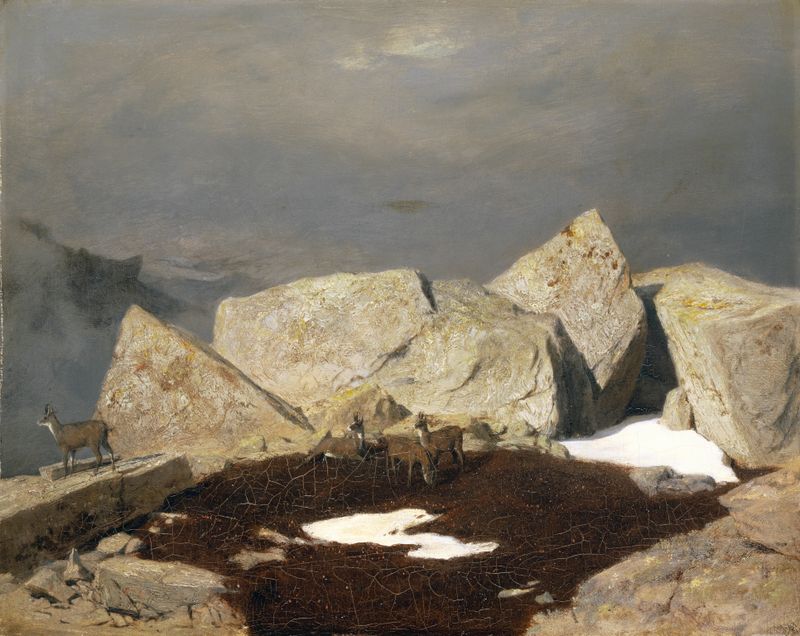
High Mountain Landscape With Chamois
Arnold Böcklin
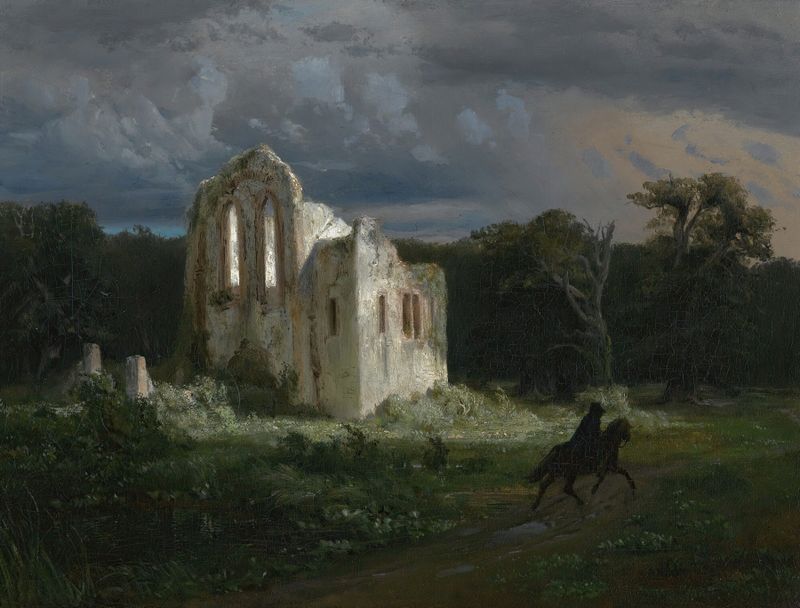
Mondscheinlandschaft Mit Ruine (Moonlit Landscape)
Arnold Böcklin





