
The Sacred Grove — History & Facts
Can paint confess what words never could? In The Sacred Grove, color becomes a language of its own, whispering secrets of the soul beneath a canopy of verdant green. Focus first on the rich hues that envelop the scene, where deep emerald greens and glimmering golds intertwine to create a lush sanctuary. Notice how the foliage dances with light, each leaf drenched in sunlight as if beckoning you into its embrace. The figures are subtly integrated within this verdant backdrop, inviting the viewer to explore the intricate relationships between nature and humanity. Deeper meanings emerge as you gaze closer; the figures in the grove signify a union with the natural world, an embrace of both tranquility and mystery.
Their poses and expressions convey a sense of reverence, hinting at the sacredness of this space—a moment suspended in time. The contrast between the dimly lit corners of the grove and the radiant highlights evokes a tension between the known and the unknown, drawing us into a world that is both familiar and dreamlike. In 1882, Arnold Böcklin created this work during a period of personal exploration and reflection in his life in Switzerland. The late 19th century was marked by a rising interest in symbolism and the mystical, as artists sought to express the deeper emotions and spiritual connections found in nature.
This painting not only represents Böcklin’s mastery of color and composition but also reflects the broader artistic movement towards evoking emotion through enigmatic landscapes.
More Artworks by Arnold Böcklin
Browse all →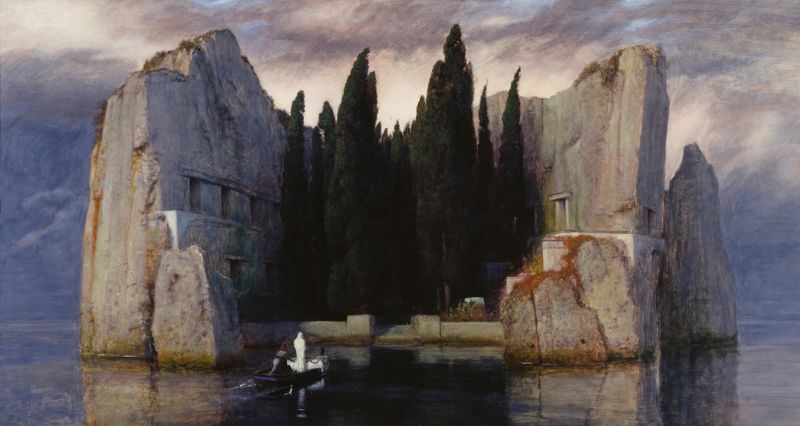
Die Toteninsel III
Arnold Böcklin
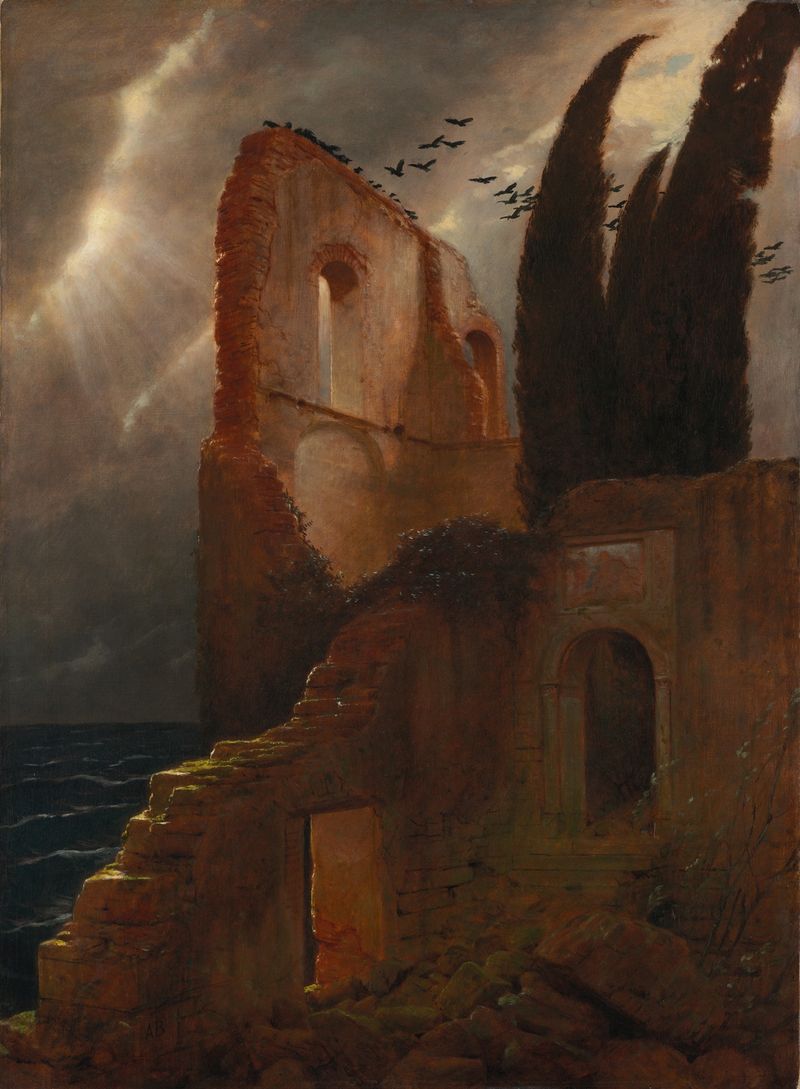
Ruin by the Sea
Arnold Böcklin
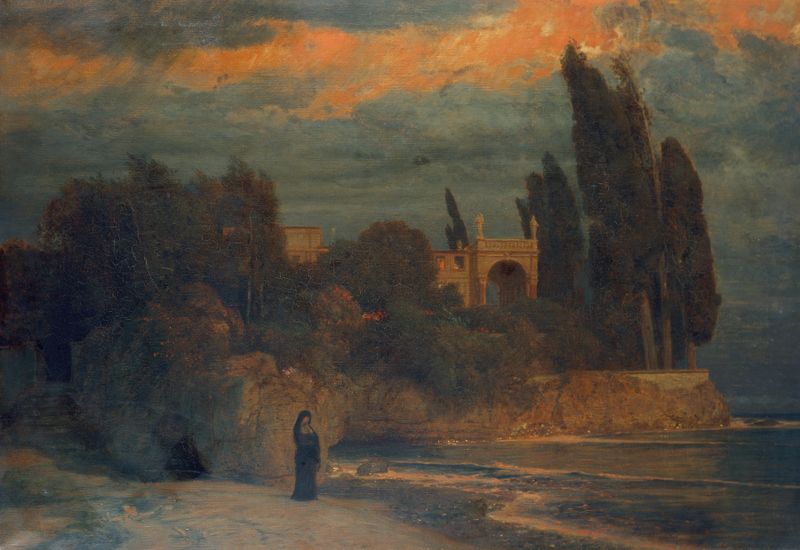
Villa by the Sea
Arnold Böcklin
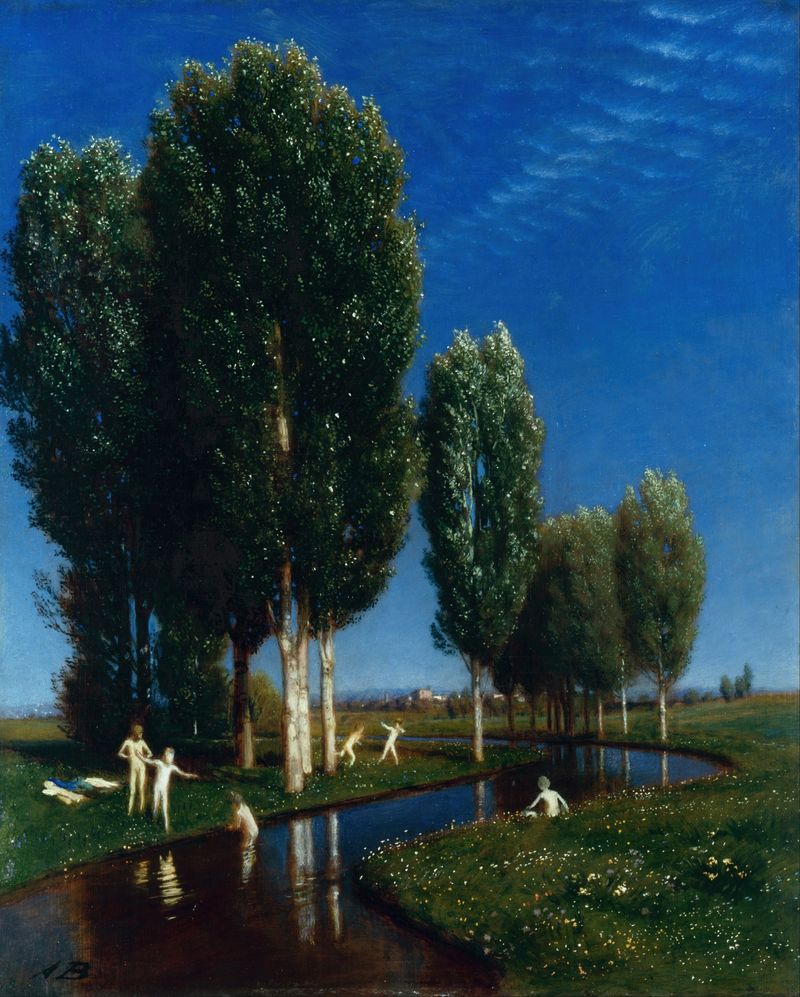
Summer Day
Arnold Böcklin
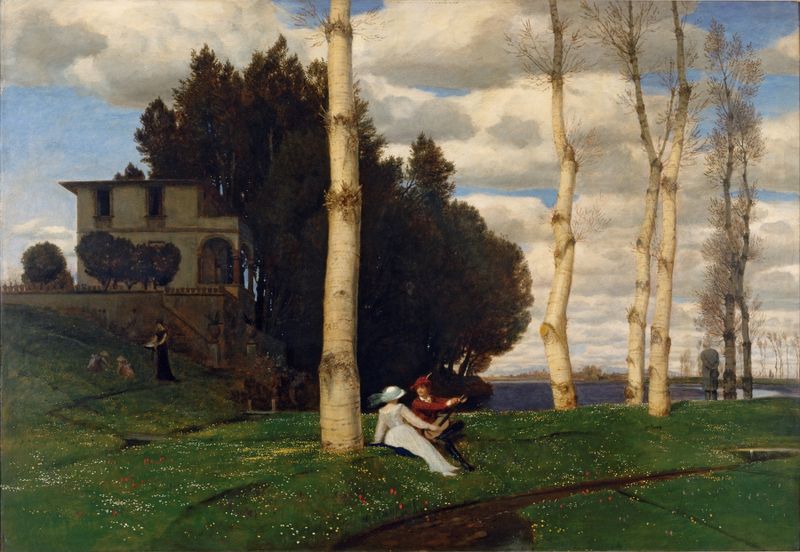
Spring Day (The Three Life Ages)
Arnold Böcklin
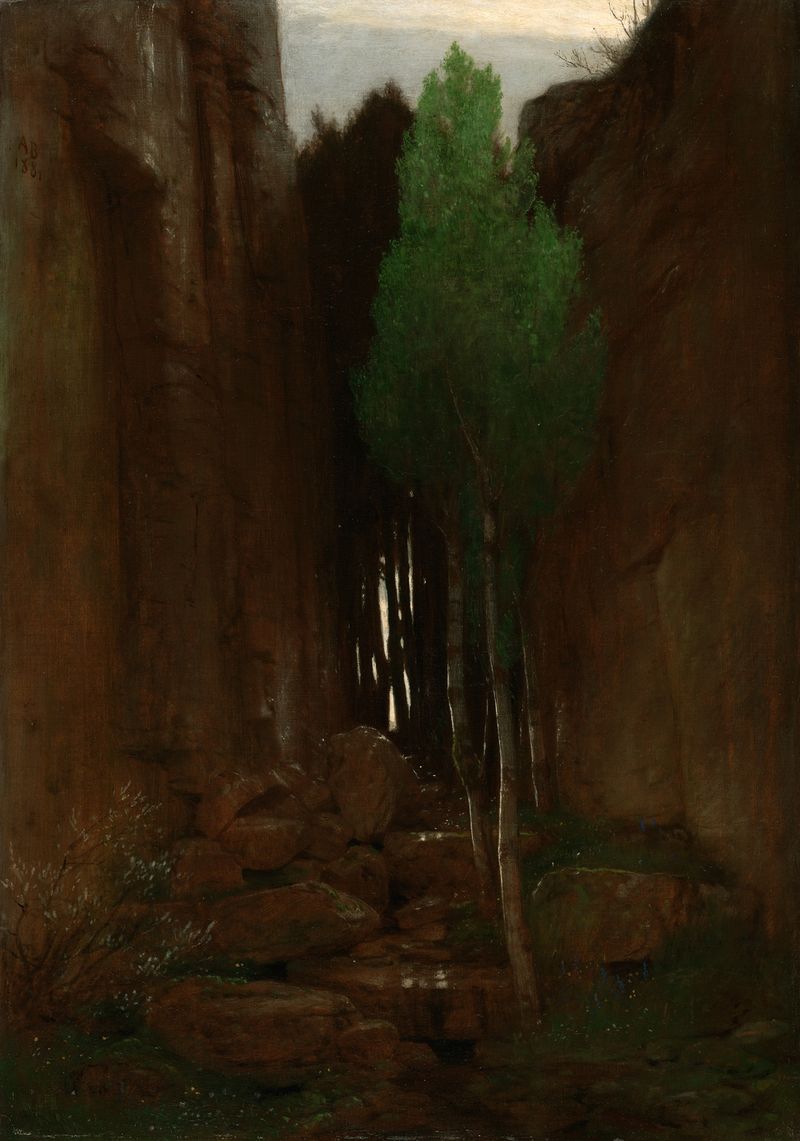
Spring in a Narrow Gorge (Quell in einer Felsschluct)
Arnold Böcklin
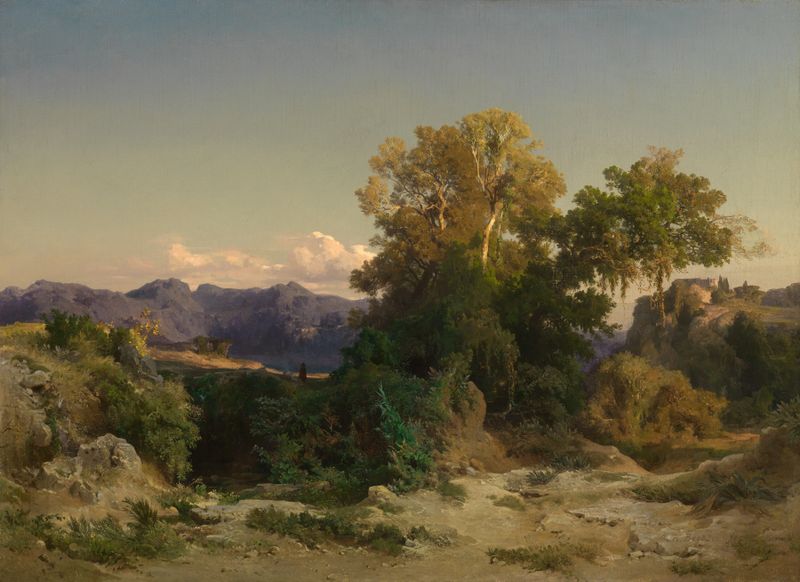
Landscape in the Roman Campagna
Arnold Böcklin
Landscape near Palestrina
Arnold Böcklin
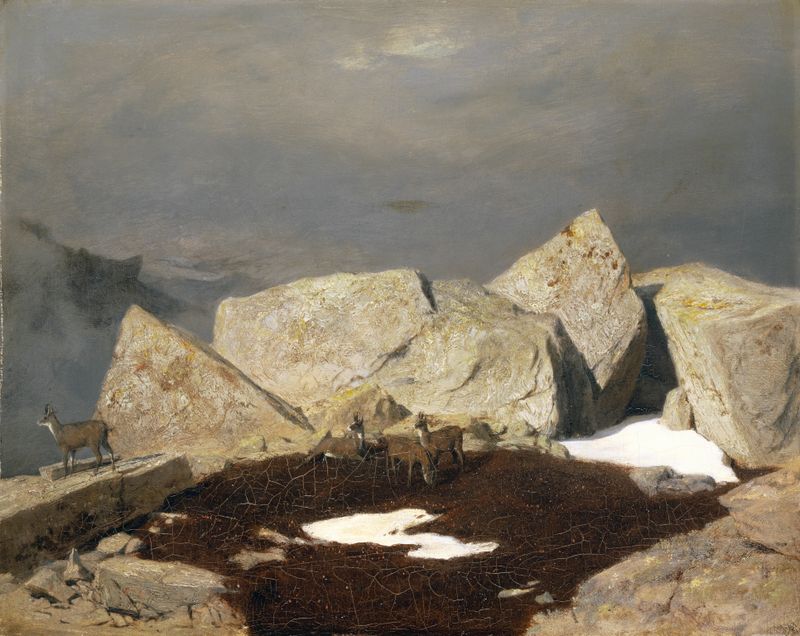
High Mountain Landscape With Chamois
Arnold Böcklin
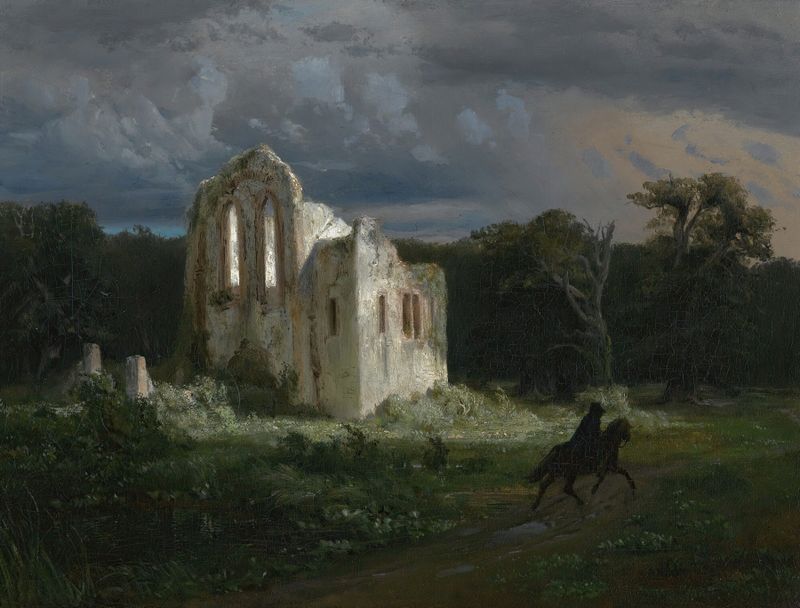
Mondscheinlandschaft Mit Ruine (Moonlit Landscape)
Arnold Böcklin





