
Fireworks; Bridge at Vernon, France — History & Facts
In the midst of fleeting moments, the canvas invites us to stand in awe of the beauty that exists just beyond our grasp. Look to the bottom of the painting first, where the river reflects a shimmering tableau of color, an interplay of blues and golds that captures the essence of twilight. The bridge arches gracefully across the water, its structure gently illuminated by the brilliant bursts of light above. The fireworks dance in vivid reds, greens, and whites, swirling and exploding against the darkening sky, while the soft brushwork creates an ethereal quality that enlivens the scene with a sense of both celebration and transience. Beneath the surface of this festive display lies a commentary on the passage of time.
The ephemeral nature of fireworks mirrors the fleeting moments of life itself, a reminder that beauty often exists only for an instant before fading away. The juxtaposition of the sturdy bridge against the ephemeral fireworks serves as a metaphor for the balance between permanence and impermanence, inviting viewers to contemplate the connections forged in moments of joy, even as they inevitably slip away. In 1908, Butler was residing in France, immersed in the Impressionist movement, which emphasized capturing light and color in innovative ways. This period was marked by a burgeoning fascination with the interplay of nature and human activity, allowing artists like Butler to explore new emotional depths through landscape painting.
The artist sought to convey not just a scene, but an experience, intertwining the beauty of the present with the echoes of memory.
More Artworks by Theodore Earl Butler
Browse all →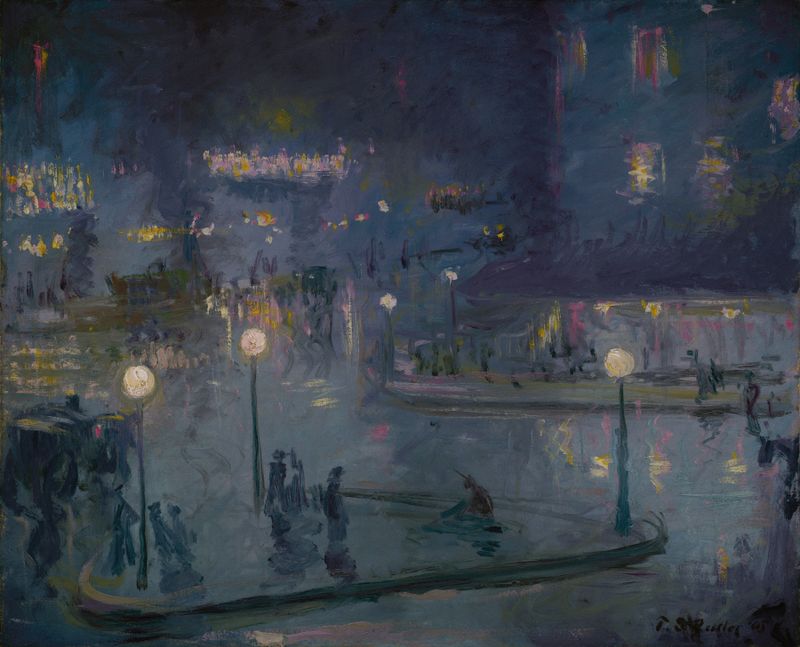
Place de Rome at Night
Theodore Earl Butler
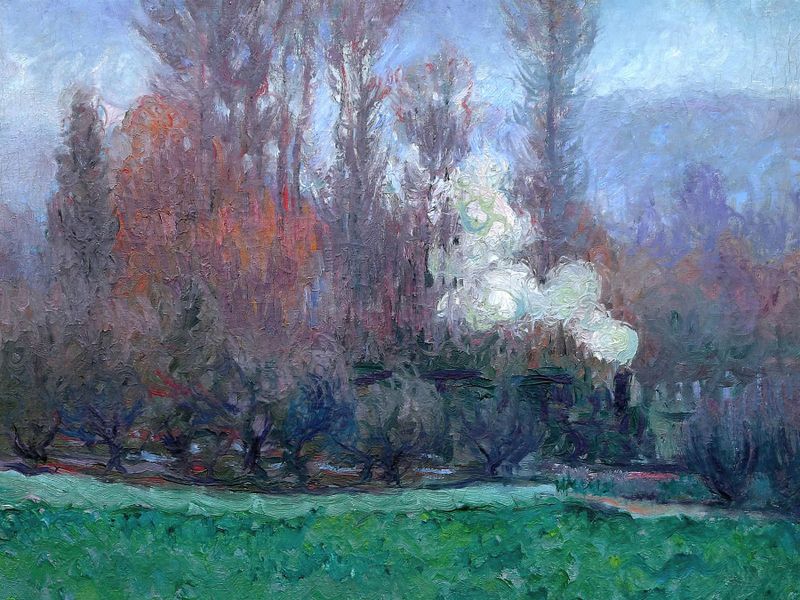
Le Train à Giverny
Theodore Earl Butler
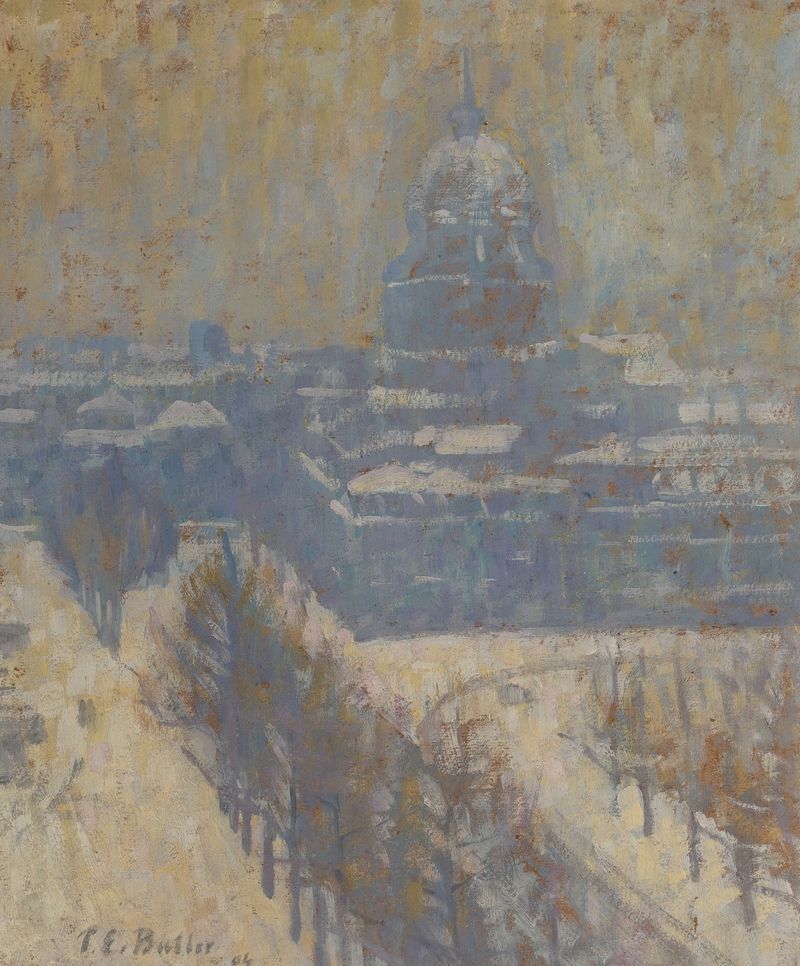
Les Invalides, Paris
Theodore Earl Butler
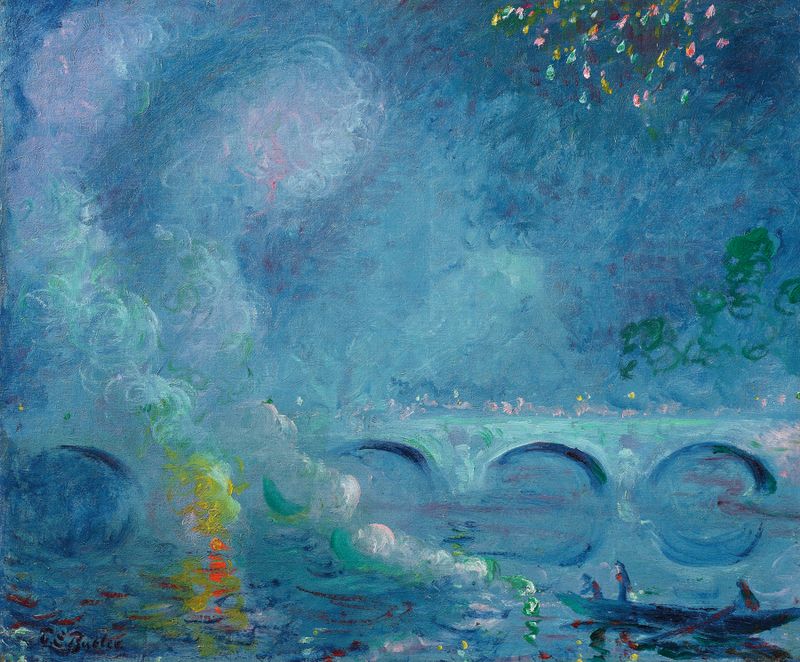
Fireworks, Vernon Bridge
Theodore Earl Butler

Flower Garden
Theodore Earl Butler
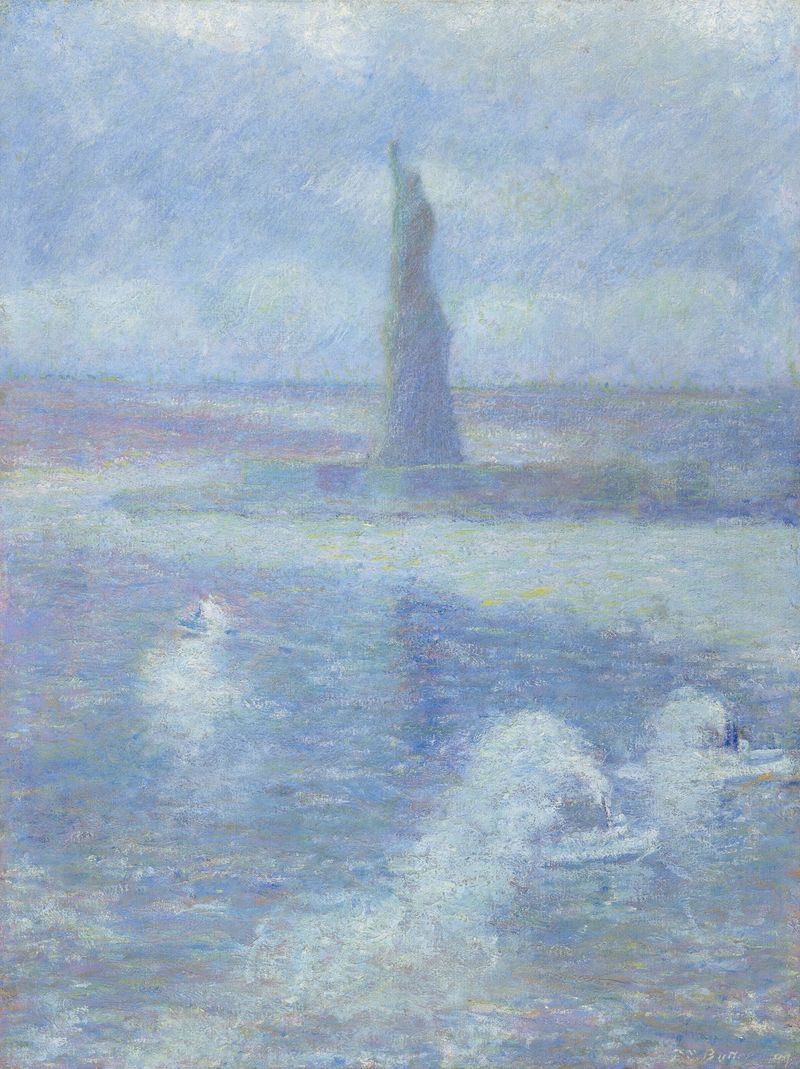
Statue of Liberty, N.Y. in Mist
Theodore Earl Butler
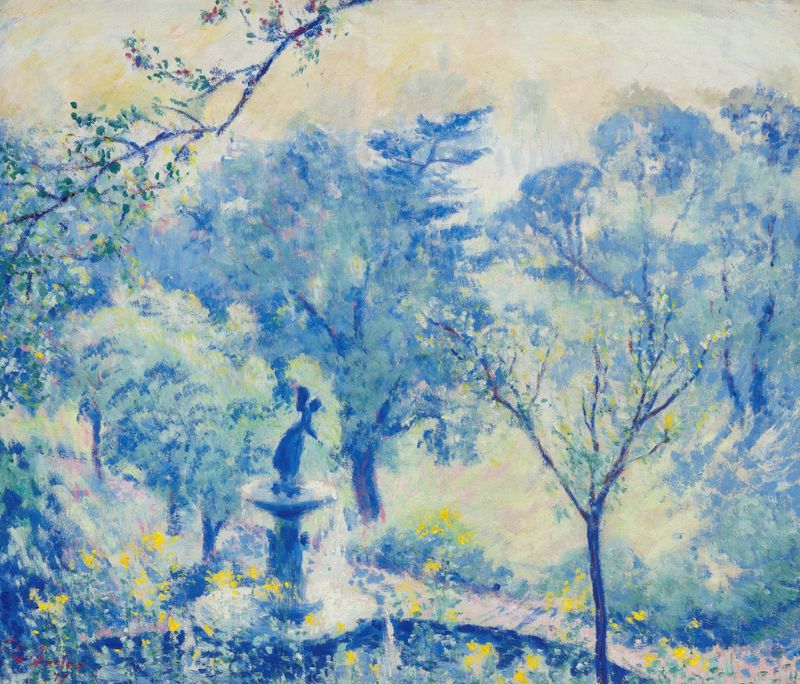
Bethesda Fountain, Central Park, New York
Theodore Earl Butler
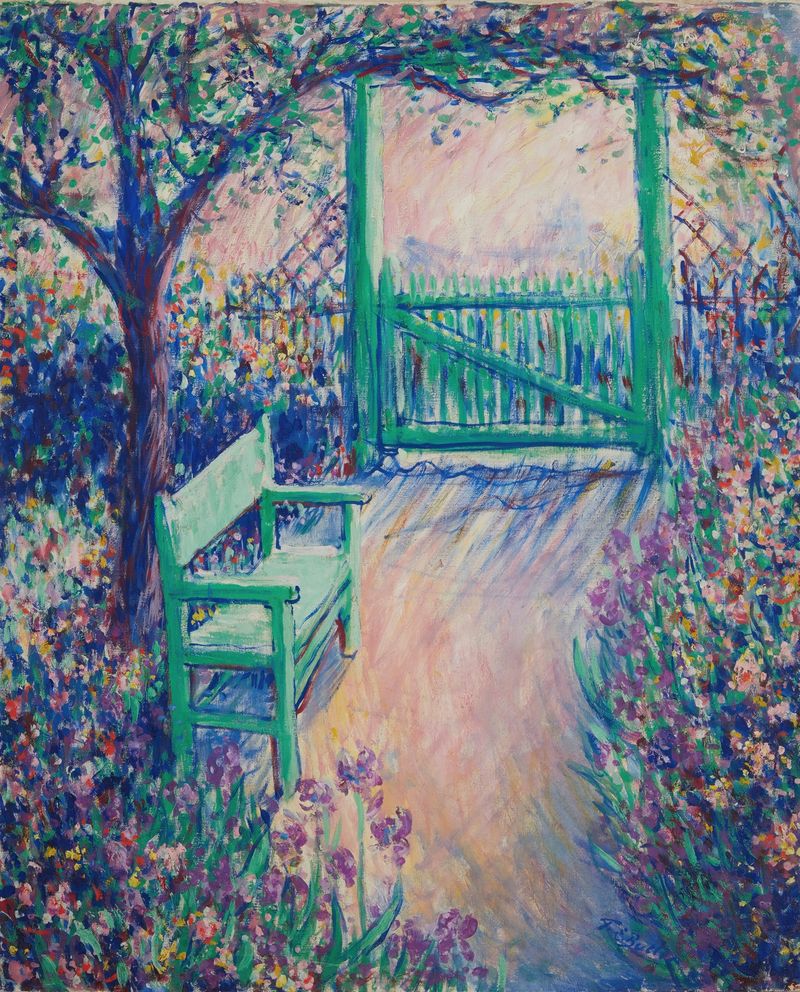
The Artist’s Garden (The Green Chair)
Theodore Earl Butler

Château-Gaillard, Les Andelys, on the Seine
Theodore Earl Butler

Les Déserts, Giverny
Theodore Earl Butler





