Fishing Boats in a Gabe — History & Analysis
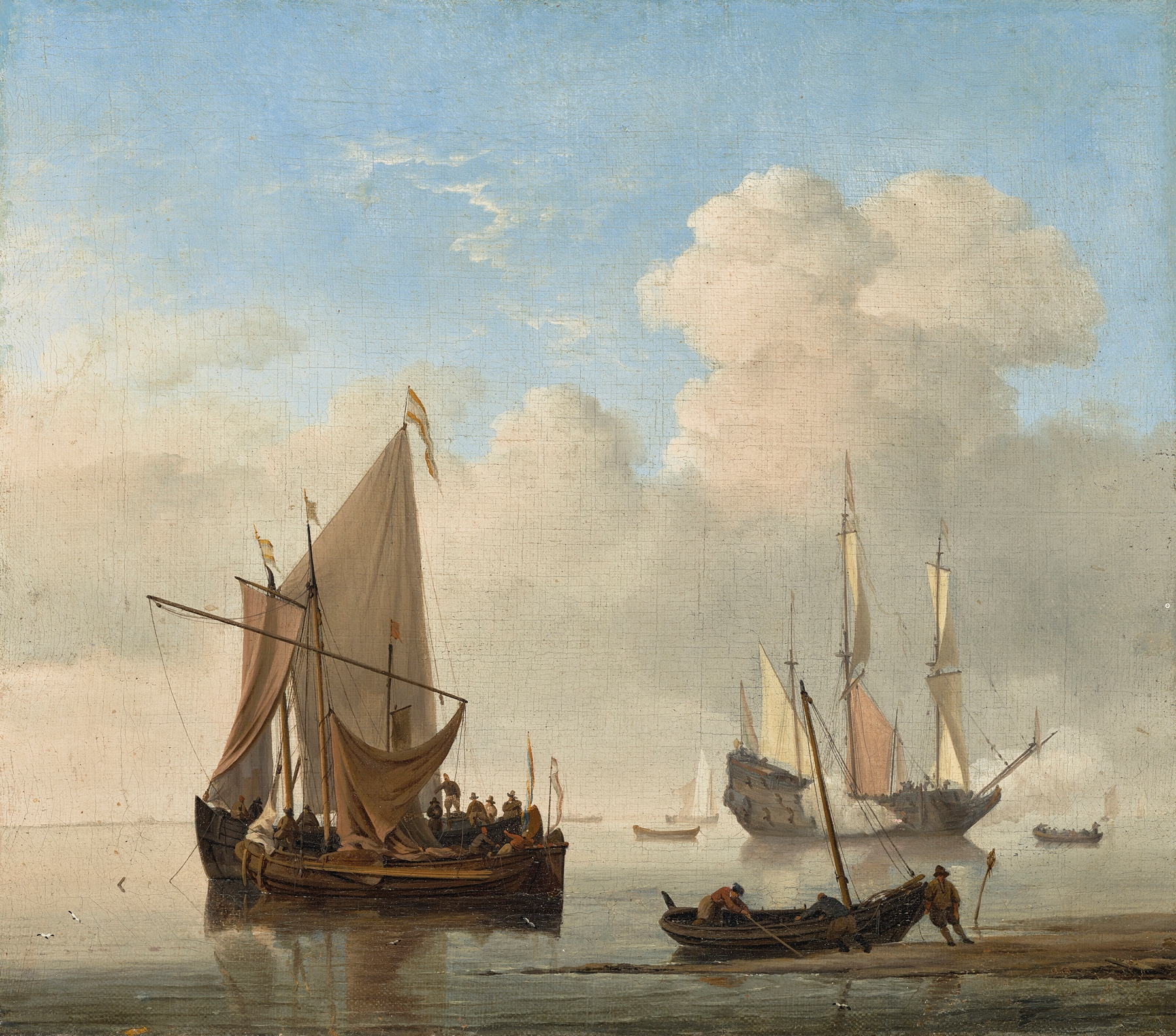
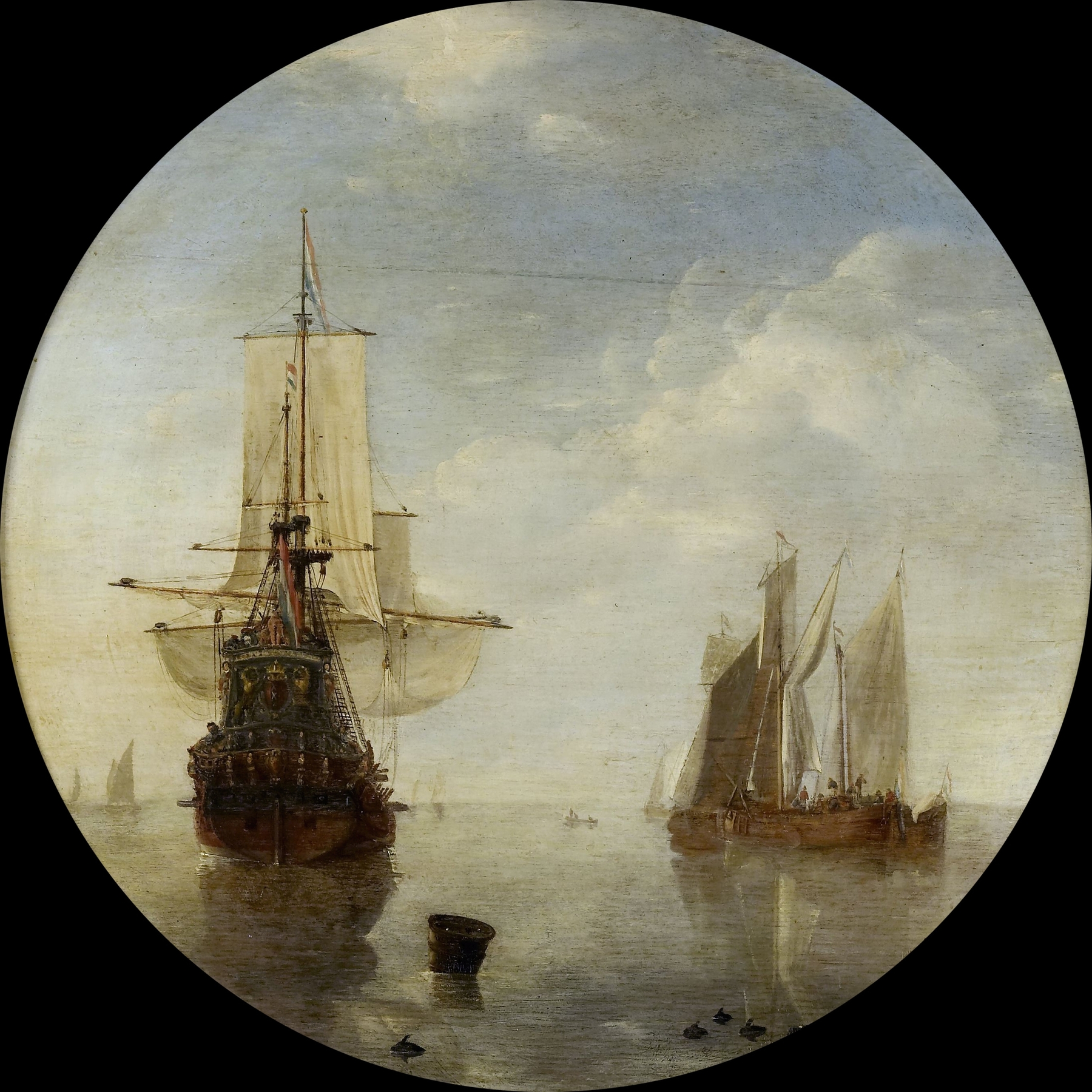
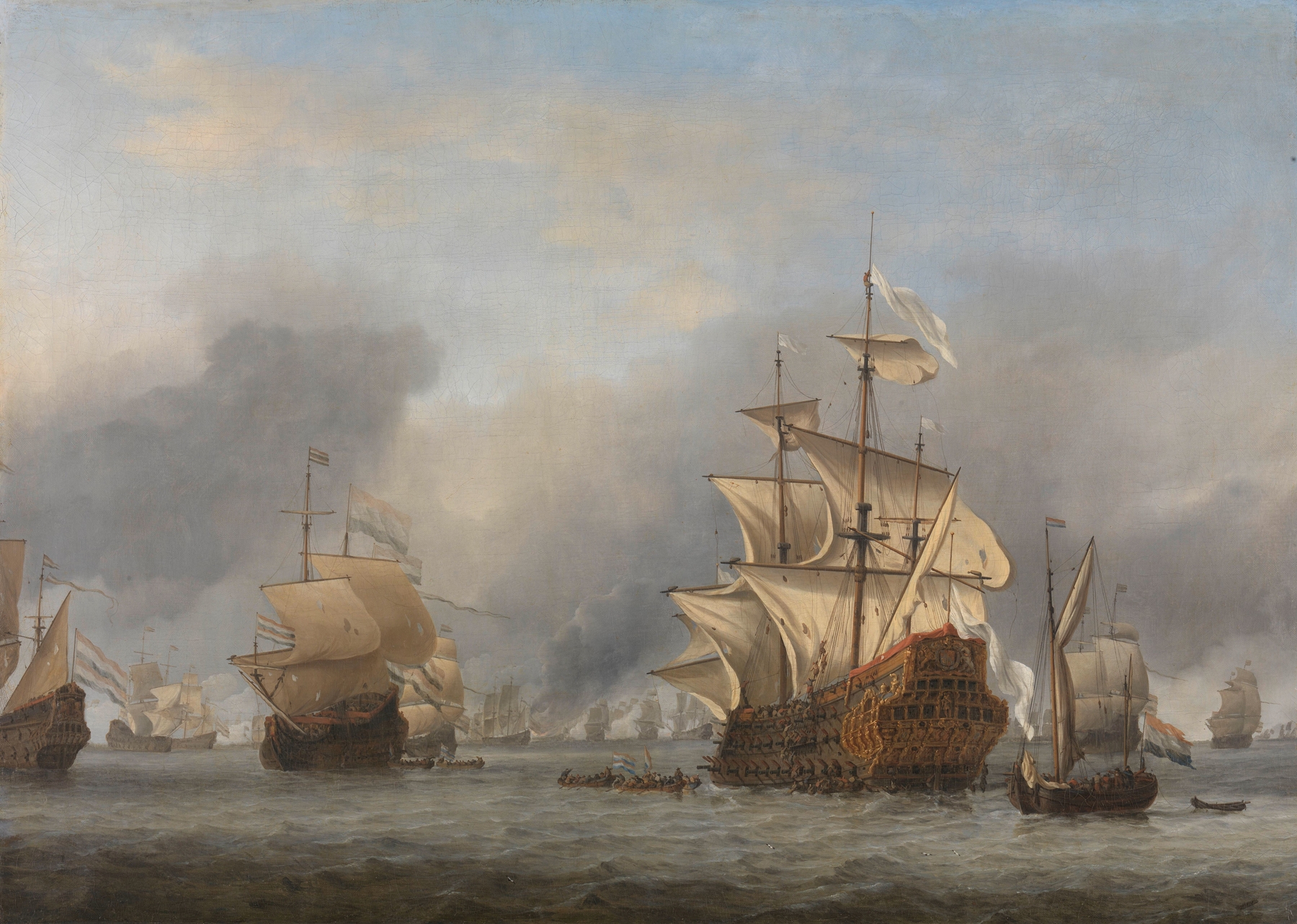
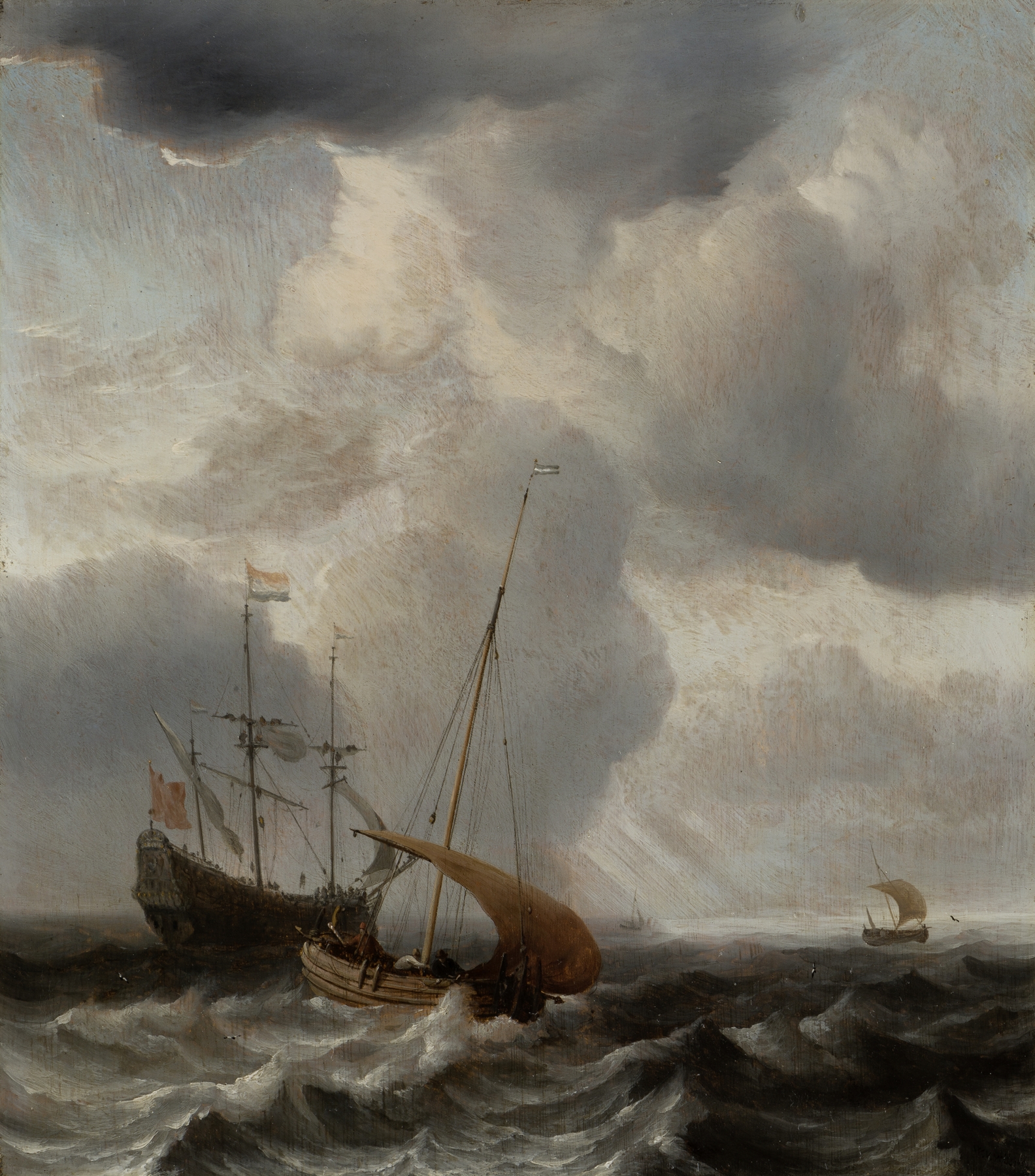
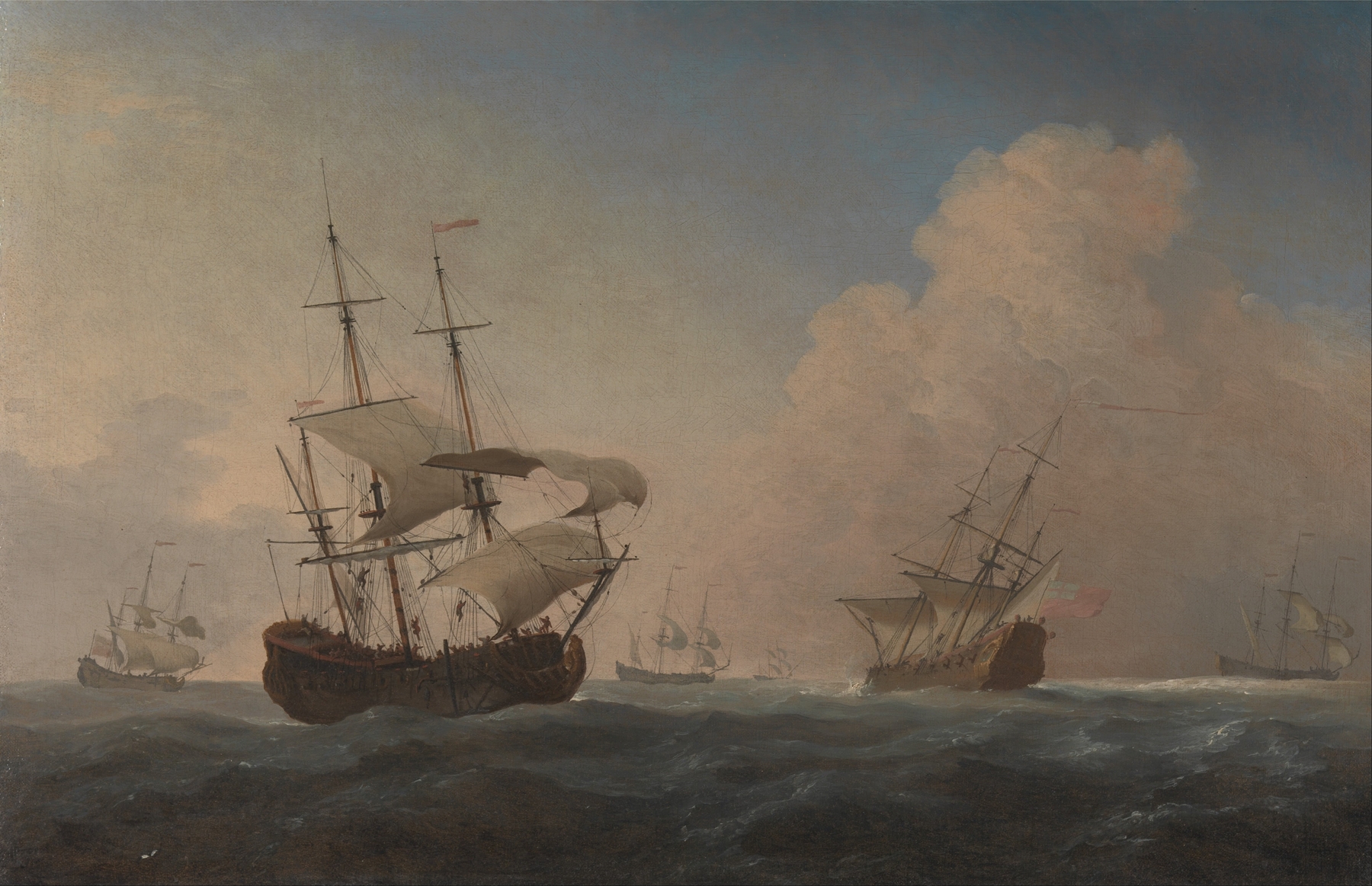
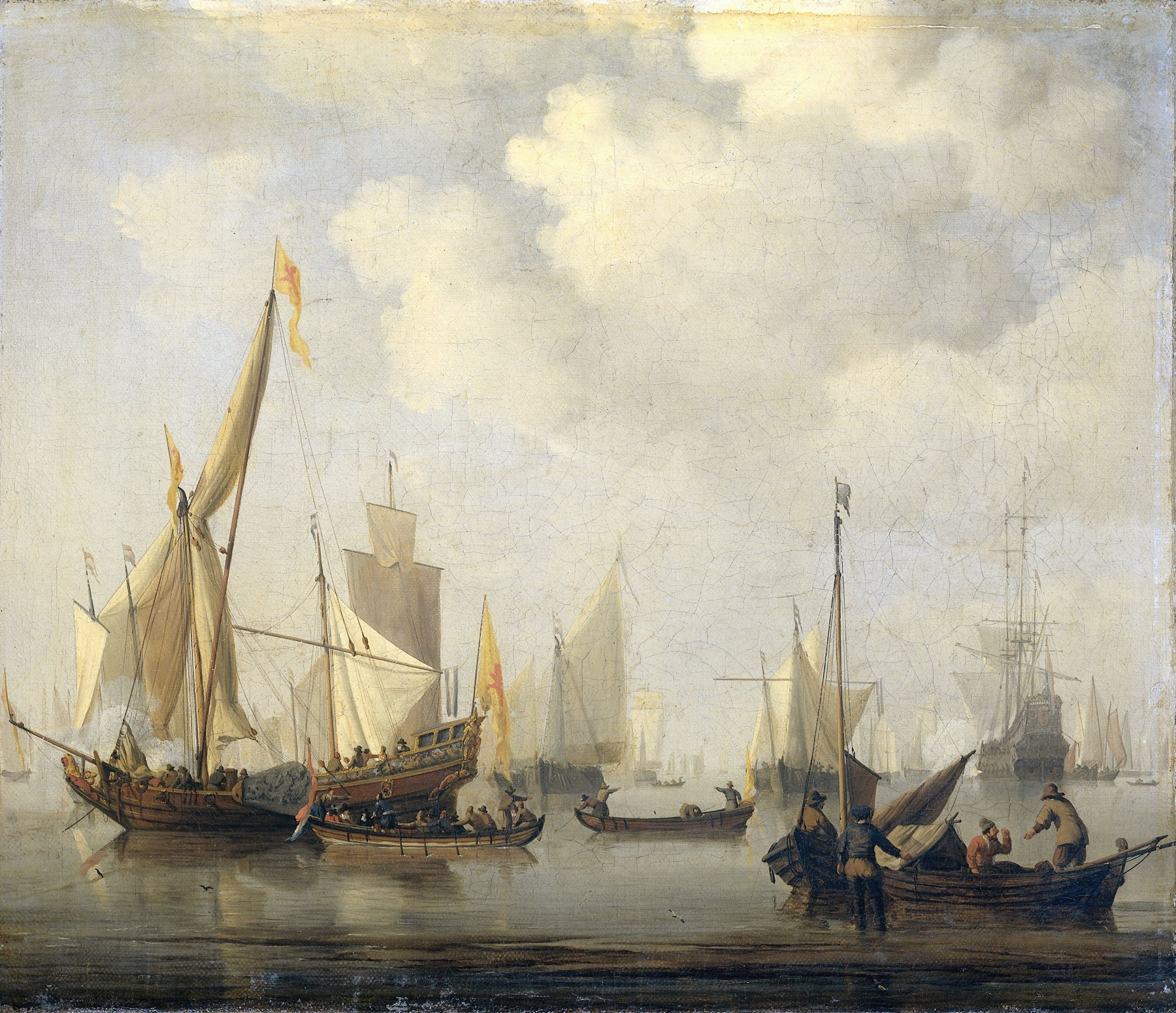
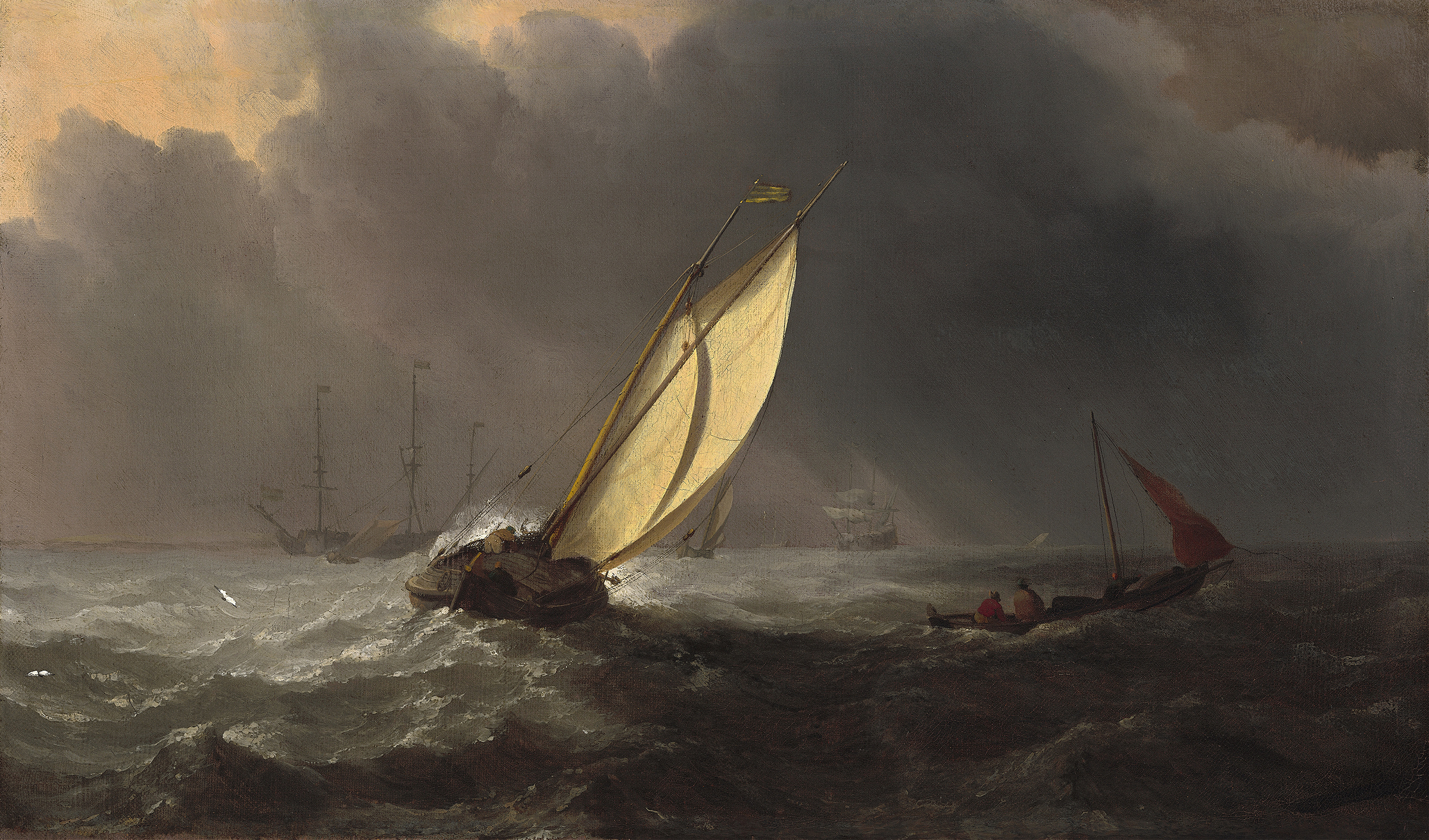
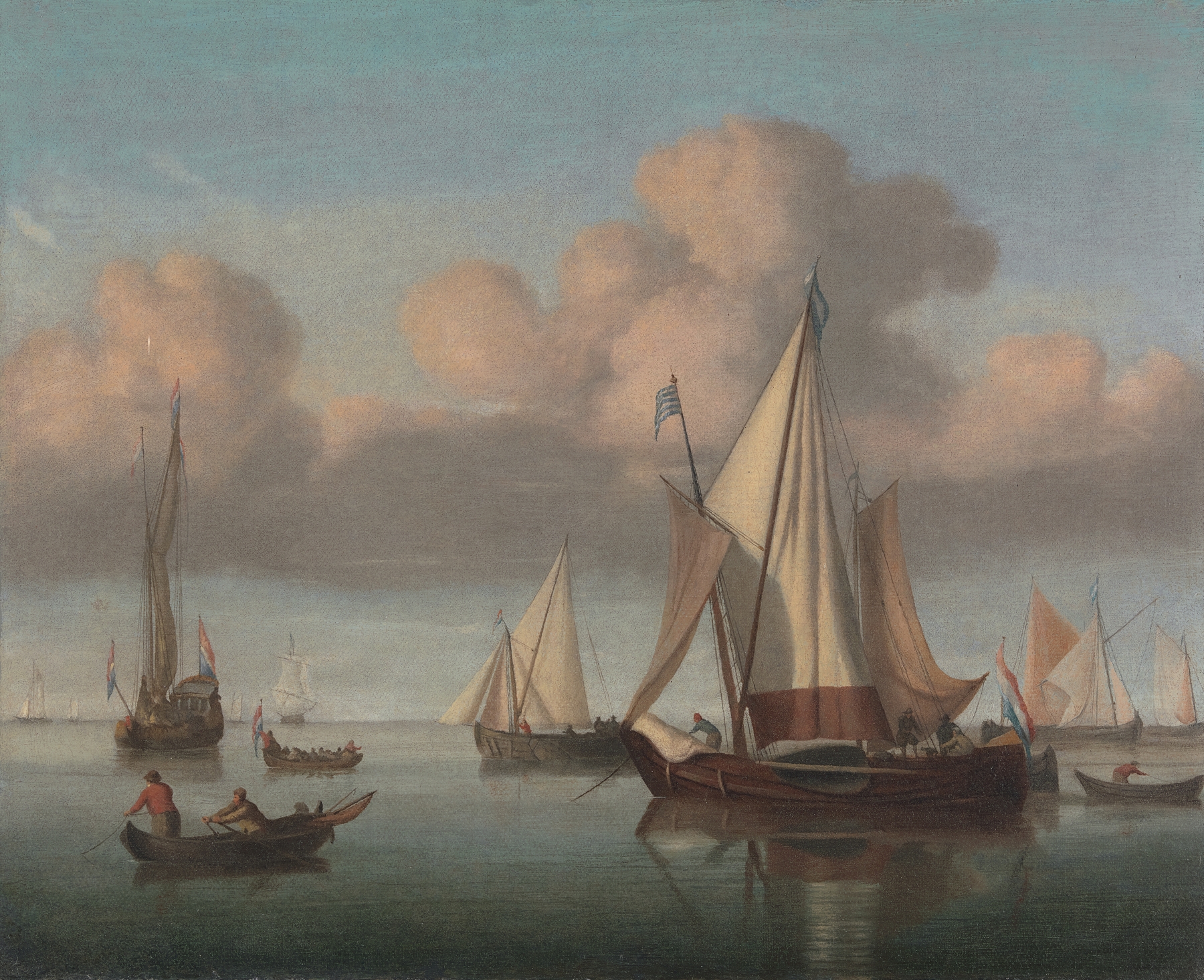
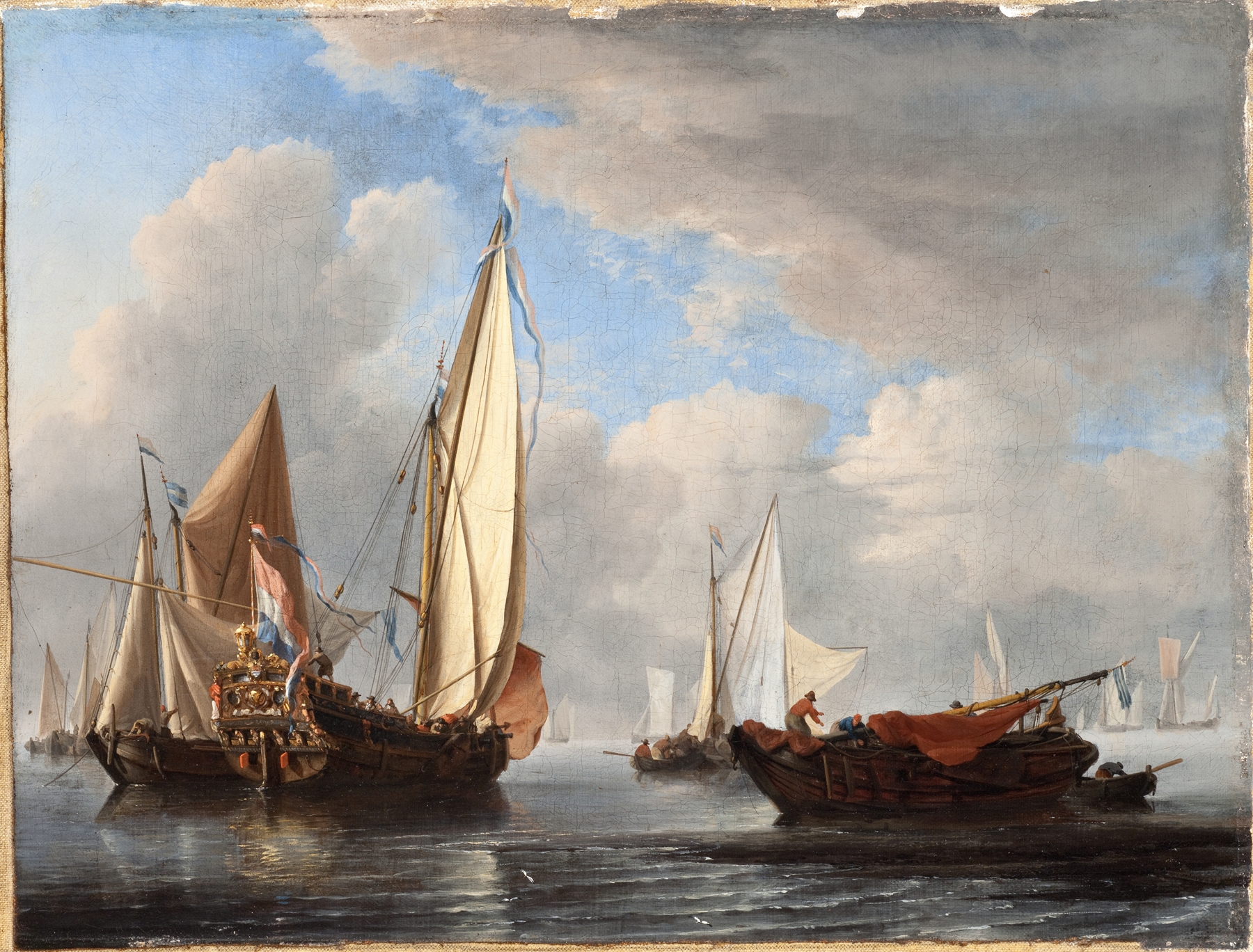
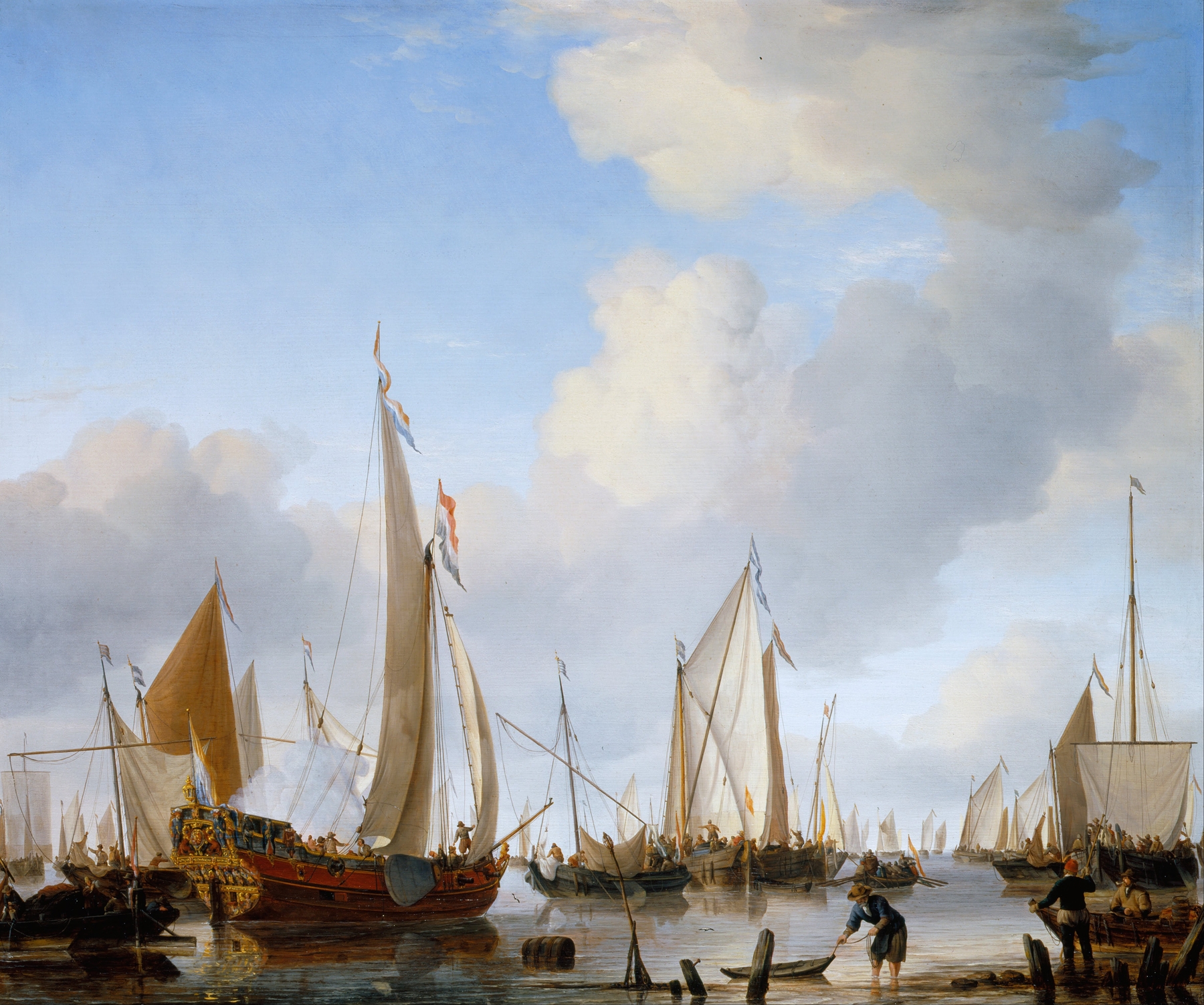
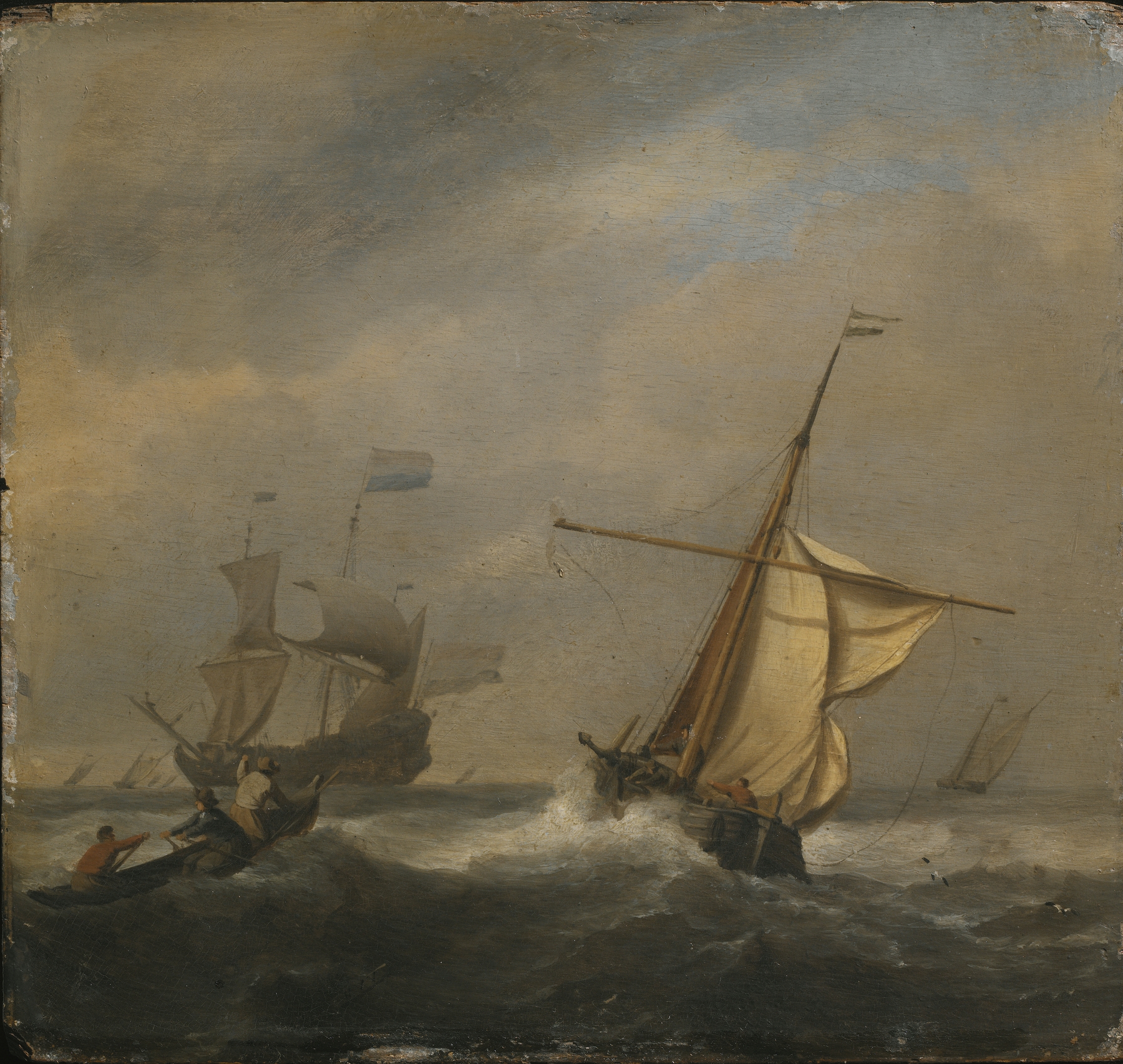
Can beauty exist without sorrow? In the tumultuous dance of waves and boats, the delicate balance of chaos and calm reveals the essence of our existence. Look closely at the foreground of the canvas, where the fishing boats are anchored, their weather-beaten sails reflecting hues of faded blue and muted gray. Each vessel seems to embody a unique character, with their lines telling tales of countless storms weathered at sea.
Notice how the light breaks through the clouds, casting a silvery glow on the choppy water, highlighting the tension between tranquility and turmoil. The careful strokes of the brush evoke movement, immersing you in the rich narrative of daily life intertwined with nature's unpredictable forces. Beyond the surface, the interplay of light and shadow hints at deeper undertones within the scene. The chaos of the turbulent sea juxtaposed against the steadfastness of the boats speaks to the resilience of human spirit in the face of adversity.
Perhaps the slight tilt of some boats signifies the precarious balance of existence—an acknowledgment that life thrives amidst turmoil. The colors, subdued yet profound, echo the emotional landscape of those who rely on the sea for sustenance, wrestling with the beauty and danger it presents. Willem van de Velde the Younger created this work during the 17th century, a period marked by significant naval advancements and a flourishing interest in maritime themes. As a prominent marine painter, he often captured the bustling life of harbors and seas, reflecting not only his personal experiences along the Dutch coastline but also the broader historical context of trade and exploration during the Dutch Golden Age.