
Flowers in a Stone Vase — History & Facts
A single, curling poppy leans out of the dense bouquet, its petals a burst of scarlet against the dark, velvety background—a deliberate invitation for the viewer to step closer. The eye is drawn next to the delicate interplay of textures: the waxy gloss of magnolia petals, the ruffled softness of roses, the crisp veins of tulip leaves. Each bloom is painted with a precision that demands attention, yet nothing feels static; the stems twist and overlap, caught in a moment of lively disorder.
At the base, a lizard creeps along the stone ledge, its presence a sly reminder of the natural world’s unpredictability and the fleetingness of beauty. The light, falling from the left, carves out each form with quiet drama, giving the flowers a sculptural presence and the shadows a sense of depth. Painted in 1670, Flowers in a Stone Vase by Abraham Jansz. Begeyn belongs to the Dutch Golden Age tradition of flower painting—a genre prized by collectors for its technical challenge and symbolic richness.
In this period, such works were often commissioned by prosperous burghers eager to display both their wealth and their taste for the exotic, as many of these blooms were rare imports. The inclusion of insects and reptiles, as seen here, was not mere decoration but a coded reminder of mortality and the cycles of nature: memento mori for the domestic interior. While history has kept few traces of this specific painting beyond its date and presence in the Web Gallery of Art, its lush detail and careful arrangement invite the viewer to linger, searching for meaning in every petal and shadow.
More Artworks by Abraham Jansz. Begeyn

Landscape with people and cattle
Abraham Jansz. Begeyn
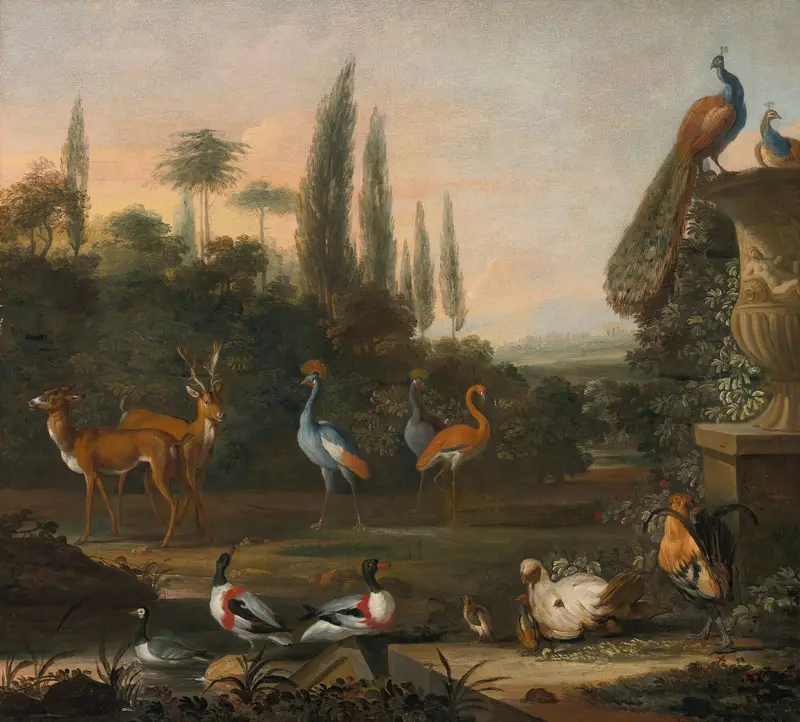
Landscape with deer and exotic birds
Abraham Jansz. Begeyn
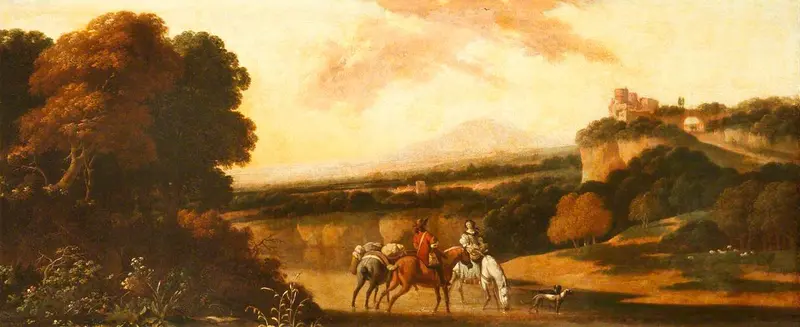
Landscape with Travellers
Abraham Jansz. Begeyn
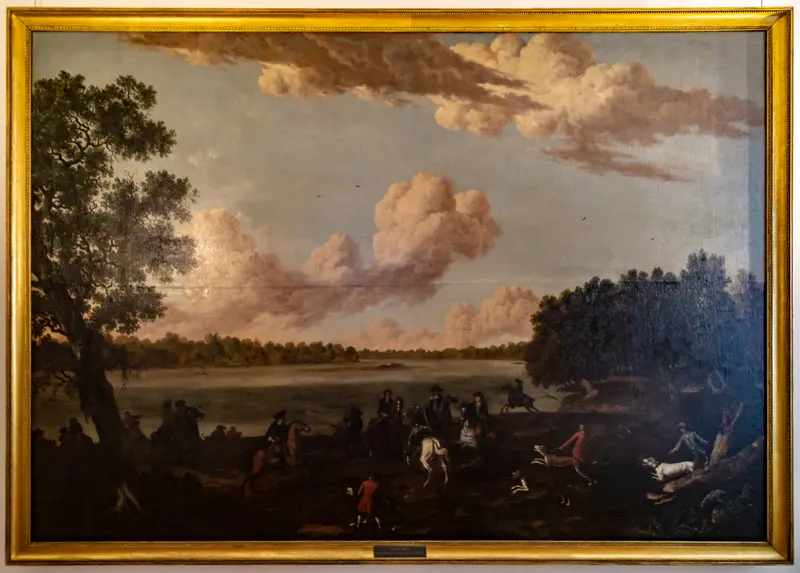
Prince Elector Frederick III of Prussia hunting at the Havel
Abraham Jansz. Begeyn
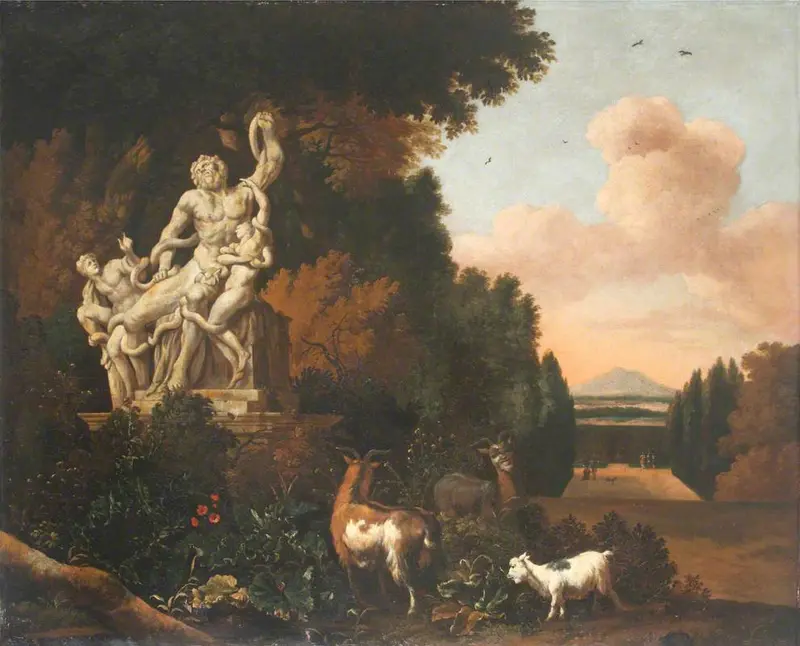
Landscape with Goats and a Statue of Laocoön
Abraham Jansz. Begeyn
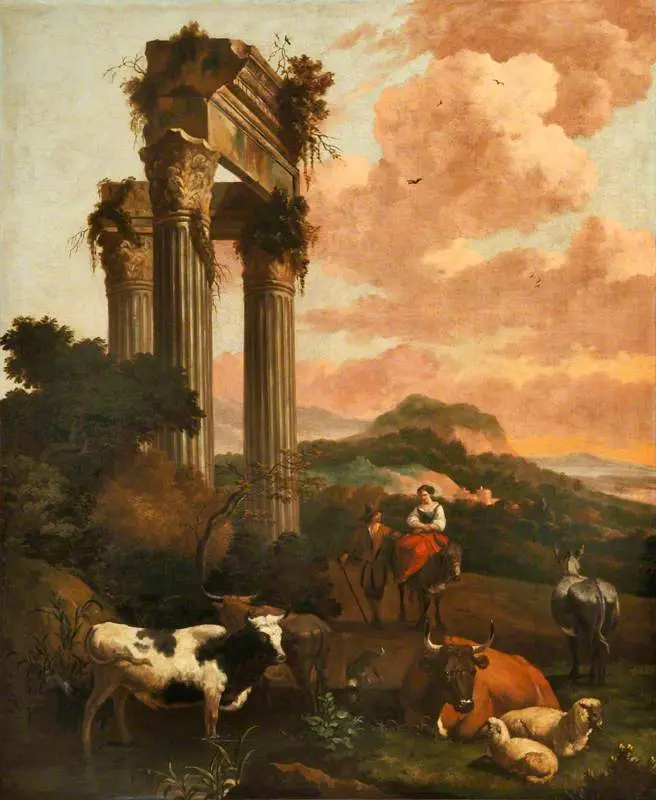
Landscape with Figures, Cattle and Sheep among Classical Ruins
Abraham Jansz. Begeyn
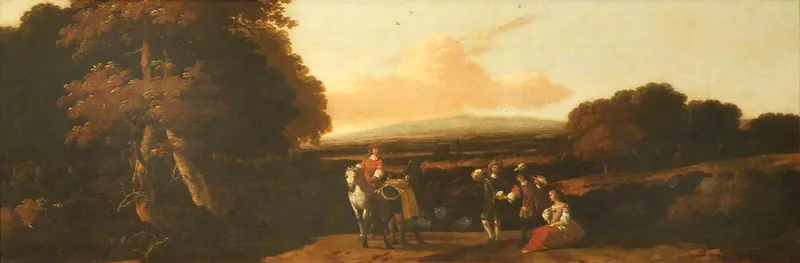
Landscape with Figures on a Road
Abraham Jansz. Begeyn
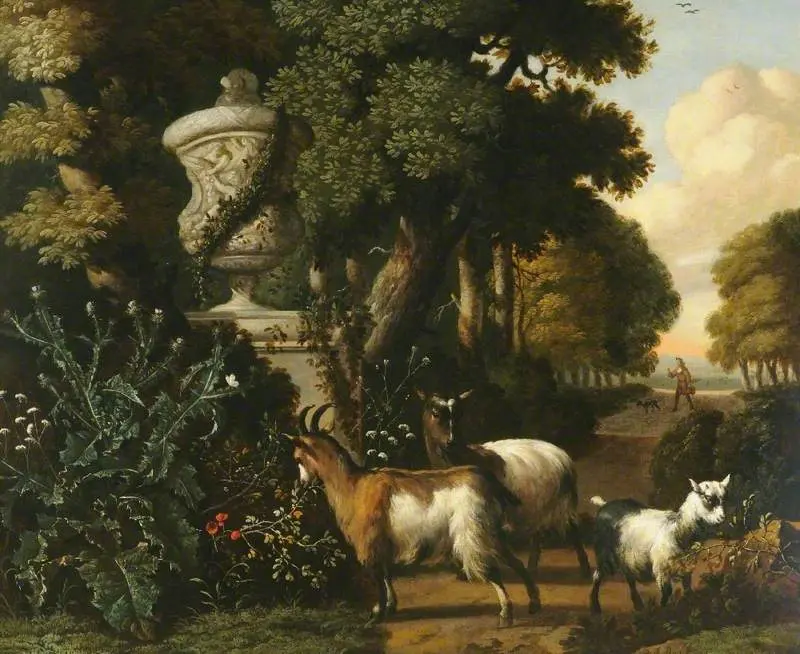
Landscape with Goats
Abraham Jansz. Begeyn
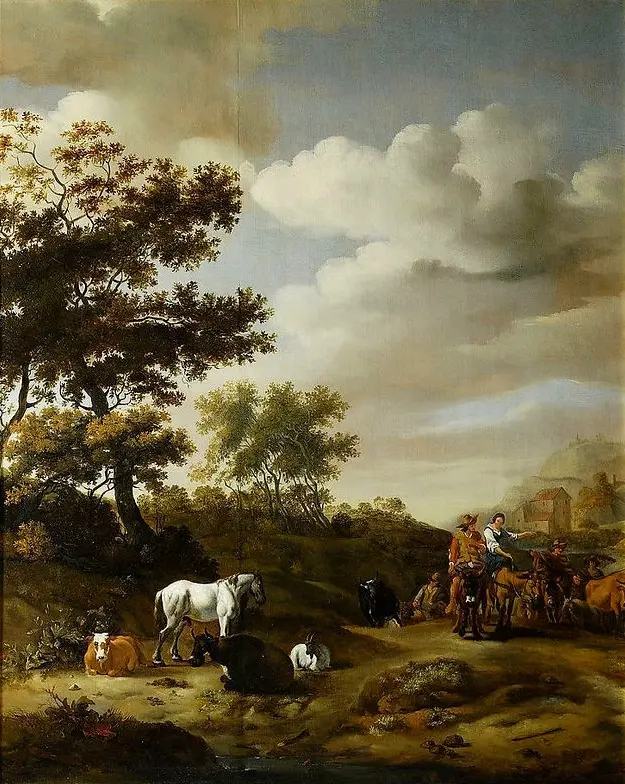
Landscape with travelers and cattle.
Abraham Jansz. Begeyn
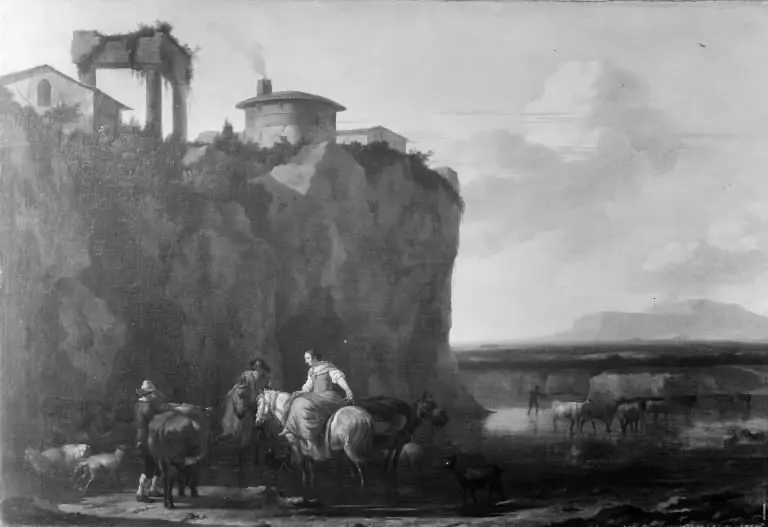
The Ford
Abraham Jansz. Begeyn





