
Landscape with Goats and a Statue of Laocoön — History & Facts
A marble Laocoön writhes in the dappled shade, his agony frozen in stone while goats graze indifferently at his feet—a collision of myth and everyday life that immediately unsettles and intrigues. The sculpted drama of Laocoön and his sons, their bodies entwined with serpents, is set not in the ruins of Troy but in a manicured garden, half-swallowed by foliage and shadow. The painter, Abraham Jansz.
Begeyn, leads the eye from this monument of human struggle to the tranquil, sunlit avenue beyond, where distant figures stroll beneath a sky brushed with rose and gold. The goats, oblivious to the ancient suffering behind them, nibble at lush greenery, their calm underscoring the statue’s silent torment. Painted in 1673, this scene belongs to a world where the classical past was both a source of inspiration and a fashionable ornament for the wealthy. In the late seventeenth century, Dutch and Flemish artists like Begeyn often conjured Italianate landscapes that blended myth, memory, and the pleasures of estate life.
Such paintings were prized by collectors eager to display both their taste and their learning, filling their homes with visions of Arcadia and antiquity. History has kept few traces of this particular canvas’s journey, but its presence in the Art UK collection today invites us to linger, to puzzle over the uneasy meeting of legend and leisure, and to wonder what stories the goats would tell if they could see what stands behind them.
More Artworks by Abraham Jansz. Begeyn

Landscape with people and cattle
Abraham Jansz. Begeyn
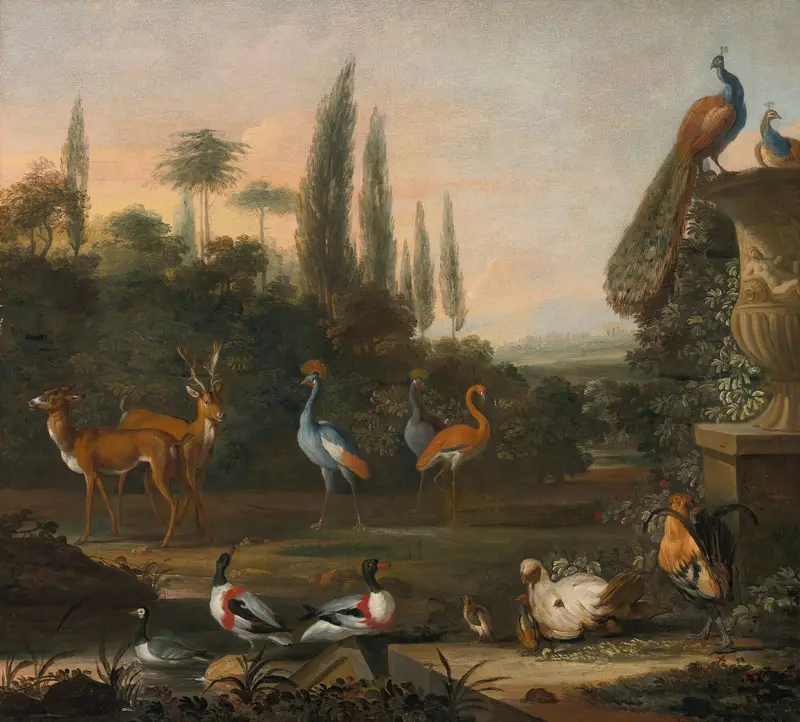
Landscape with deer and exotic birds
Abraham Jansz. Begeyn
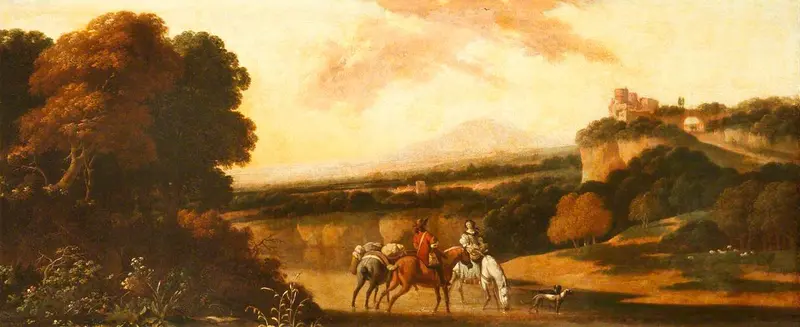
Landscape with Travellers
Abraham Jansz. Begeyn
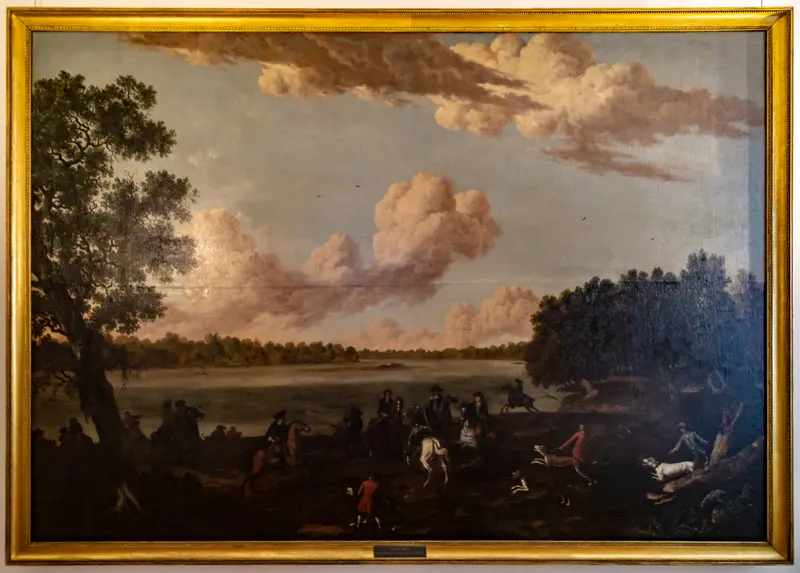
Prince Elector Frederick III of Prussia hunting at the Havel
Abraham Jansz. Begeyn
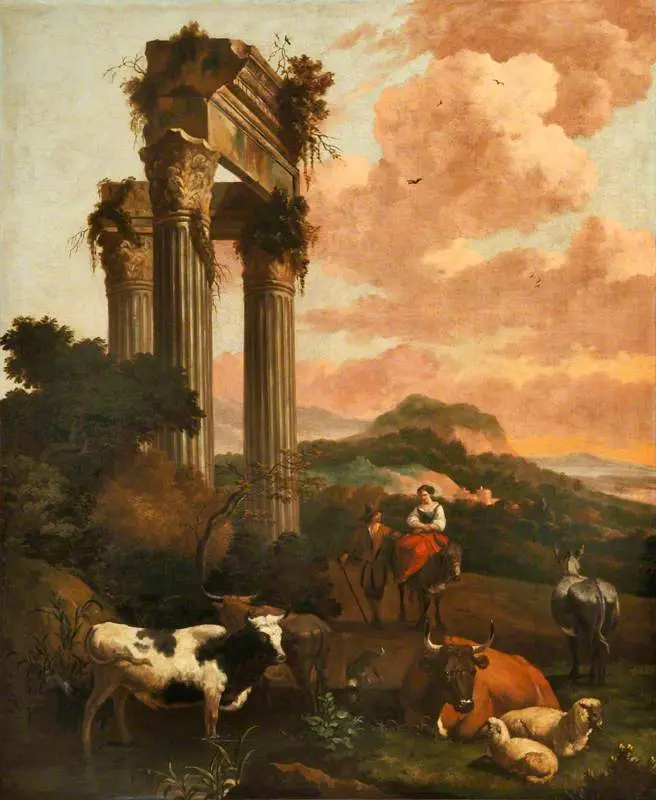
Landscape with Figures, Cattle and Sheep among Classical Ruins
Abraham Jansz. Begeyn
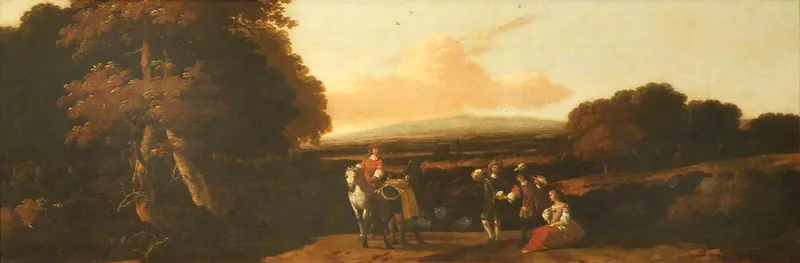
Landscape with Figures on a Road
Abraham Jansz. Begeyn
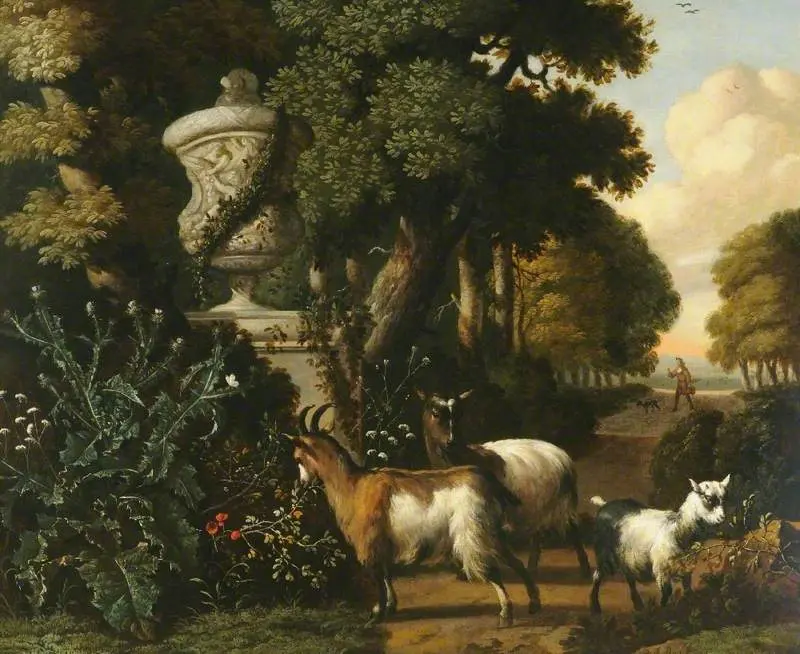
Landscape with Goats
Abraham Jansz. Begeyn
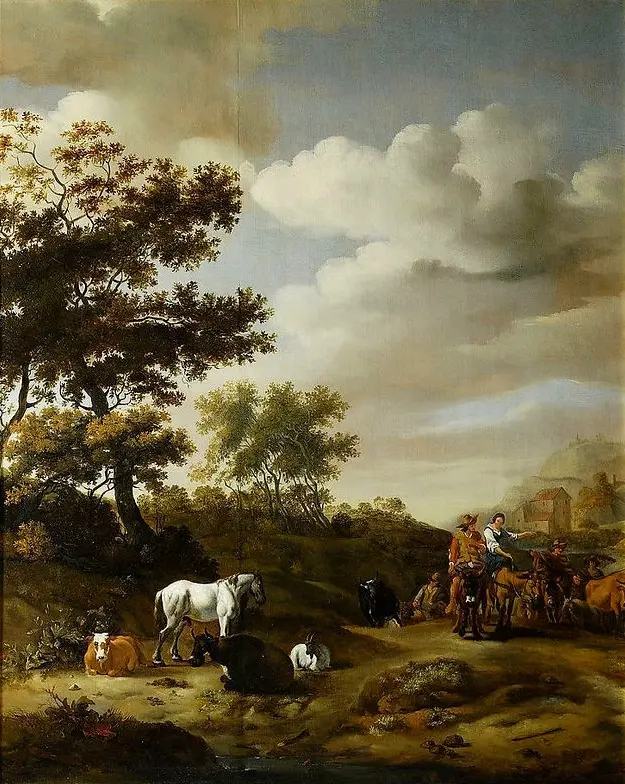
Landscape with travelers and cattle.
Abraham Jansz. Begeyn
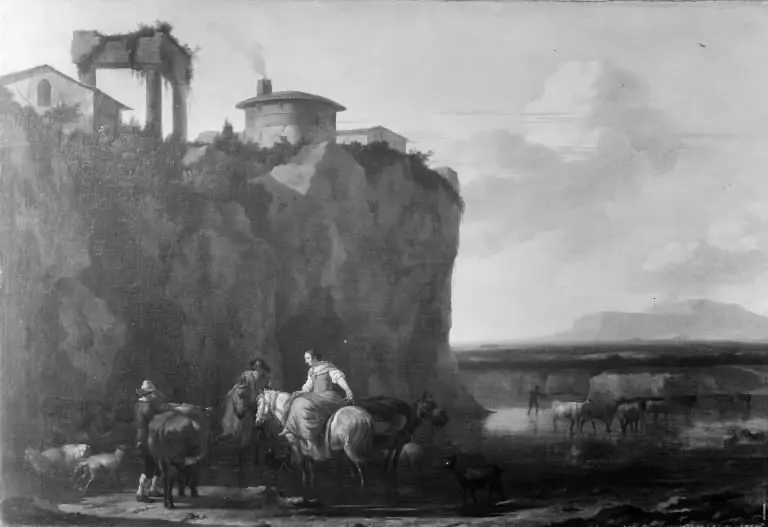
The Ford
Abraham Jansz. Begeyn
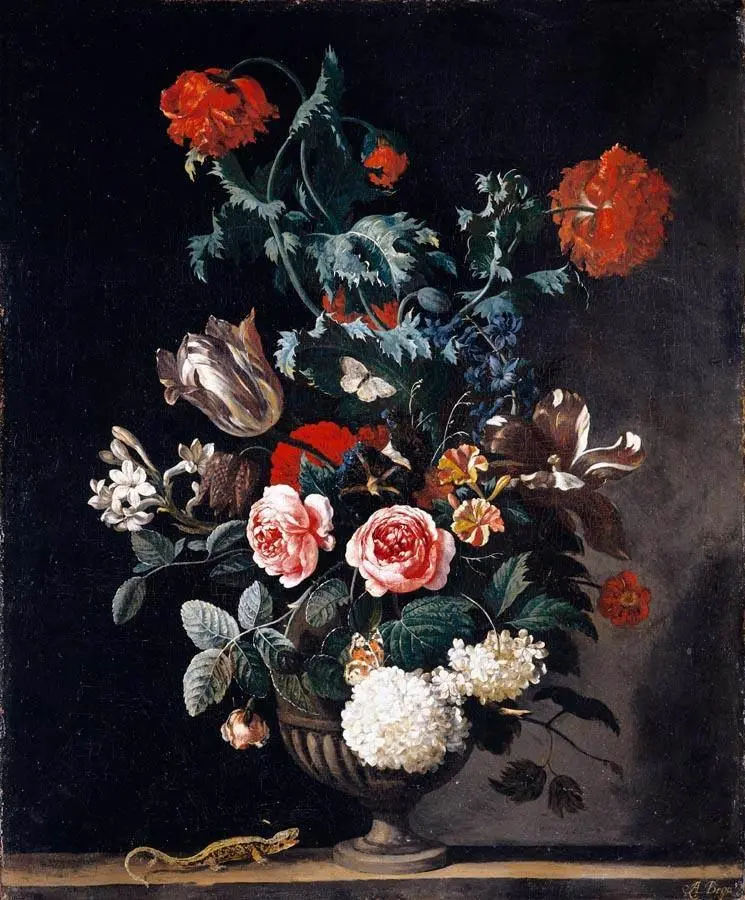
Flowers in a Stone Vase
Abraham Jansz. Begeyn
More Landscape Art

The Starry Night
Vincent van Gogh

View of Delft
Johannes Vermeer

Water Lilies
Claude Monet

The Grand Canal, Venice, looking north-west from the Ca' Corner to the Ca' Contarini degli Scrigni, with the campanile of Santa Maria della Carità
Canaletto

Windsor Castle
Canaletto

The Grand Canal looking North-East from the Palazzo Dolfin-Manin to the Rialto Bridge
Canaletto