Discover insights about this artwork
Flowers — History & Facts
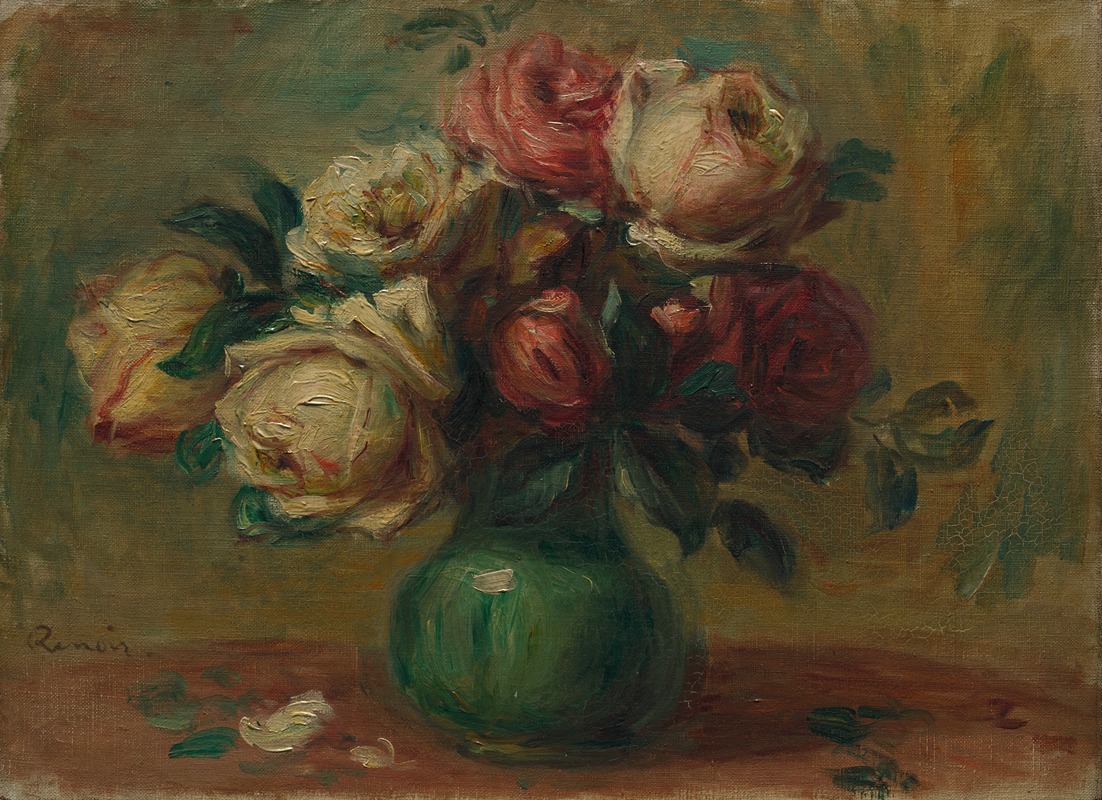
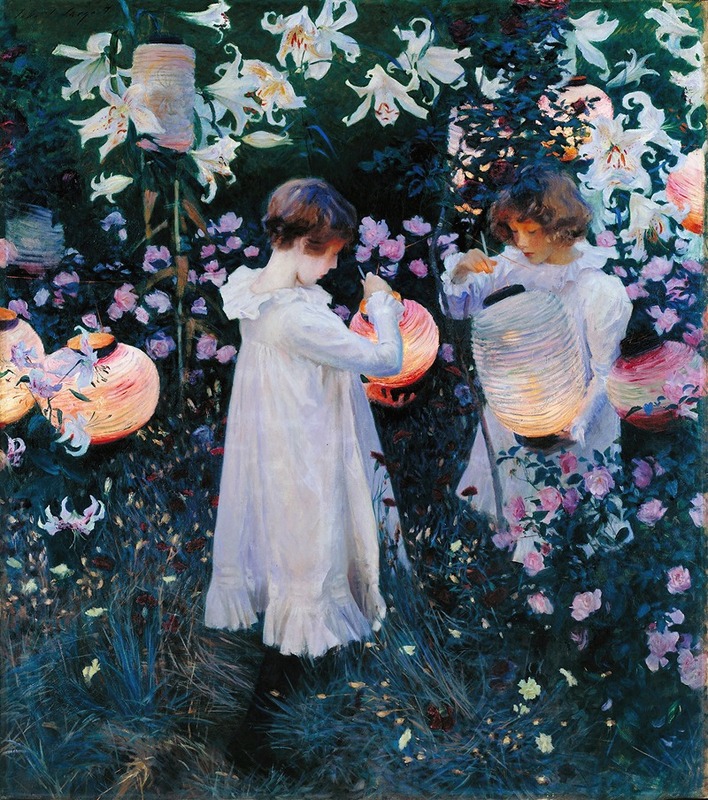
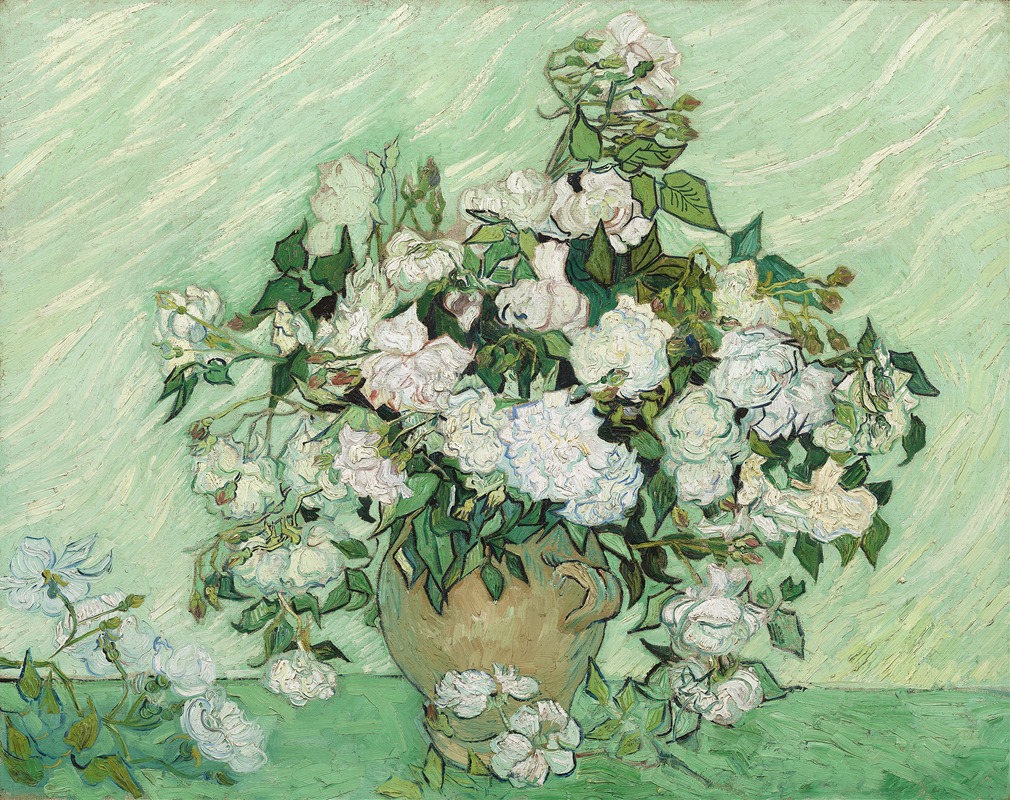
In Flowers, Paul Cézanne presents a vibrant arrangement of blossoms. The painting features a rich palette of colors, including deep reds, bright yellows, and soft whites. Each flower is depicted with a unique shape and texture, creating a lively composition.
The background is softly blurred, allowing the flowers to stand out prominently. Cézanne's technique in this work is characterized by bold brushstrokes and a focus on form. The flowers are painted with a sense of volume and depth, achieved through the use of light and shadow. The overall composition is balanced, with flowers arranged in a way that draws the viewer's eye across the canvas.
The painting exemplifies the Post-Impressionist style, emphasizing the artist's personal interpretation of nature. Paul Cézanne was a pivotal figure in the transition from Impressionism to modern art. This painting reflects his innovative approach to still life, where he sought to capture the essence of his subjects rather than just their appearance. An interesting fact about Flowers is that it showcases Cézanne's exploration of color theory, using complementary colors to enhance the vibrancy of the flowers.
This work is a testament to his influence on future generations of artists.
More Artworks by Paul Cézanne
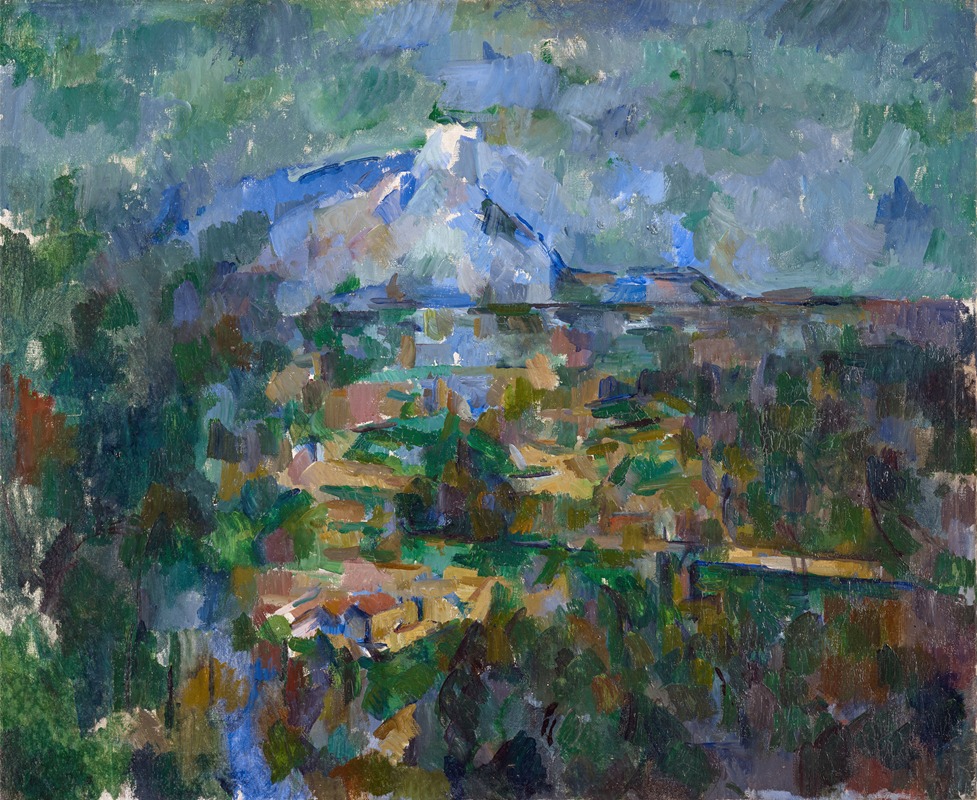
The Mont Sainte-Victoire Seen From Les Lauves
Paul Cézanne
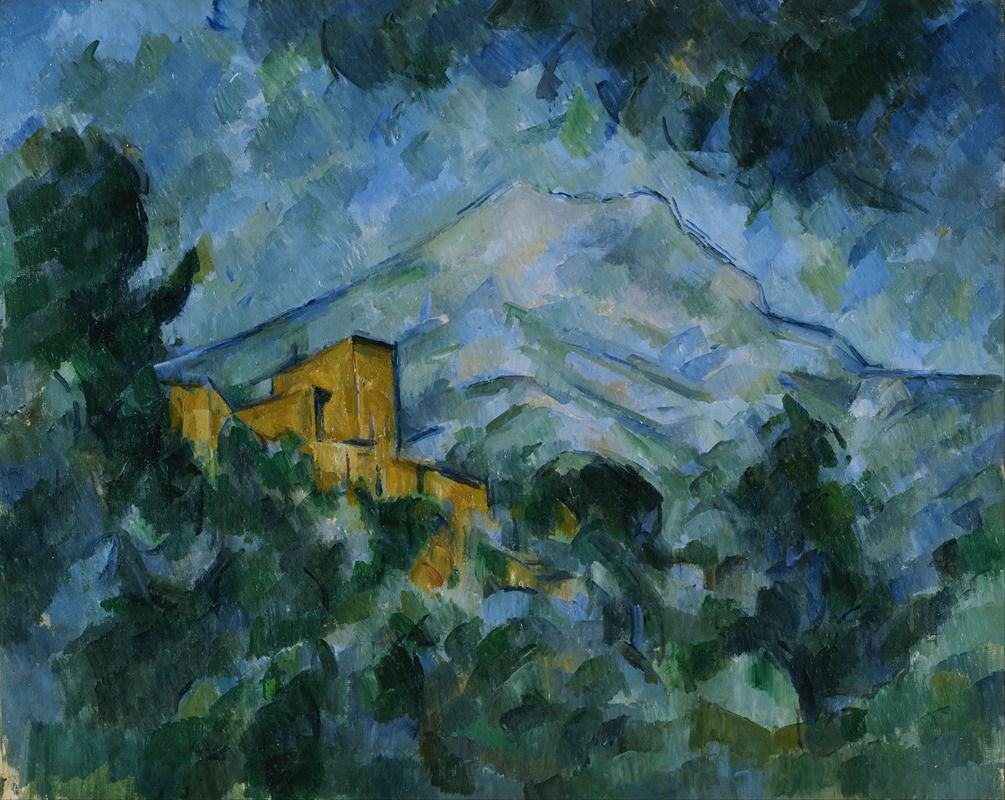
Mont Sainte-Victoire and Château Noir
Paul Cézanne
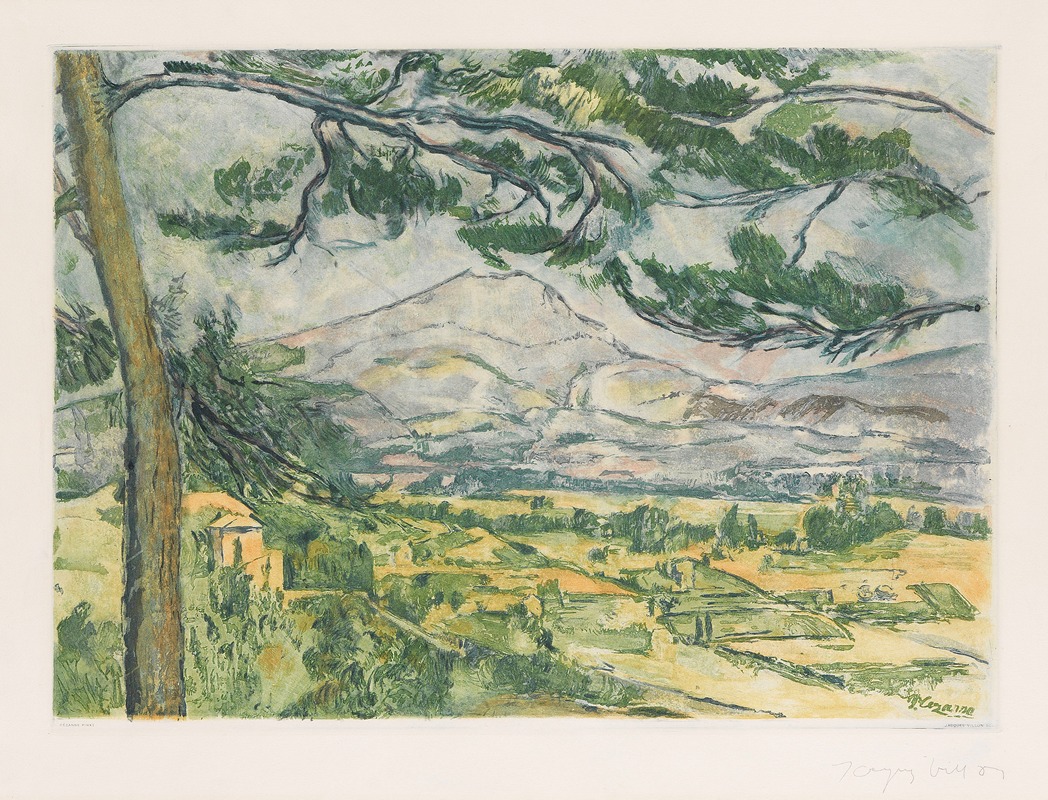
La Montagne Sainte-Victoire
Paul Cézanne
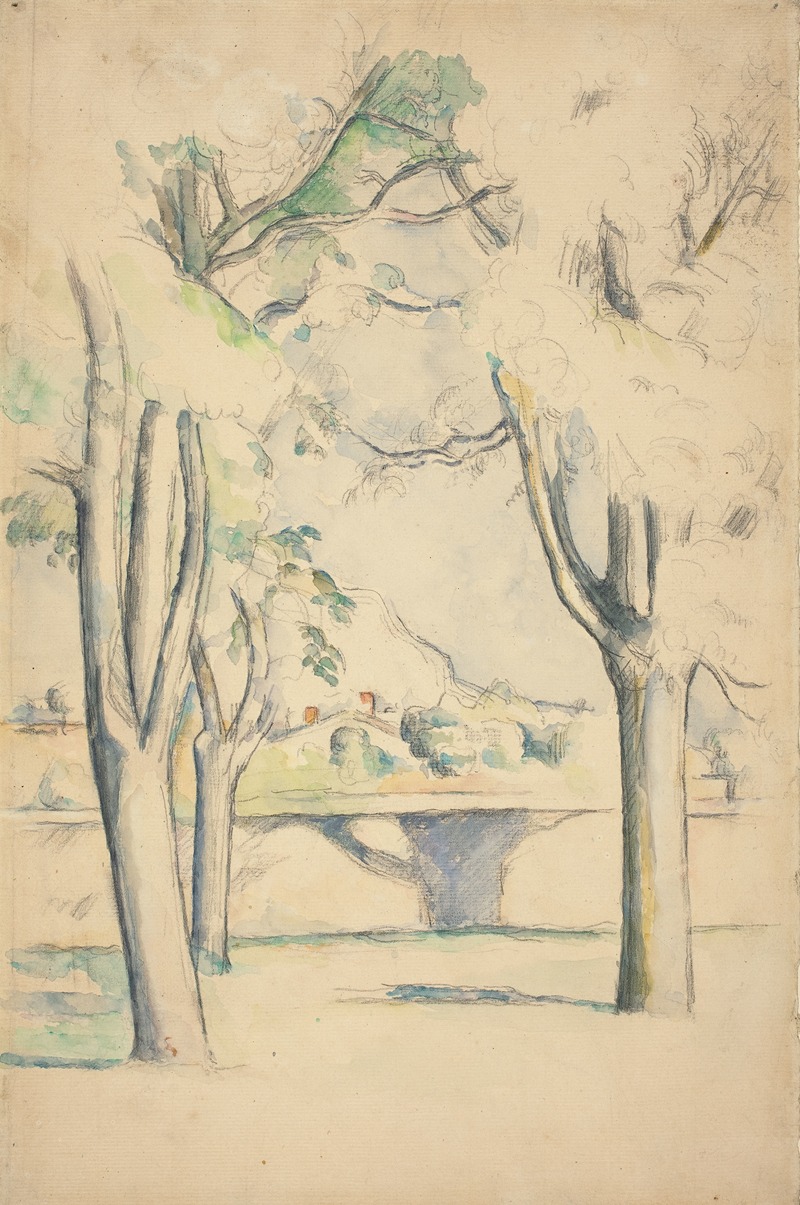
Mont Sainte-Victoire Seen beyond the Wall of the Jas de Bouffan
Paul Cézanne
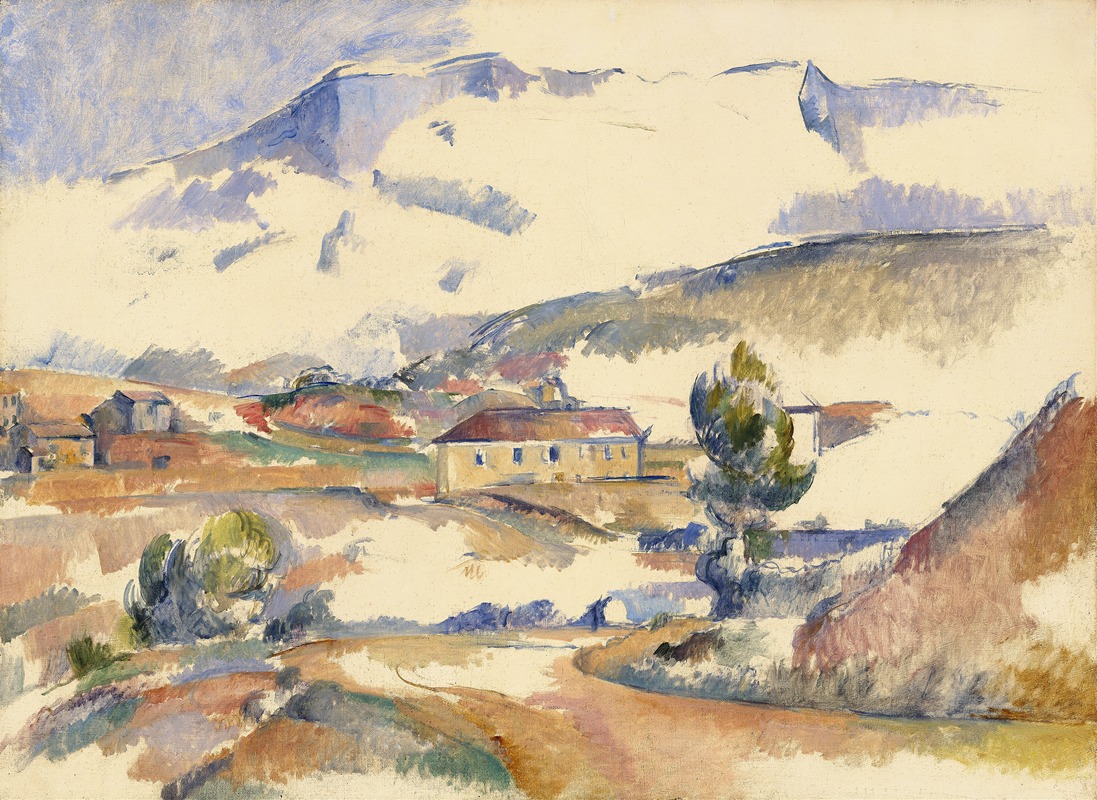
Montagne Sainte-Victoire,from near Gardanne
Paul Cézanne
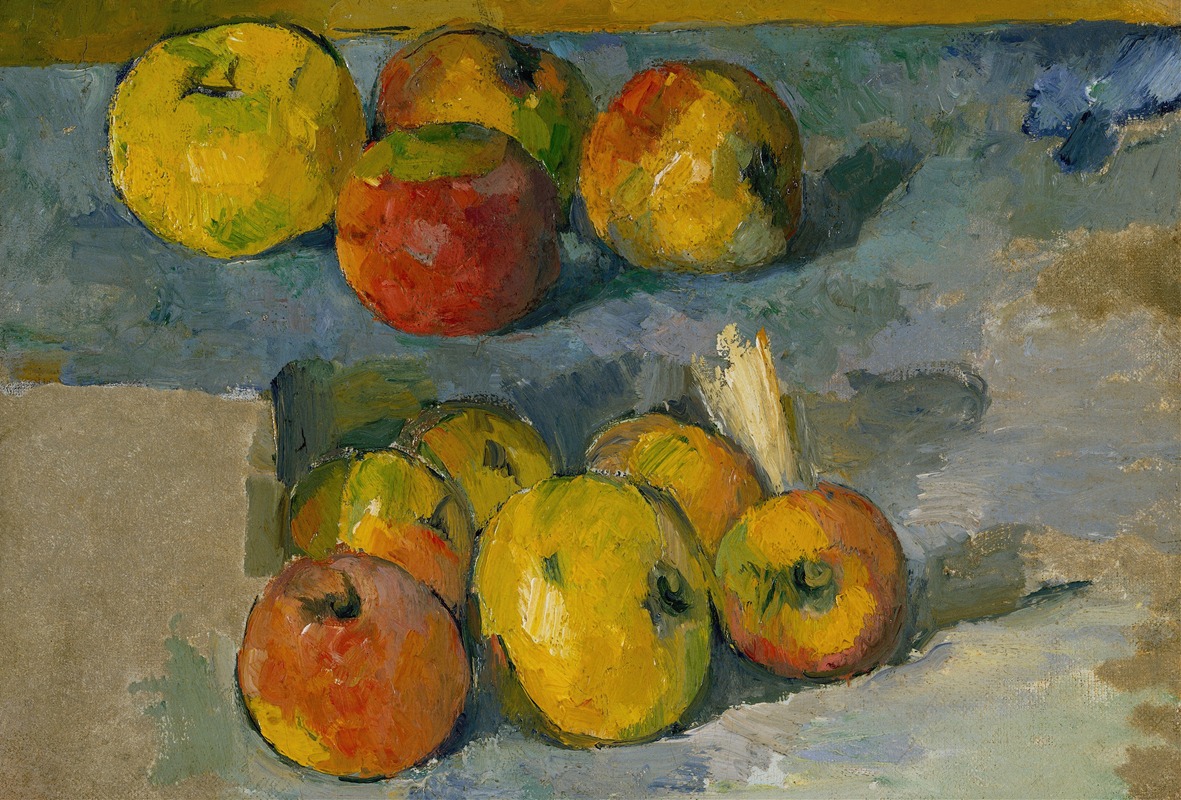
Apples
Paul Cézanne
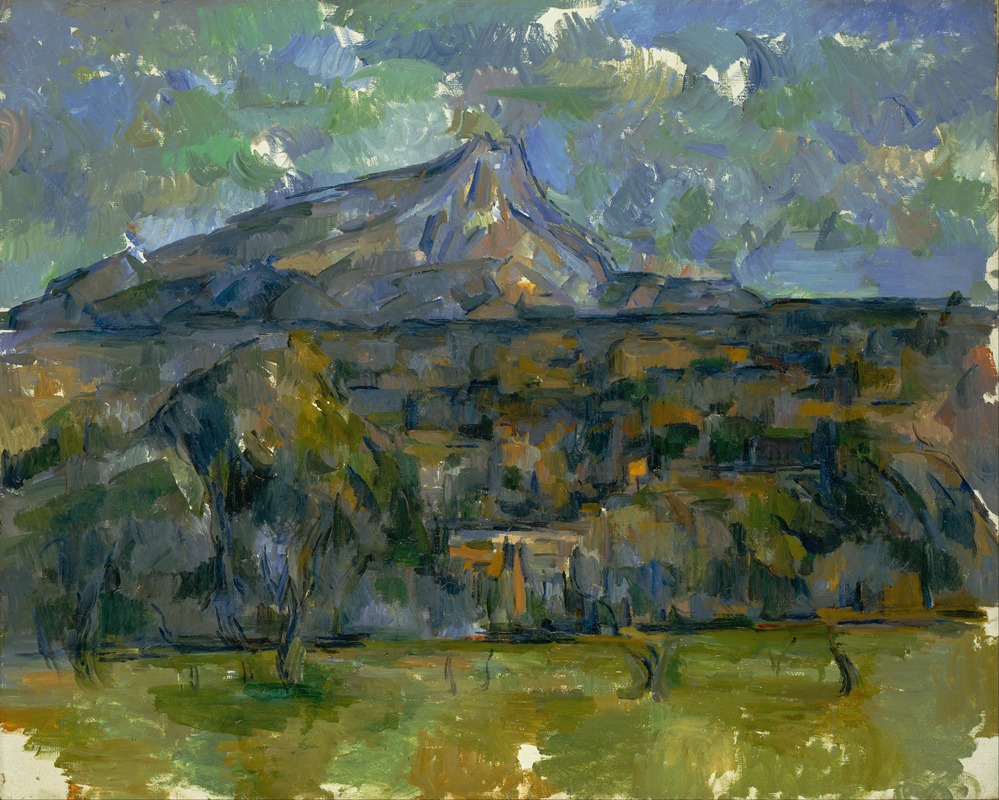
Mont Sainte-Victoire
Paul Cézanne
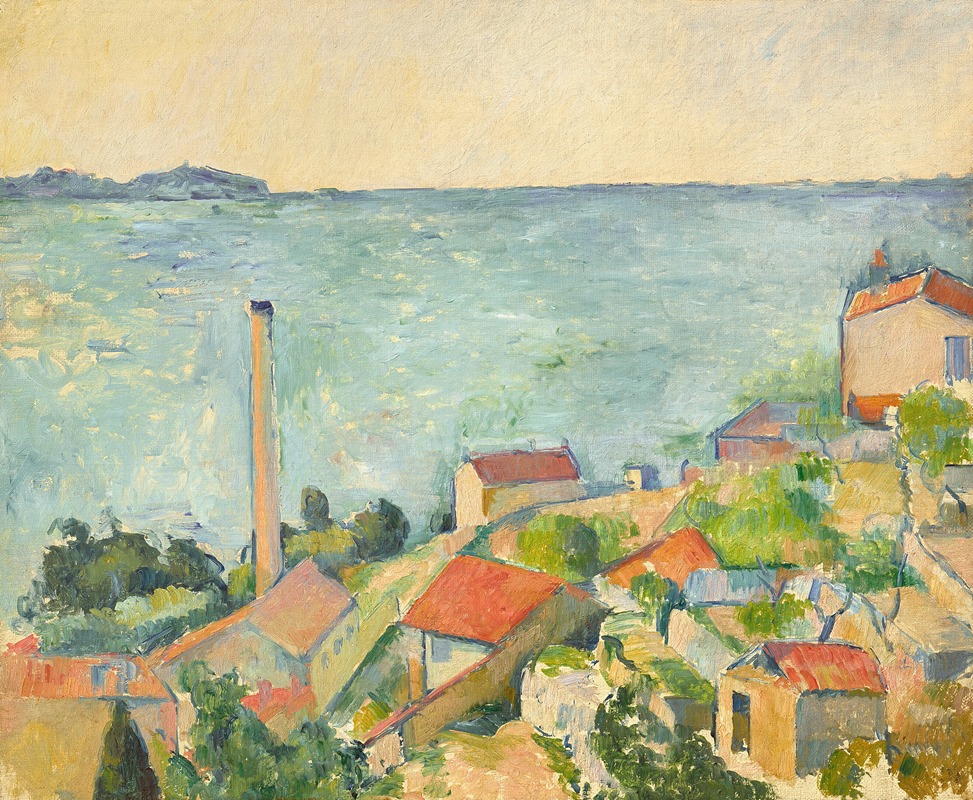
La mer à l’Estaque
Paul Cézanne
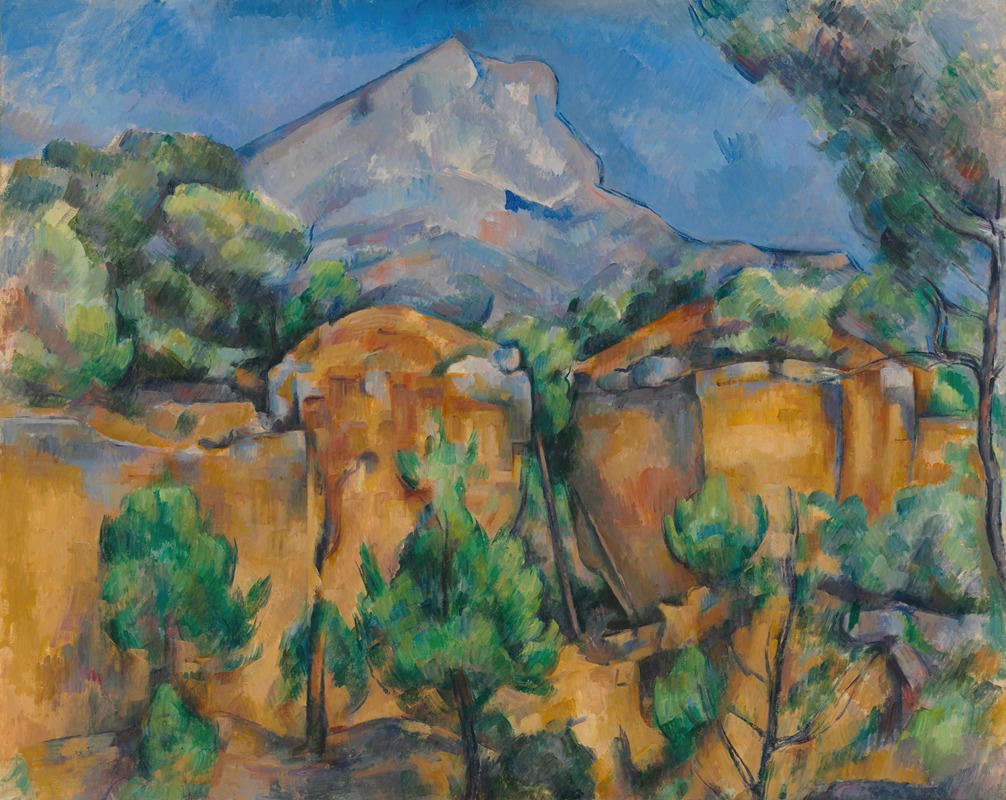
La Montagne Sainte-Victoire vue de la carrière Bibémus
Paul Cézanne
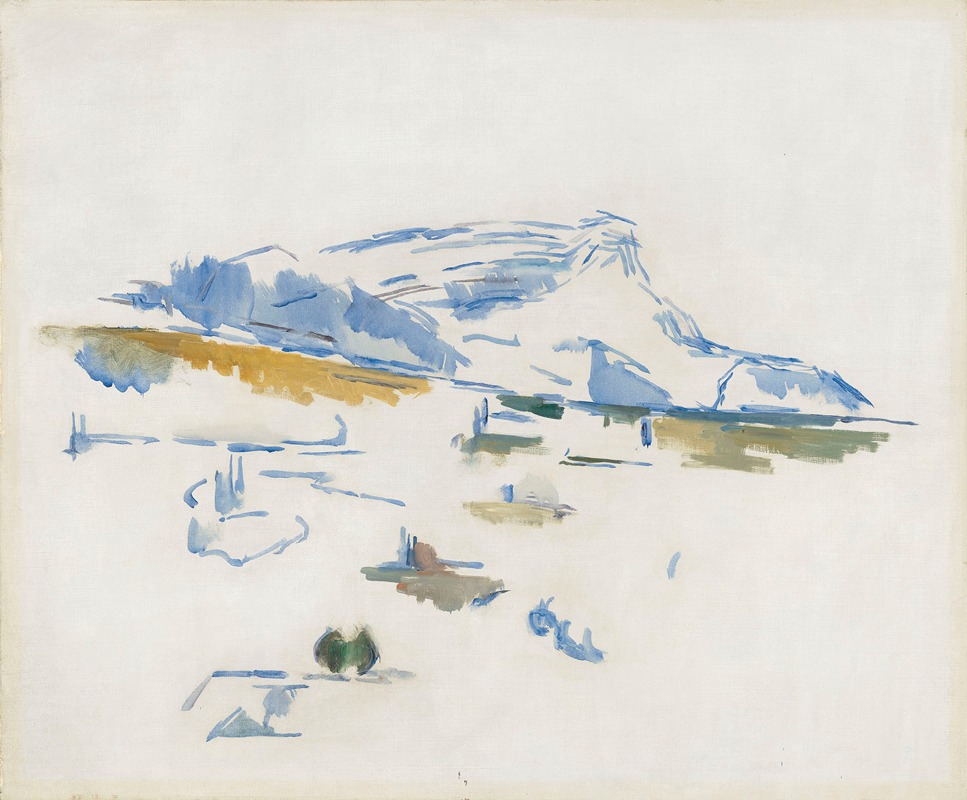
La Montagne Sainte-Victoire vue des Lauves
Paul Cézanne