
Fluitspelende herder — History & Facts
In the hush of an empty landscape, silence hangs heavy, punctuated only by the delicate notes of a distant flute. Here, a lone shepherd stands, his figure both solitary and serene, embodying a poignant yearning that resonates deeply with the essence of solitude. Look closely at the shepherd as he tilts his head, the gentle curve of his horn casting shadows on the soft earth beneath him. The muted hues of ochre and olive intertwine, drawing the eye to the contrasts between his weary expression and the vibrant life teeming in the lush backdrop.
Notice how the play of light dances across the scene, illuminating the gentle ripples of grass while leaving the corners in soft shadow, encapsulating the essence of a quiet afternoon. Yet, within this pastoral tranquility lies an undercurrent of disquiet. The shepherd's gaze, contemplative and distant, suggests an inner world grappling with emptiness amidst the beauty that surrounds him. The flute, with its sweet melody, becomes a paradox, evoking both joy and an echoing sense of absence.
It is a fleeting moment, frozen in time, where the harmony of nature contrasts starkly with the solitude of the individual. During the years 1630 to 1683, Nicolaes Pietersz Berchem painted Fluitspelende herder amidst the flourishing Dutch Golden Age. This period was marked by a profound exploration of genre scenes and landscapes, as artists sought to capture the everyday life and the beauty of the natural world. Berchem was influenced by his travels through Italy, bringing back a sense of romanticism that infused his work with emotive depth, reflecting not only the external world but also the introspective nature of human experience.
More Artworks by Nicolaes Pietersz Berchem
Browse all →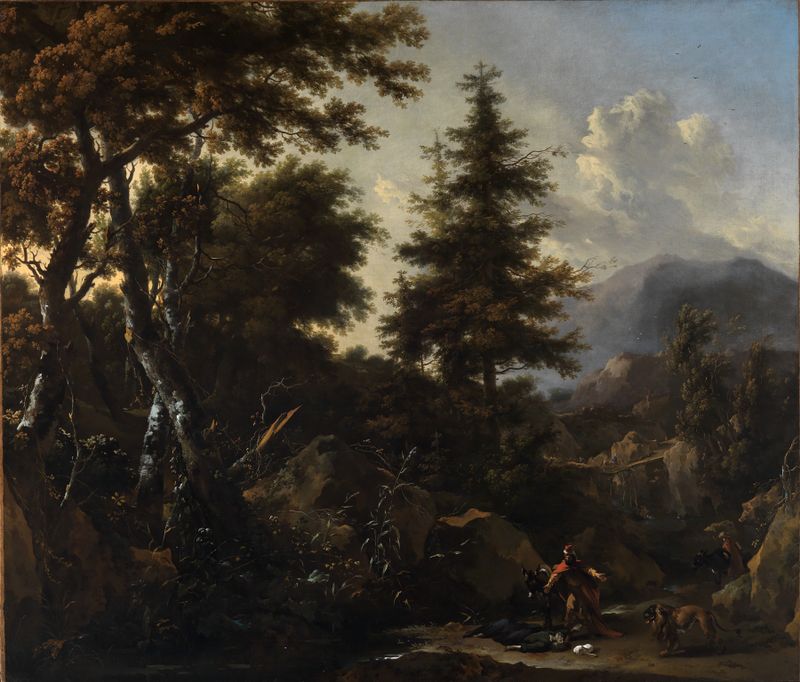
Schlucht im Bergwald mit alttestamentlicher Staffage
Nicolaes Pietersz Berchem
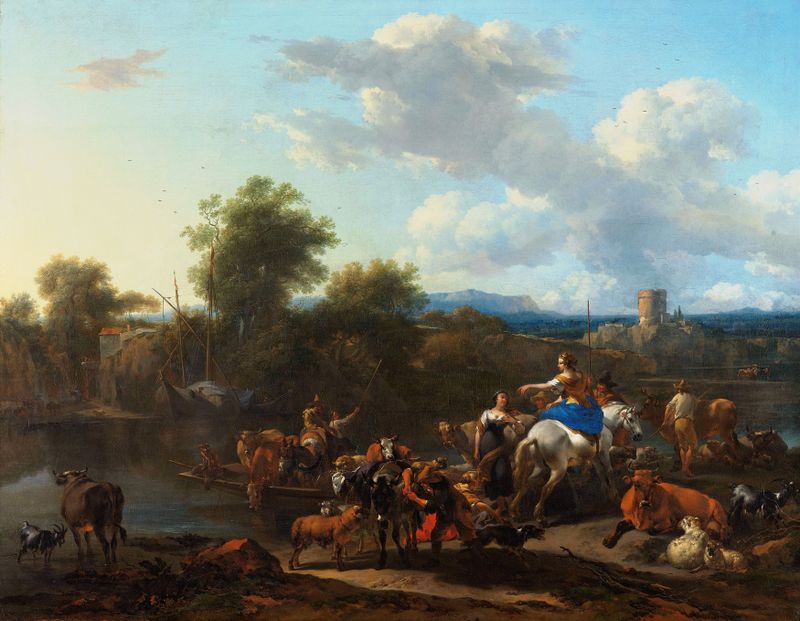
The Cattle Ferry
Nicolaes Pietersz Berchem
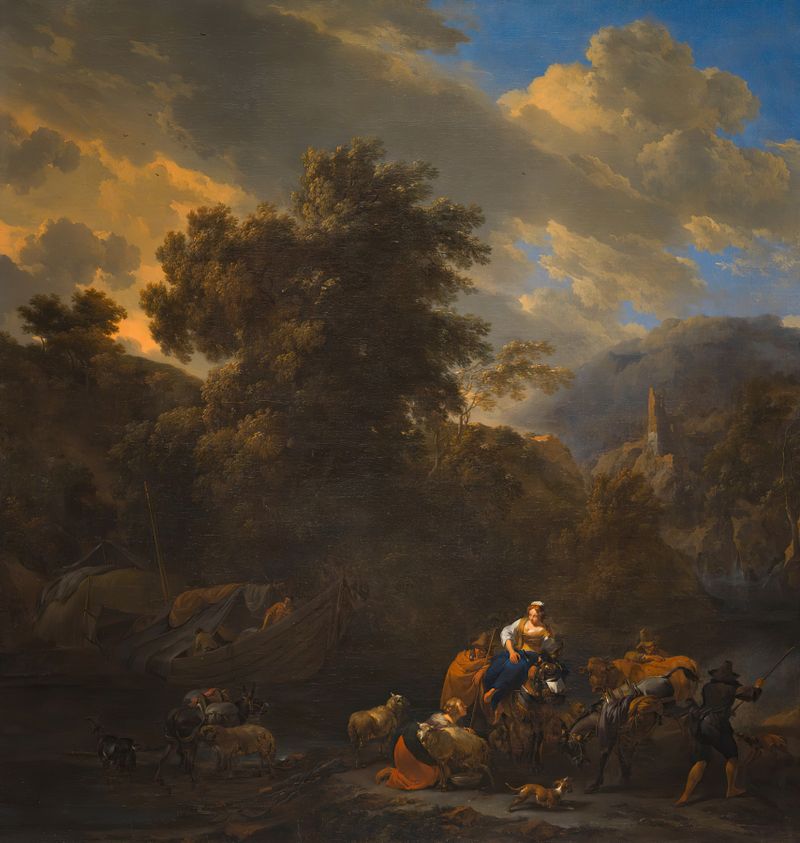
Italianate Landscape with Figures and Pack Animals on the Banks of a River
Nicolaes Pietersz Berchem
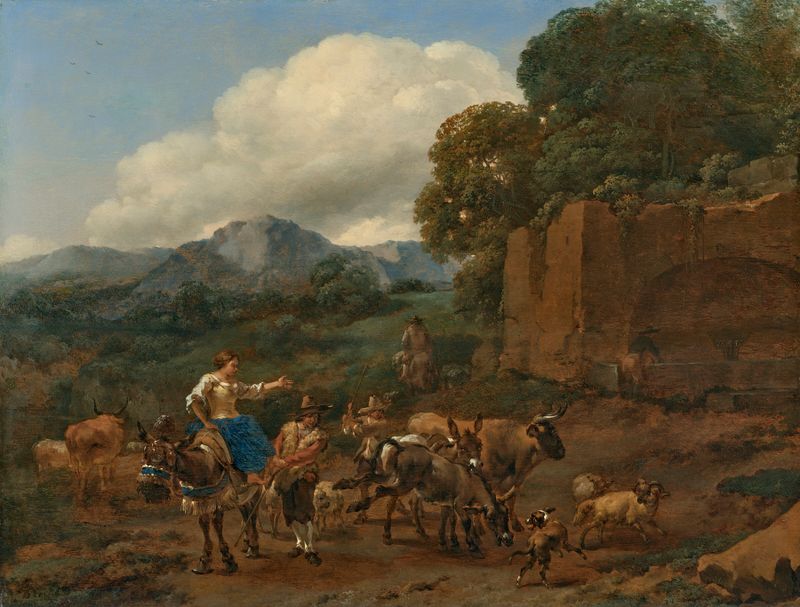
An Italianate landscape with a shepherdess on a mule and a shepherd, herding cattle, sheep, donkeys and dogs on a mountain track next to ruins
Nicolaes Pietersz Berchem
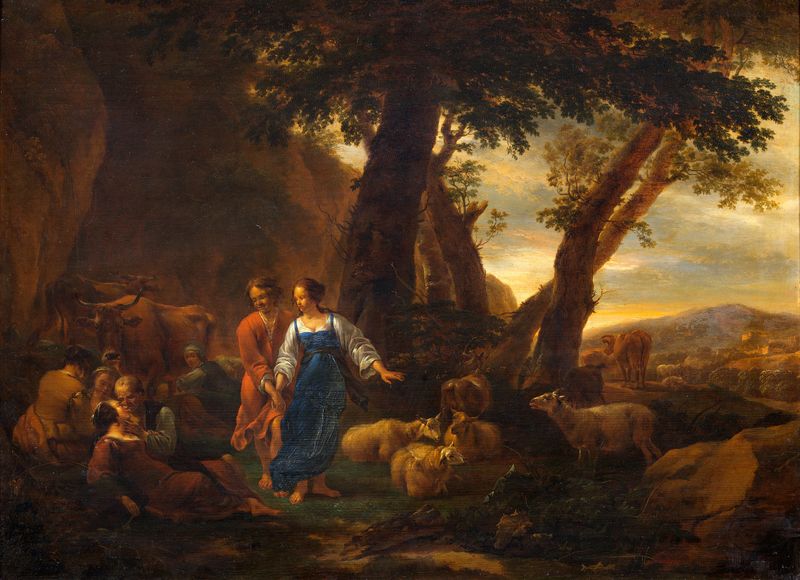
Landscape with Peasants and Cattle
Nicolaes Pietersz Berchem
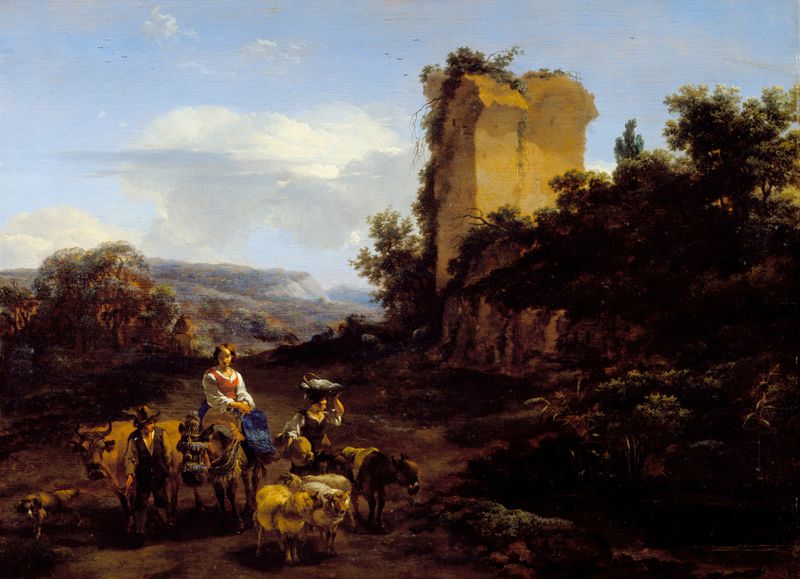
Landscape with Ruins and Travelers
Nicolaes Pietersz Berchem
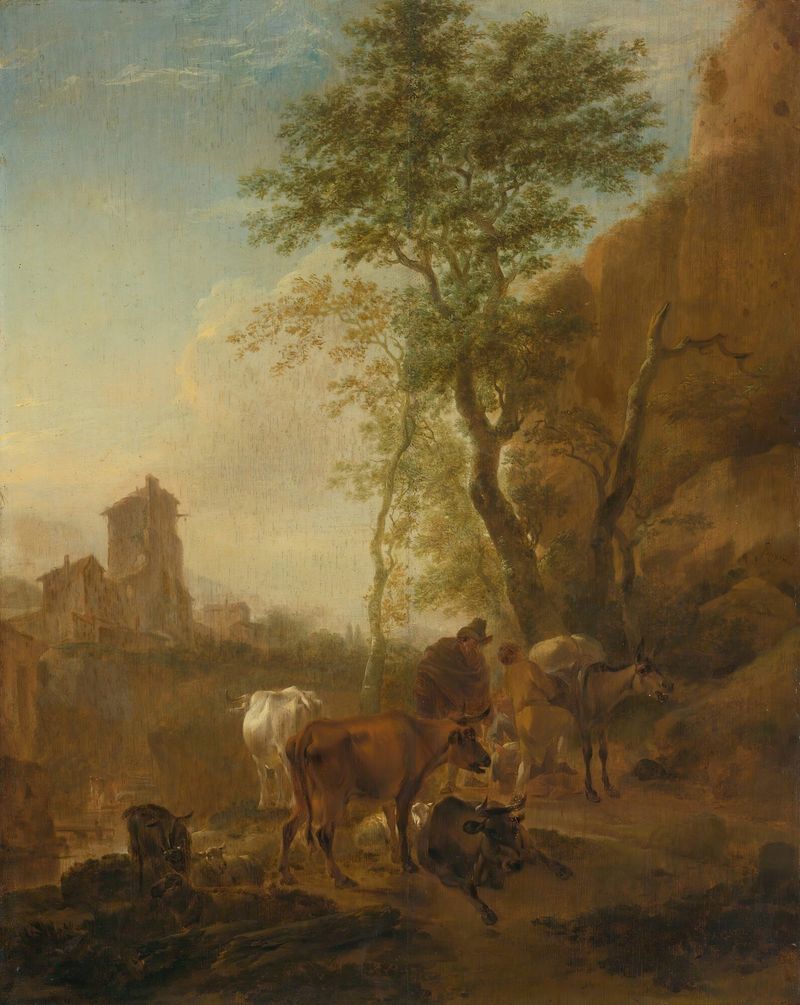
Italianate Landscape With Cows
Nicolaes Pietersz Berchem
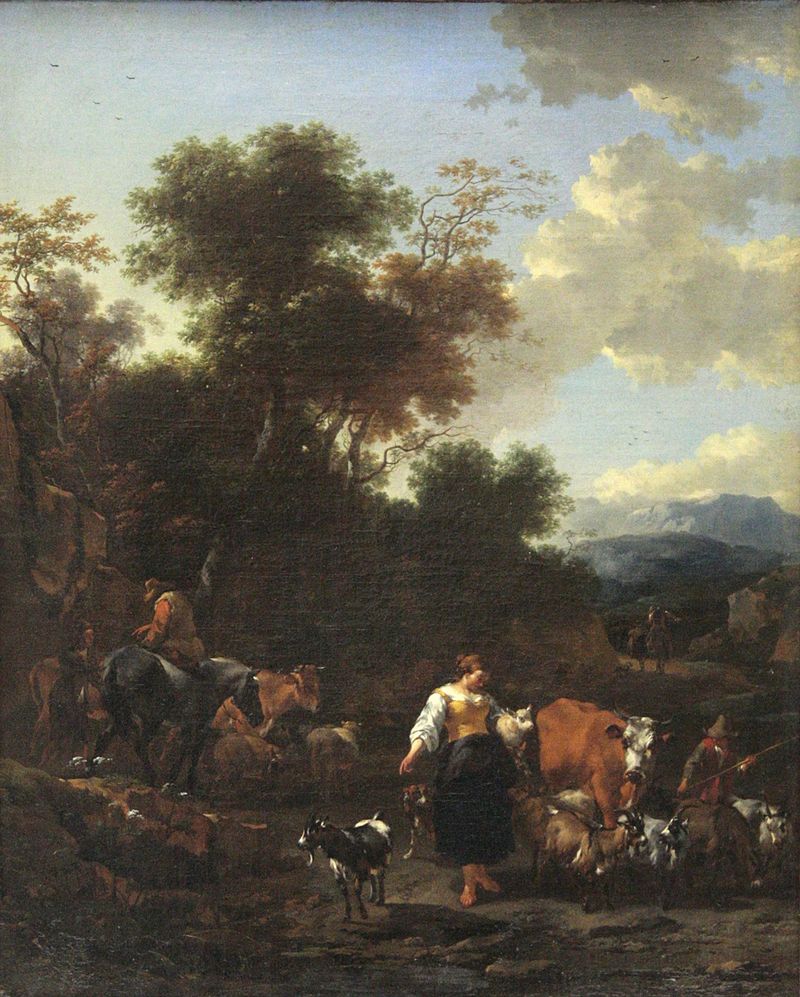
Italian Landscape with Shepherds at a River
Nicolaes Pietersz Berchem
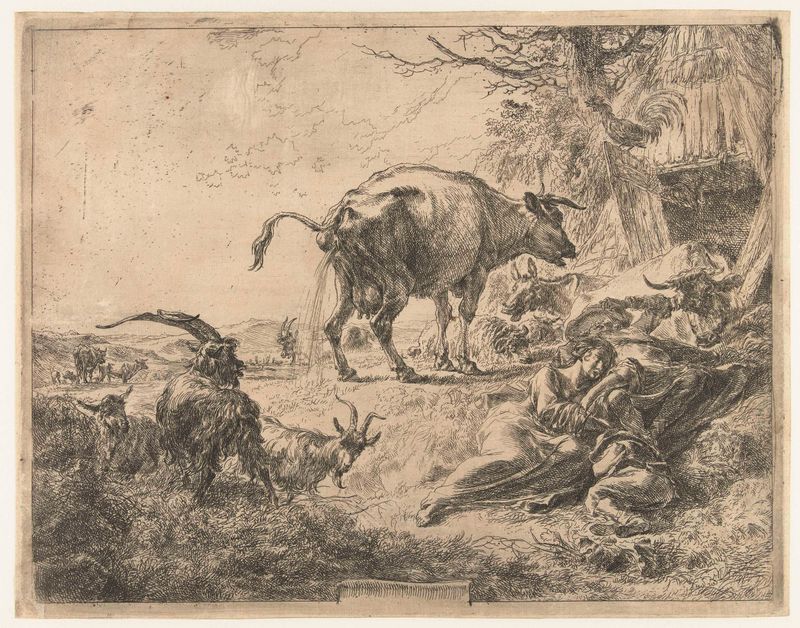
Slapende herdersfamilie en rustend vee
Nicolaes Pietersz Berchem
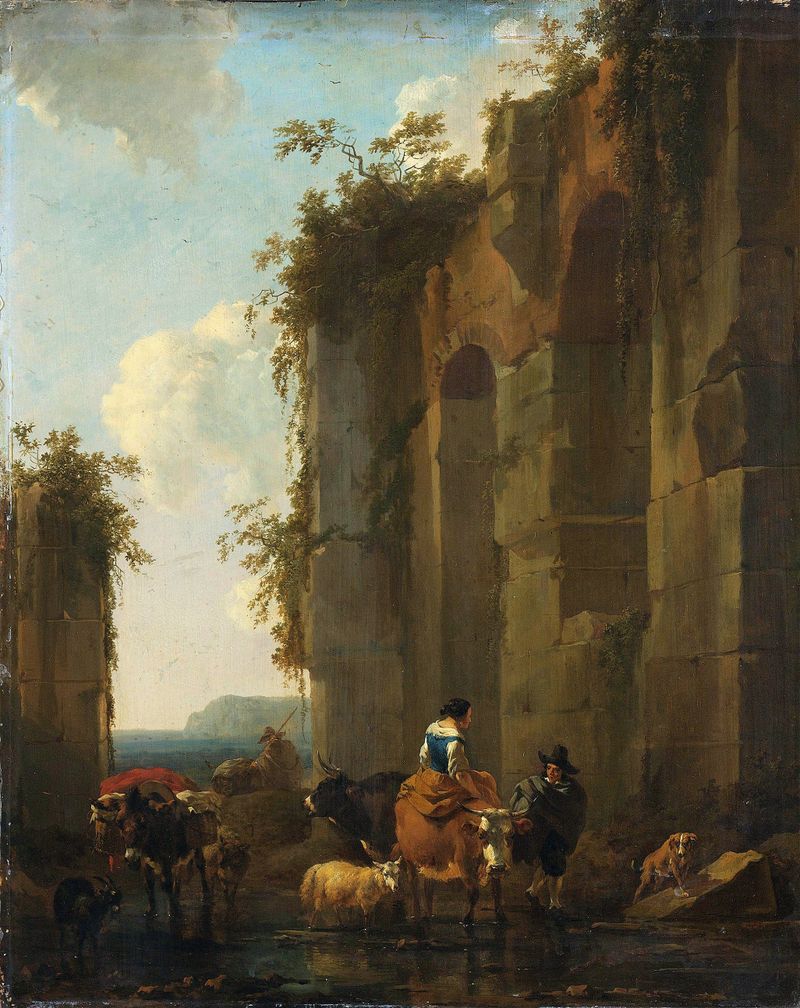
Ruins in Italy
Nicolaes Pietersz Berchem





