Flusslandschaft — History & Facts
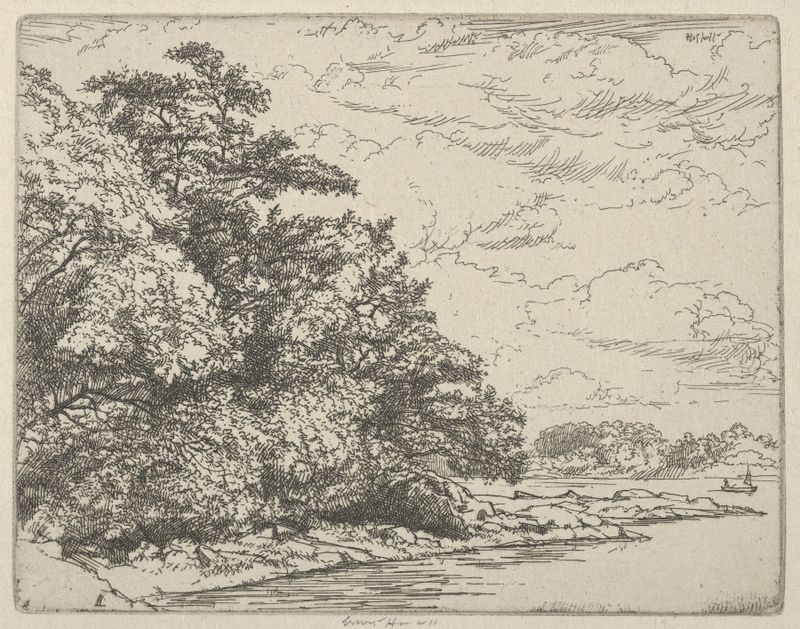
Is this a mirror — or a memory? Amidst the tranquil hues of nature, one can almost hear the gentle whispers of the past, awakening in every brushstroke. Focus on the serene waters that dominate the canvas, reflecting the soft palette of greens and blues. Notice how the light dances upon the surface, creating ripples that seem to vibrate with life. The trees frame the composition, their silhouettes elegant and deliberate, guiding the viewer's eye toward the horizon where sky and earth tenderly embrace.
The subtle layering of color reveals depth, suggesting an inner world that invites contemplation, a deeper connection to the landscape. Hidden within this landscape lies a tension between stillness and movement. The delicate balance of light and shadow evokes a sense of time suspended, capturing fleeting moments of beauty and contemplation. The soft, muted colors resonate with feelings of nostalgia, while the intricate details of the flora suggest a hidden vibrancy, breathing life into the scene.
Here, nature transcends mere representation; it becomes a vessel for memory and introspection, inviting viewers to reflect on their own ties to the past. Kaufmann painted this work during a period when landscapes were evolving in their representation. Active in Germany during the late 19th century, he explored the interplay between light and nature, a response to the burgeoning Impressionist movement. This period in art was marked by a shift towards capturing the ephemeral qualities of the world, emphasizing emotional resonance over strict realism.
Kaufmann’s choice to create Flusslandschaft reflects not just his artistic development but also a broader quest for understanding nature’s simple yet profound beauty.
More Artworks by Adolf Kaufmann
Browse all →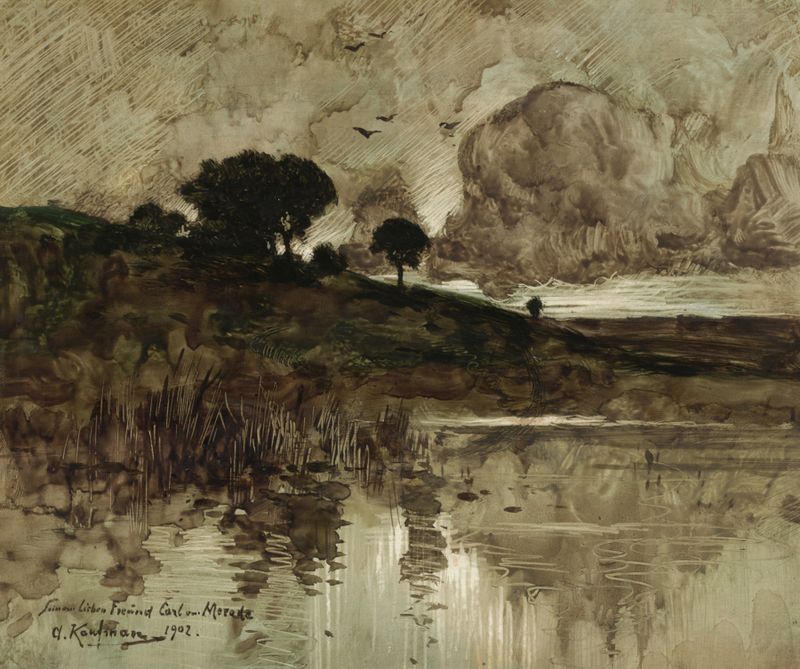
Herbstabend am See
Adolf Kaufmann
Winterliche Flusslandschaft
Adolf Kaufmann
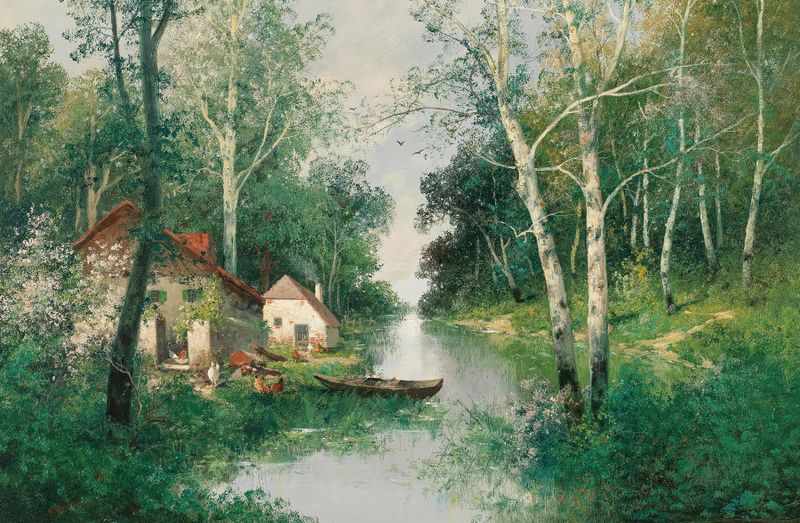
A River Landscape in Spring
Adolf Kaufmann
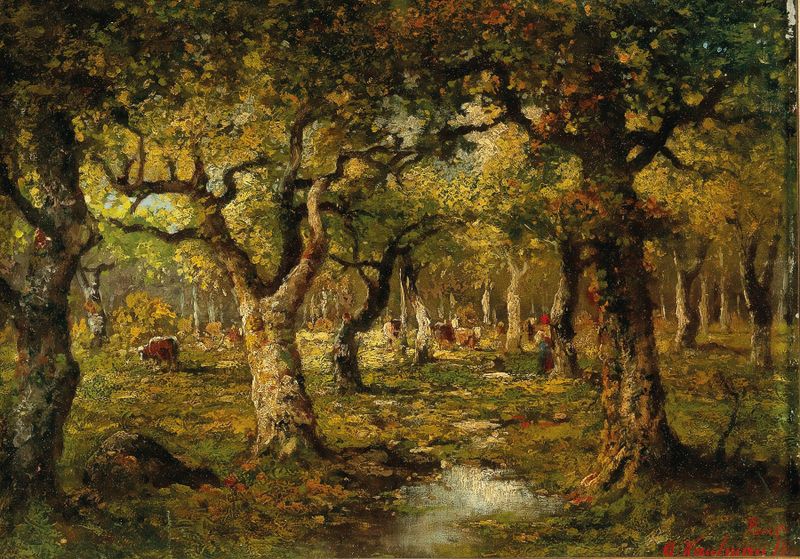
In the Forest of Barbizon
Adolf Kaufmann
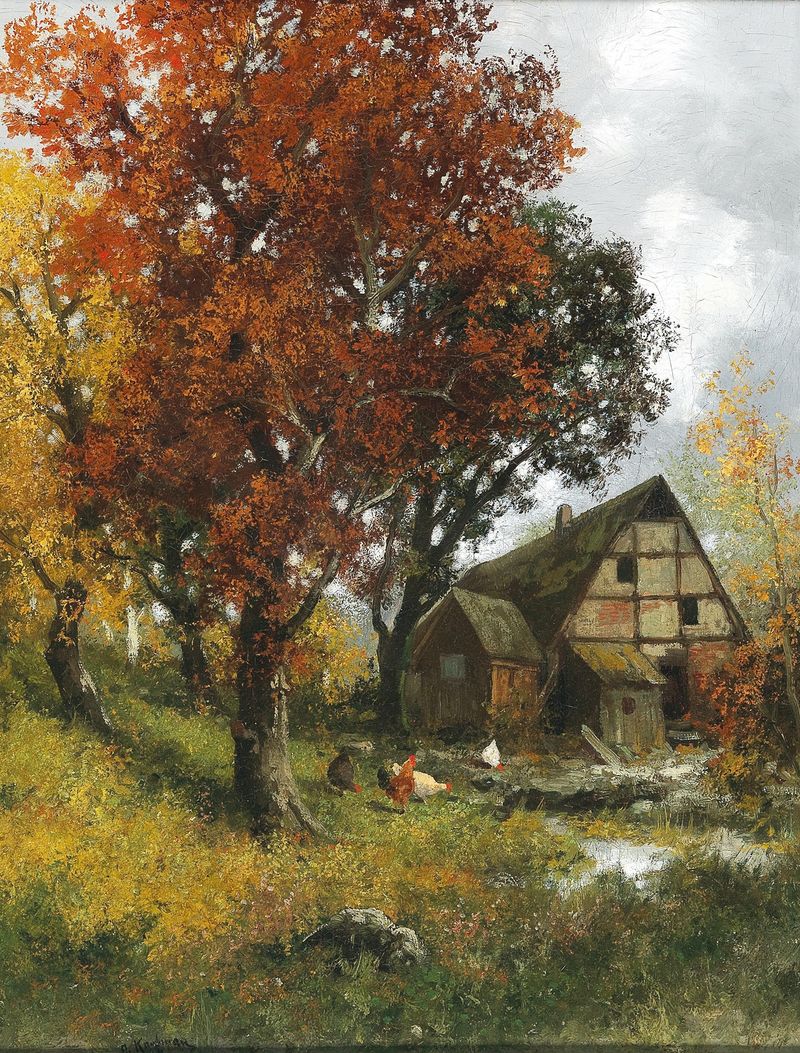
A Mill in an Autumnal Forest
Adolf Kaufmann
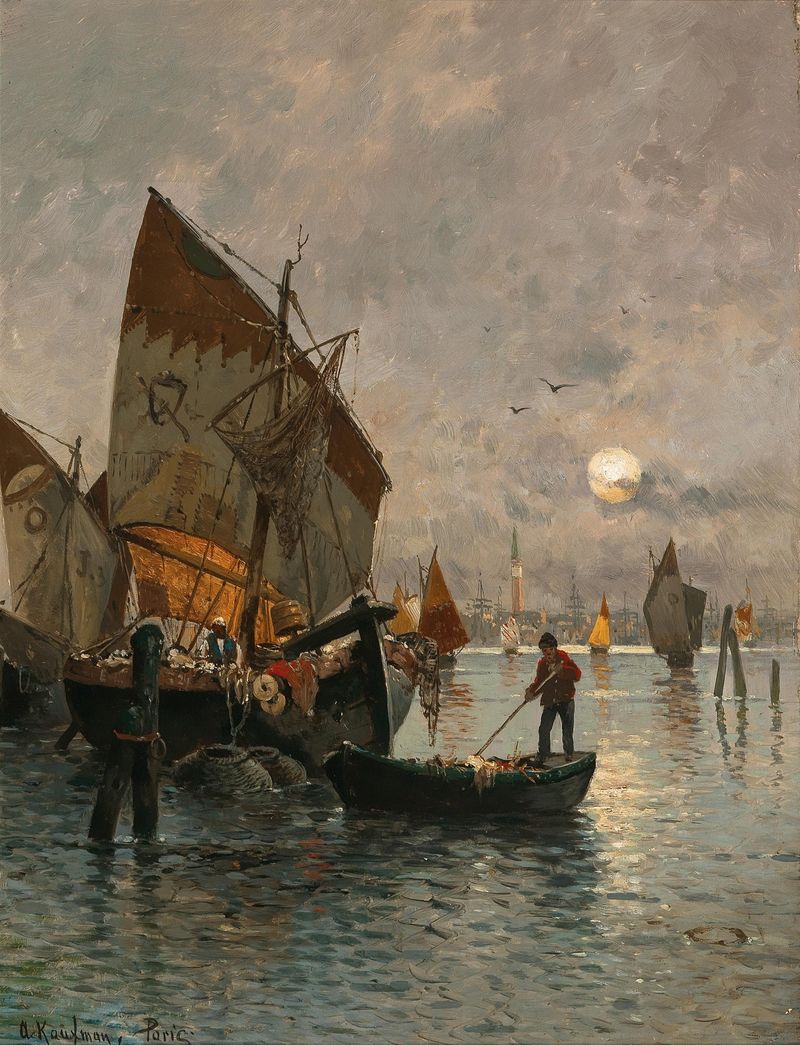
In der Lagune Venedigs
Adolf Kaufmann
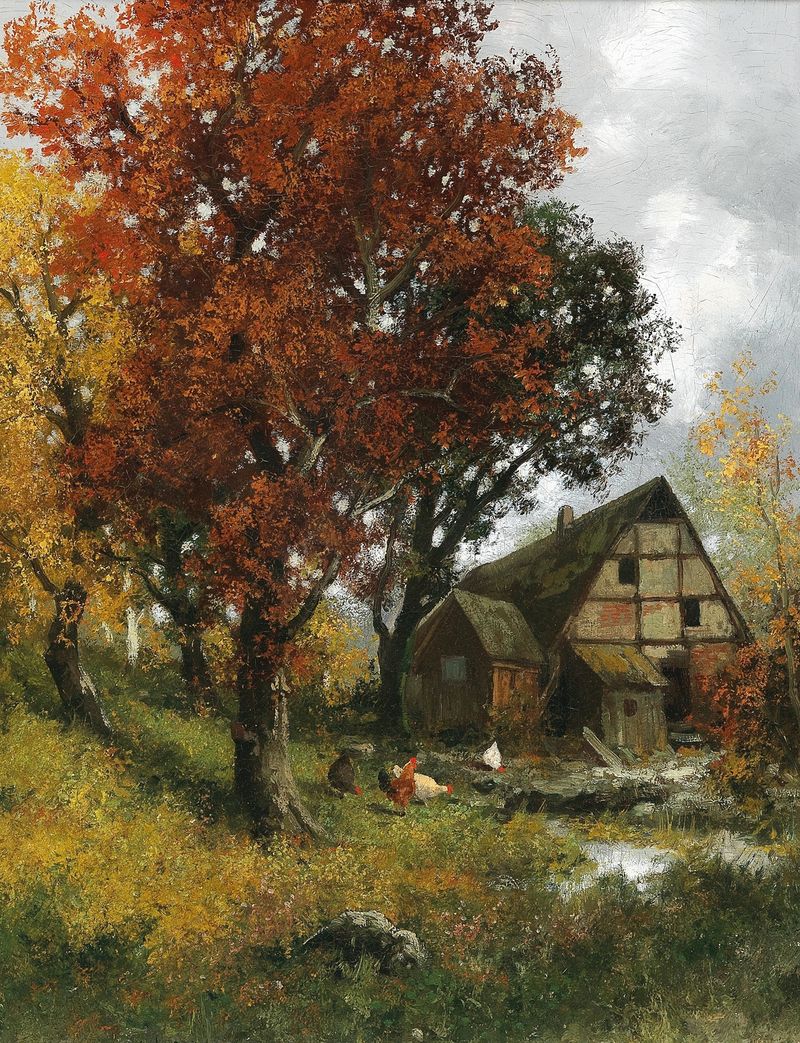
Mühle im Herbstwald
Adolf Kaufmann
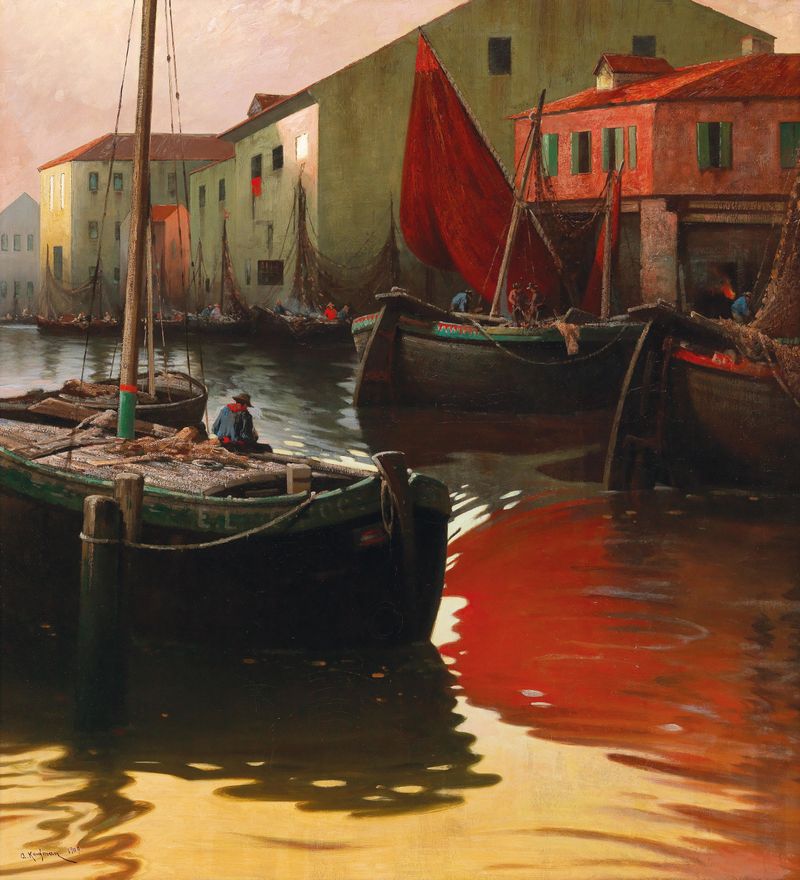
Motif Of Chioggia
Adolf Kaufmann
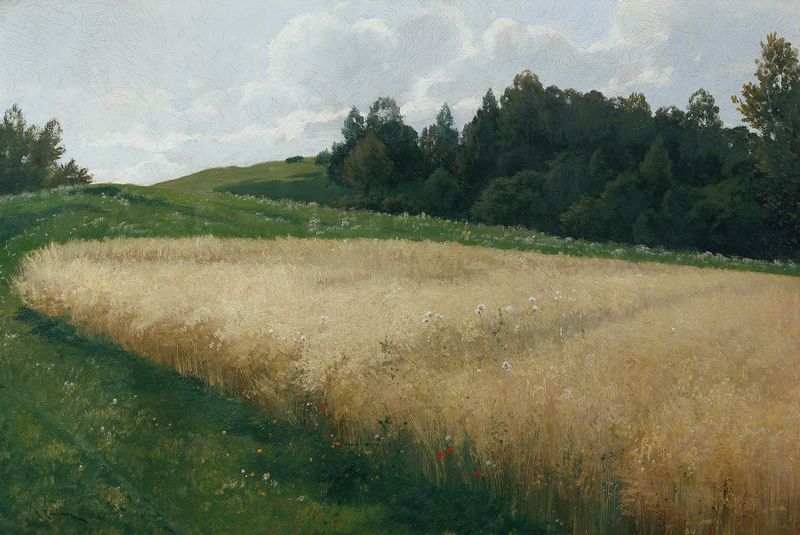
Das Haferfeld
Adolf Kaufmann
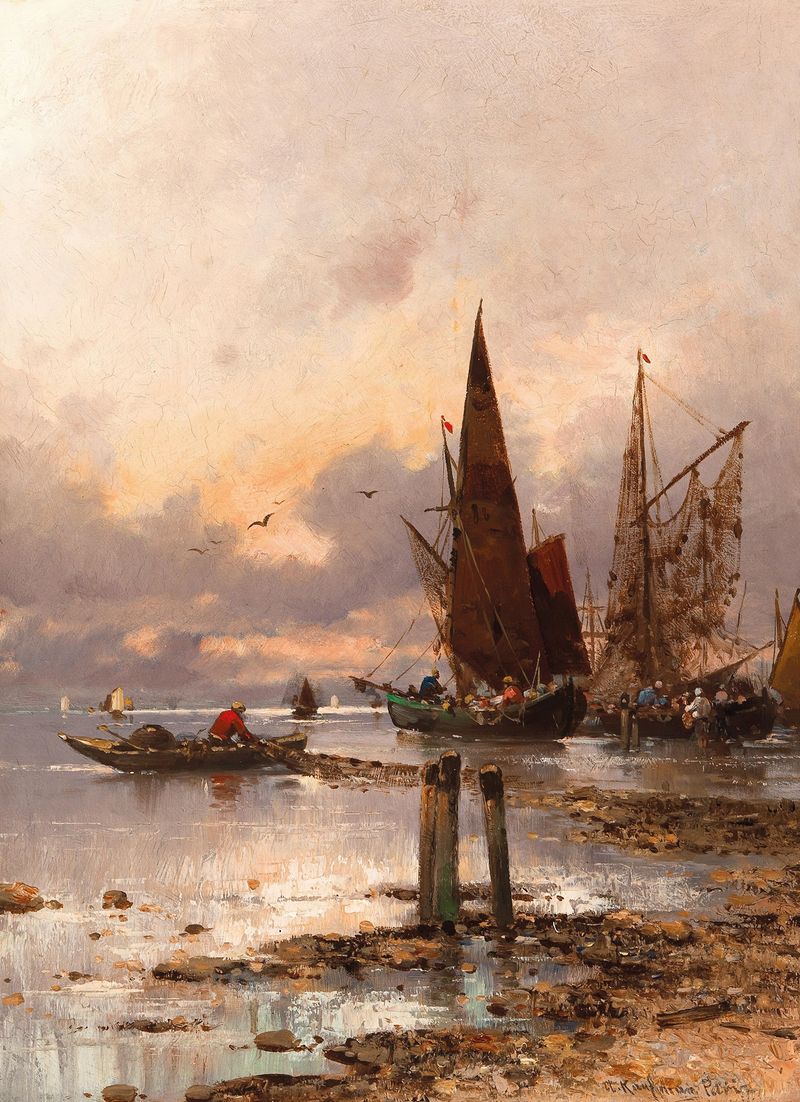
Sonnenuntergang an der griech. Küste
Adolf Kaufmann