
Wooded Point — History & Facts
Could beauty survive in a century of chaos? In Wooded Point, tranquility emerges like a dream amid a cacophony of modern life. Focus first on the serene waters of the lake, reflecting the dense greenery that surrounds it. The artist’s deft brushstrokes create a sense of motion in the leaves, while the stillness of the water contrasts this liveliness, inviting you to linger. Notice the soft play of light filtering through the trees, casting dappled shadows that dance across the surface, blurring the lines between reality and reverie.
The choice of rich greens and earthy browns evokes a sense of peace, grounding the viewer in nature’s embrace. Beneath the surface, the composition reveals deeper themes of solitude and introspection. The juxtaposition of the vibrant forest against the calm water hints at the inner dialogue between chaos and serenity. The subtle variations in color reflect the complexities of emotion—hope mingled with melancholy—as though the landscape itself is a sanctuary for the soul, a refuge from the tumultuous world beyond.
The absence of human presence amplifies this sense of isolation, encouraging the viewer to ponder their place within nature's grandeur. In 1923, Haskell painted Wooded Point during a time when the art world was shifting towards modernism and abstraction. Living in New Hampshire, he was surrounded by a landscape that inspired much of his work. The post-World War I era stirred a longing for peace and beauty, which infused his art with a serene yet poignant contemplation of the world around him.
More Artworks by Ernest Haskell
Browse all →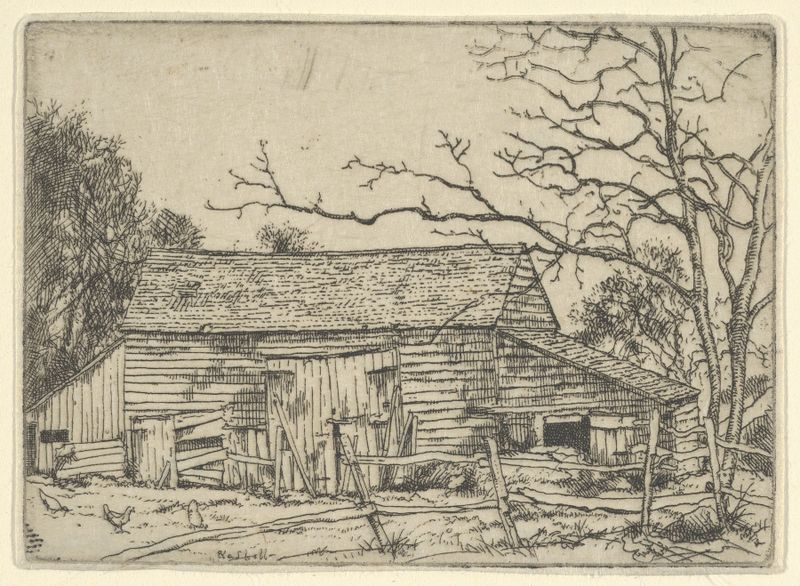
The Barn–Staten Island, N.Y.
Ernest Haskell

Four Live Oaks
Ernest Haskell
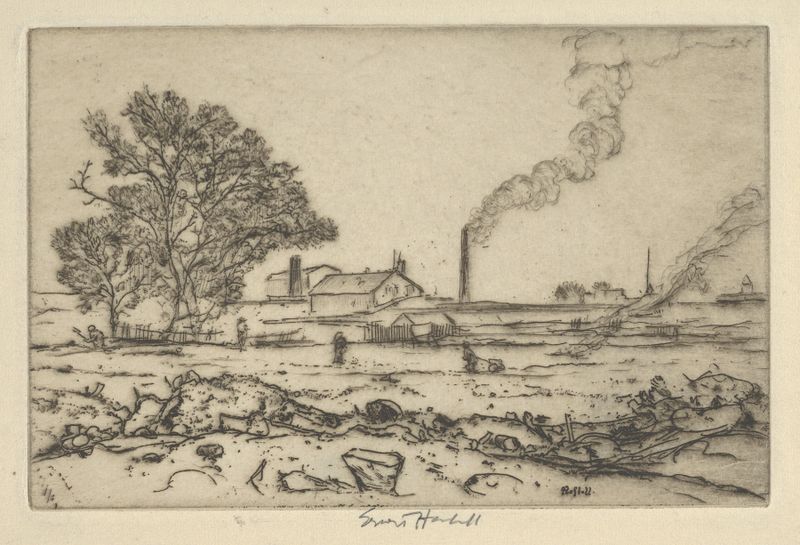
Outskirts of Boston
Ernest Haskell
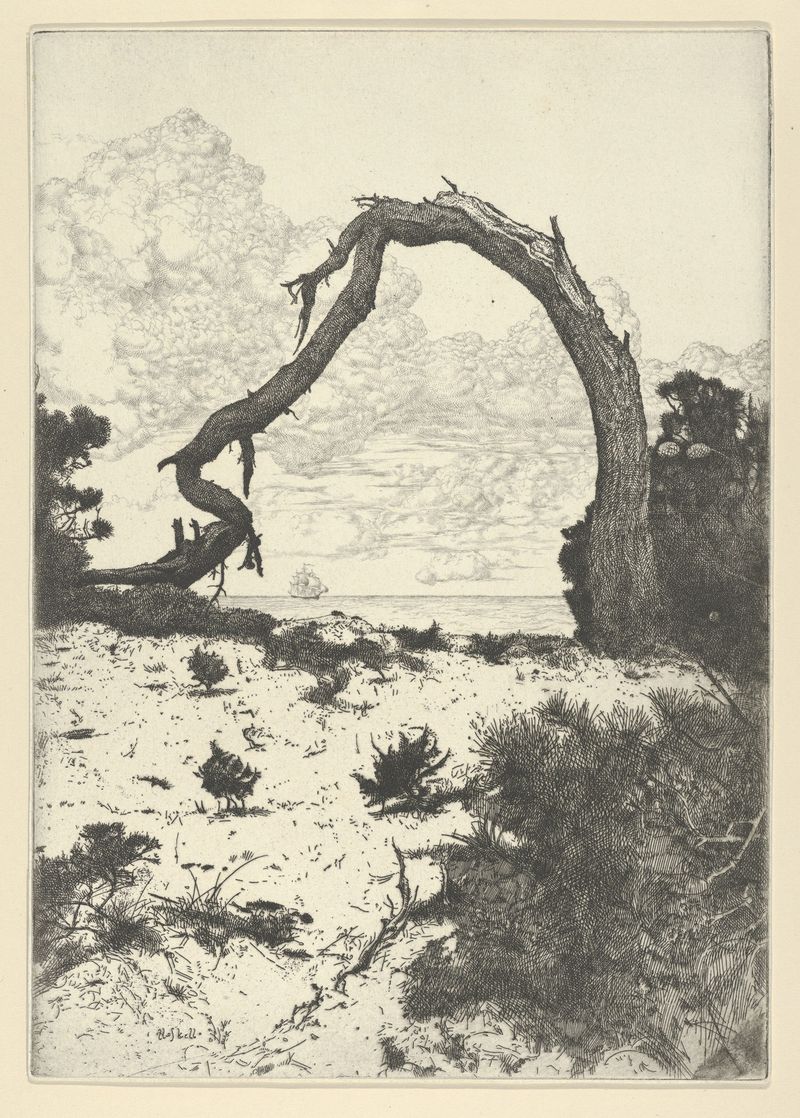
Pine Arch
Ernest Haskell

General Sherman
Ernest Haskell
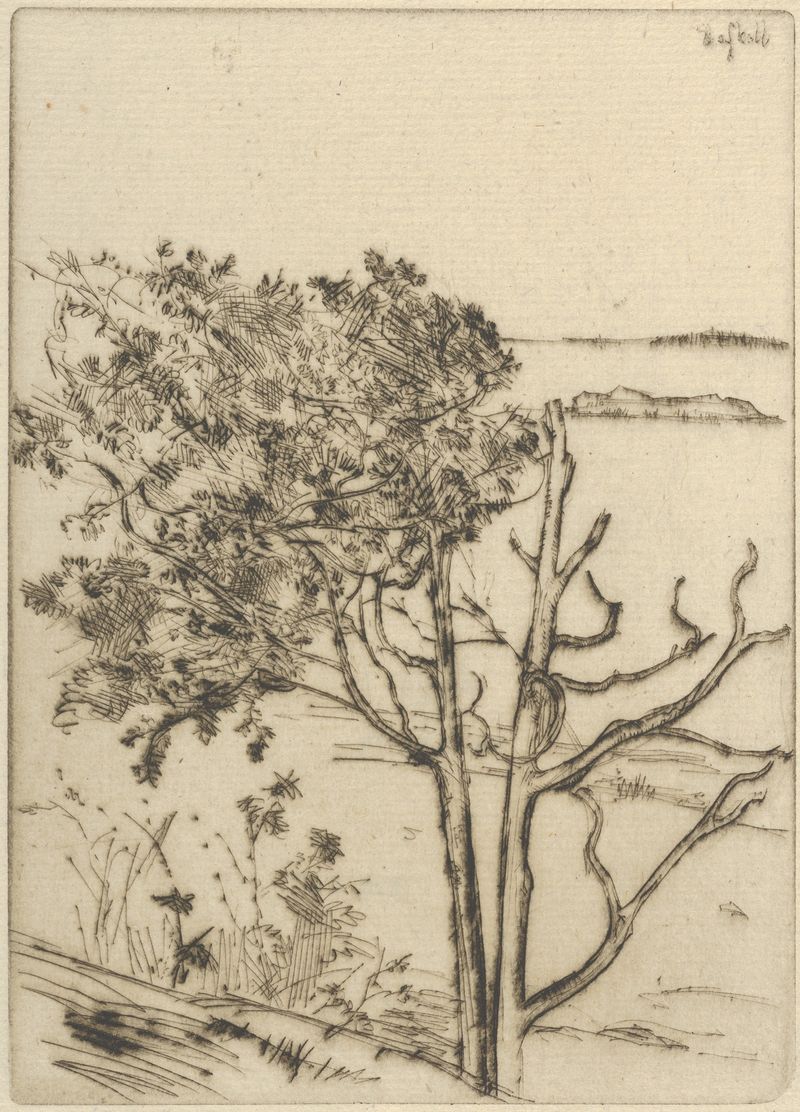
Ragged Tree – Maine
Ernest Haskell

Tide Mill
Ernest Haskell

Ship Building
Ernest Haskell
To the Southward – Ragged Island, Me.
Ernest Haskell
Long Island Marshes
Ernest Haskell





