
Folkestone Harbour and Coast to Dover — History & Facts
In the embrace of time’s relentless passage, moments crystallize, inviting us to pause and reflect on the beauty that lies beneath the surface. Look to the horizon where the cerulean sea kisses the sky—Turner’s masterful blend of blues invites your gaze upward, capturing the ethereal dance between water and air. Notice how the soft, golden light bathes the coastline, illuminating the quaint harbor with a warm glow, while wisps of clouds seem to linger, echoing the fleeting nature of the day. The bold strokes of the waves, alive with motion, create a dynamic contrast against the serene stability of the distant cliffs. Beneath this picturesque scene lies an exploration of time itself.
The looming cliffs of Dover, steadfast against the ocean's ebb and flow, symbolize permanence, while the churning waters convey the transient nature of life. The interplay of light and shadow reveals the tension between reality and memory, suggesting that every moment, no matter how fleeting, leaves a profound mark on the soul. Each brushstroke hints at the passage of time, capturing both a fleeting moment and the eternal landscapes that watch over us. In 1829, Turner was deep into his exploration of color and light, painting primarily from his travels through England.
He worked on this piece during a period marked by personal loss and an evolving artistic vision as he sought to capture the sublime in nature. Amidst his growing reputation, he was redefining landscape painting, intertwining emotion with the sublime beauty of the English coast.
More Artworks by Joseph Mallord William Turner
Browse all →
Dort or Dordrecht- The Dort Packet-Boat from Rotterdam Becalmed
Joseph Mallord William Turner
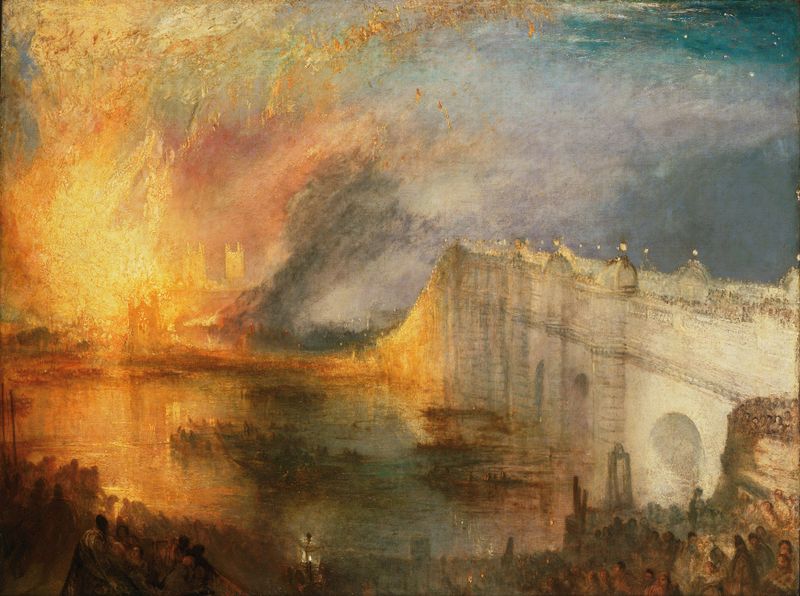
The Burning of the Houses of Lords and Commons, October 16, 1834
Joseph Mallord William Turner
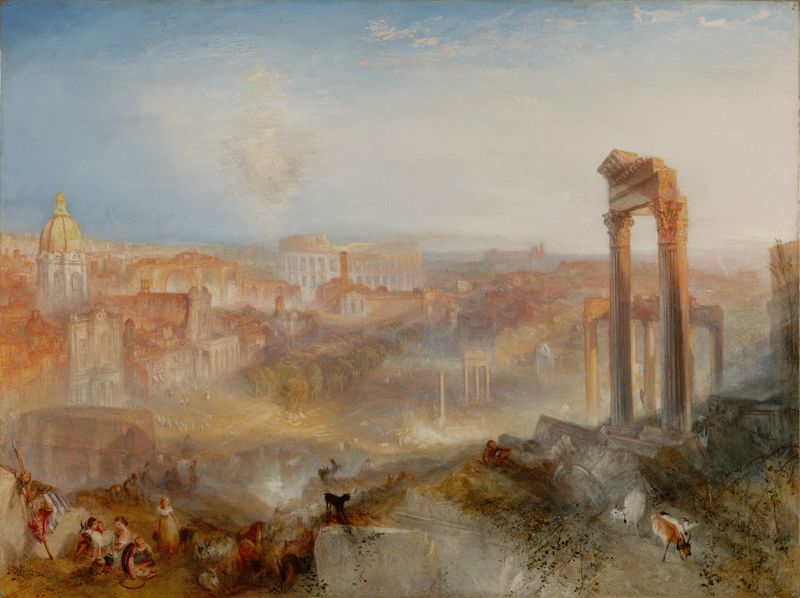
Modern Rome – Campo Vaccino
Joseph Mallord William Turner
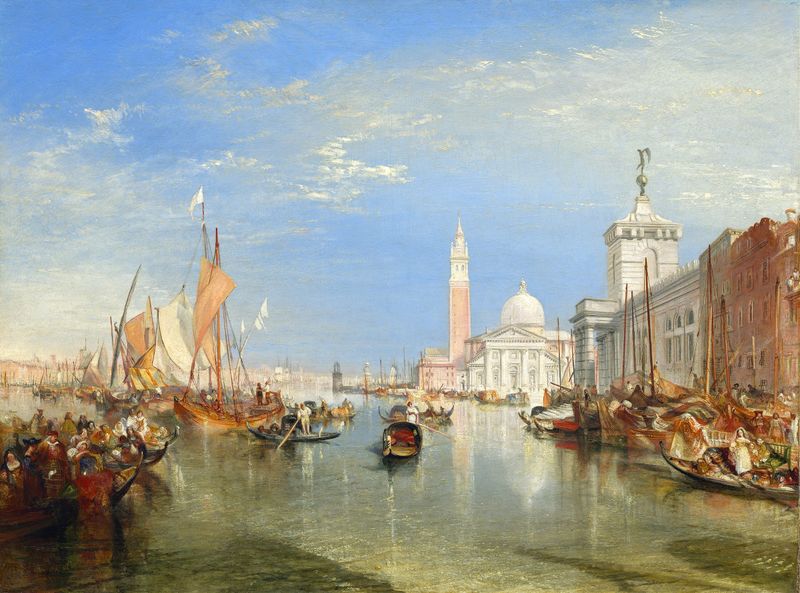
Venice – The Dogana and San Giorgio Maggiore
Joseph Mallord William Turner

The Burning of the Houses of Lords and Commons, 16 October 1834
Joseph Mallord William Turner
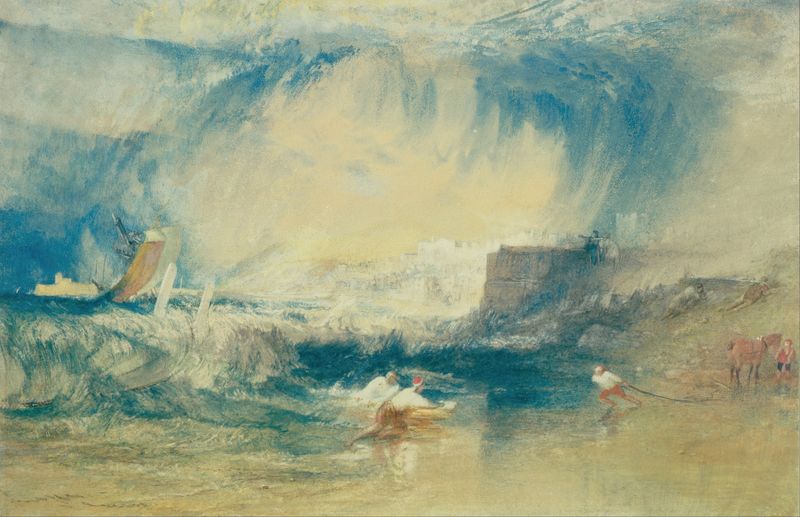
Lyme Regis, Dorsetshire, England
Joseph Mallord William Turner
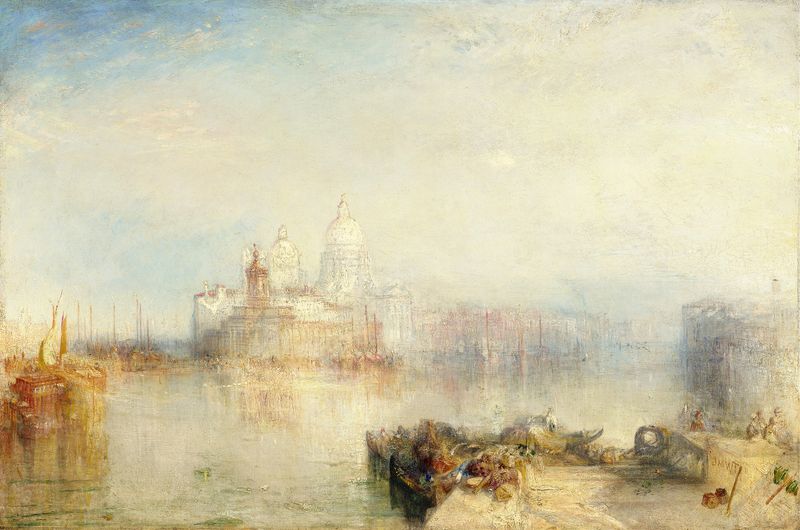
The Dogana and Santa Maria della Salute, Venice
Joseph Mallord William Turner
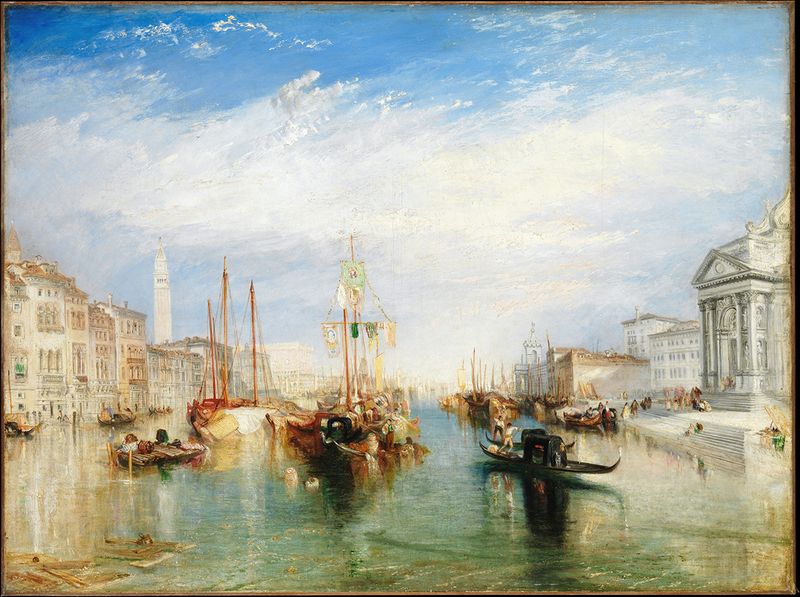
Venice, from the Porch of Madonna della Salute
Joseph Mallord William Turner
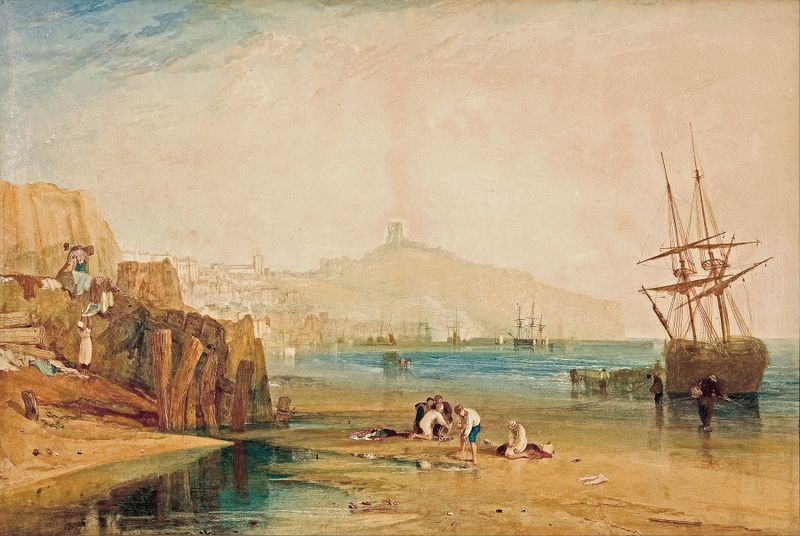
Scarborough town and castle; morning; boys catching crabs
Joseph Mallord William Turner
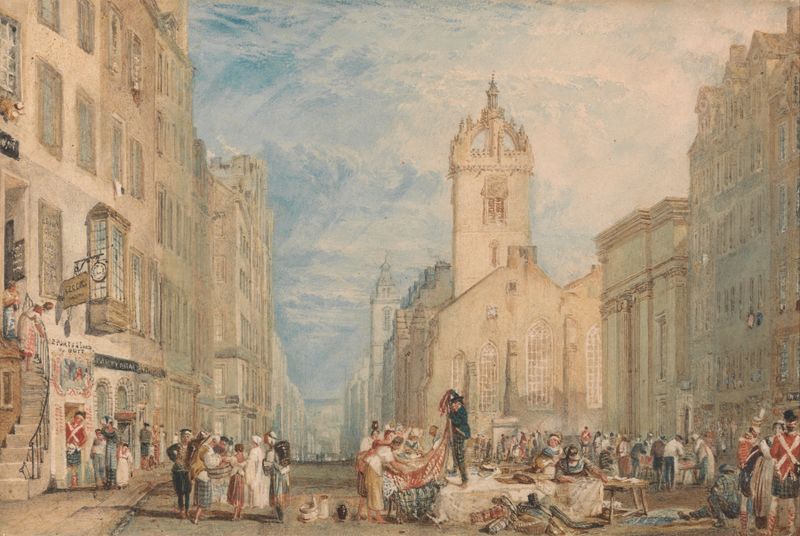
High Street, Edinburgh
Joseph Mallord William Turner




