
Foot of Mount Ashitaka — History & Facts
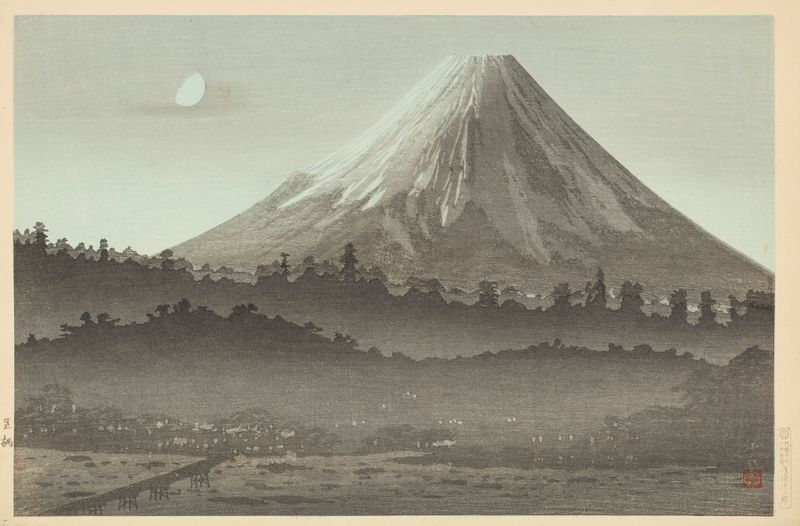
In the quiet aftermath of loss, the landscape holds stories untold, echoing with whispers of what once was. Look to the center, where the majestic Mount Ashitaka rises, its grand silhouette etched against the horizon. The artist’s deft strokes create a tapestry of colors that blend seamlessly; soft greens and muted blues coil together, while hints of ochre punctuate the earth. The clouds drift lazily, their delicate textures rendered with a gentle touch, drawing the viewer’s eye upward to the mountain’s towering presence.
The interplay of light and shadow casts an immersive ambiance, inviting contemplation. As you explore this tranquil scene, the hidden sorrow emerges in subtle contrasts. The mountain, often a symbol of strength and permanence, simultaneously feels distant and unapproachable, reflecting a paradox of resilience and isolation. The soft hues beneath the foreground reveal patches of earth that cradle the weight of memory, hinting at what has been lost.
This duality—a serene exterior masking deeper grief—resonates with anyone who carries the weight of their own reminiscences. In 1932, Takahashi Hiroaki created this piece during a period of significant change in Japan's artistic landscape. The shift from traditional woodblock prints to modern styles was underway, and Hiroaki was navigating the complexities of blending old techniques with contemporary themes. This artwork embodies his exploration of emotion, capturing both the beauty of the natural world and the profound depths of human experience amid a transforming society.
More Artworks by Takahashi Hiroaki
Browse all →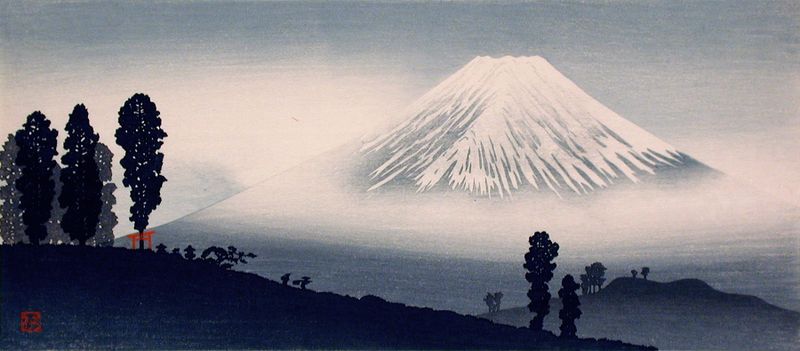
Mount Fuji
Takahashi Hiroaki

Mount Fuji seen near Tamaho, Dawn
Takahashi Hiroaki
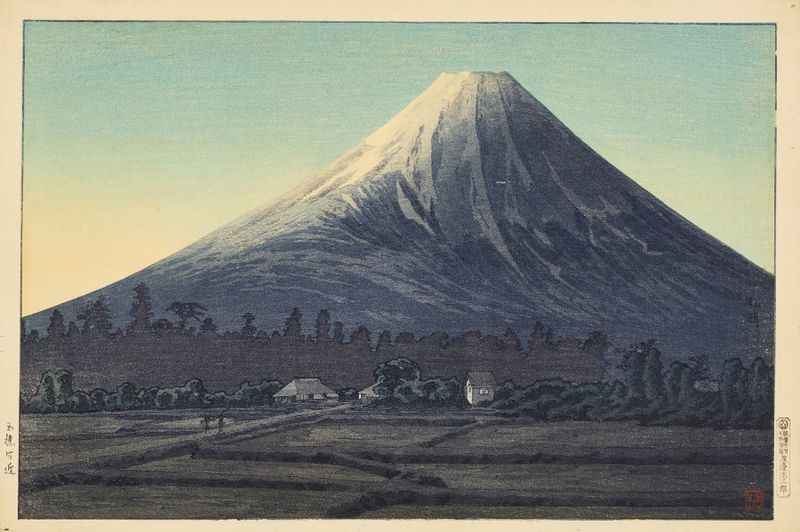
Mount Fuji seen near Tamaho, day
Takahashi Hiroaki
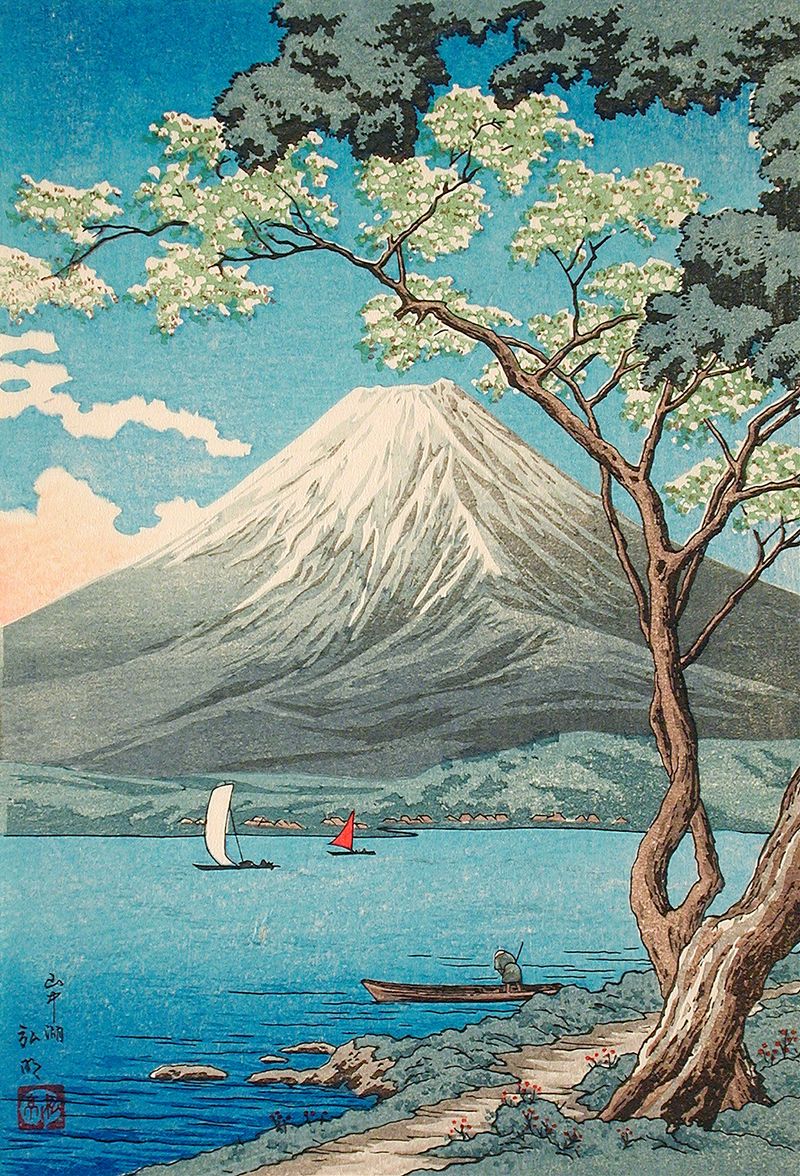
Mount Fuji from Lake Yamanaka
Takahashi Hiroaki

Mt. Fuji from Tagonoura, Snow Scene
Takahashi Hiroaki

Egoda no tsuki
Takahashi Hiroaki
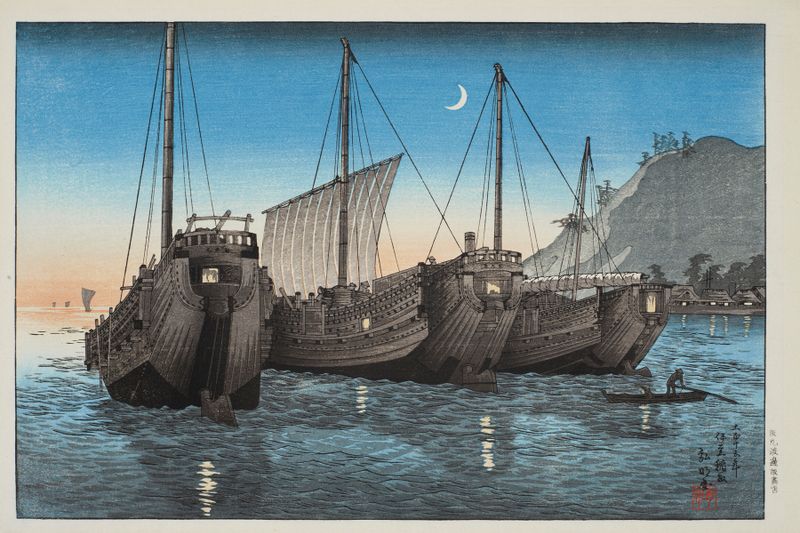
Junks in Inatori Bay, Izu
Takahashi Hiroaki

Izumibashi no ame
Takahashi Hiroaki
Mount Fuji seen near Tamaho, Night
Takahashi Hiroaki

Fishing nets at Tsukuda
Takahashi Hiroaki





