
Forest — History & Facts
In the depths of nature, the ecstasy of existence is palpable, layered within the delicate brushstrokes of a serene landscape. Here, amidst the trees, we find a moment that invites introspection, suggesting an emotional complexity beneath its tranquil facade. Look to the left where the muted greens of the foliage dance gracefully with splashes of golden sunlight filtering through the canopy. The composition draws your eye through a winding path, beckoning you deeper into the heart of the forest.
With each stroke, delicate details emerge: the leaves shimmer as if whispering secrets, and the earthy browns ground the viewer, creating a rich tapestry that invites exploration. Hagen-Schwarz’s meticulous technique reveals both harmony and tension, where every vibrant hue plays off the others, enriching the overall experience. This work is not merely a depiction of woodland beauty; it holds the weight of contrasting emotions. The golden rays penetrate the darkened depths, suggesting an interplay between joy and melancholy.
Each tree stands as a testament to resilience, embodying the struggle of life amidst natural splendor. Through this lens, the forest becomes a metaphor for the complex narrative of human existence, reflecting both ecstasy and sorrow within its intricate layers. Between 1855 and 1858, the artist created this piece while living in Germany, a time marked by upheaval and transformation in the art world. Romanticism was giving way to realism, and Hagen-Schwarz, influenced by her surroundings, sought to capture the merging of these movements.
As the world outside faced industrial change, her landscapes offered a respite, a chance for contemplation and connection with nature’s unfathomable beauty.
More Artworks by Julie Wilhelmine Hagen-Schwarz
Browse all →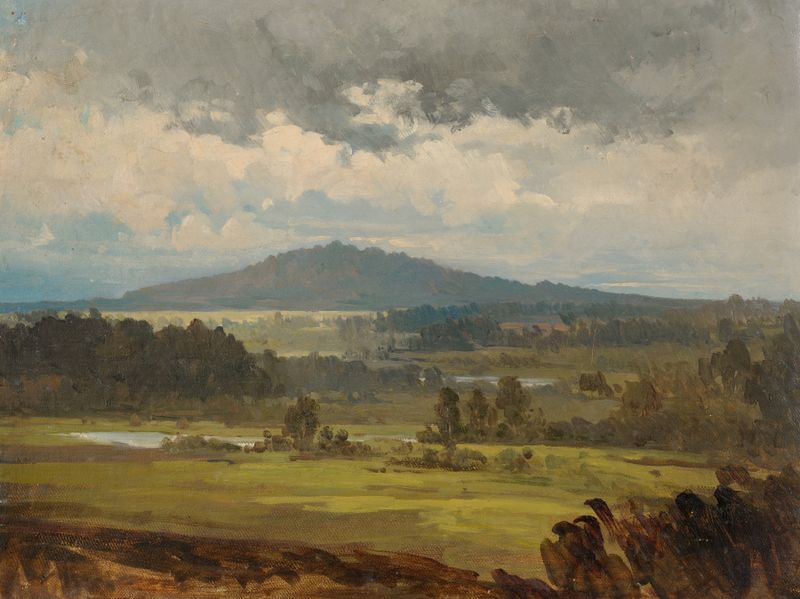
Blauberg near Wolmar
Julie Wilhelmine Hagen-Schwarz
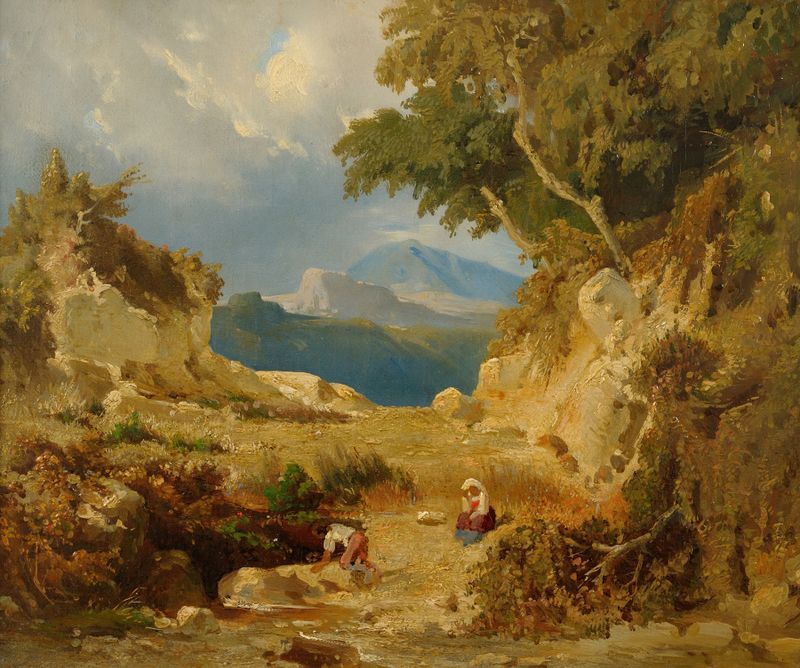
Italian Landscape
Julie Wilhelmine Hagen-Schwarz

St Peter’s Basilica in Rome
Julie Wilhelmine Hagen-Schwarz
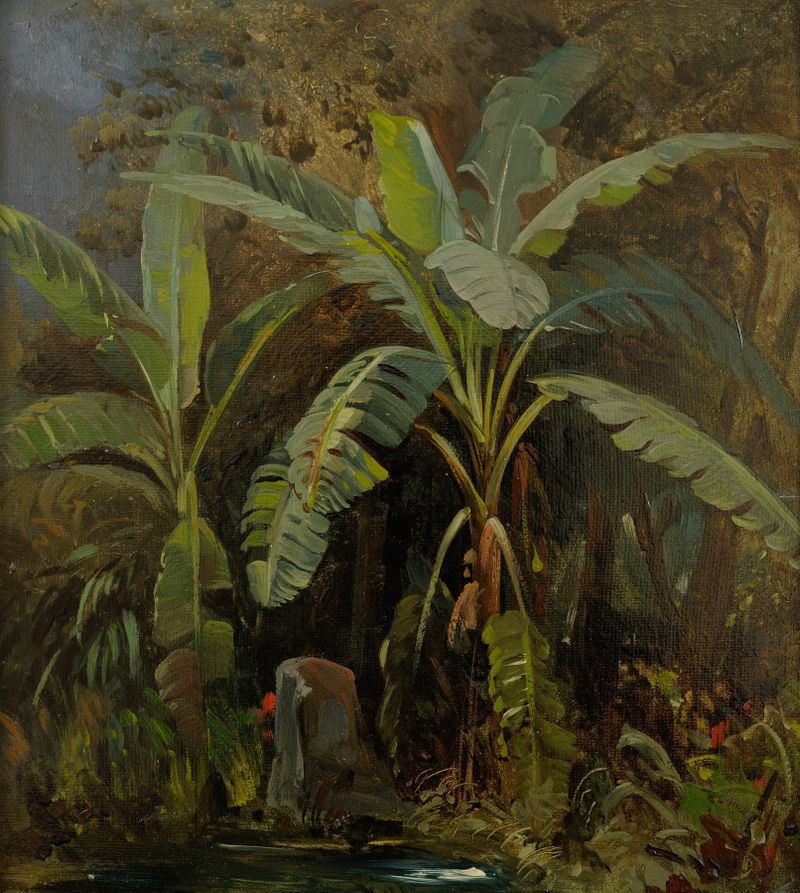
Vegetation in Italy
Julie Wilhelmine Hagen-Schwarz
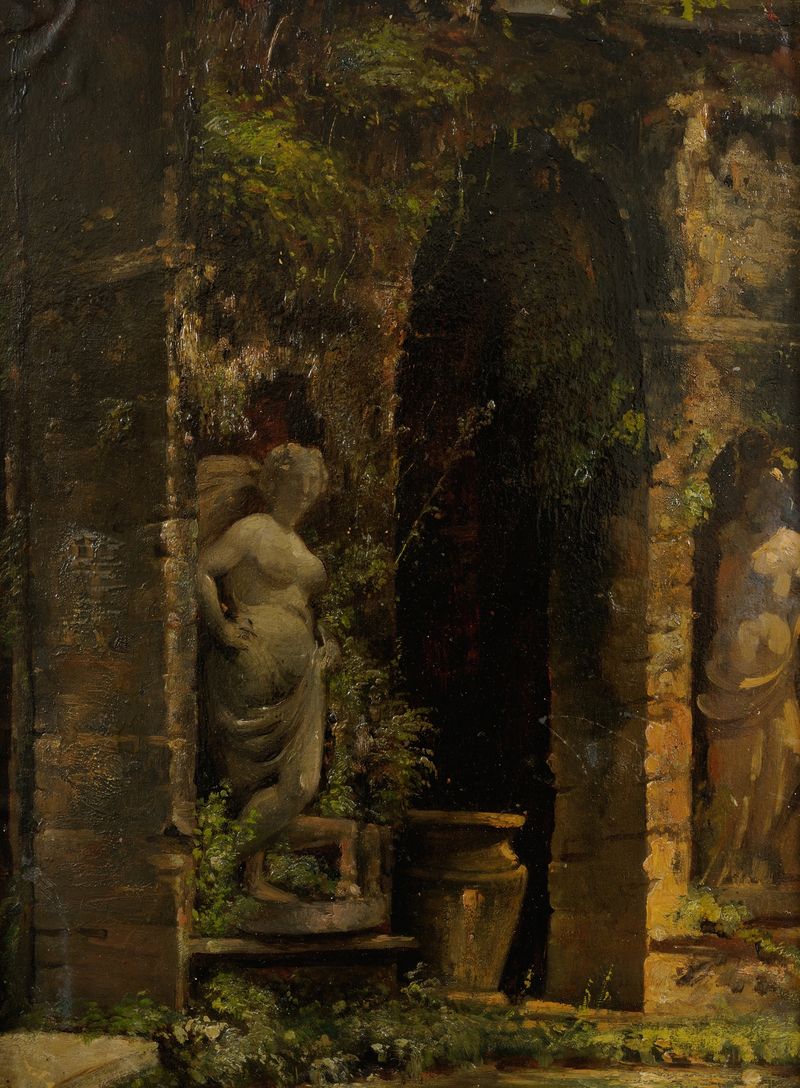
Grotto in Rome
Julie Wilhelmine Hagen-Schwarz

Mountainous Landscape with a Tent
Julie Wilhelmine Hagen-Schwarz
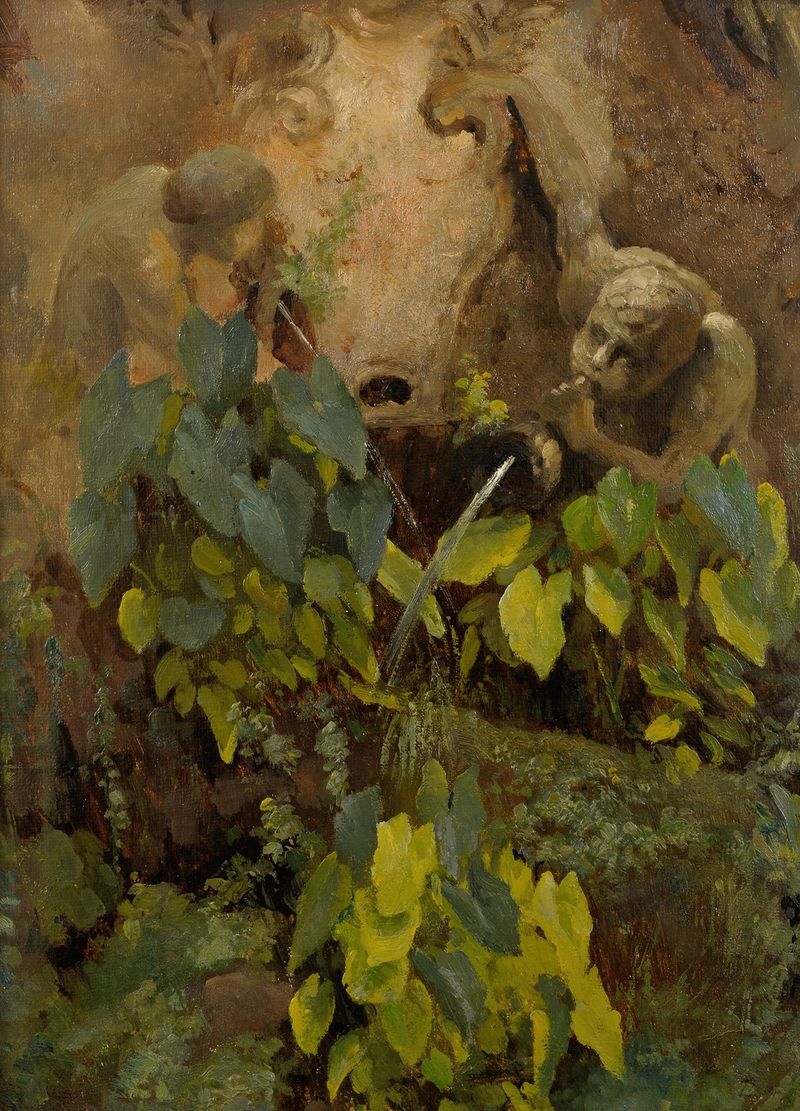
Well with Fauns
Julie Wilhelmine Hagen-Schwarz
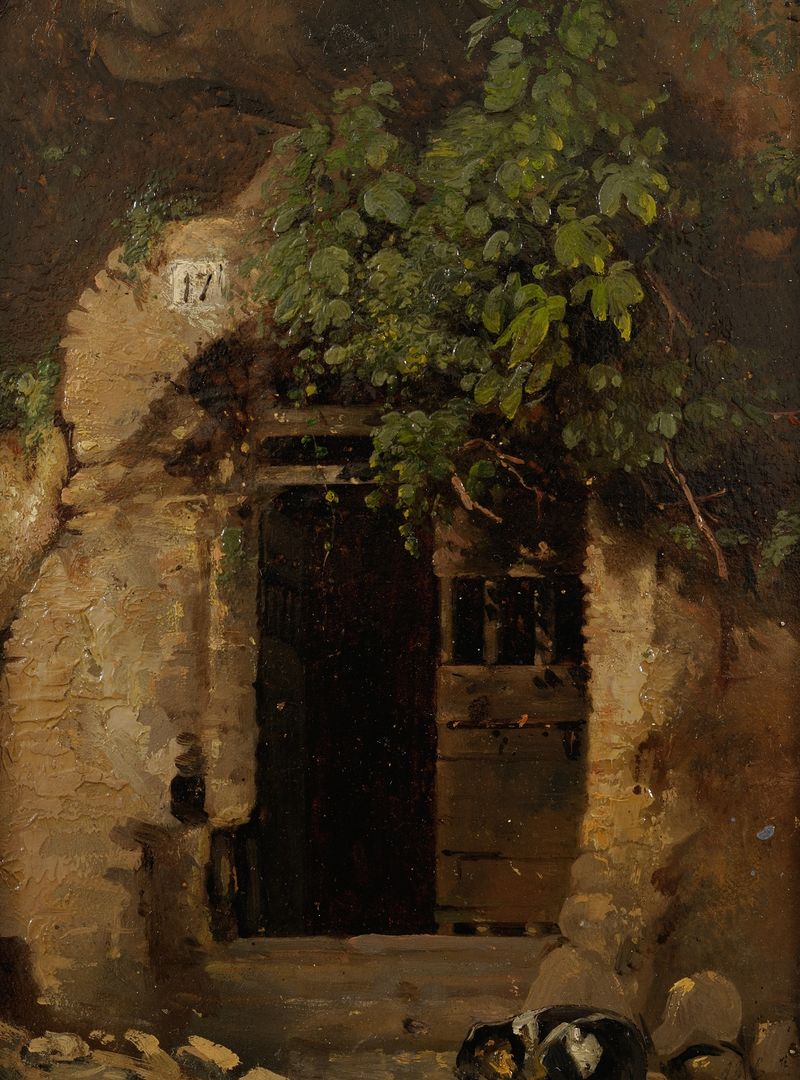
Tavern in Nemi
Julie Wilhelmine Hagen-Schwarz

Blauberg near Wolmar
Julie Wilhelmine Hagen-Schwarz

Käsmu Beach
Julie Wilhelmine Hagen-Schwarz





