
Forest in late autumn — History & Facts
A tangle of bare branches pulls the viewer deep into the heart of Forest in late autumn, where the eye is caught and held by the intricate web of limbs and trunks. The fallen tree in the foreground forms a barrier, half shelter, half threshold, its roots and branches reaching out like grasping hands. The palette is a study in browns and ochres, with only the faintest suggestion of lingering light filtering through the thicket, guiding the gaze toward a misty, uncertain distance.
Every detail in the undergrowth seems chosen to slow the viewer’s progress, inviting a lingering look at the textures of bark and moss, the way the water at the base quietly mirrors the confusion above. There is no path, no figure, only the sense of the forest closing in, holding its secrets. Painted in 1835, this work stands firmly in the Romantic tradition that Caspar David Friedrich helped define, where landscape is never mere scenery but a stage for the imagination. In the early nineteenth century, such images were not just admired for their technical skill, but sought after for their power to stir reflection and wonder in an age of rapid change.
While history has kept few traces of this particular painting’s journey, its presence in The Yorck Project’s collection speaks to the enduring fascination with Friedrich’s vision of nature—untamed, mysterious, and deeply psychological. Look again at the dense lattice of branches: each one is a question, reaching out to the viewer across centuries.
More Artworks by Caspar David Friedrich
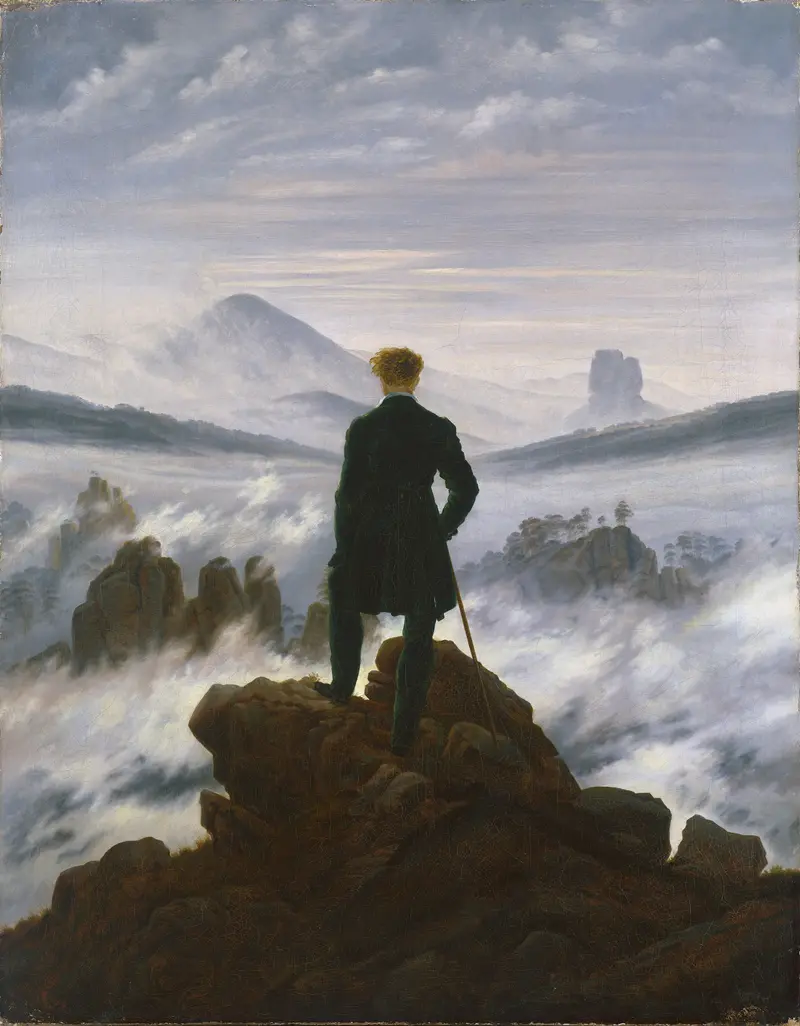
Wanderer above the Sea of Fog
Caspar David Friedrich

The Sea of Ice
Caspar David Friedrich
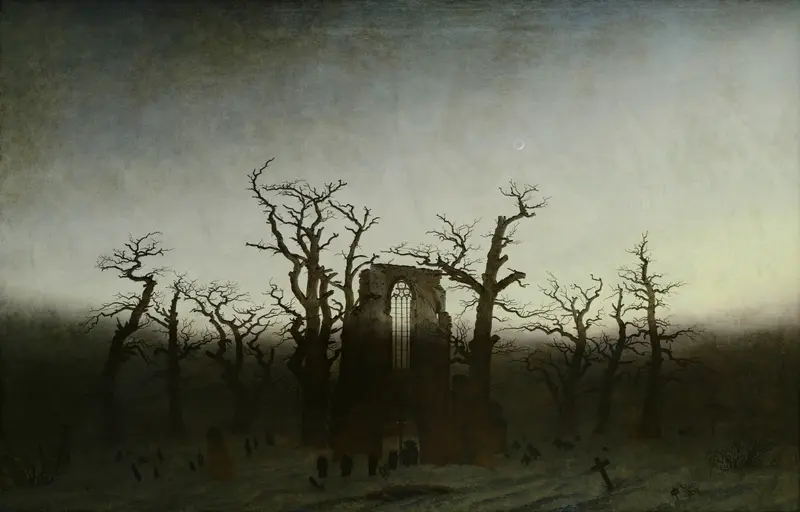
The Abbey in the Oakwood
Caspar David Friedrich
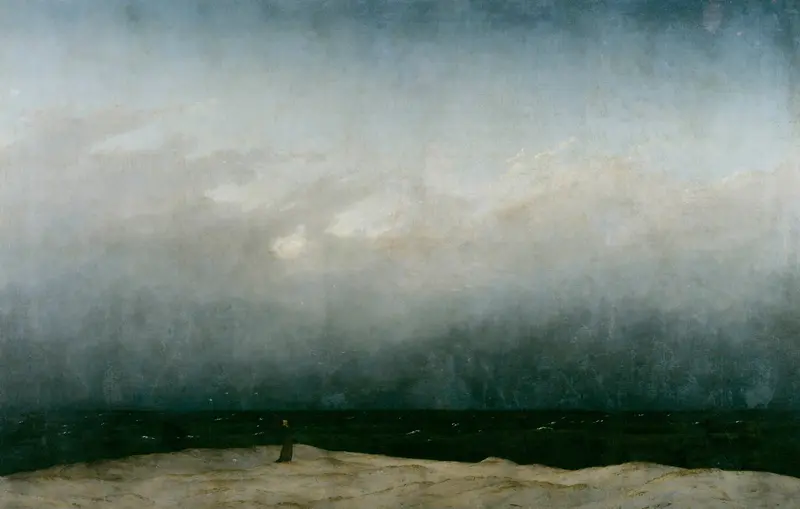
The Monk by the Sea
Caspar David Friedrich
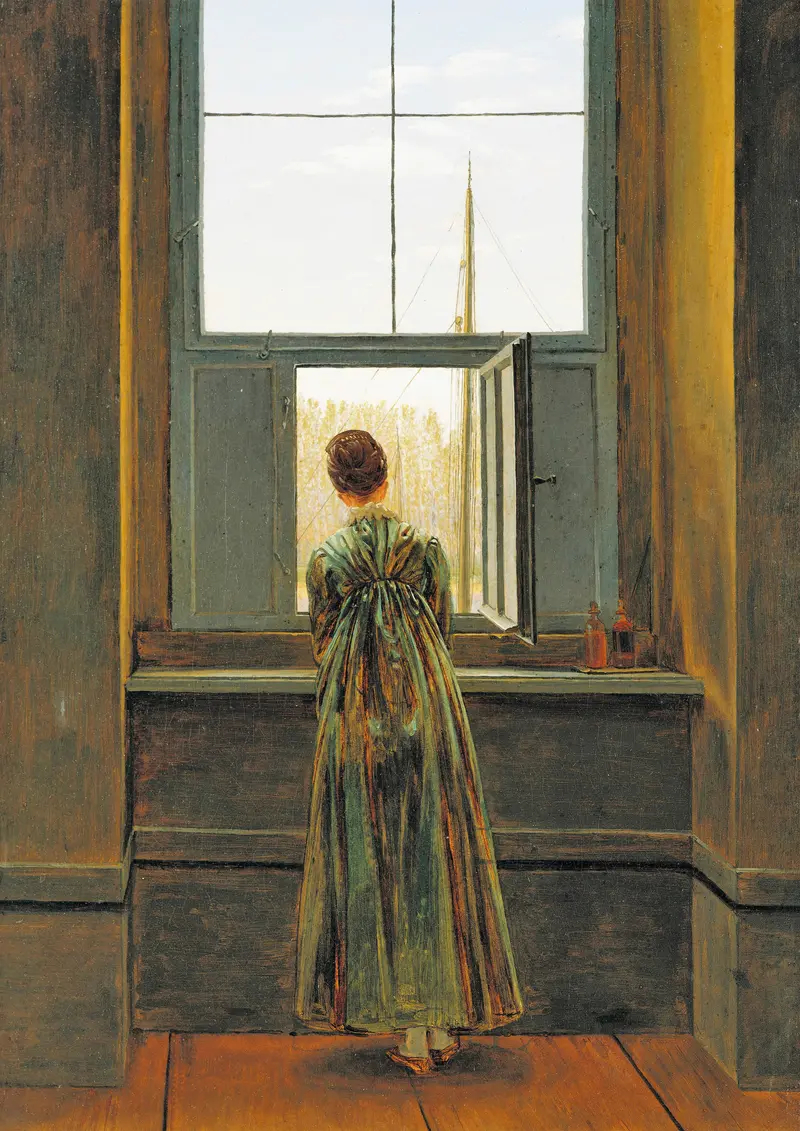
Woman at a Window
Caspar David Friedrich
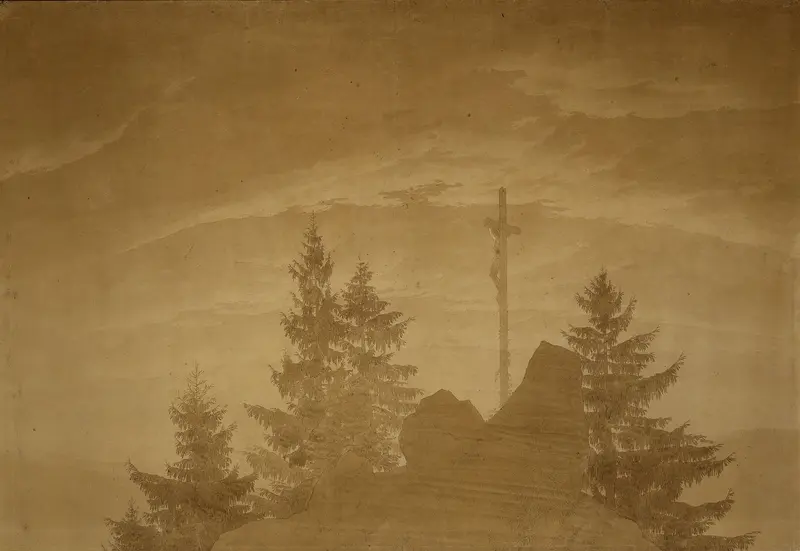
Cross in the Mountains
Caspar David Friedrich
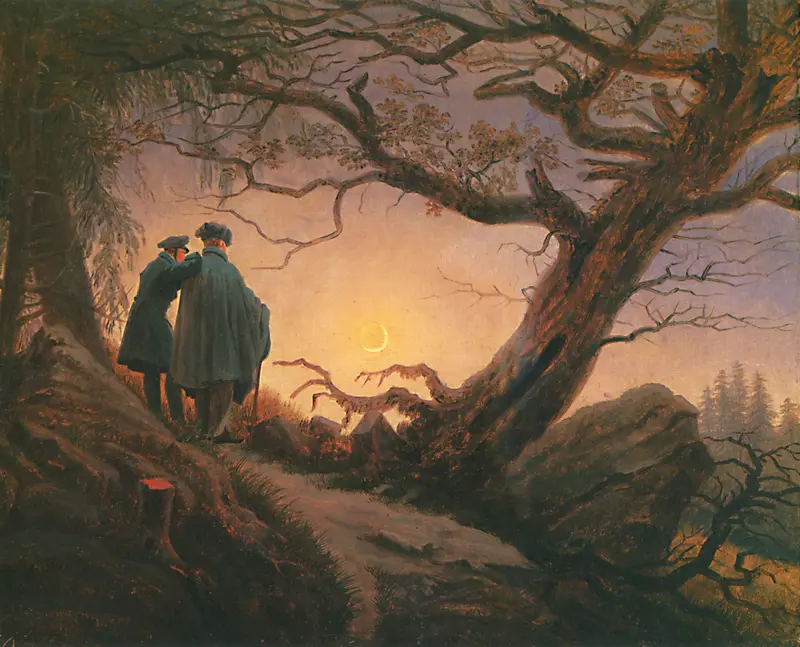
Two Men Contemplating the Moon
Caspar David Friedrich
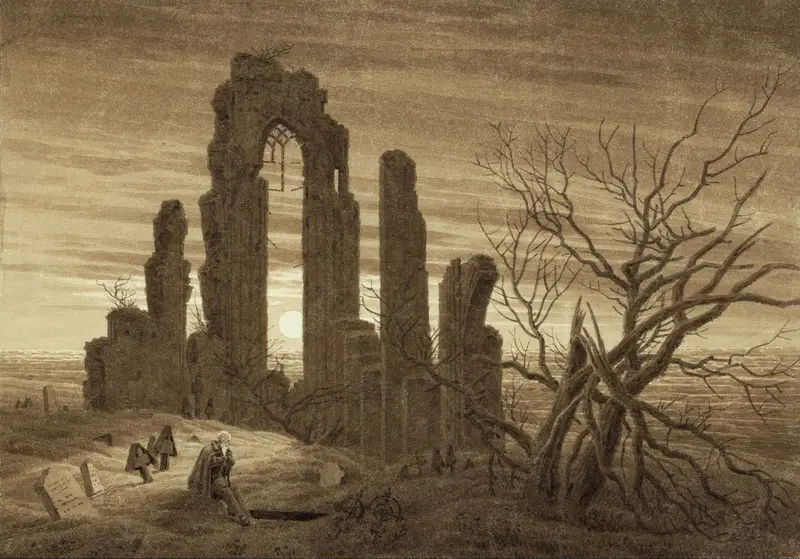
Winter – Night – Old Age and Death (from the times of day and ages of man cycle of 1803)
Caspar David Friedrich
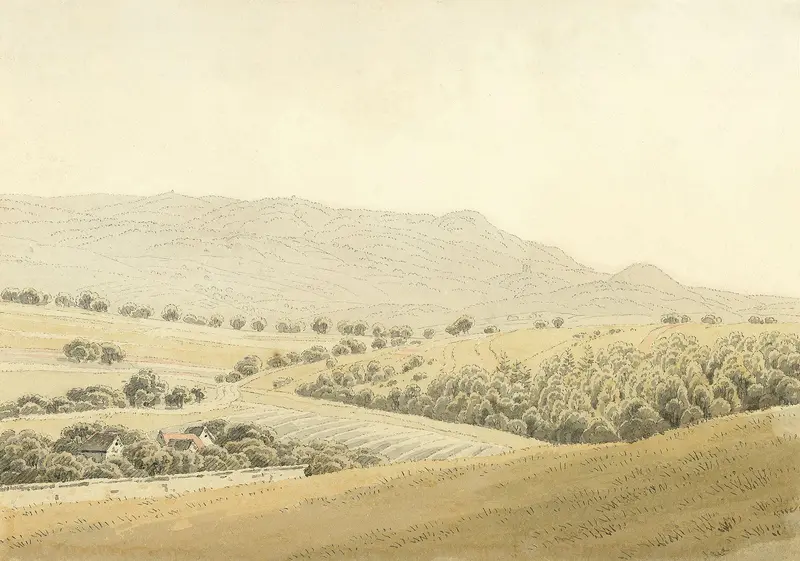
Mittelgebirgslandschaft
Caspar David Friedrich

Landschaft mit gebirgsee, morgen
Caspar David Friedrich
More Landscape Art

The Starry Night
Vincent van Gogh

View of Delft
Johannes Vermeer

Water Lilies
Claude Monet

The Grand Canal, Venice, looking north-west from the Ca' Corner to the Ca' Contarini degli Scrigni, with the campanile of Santa Maria della Carità
Canaletto

Windsor Castle
Canaletto

The Grand Canal looking North-East from the Palazzo Dolfin-Manin to the Rialto Bridge
Canaletto