
Forest Lake with two Swans — History & Facts
In the stillness of a moment captured on canvas, the essence of life and mortality intertwines gracefully, beckoning the viewer to reflect. Look to the verdant expanse on the left, where a dense tapestry of trees frames the shimmering surface of the lake. The two swans, elegant and poised, glide effortlessly across the water, their presence a delicate contrast to the overwhelming beauty of nature surrounding them. Notice how the light dances upon the lake’s surface, a gentle play of sun and shadow that enhances the tranquility of the scene, while the rich greens and earthy tones anchor the viewer in a sense of serene solitude. Beneath the surface of this idyllic composition lies a subtle tension between life and the inevitable passage of time.
The swans, symbols of love and fidelity, are also poignant reminders of transience; their serene beauty speaks to the fleeting nature of existence. The towering trees in the background, while majestic, evoke a sense of permanence that juxtaposes the fragility of the swans’ presence, encouraging contemplation on the cycles of life and death. During the years around 1660 to 1665, the artist was immersed in a flourishing period of Dutch landscape painting, where attention to natural detail was paramount. Creating Forest Lake with two Swans, he was influenced by the burgeoning interest in depicting the harmonious relationship between nature and its inhabitants.
This work encapsulates the era’s fascination with both the beauty of the natural world and the echoes of mortality that reside within it.
More Artworks by Jacob van Ruisdael
Browse all →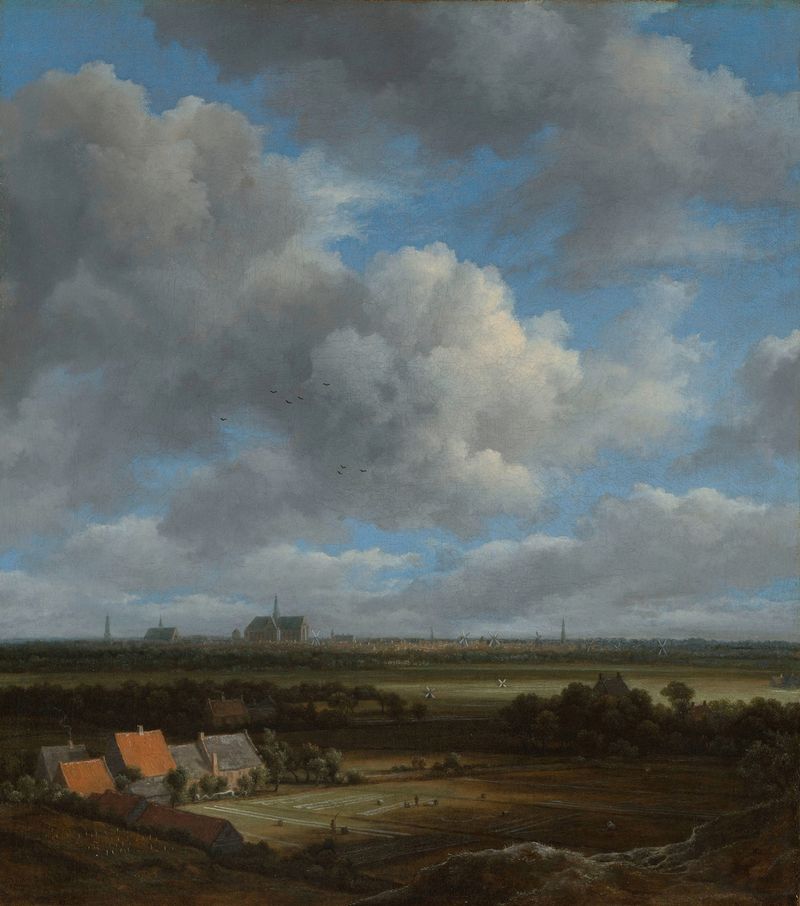
View of Haarlem from the Northwest, with the Bleaching Fields in the Foreground
Jacob van Ruisdael
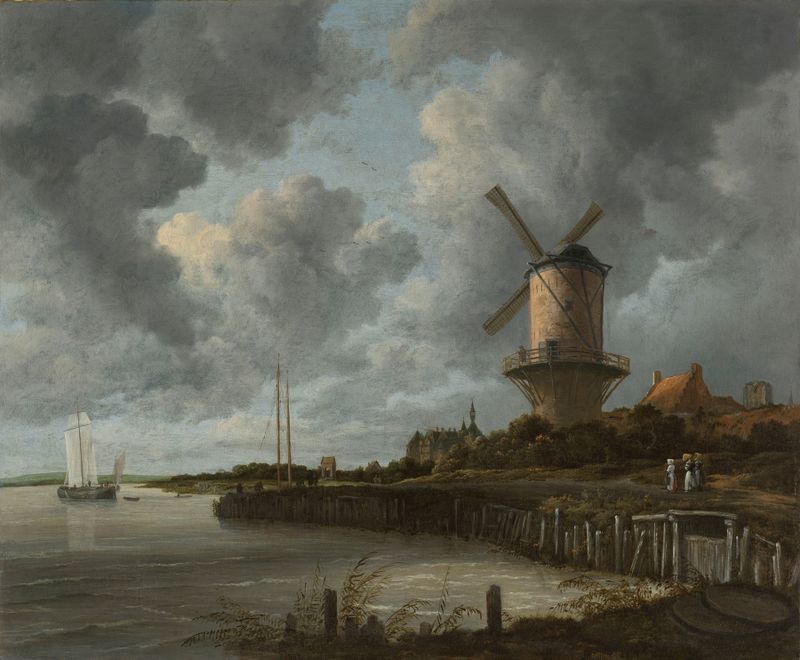
The Windmill at Wijk bij Duurstede
Jacob van Ruisdael
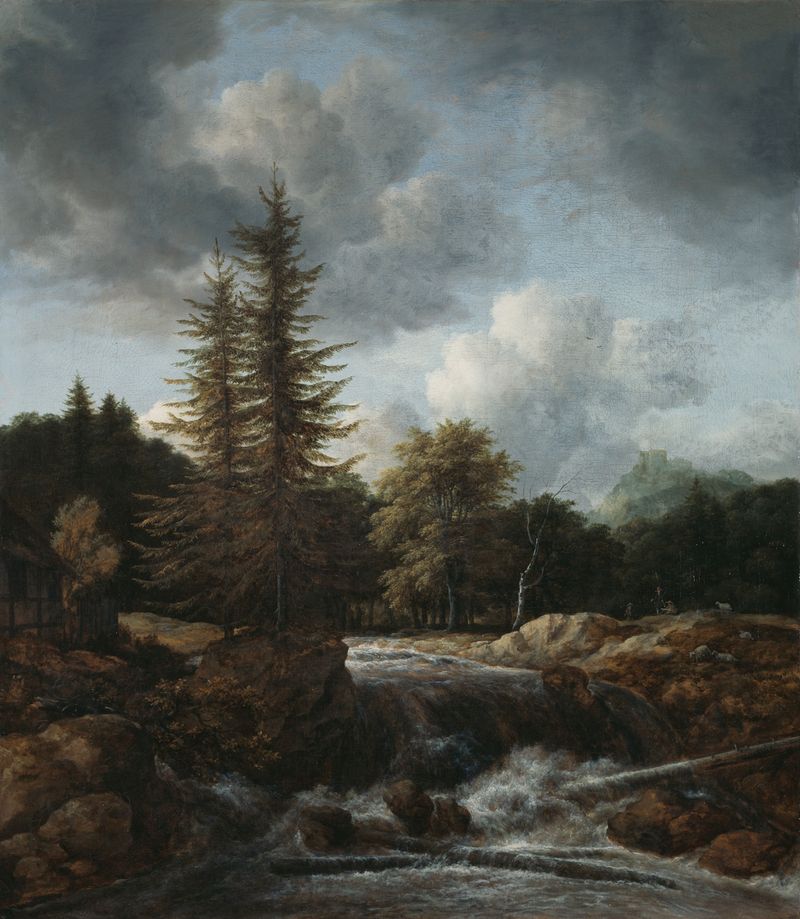
Landscape with Waterfall
Jacob van Ruisdael
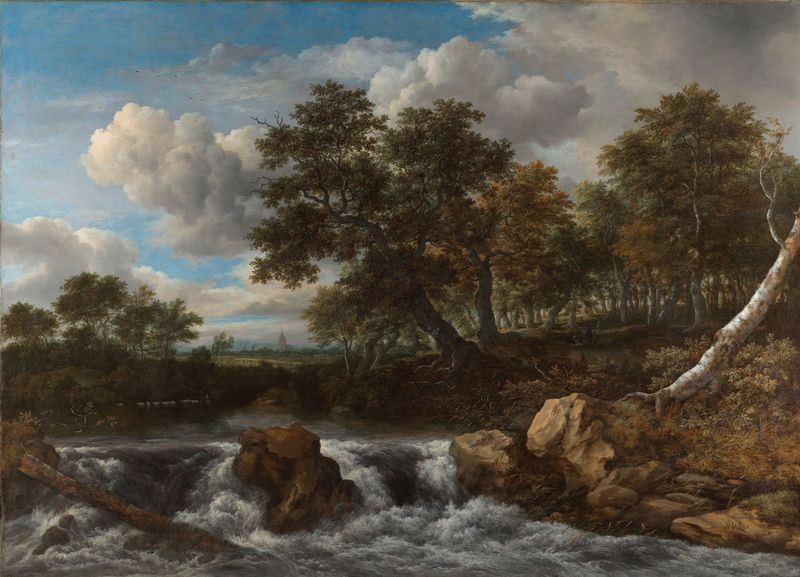
Landscape with Waterfall
Jacob van Ruisdael
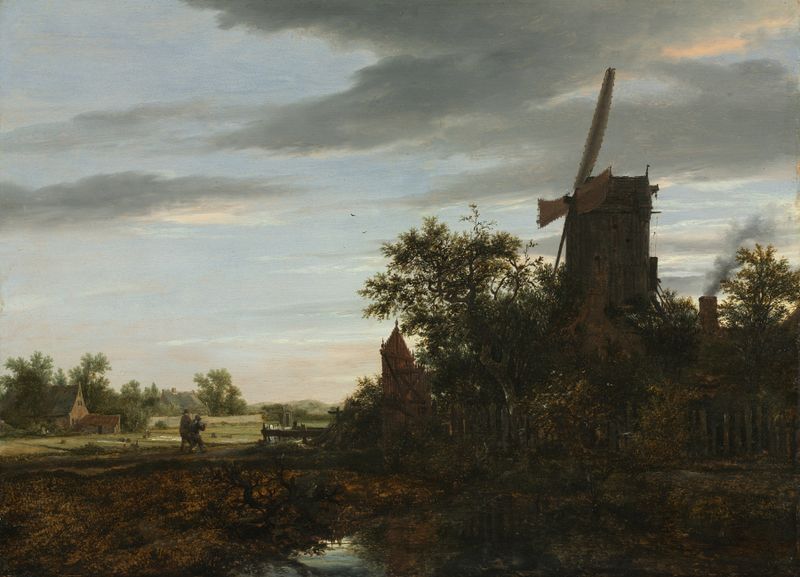
Landscape with a Windmill
Jacob van Ruisdael

Wooded hillside with a view of Bentheim Castle
Jacob van Ruisdael
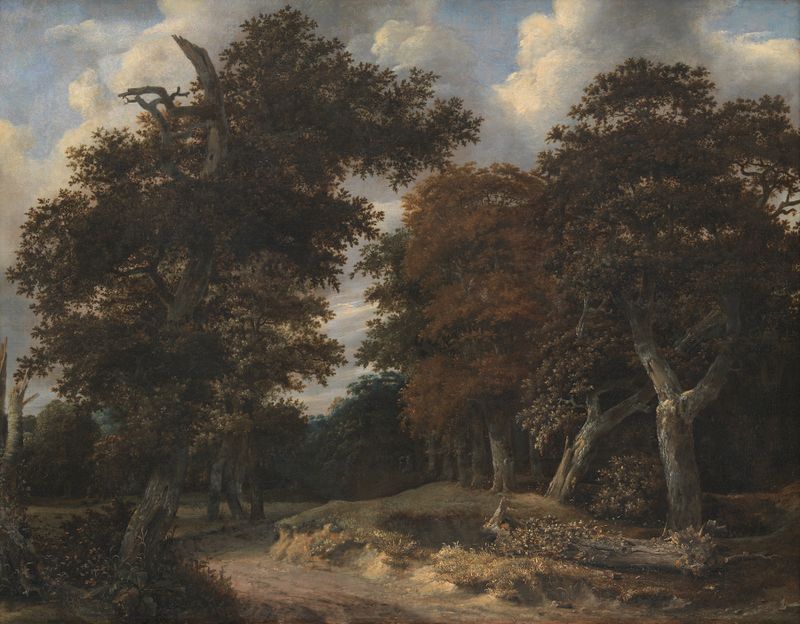
Road through an Oak Forest
Jacob van Ruisdael

Landscape with a Church
Jacob van Ruisdael

The Forest Stream
Jacob van Ruisdael

The Jewish Cemetery
Jacob van Ruisdael





