
Forest Landscape — History & Facts
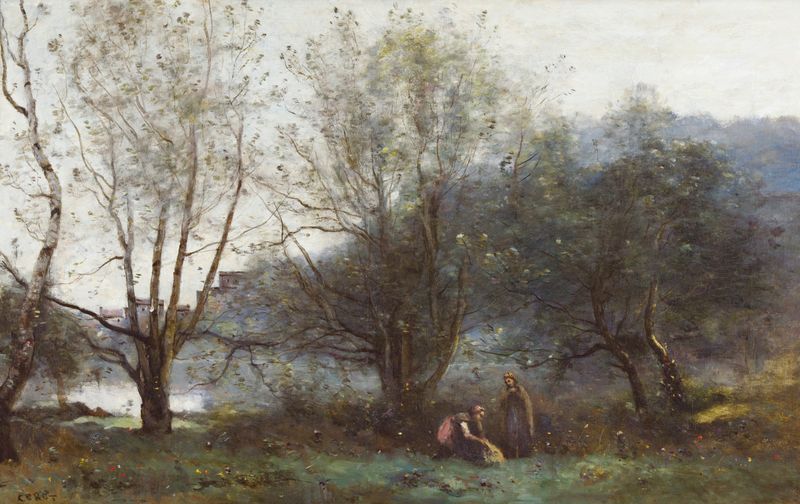
Is this a mirror — or a memory? A quiet realm unfolds before us, where the interplay of light and shadow teases the imagination, whispering secrets of divinity and nature’s embrace. Look to the left at the gentle rise of the hills, their contours softening under a nurturing green. The pale blues and warm earth tones blend seamlessly, creating a serene atmosphere. Notice how the sunlight filters through the branches, casting dapples of light that dance across the forest floor and draw your gaze deeper into the scene.
The brush strokes are both fluid and deliberate, capturing the essence of the landscape with a poetic rhythm that invites contemplation. Within this tranquil vista lie contrasts that evoke a sense of longing. The stillness of the forest is punctuated by the promise of movement; the mingling of light and dark suggests the eternal struggle between the known and the unknown. Each tree stands as a sentinel, witnessing moments of creation and decay, reminding us of the transience of life.
The composition breathes with an ethereal quality, hinting at a divine presence that permeates the natural world. In the 19th century, as the artist painted this work, he was embracing the ideals of Romanticism, exploring the deeper connections between humanity and nature. Corot was well-established in the French art scene, known for his landscapes that captured the essence of the countryside and the changing seasons. This period was marked by a growing appreciation for the beauty of the natural world, reflecting both personal introspection and the broader cultural shifts of the time.
More Artworks by Jean-Baptiste-Camille Corot
Browse all →
View of Genoa
Jean-Baptiste-Camille Corot
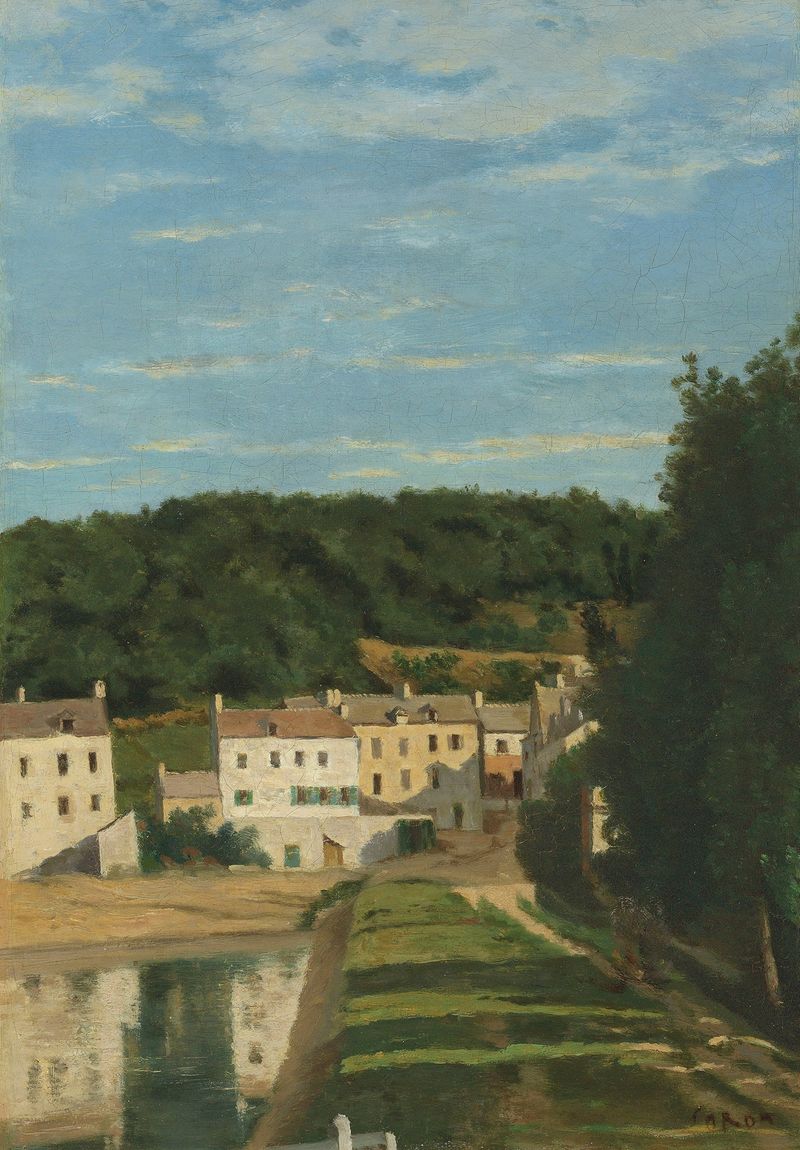
Les Maisons Cabassud À Ville D’avray
Jean-Baptiste-Camille Corot

La solitude. Souvenir de Vigen (Limousin)
Jean-Baptiste-Camille Corot
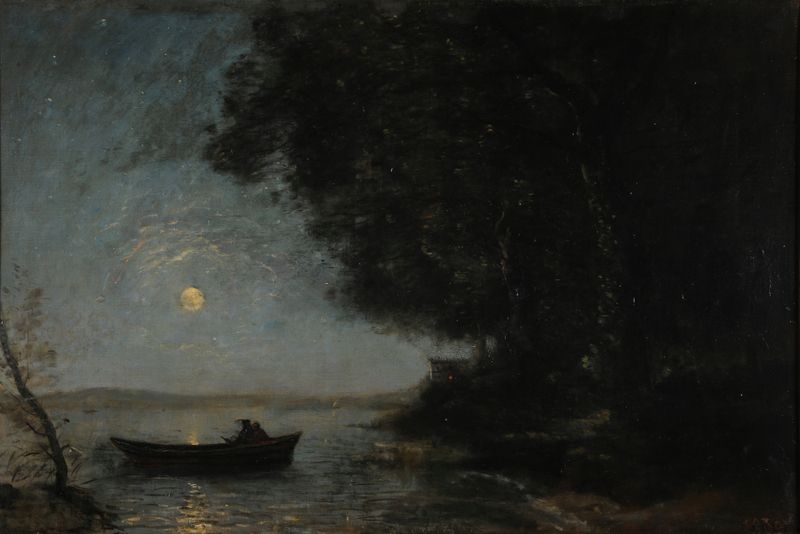
Le lac ; effet de nuit
Jean-Baptiste-Camille Corot
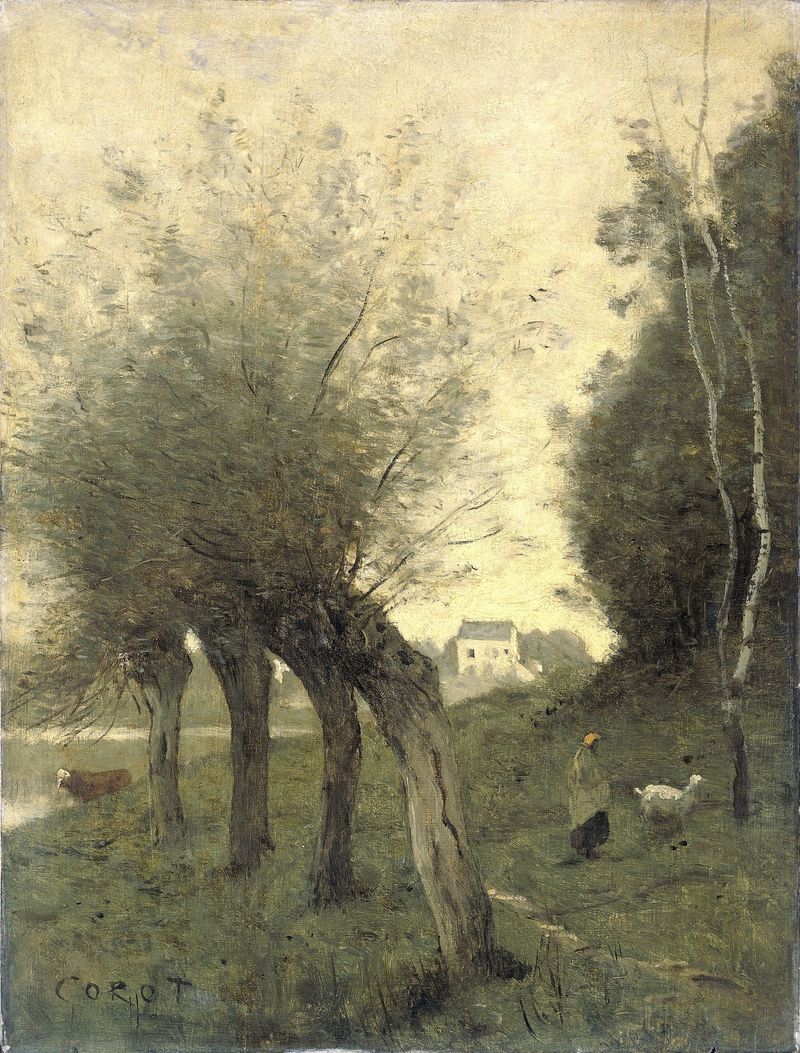
Landscape with Pollard Willows
Jean-Baptiste-Camille Corot
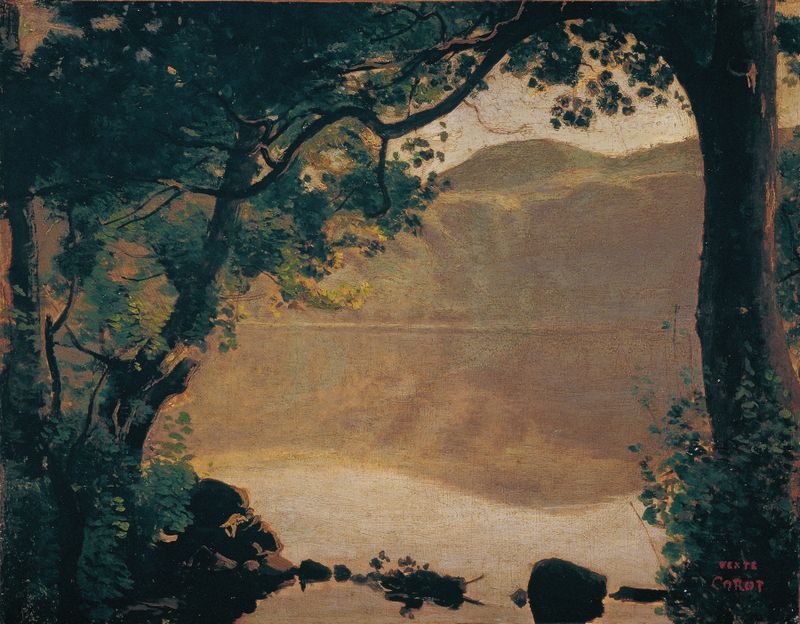
Der Nemisee
Jean-Baptiste-Camille Corot
Les Étangs De Ville D’avray
Jean-Baptiste-Camille Corot
Pond in the Woods
Jean-Baptiste-Camille Corot
Ville D’avray; L’abreuvoir Des Chevaux
Jean-Baptiste-Camille Corot
Le vallon au cavalier
Jean-Baptiste-Camille Corot





