
Forest Landscape — History & Facts
What secret hides in the quiet of the canvas? Beneath the tranquil surface of a forest landscape, shadows weave a narrative that beckons the viewer to delve deeper. Look to the left at the intricate interplay of light and dark, where dappled sunlight filters through the dense canopy above, casting intricate patterns on the forest floor. The meticulous brushstrokes create a sense of movement in the foliage, each stroke revealing Ravier’s masterful command of color, blending soft greens and earthy browns with vibrant highlights. Focus on the small clearing, where the light breaks through, illuminating a path that invites exploration and reflection, drawing the eye into the serene embrace of nature. Within this peaceful scene, the contrasting elements of light and shadow evoke a tension between solace and mystery.
The shadows hint at hidden realms, places untraveled, while the vibrant foliage represents life and vitality. This duality invites introspection, encouraging the viewer to contemplate the secrets that lie within the tranquility of the woods, suggesting a narrative of both beauty and the unknown that lurks just beyond the visible. Ravier created this landscape during a period of artistic exploration in the mid-19th century, when romanticism flourished and landscapes began to take on deeper emotional resonance. Working in France, he was influenced by the evolving techniques of his time, using color and light to convey mood and atmosphere.
The quietude of this forest scene reflects not only his personal quest for harmony in nature but also the broader cultural movement that sought to celebrate the sublime beauty of the natural world.
More Artworks by François-Auguste Ravier
Browse all →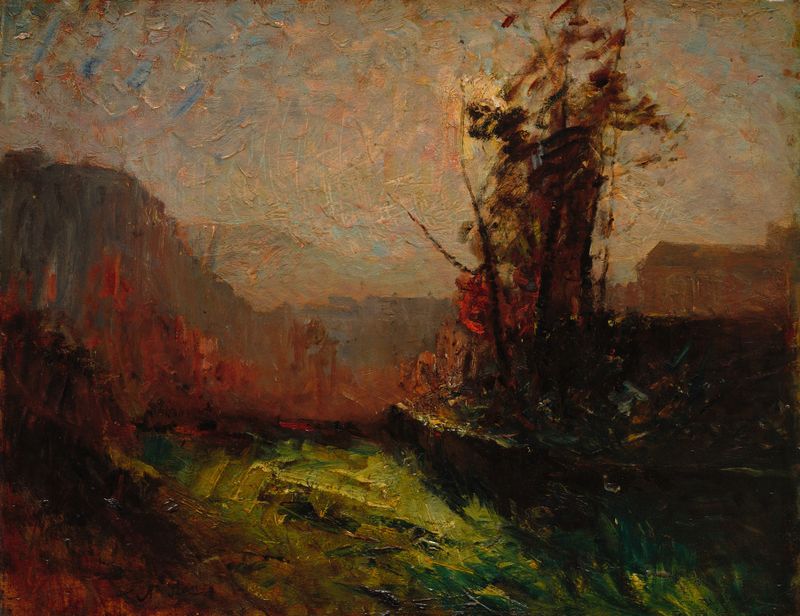
Crémieu, Seen from Chaillonnette
François-Auguste Ravier
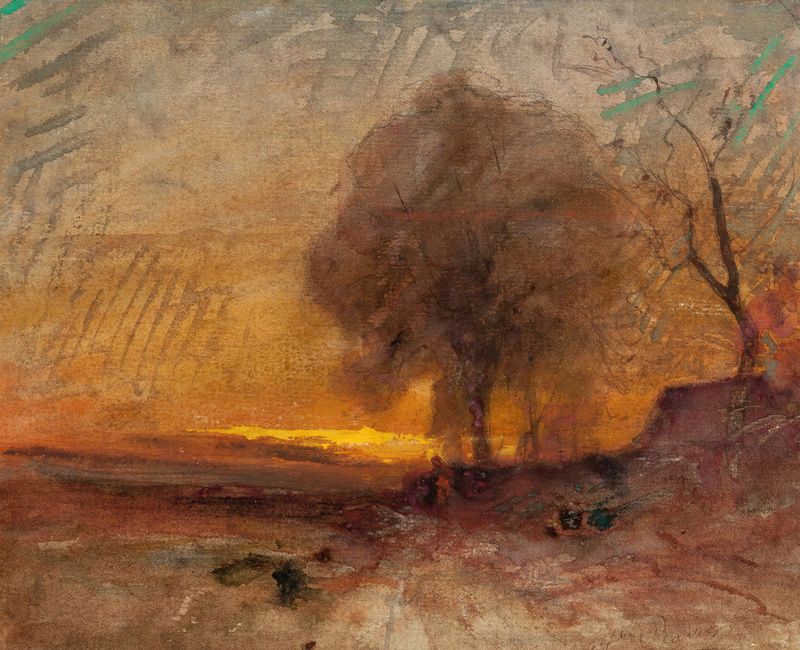
Landscape at Dusk
François-Auguste Ravier

Étude de paysage
François-Auguste Ravier
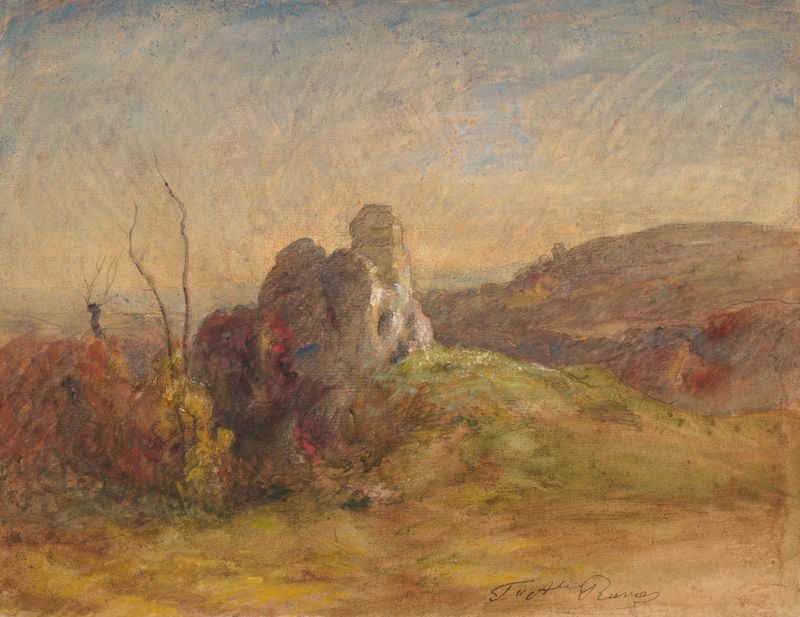
Landscape
François-Auguste Ravier
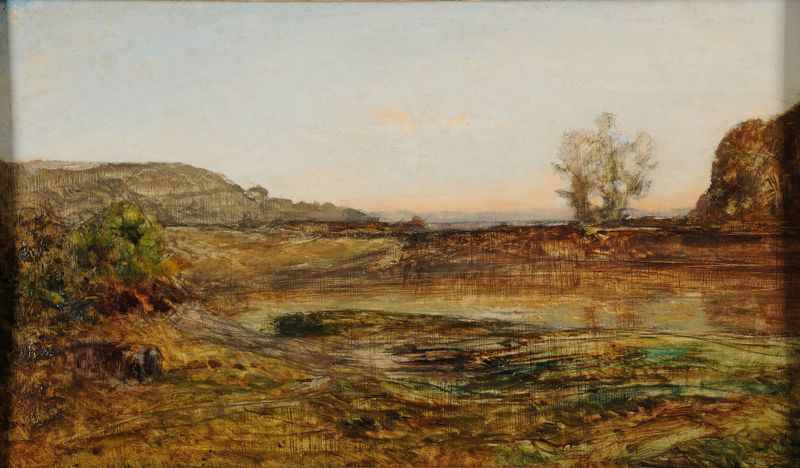
L’Étang d’Optevoz
François-Auguste Ravier
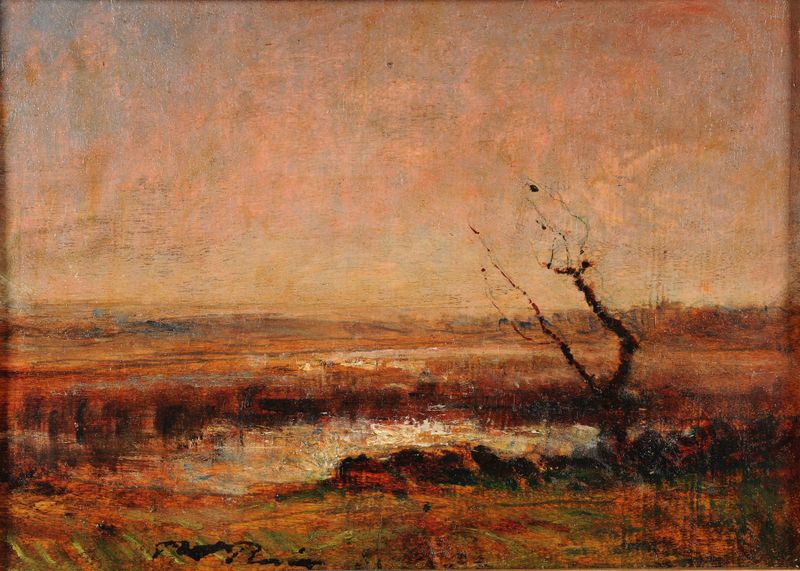
Étude de paysage
François-Auguste Ravier

Approaching Morestal
François-Auguste Ravier

Allée des Tilleuls à Crémieu
François-Auguste Ravier
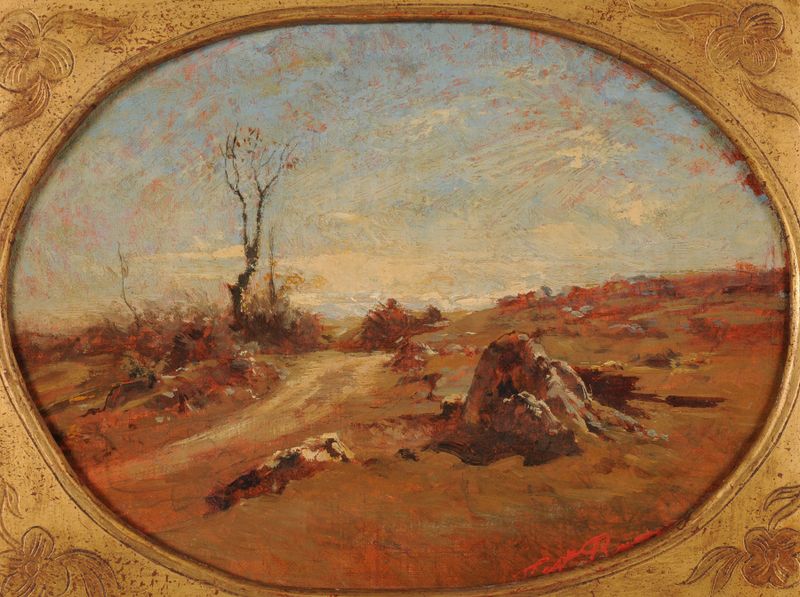
Automne. L’arbre
François-Auguste Ravier

Sunset over a Pond
François-Auguste Ravier





