
Forest Landscape — History & Facts
Where does light end, and longing begin? In the vast expanse of nature, one can find glimpses of transcendence that speak to the quiet yearnings of the soul. Look closely at the interplay of light filtering through the thick canopy of trees, where rays dance gracefully upon the forest floor. Notice how the deep greens of the foliage harmonize with the gentle browns of the earth, creating a rich tapestry that invites exploration. The skillful brushwork draws the eye from the foreground’s dense underbrush to the horizon, where a serene sky stretches above, hinting at possibilities beyond the visible world. Embedded within this tranquil landscape are contrasts that evoke contemplation.
The looming trees, sturdy yet ethereal, symbolize the weight of nature’s endurance, while the luminous sky suggests hope and freedom. Subtle touches of light reflect the tension between shadow and illumination, capturing a balance that echoes the duality of human existence—both grounded and yearning for something more. Each detail, from the rustic textures to the serene presence of the distant hills, encourages a deep emotional response. Jacob van Ruisdael painted Forest Landscape around 1650, during a period when Dutch art was flourishing with a focus on realism and nature.
Living in Haarlem, he was influenced by the burgeoning interest in landscapes, as artists sought to depict the natural world with both fidelity and emotional resonance. This work reflects his mastery in capturing the sublime beauty of the Dutch countryside while also exploring deeper philosophical themes that resonate with viewers across centuries.
More Artworks by Jacob van Ruisdael
Browse all →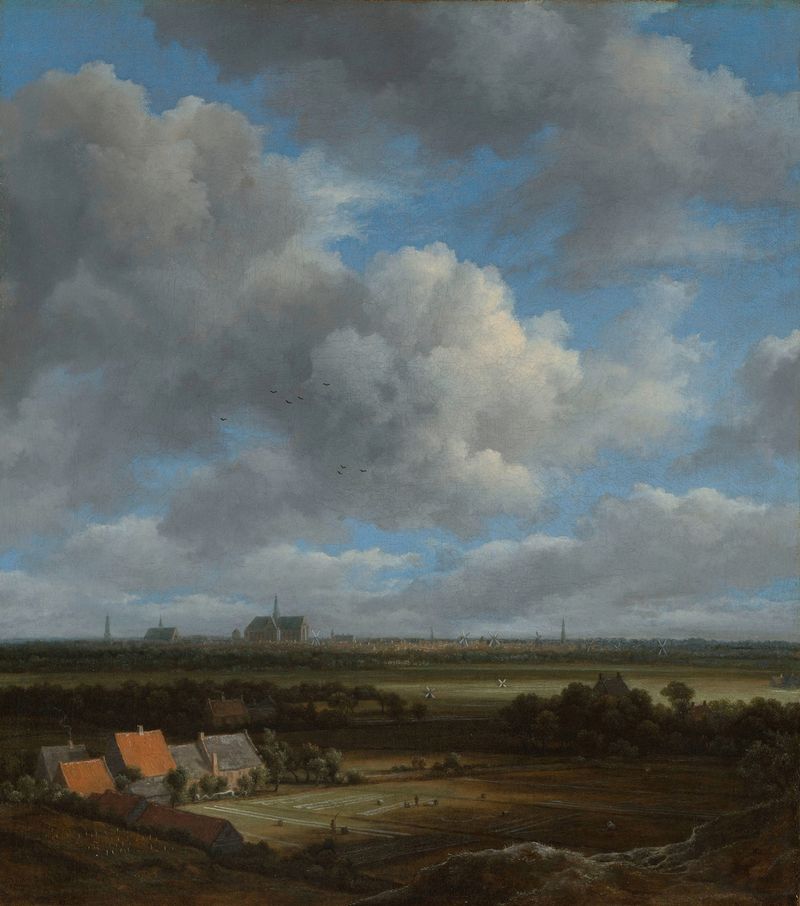
View of Haarlem from the Northwest, with the Bleaching Fields in the Foreground
Jacob van Ruisdael
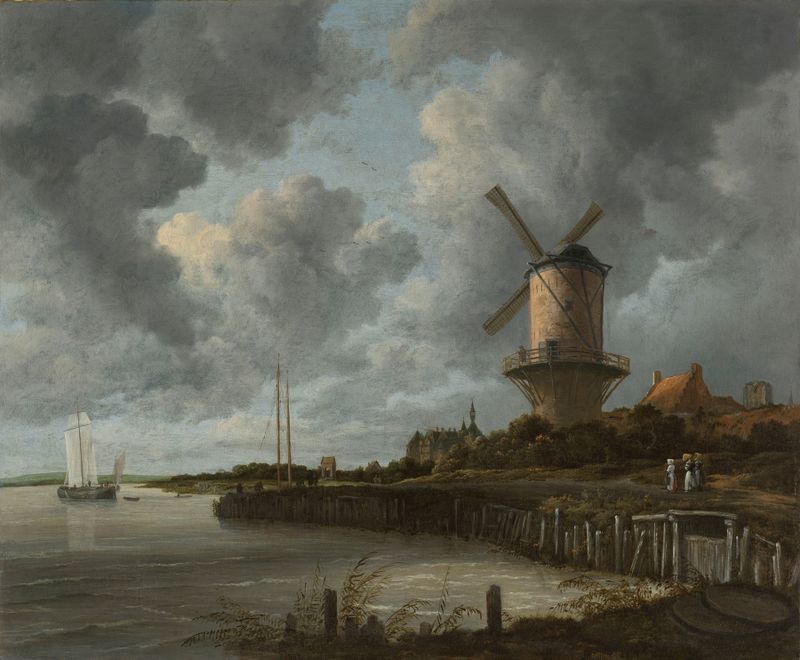
The Windmill at Wijk bij Duurstede
Jacob van Ruisdael
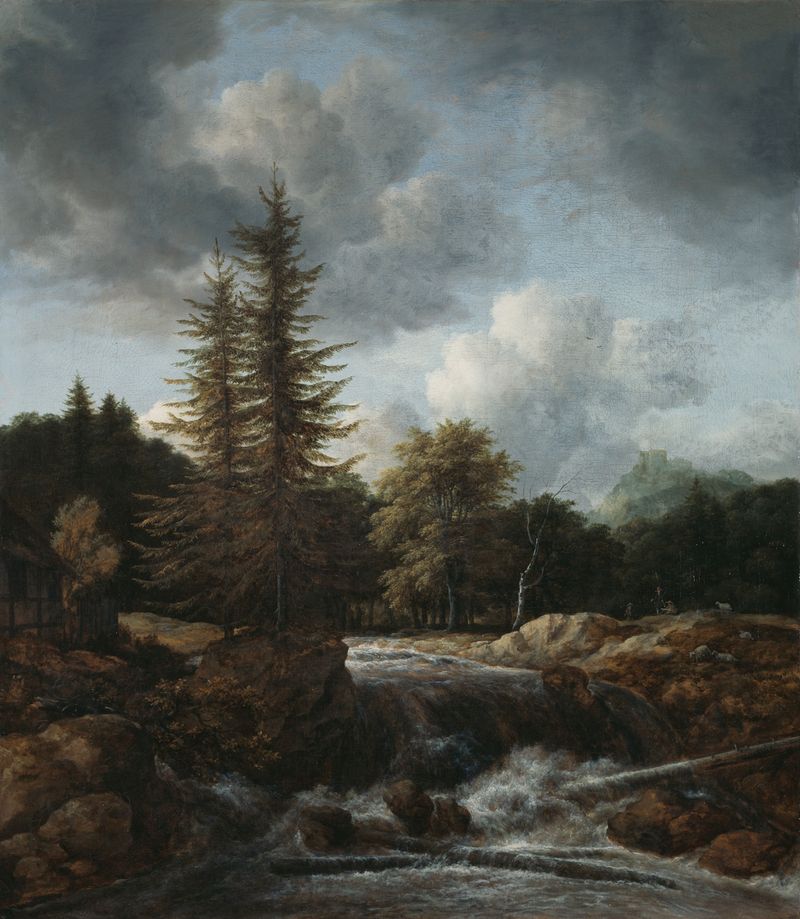
Landscape with Waterfall
Jacob van Ruisdael
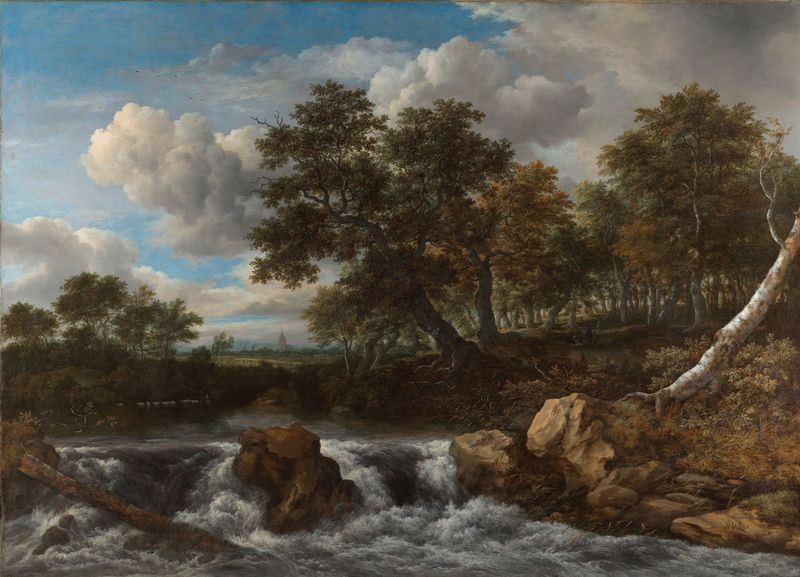
Landscape with Waterfall
Jacob van Ruisdael
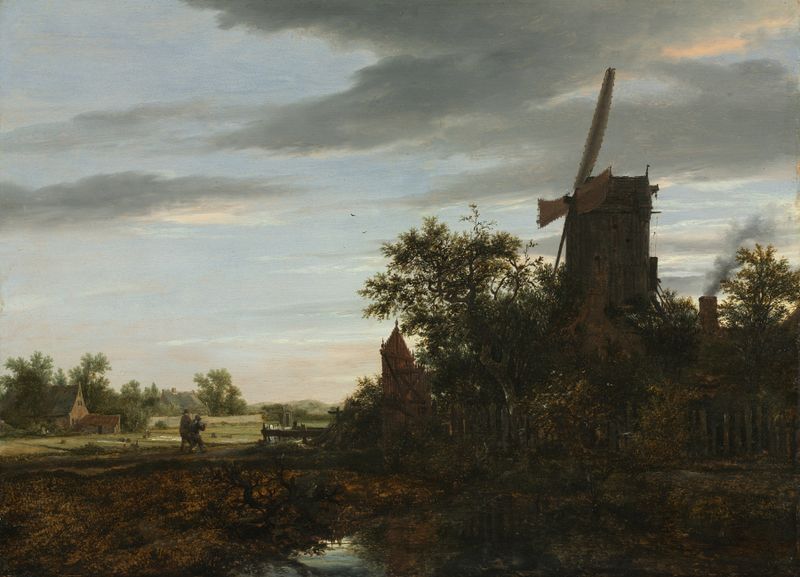
Landscape with a Windmill
Jacob van Ruisdael

Wooded hillside with a view of Bentheim Castle
Jacob van Ruisdael
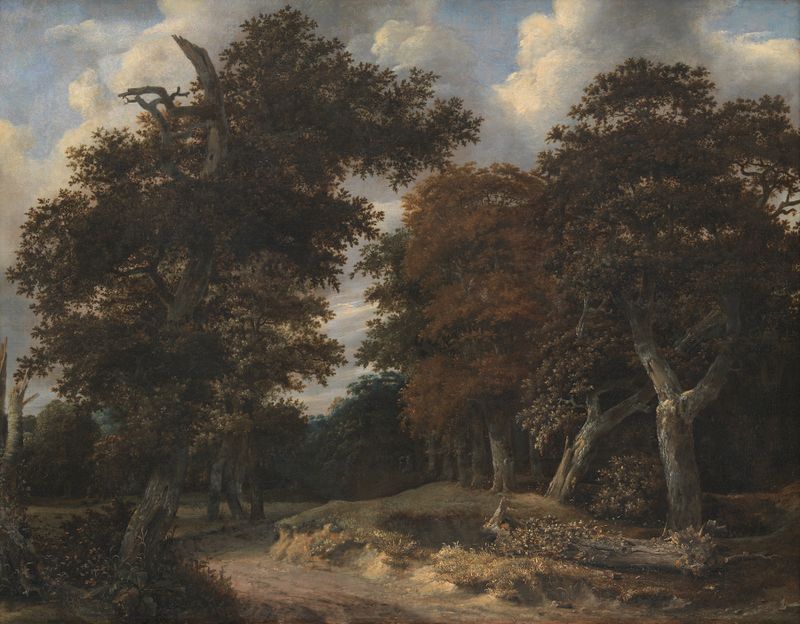
Road through an Oak Forest
Jacob van Ruisdael

Landscape with a Church
Jacob van Ruisdael

The Forest Stream
Jacob van Ruisdael

The Jewish Cemetery
Jacob van Ruisdael





