
Forest Landscape with Stag Hunt — History & Facts
When did color learn to lie? In the hands of a master, hues shimmer with an intensity that can obscure or illuminate the truth of nature’s landscape. Look to the center where the vibrant greens of the forest converge, drawing you into a world alive with texture and vitality. The stag, poised and alert, catches the light filtering through the trees, its antlers crowned in an ethereal glow. Framed by a cacophony of muted earth tones, the hunters’ figures blend into the underbrush, their presence both urgent and stealthy.
Calame’s brushwork is meticulous, each stroke revealing layers of foliage that breathe life into the canvas. Beneath the surface, there lies a tension between nature's beauty and the violence of the hunt. The bright, almost deceptive colors reflect a moment suspended between tranquility and impending chaos. The contrasting dark shadows cast by the trees serve as a reminder of the lurking dangers inherent in this serene setting, while the way light dances on the stag emphasizes its vulnerability amidst the thrill of the chase.
This duality captures the complex relationship between humanity and the wild, evoking an emotional response that resonates long after viewing. In 1844, when this work was painted, Calame was based in Switzerland, where he was deeply engaged with the Romantic movement. His focus on nature and landscapes was echoing a broader European fascination with the sublime. The mid-19th century was a time of shifting artistic ideologies, as artists began to explore not only the beauty of the natural world but also the inherent conflicts within it — a theme delicately captured in this compelling piece.
More Artworks by Alexandre Calame
Browse all →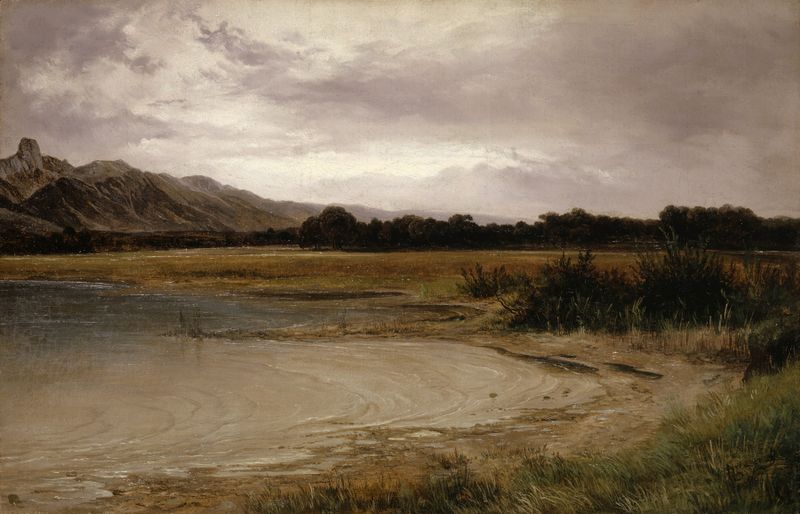
By the Lake of Thun
Alexandre Calame
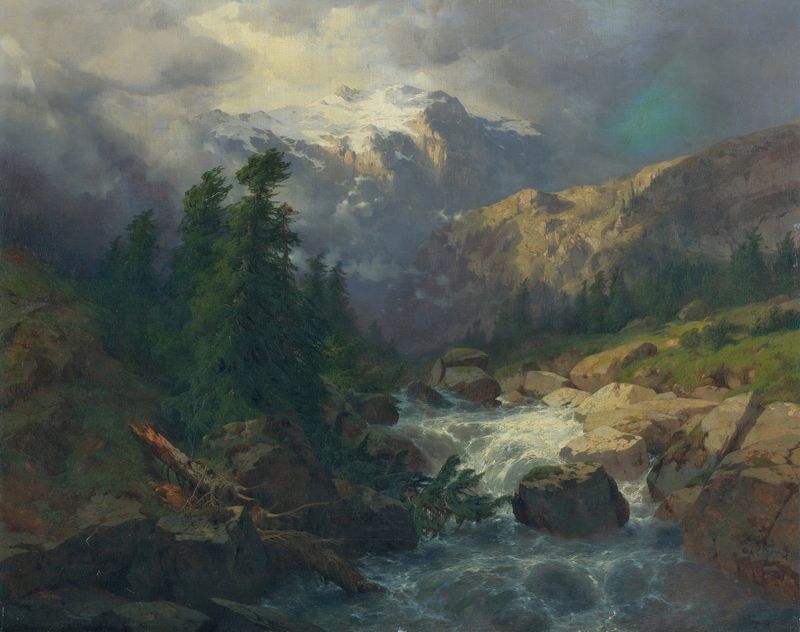
Souvenir Handeck, Stormy Weather
Alexandre Calame
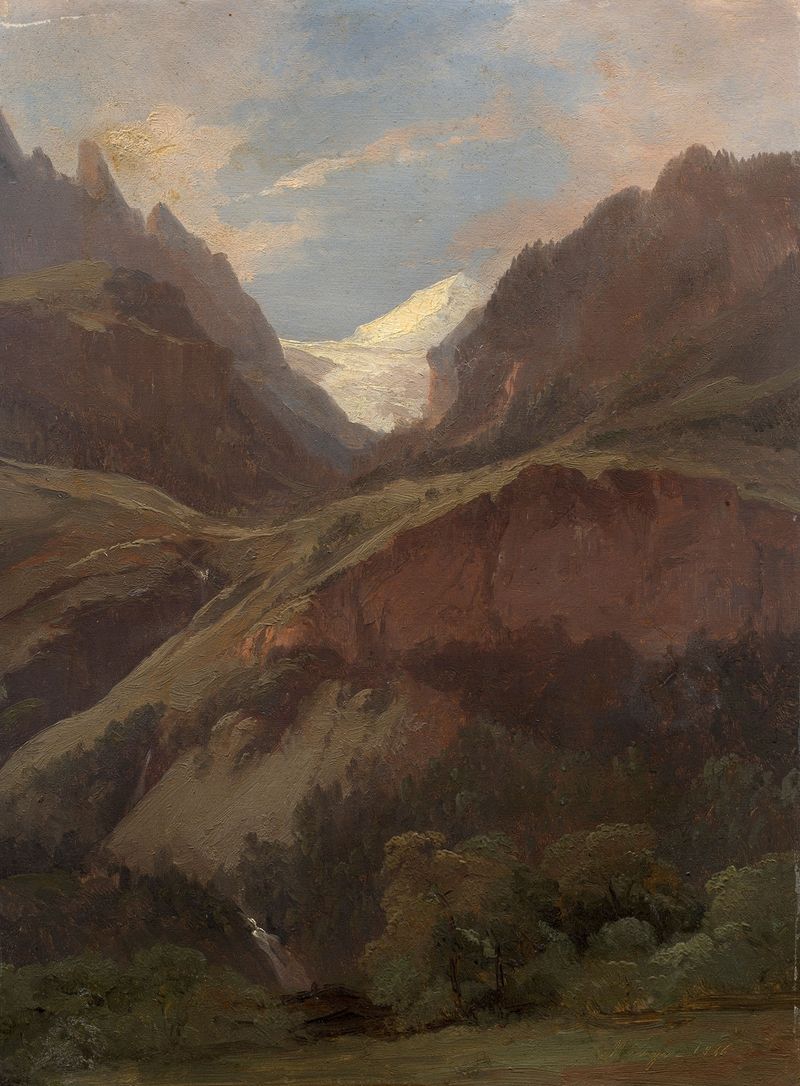
View of the Wetterhorn and the Reichenbach from Meiringen
Alexandre Calame
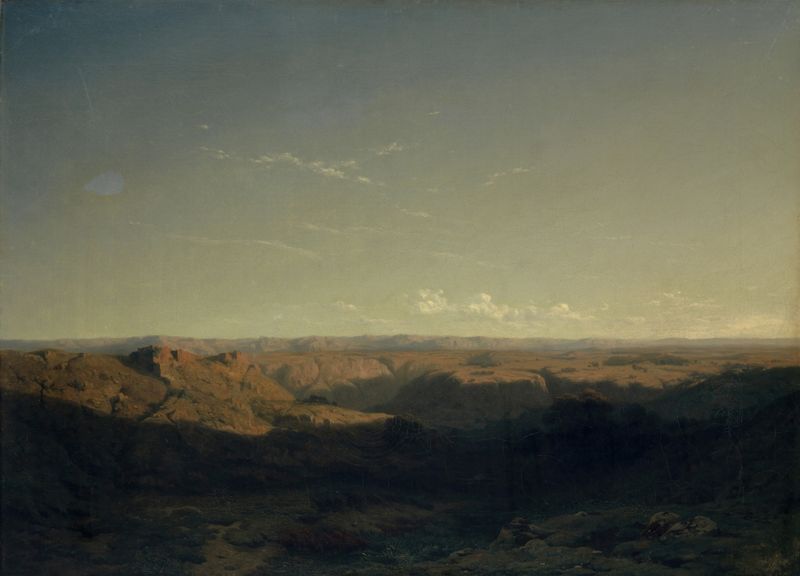
Southern Mountain Landscape
Alexandre Calame
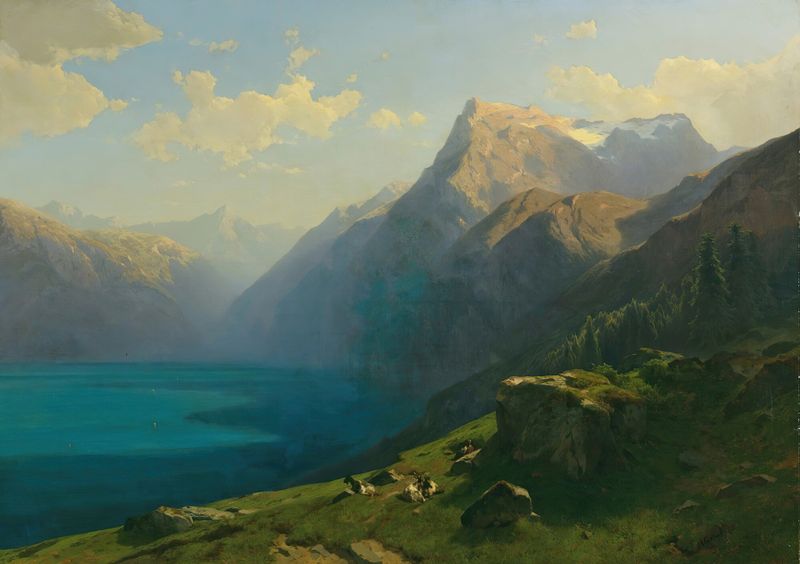
View Of Lake Lucerne From Seelisberg
Alexandre Calame
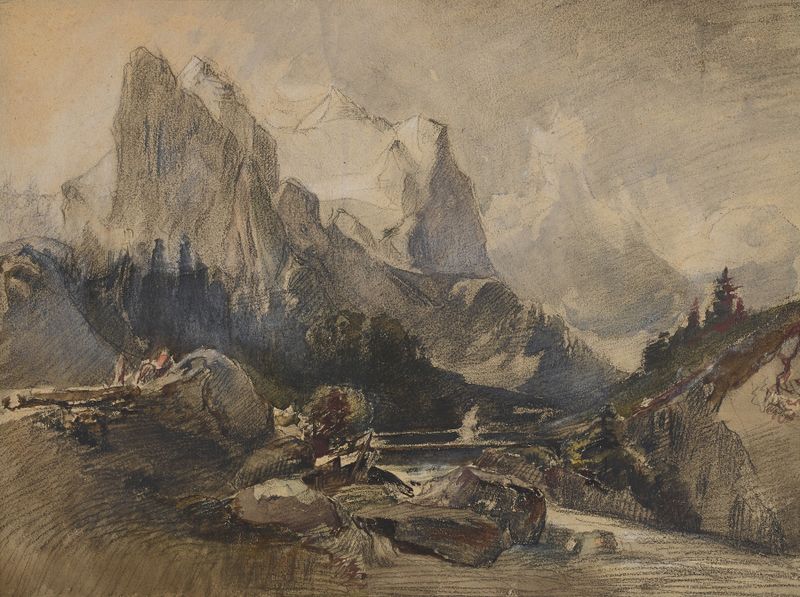
Das Wetterhorn im Berner Oberland
Alexandre Calame
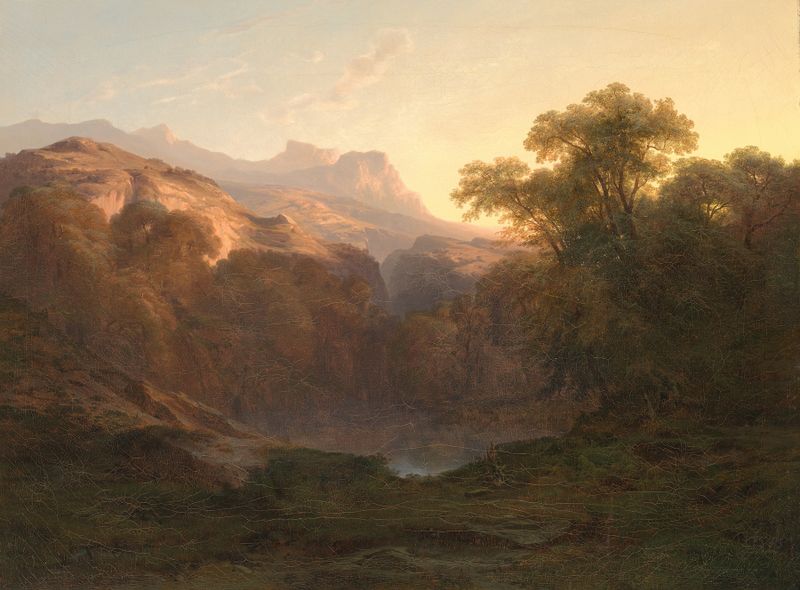
Mountain scenery
Alexandre Calame
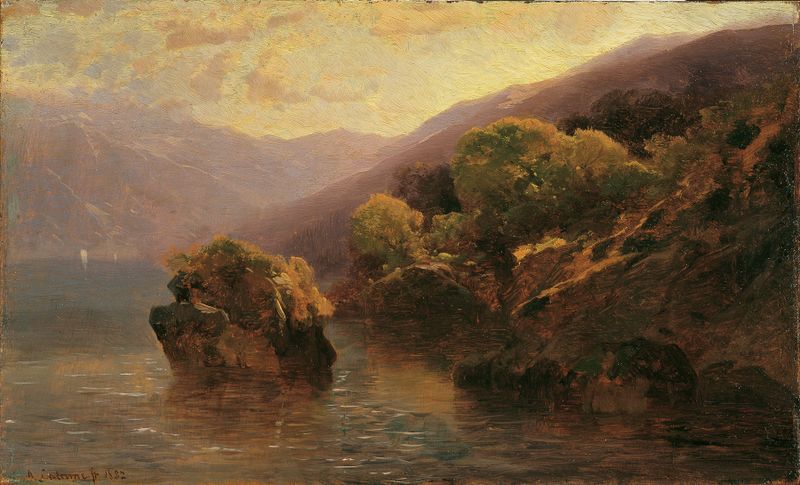
Partie vom Genfer See
Alexandre Calame
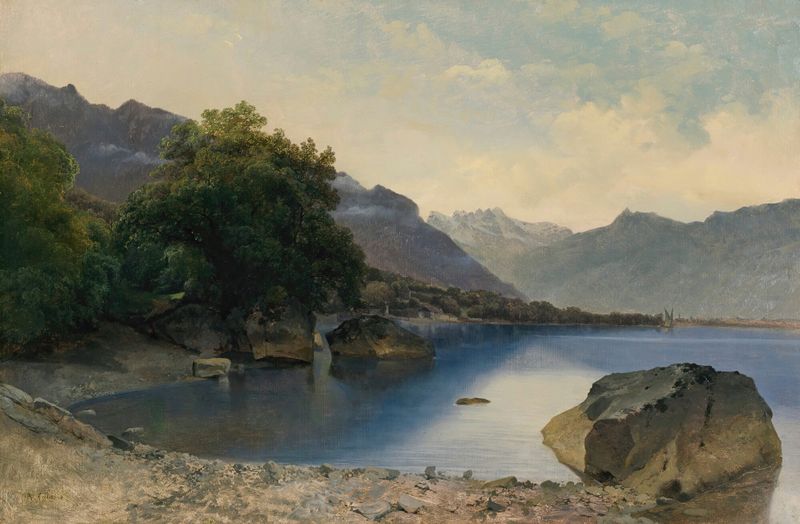
Petite Baie Du Lac Léman Près De Chillon
Alexandre Calame

Swiss Landscape
Alexandre Calame





