
Forest Scene — History & Facts
When did color learn to lie? Nature's palette often conceals profound truths beneath its vibrant surface, whispering secrets of rebirth and renewal hidden in the shadows of leafy canopies. Focus on the intricate interplay of greens that envelop the canvas; the varying shades extend from the deep, somber hues at the base to the luminous highlights that dance across the leaves above. Notice how the light filters through the branches, casting dappled patterns on the forest floor, inviting you to wander deeper into this tranquil yet complex world. The composition feels alive, each brushstroke contributing to a vivid tapestry that beckons exploration. The juxtaposition of light and dark evokes a sense of duality—the interplay between the known and the unknown.
The towering trees, both majestic and intimidating, seem to guard secrets of the past, while the soft earth below suggests promise and renewal. This tension between the ancient and the transient underscores the cycles of life, inviting reflection on the nature of existence and the boundaries of perception. Jacob van Ruisdael painted Forest Scene around 1655, during a period of significant change in the Dutch Golden Age. As a leading figure in landscape painting, he sought to capture the essence of nature's beauty while exploring its emotional depths.
At this time, Ruisdael was navigating personal challenges and the shifting art world, striving to elevate the genre of landscape through his mastery of light and texture.
More Artworks by Jacob van Ruisdael
Browse all →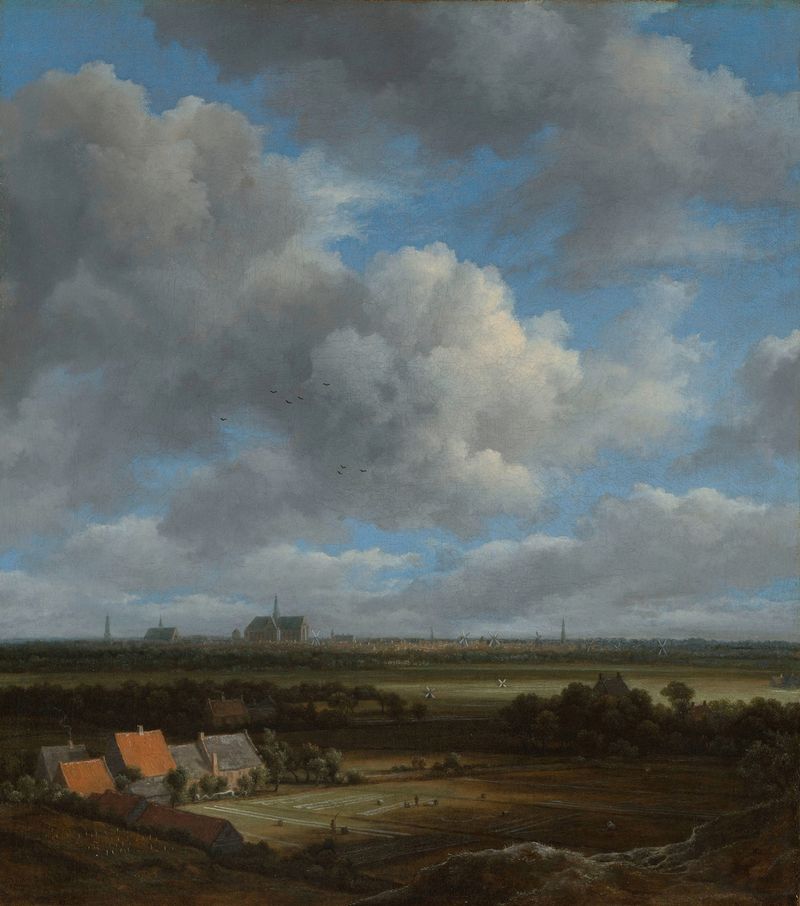
View of Haarlem from the Northwest, with the Bleaching Fields in the Foreground
Jacob van Ruisdael
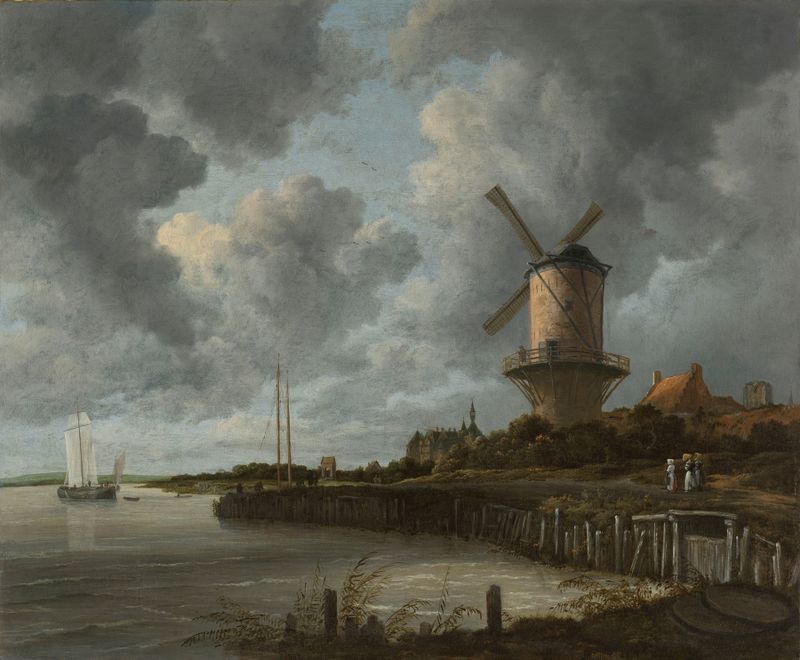
The Windmill at Wijk bij Duurstede
Jacob van Ruisdael
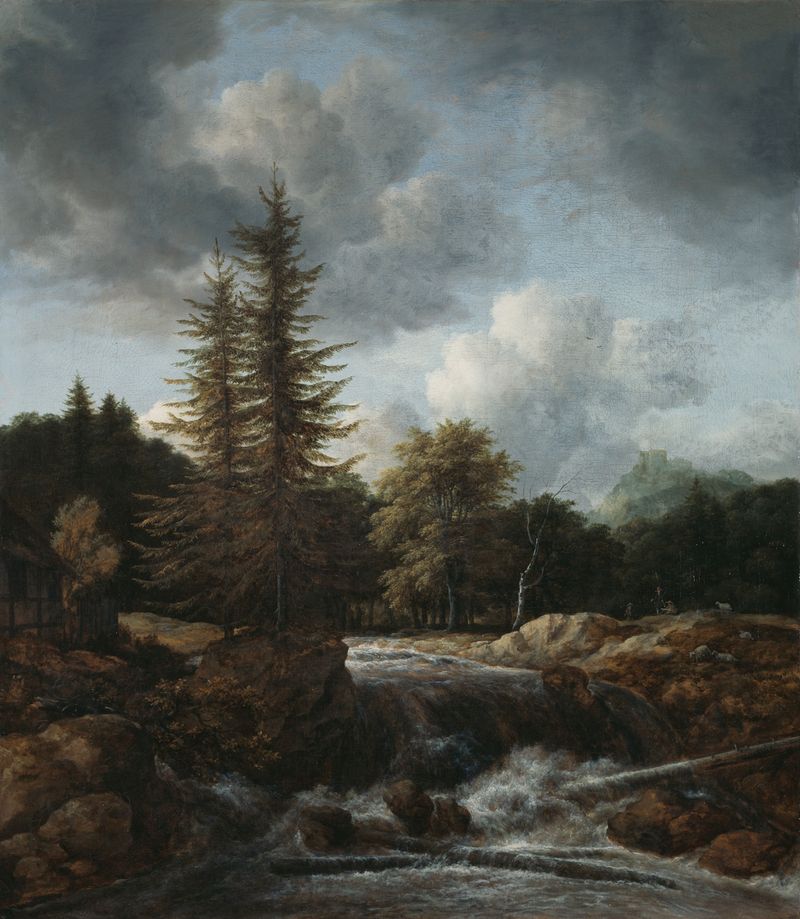
Landscape with Waterfall
Jacob van Ruisdael
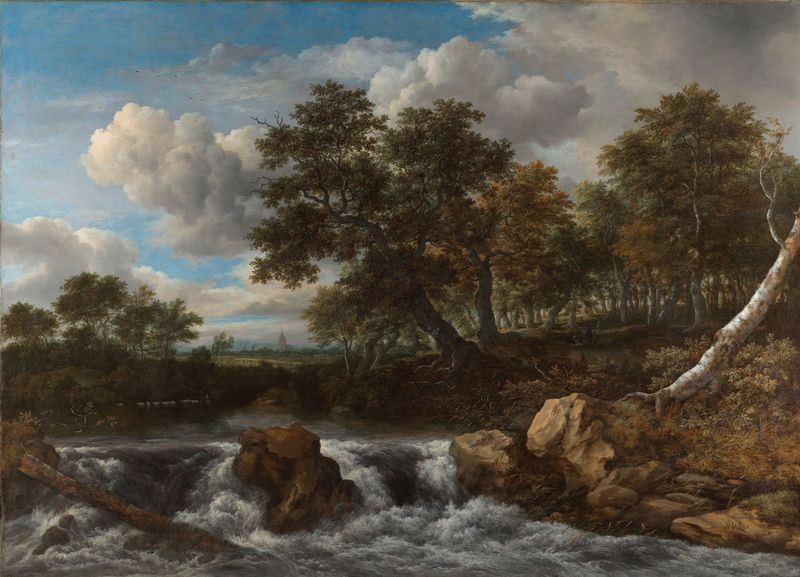
Landscape with Waterfall
Jacob van Ruisdael
Landscape with a Windmill
Jacob van Ruisdael

Wooded hillside with a view of Bentheim Castle
Jacob van Ruisdael
Road through an Oak Forest
Jacob van Ruisdael

Landscape with a Church
Jacob van Ruisdael

The Forest Stream
Jacob van Ruisdael

The Jewish Cemetery
Jacob van Ruisdael





