
Forest Scenery near Tamana — History & Facts
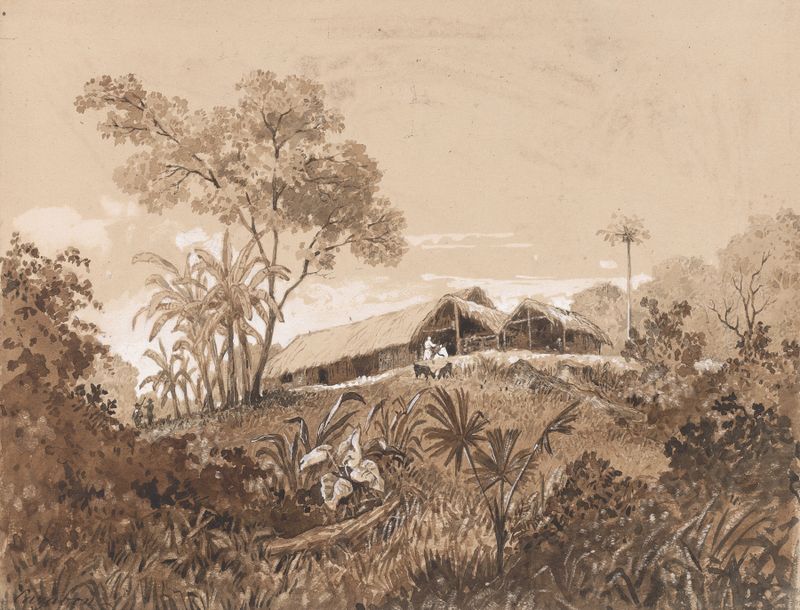
What if beauty was never meant to be finished? The fleeting essence of nature is captured in a moment, inviting viewers to ponder its eternal cycle. Look to the left, where gentle strokes of green foliage draw your gaze upward toward a canopy that appears almost alive. The light filters through the leaves, creating a dappled effect on the forest floor, where soft earth tones contrast with vibrant splashes of color. The artist’s delicate brushwork brings texture to each leaf, while the varying shades of green evoke a sense of depth and tranquility.
Notice how the horizon melts into a soft blend of blues and grays, suggesting the vastness beyond the woodland, yet keeping the viewer anchored in the serene embrace of the scene. Beneath the surface, the interplay of light and shadow speaks of transience. The vibrant patch of sunlight highlights a solitary wildflower, symbolizing the beauty of individuality amidst the collective harmony of the forest. The subtle inclusion of a distant figure—perhaps a wanderer or a dreamer—reminds us of humanity’s transient presence in nature.
This contrast between human existence and the enduring beauty of the landscape invites contemplation on our relationship with the environment and the moments we seize or let slip through our fingers. In 1857, while painting Forest Scenery near Tamana, Cazabon was deeply influenced by the picturesque landscapes of his native Trinidad. This period marked a shift in his work as he transitioned from academic themes to capturing the lush beauty of Caribbean nature. Cazabon’s attention to detail and genuine love for his homeland resonated with the burgeoning Romantic movement, which celebrated the sublime and the emotive power of landscapes, allowing him to leave a lasting impact on Caribbean art.
More Artworks by Michel Jean Cazabon
Browse all →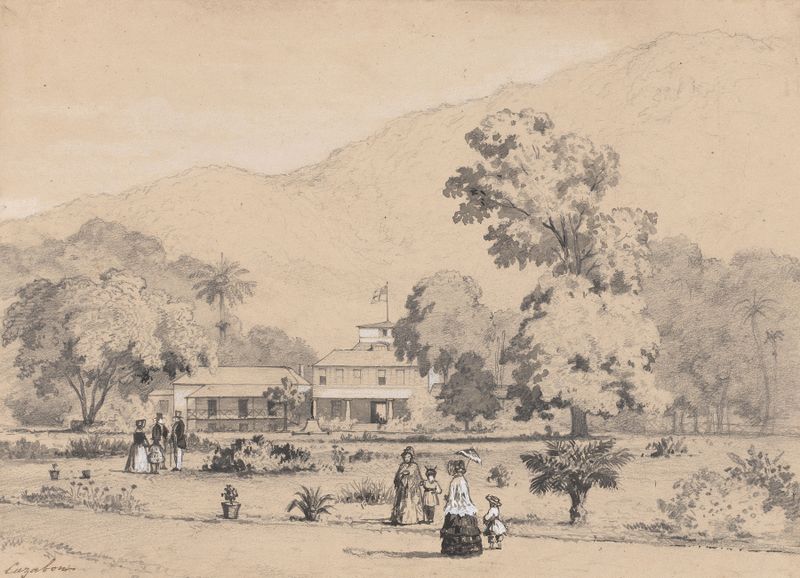
Governor’s Residence St. Ann’s
Michel Jean Cazabon

The Road to Pitch Lake
Michel Jean Cazabon
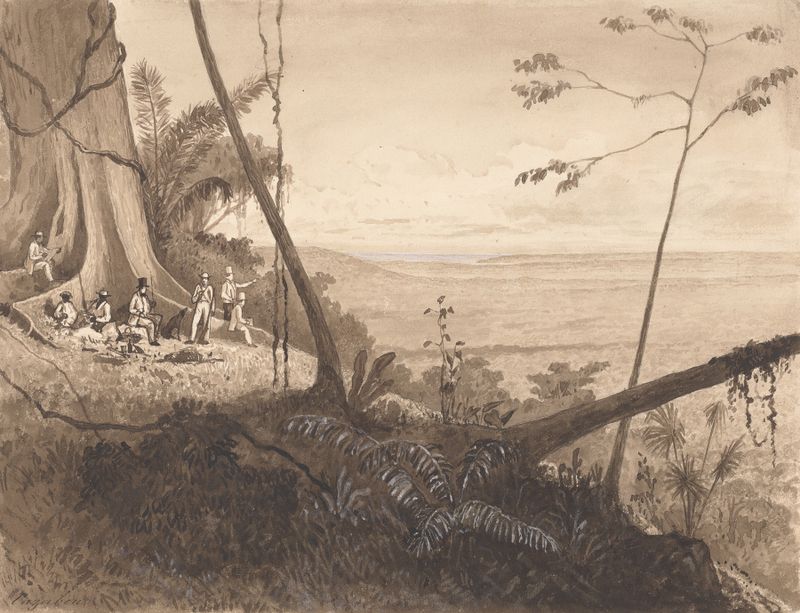
Cedar Point, Tamana
Michel Jean Cazabon

Maraccas Waterfall
Michel Jean Cazabon
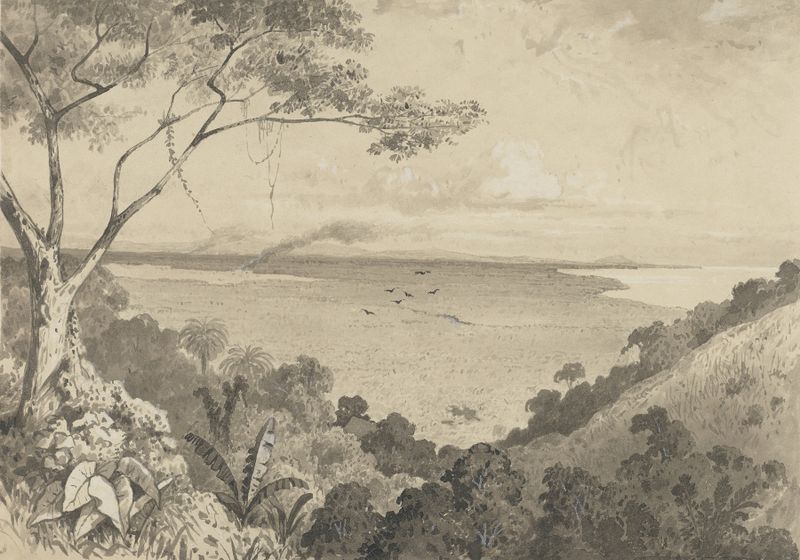
View from Laventille Hill
Michel Jean Cazabon

Garden Estate, Arouca
Michel Jean Cazabon

Bamboos St. Ann
Michel Jean Cazabon
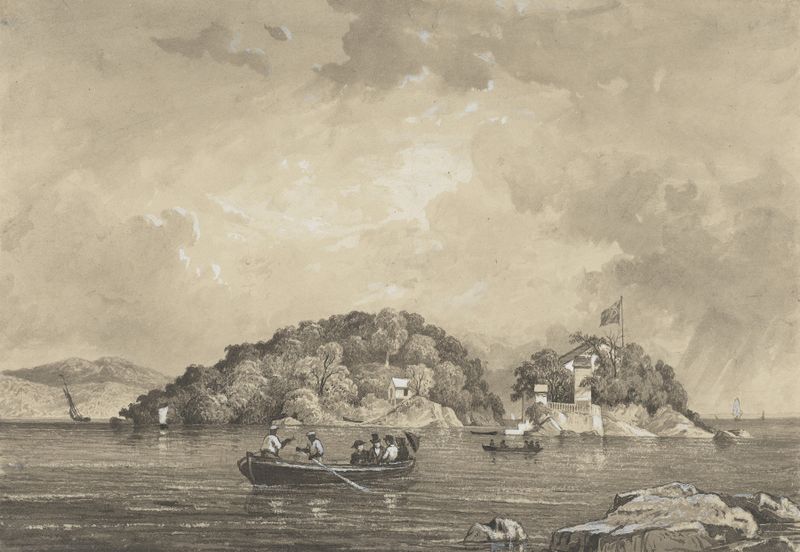
Caledonia and Craig Islands
Michel Jean Cazabon

St. Ann’s Waterfall
Michel Jean Cazabon
Cottage at Tamana
Michel Jean Cazabon





