
Discover insights about this artwork
Fortuna in a Niche — History & Facts
In Fortuna in a Niche, Albrecht Dürer presents the goddess of fortune, Fortuna, in a beautifully detailed niche. The colors are rich, with deep reds and golds dominating the scene. Fortuna is depicted holding a cornucopia, symbolizing abundance, while a wheel, representing the fickleness of fate, is present in the background.
The setting is ornate, enhancing the theme of wealth and fortune. The painting is executed in oil on panel, showcasing Dürer's skill in detail and texture. Viewers can observe the intricate patterns on Fortuna's clothing and the delicate rendering of her features. The use of light and shadow adds depth, making the figure appear almost three-dimensional.
Dürer’s meticulous approach is evident in the fine details, such as the textures of the cornucopia and the background. Albrecht Dürer was a key figure of the Northern Renaissance, known for his detailed and realistic works. Fortuna in a Niche reflects his interest in allegorical themes, combining classical elements with contemporary ideas. An interesting fact about this work is that it illustrates Dürer's fascination with the concept of fortune, which was a popular subject during his time.
This painting serves as a reminder of the unpredictable nature of fate and prosperity.
More Artworks by Albrecht Dürer
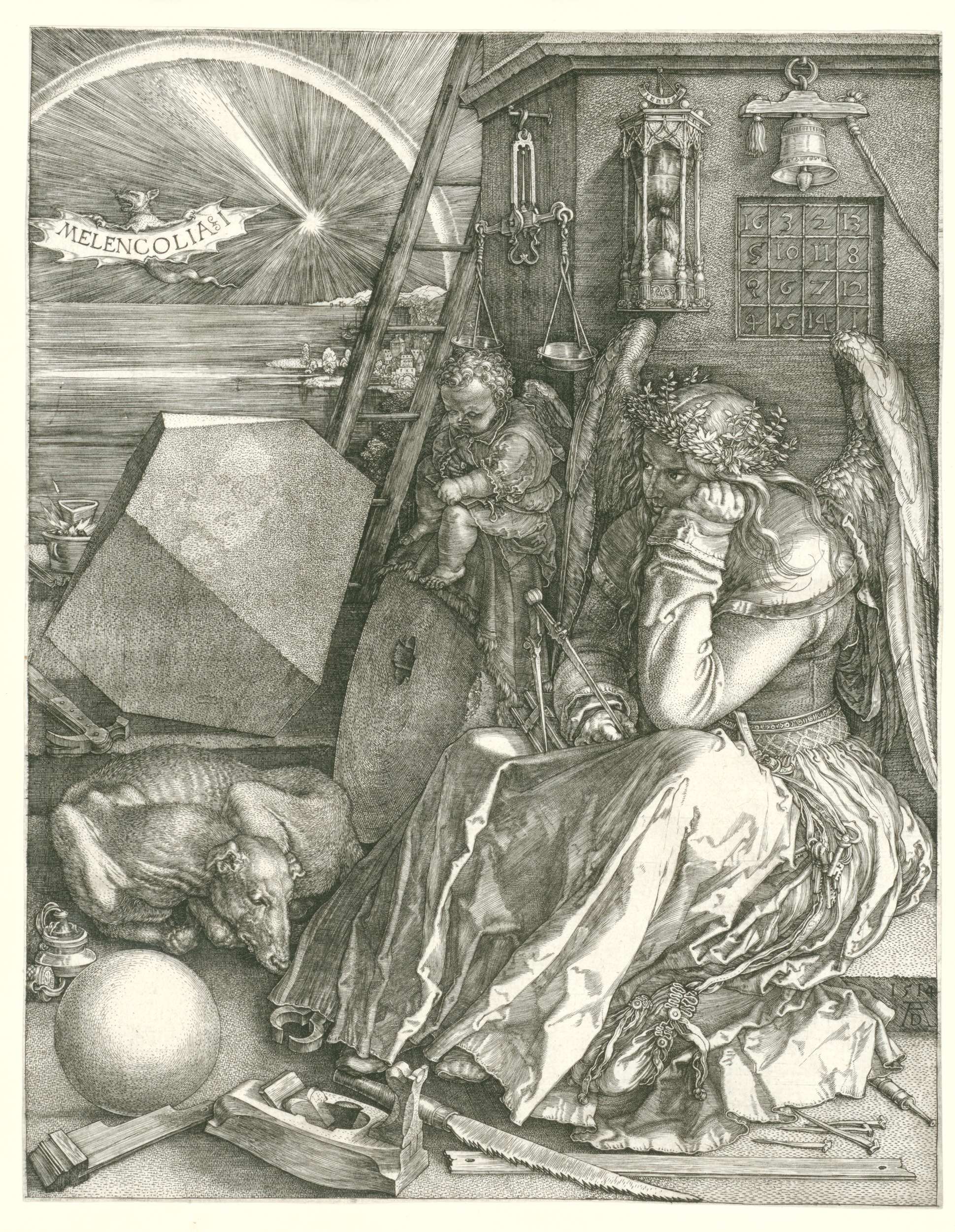
Melancholia
Albrecht Dürer

St. George and the dragon.
Albrecht Dürer

Adam and Eve (The Fall of Man)
Albrecht Dürer
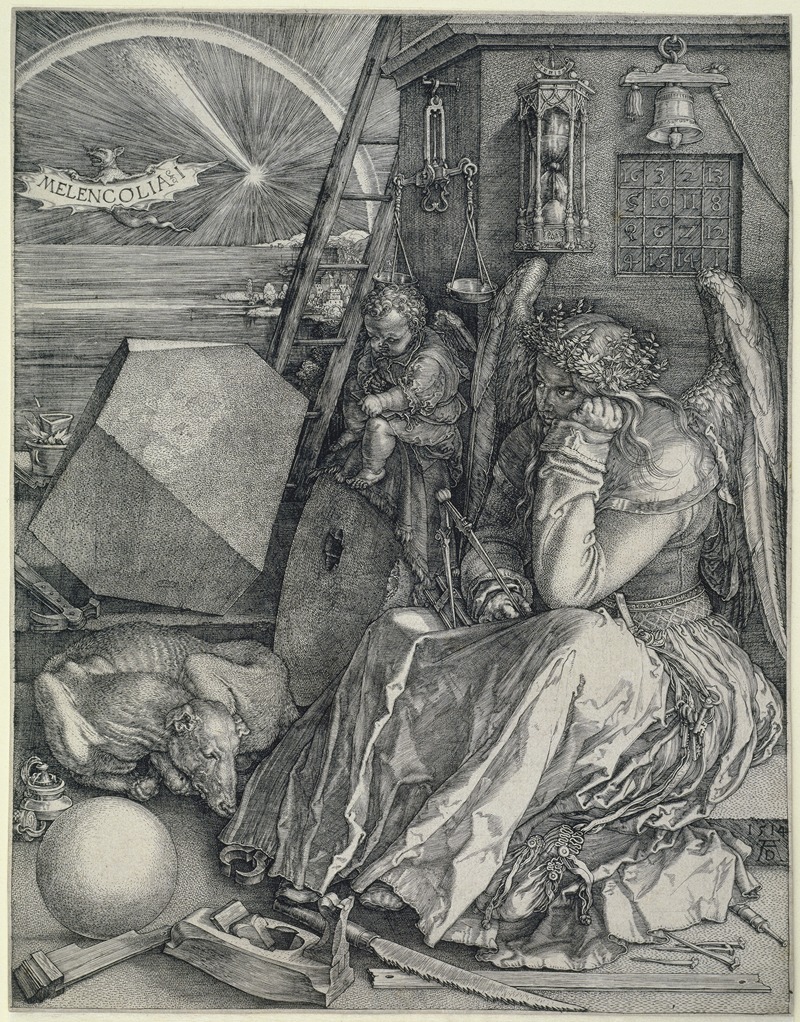
Melencolia I (The Melancholy)
Albrecht Dürer
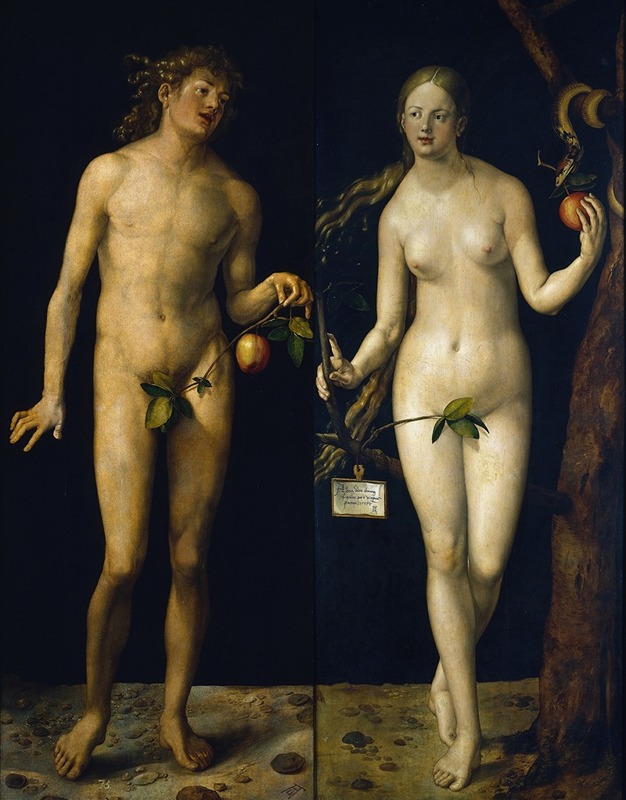
Adam And Eve
Albrecht Dürer
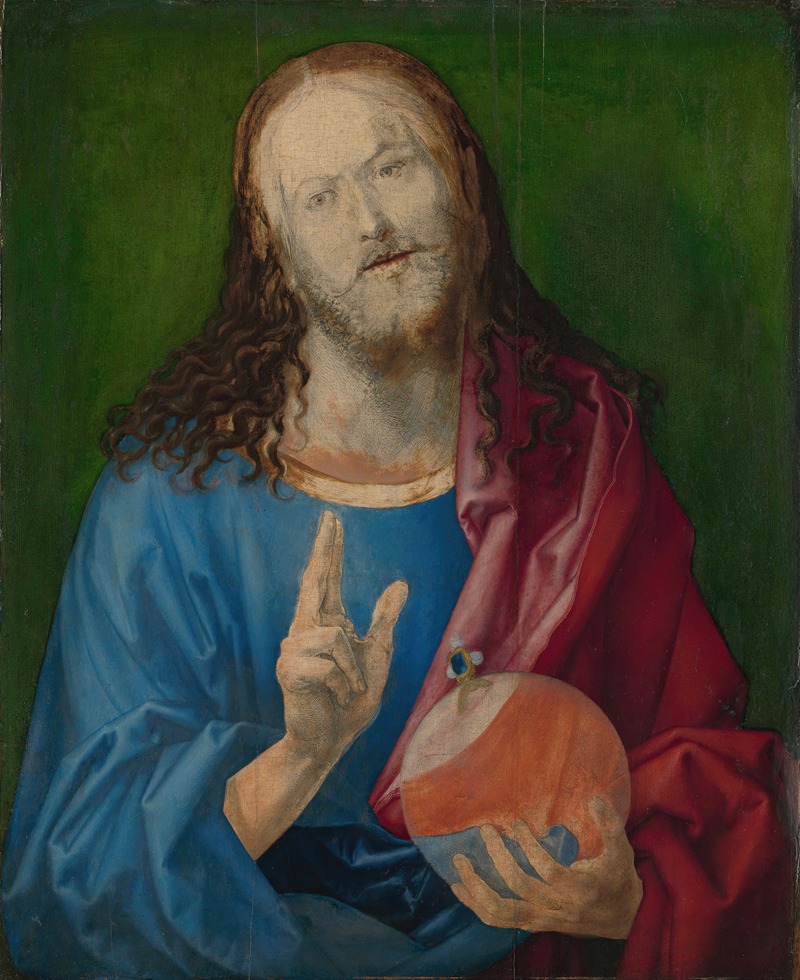
Salvator Mundi
Albrecht Dürer
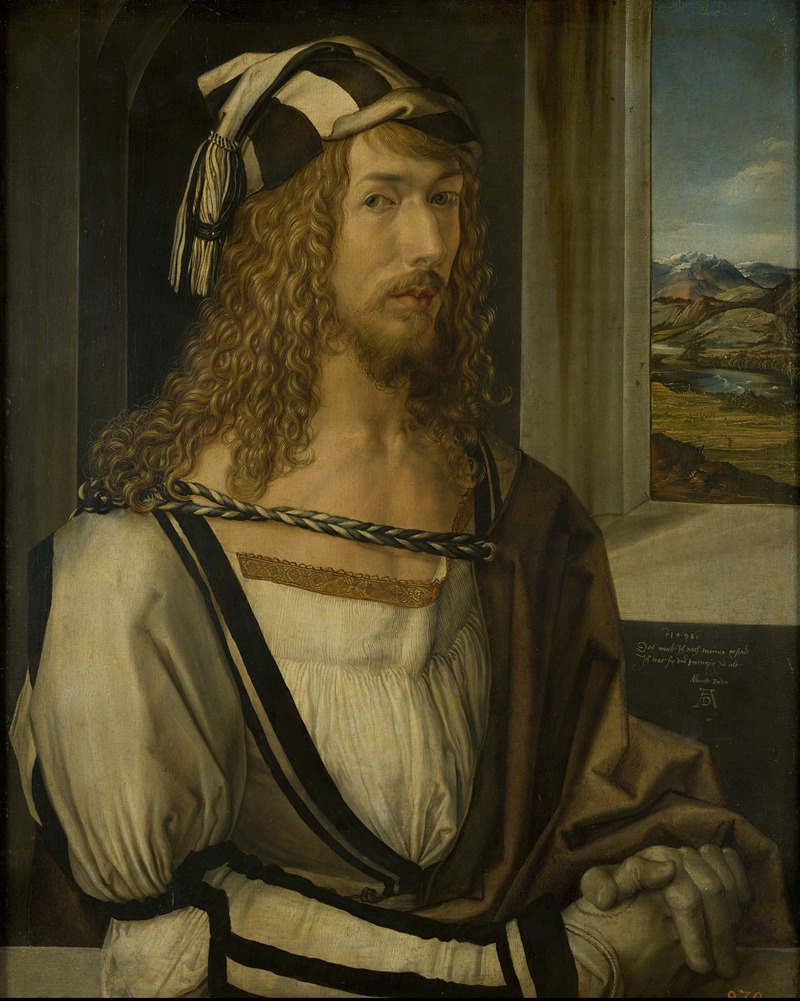
Self-portrait
Albrecht Dürer
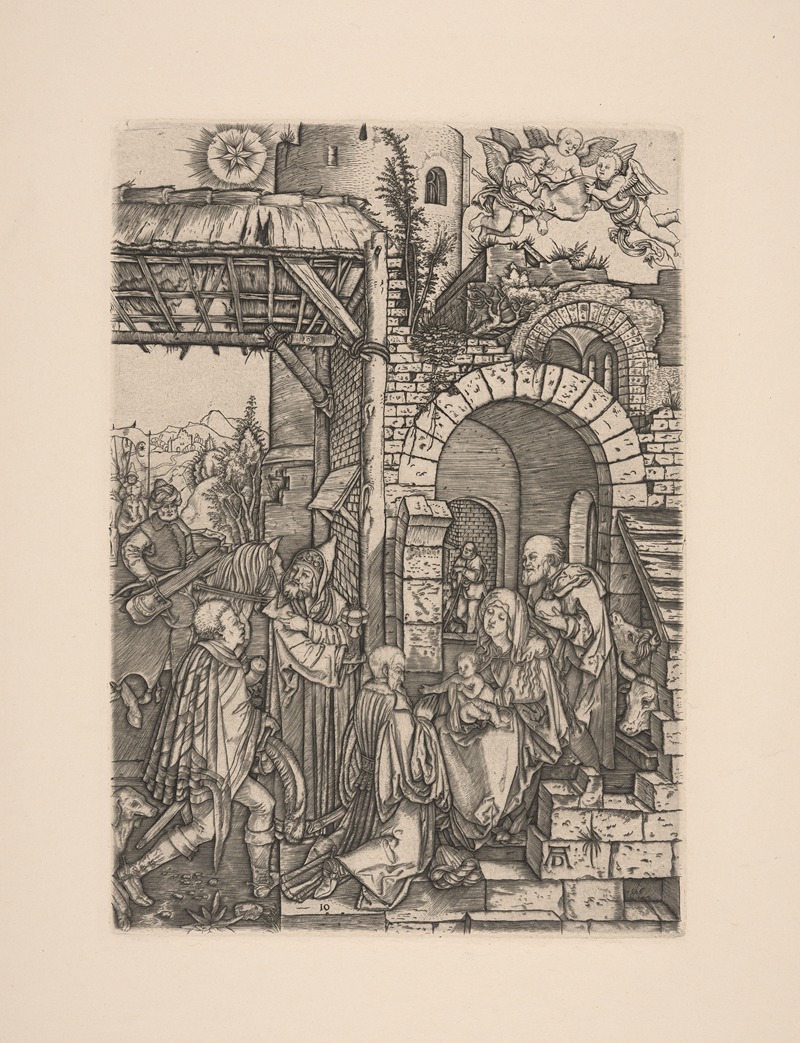
The Adoration of the Magi
Albrecht Dürer
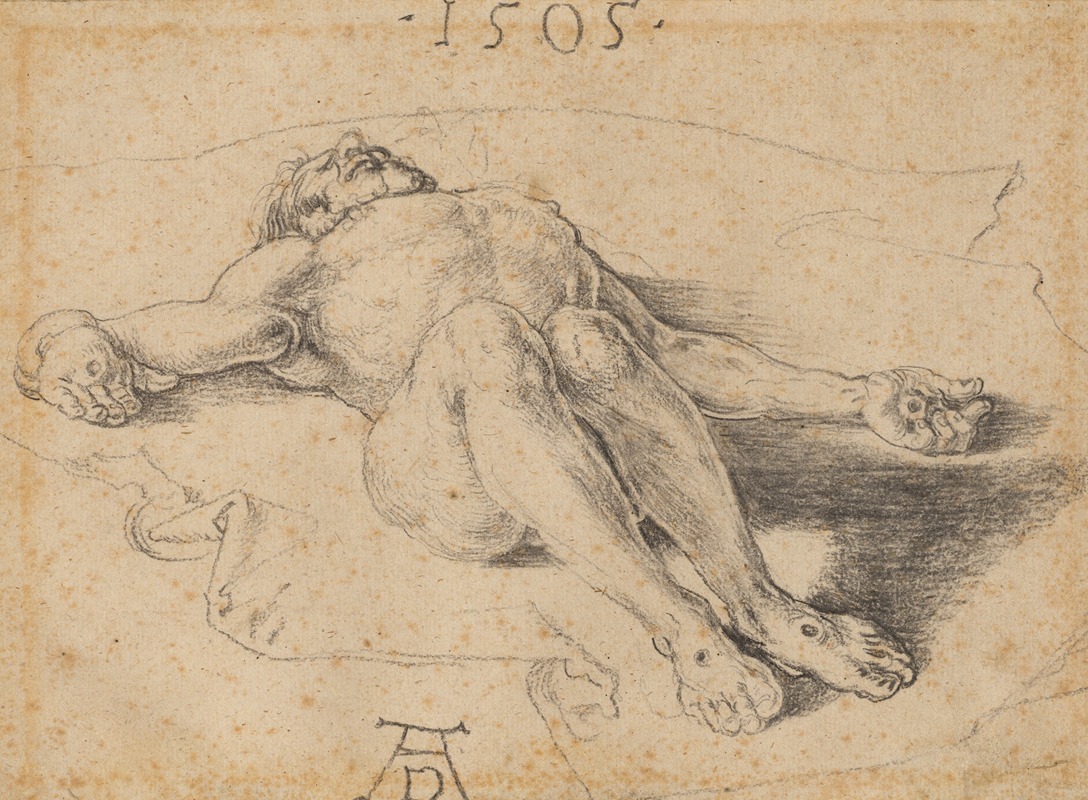
The Dead Christ
Albrecht Dürer
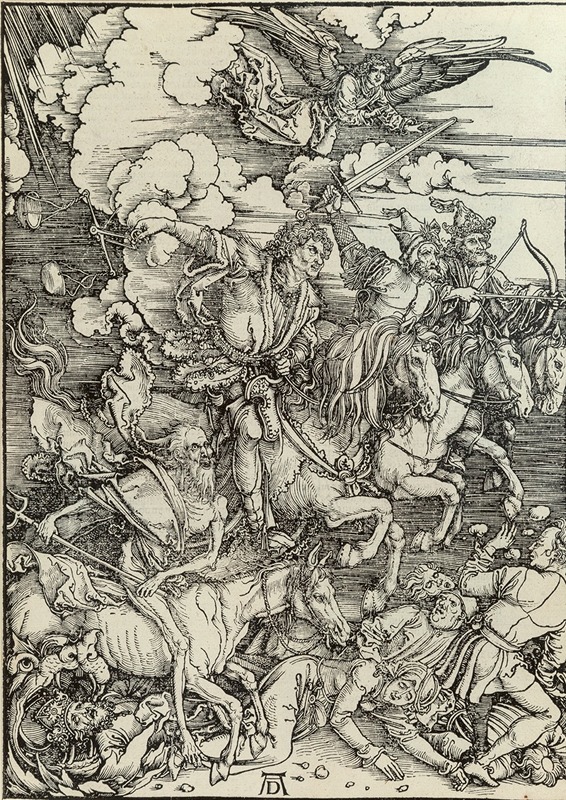
The Four Horsemen of the Apocalypse, from The Apocalypse
Albrecht Dürer
More Allegory Art
Melancholia
Albrecht Dürer
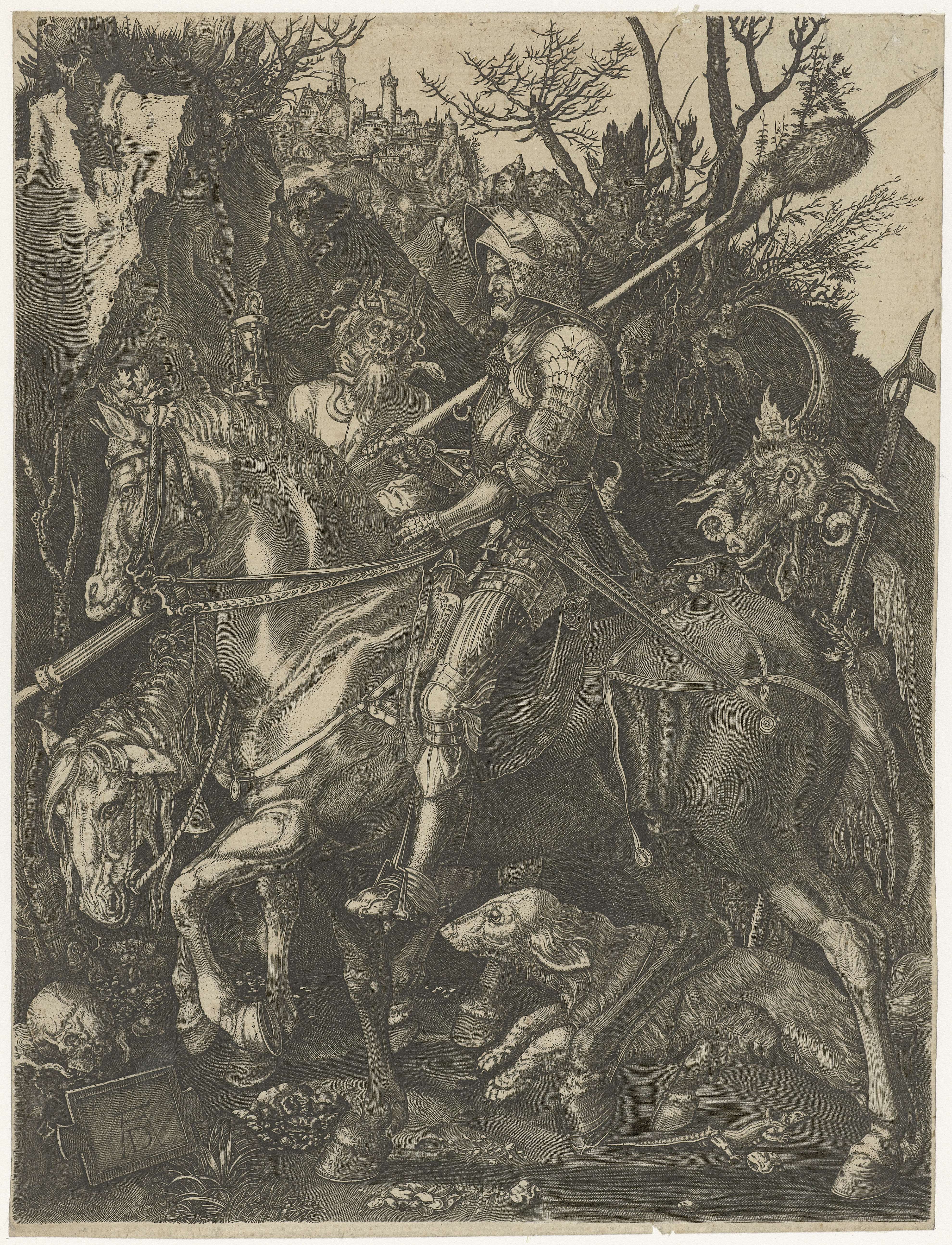
Ridder, Dood en Duivel
Unknown Artist
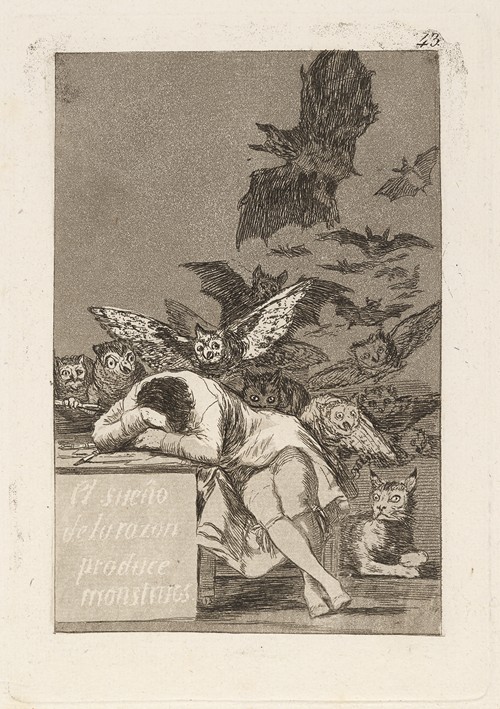
El sueño de la razon produce monstruos. (The sleep of reason produces monsters.)
Francisco de Goya
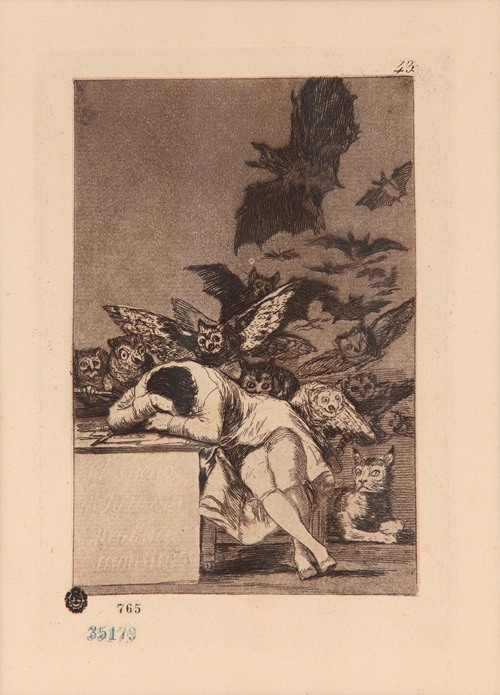
El sueño de la razon produce moustruos (Serie Caprichos)
Francisco de Goya
Melencolia I (The Melancholy)
Albrecht Dürer
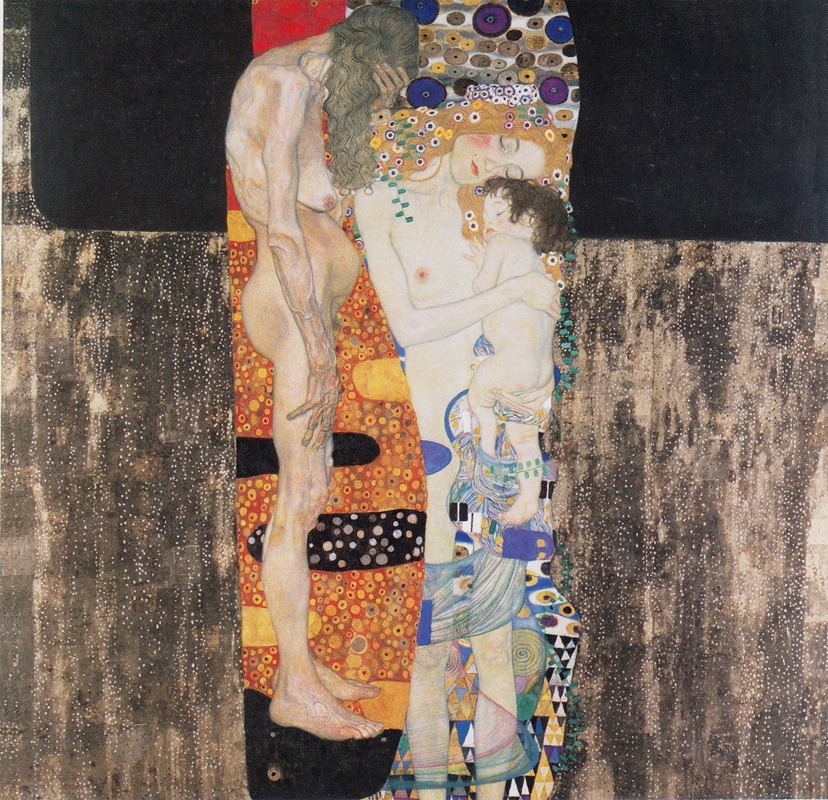
The Three Ages of the Woman
Gustav Klimt