
Four Wooden Sculptures — History & Facts
A sense of ritual pulses through Four Wooden Sculptures by Ernst Ludwig Kirchner, where every figure seems carved from the same feverish dream. The eye is immediately caught by the angular bodies, their limbs arranged in poses that suggest both dance and confrontation, their faces mask-like and strangely distant. The thick, urgent brushstrokes give the scene a raw energy, as if the figures are caught mid-transformation—half human, half totem.
The bold, almost primitive outlines evoke a sense of ceremony, while the palette of icy blues and burning reds sets a mood of tension and vitality. The viewer is drawn to the interplay between the upright forms and the one reclining, as if witnessing a moment of initiation or judgment. Created in 1912, this work stands at the crossroads of Expressionism, a movement that sought to break free from academic tradition and give voice to the inner life. Kirchner and his contemporaries in the Die Brücke group were fascinated by the art of so-called “primitive” cultures, which they saw as more authentic and direct.
The title hints at a dialogue between painting and sculpture, a blurring of boundaries that was central to the avant-garde spirit of the time. Today, the painting’s rough immediacy and stark forms remind us of the early 20th century’s hunger for new ways of seeing—and invite us to linger in its charged, enigmatic world.
More Artworks by Ernst Ludwig Kirchner
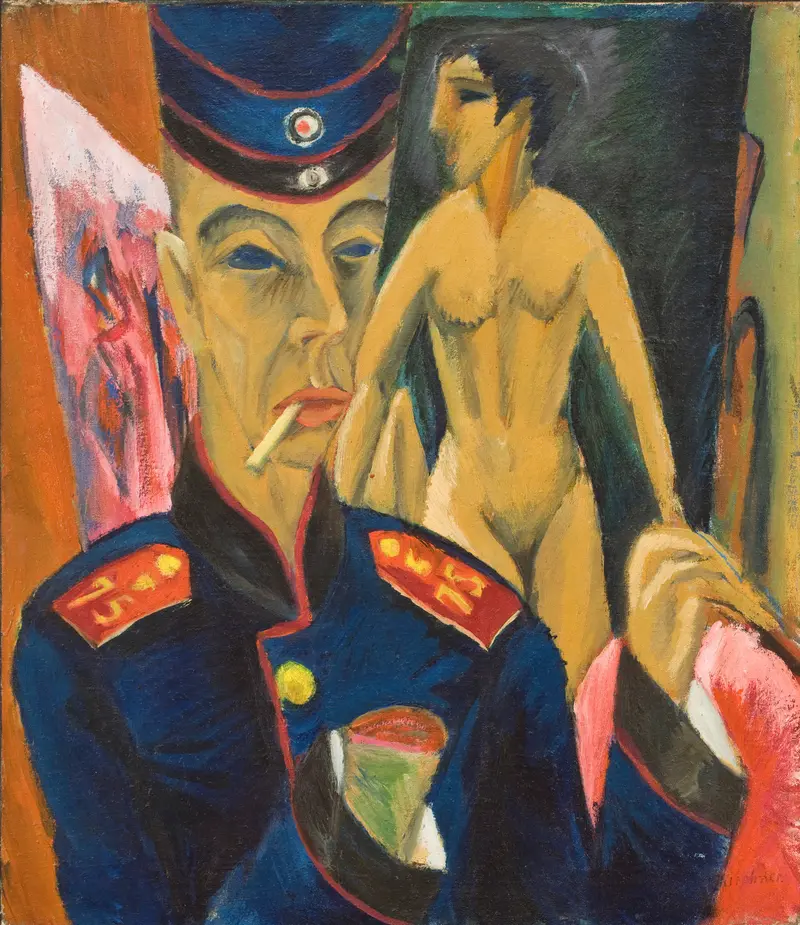
Self-Portrait as a Soldier
Ernst Ludwig Kirchner
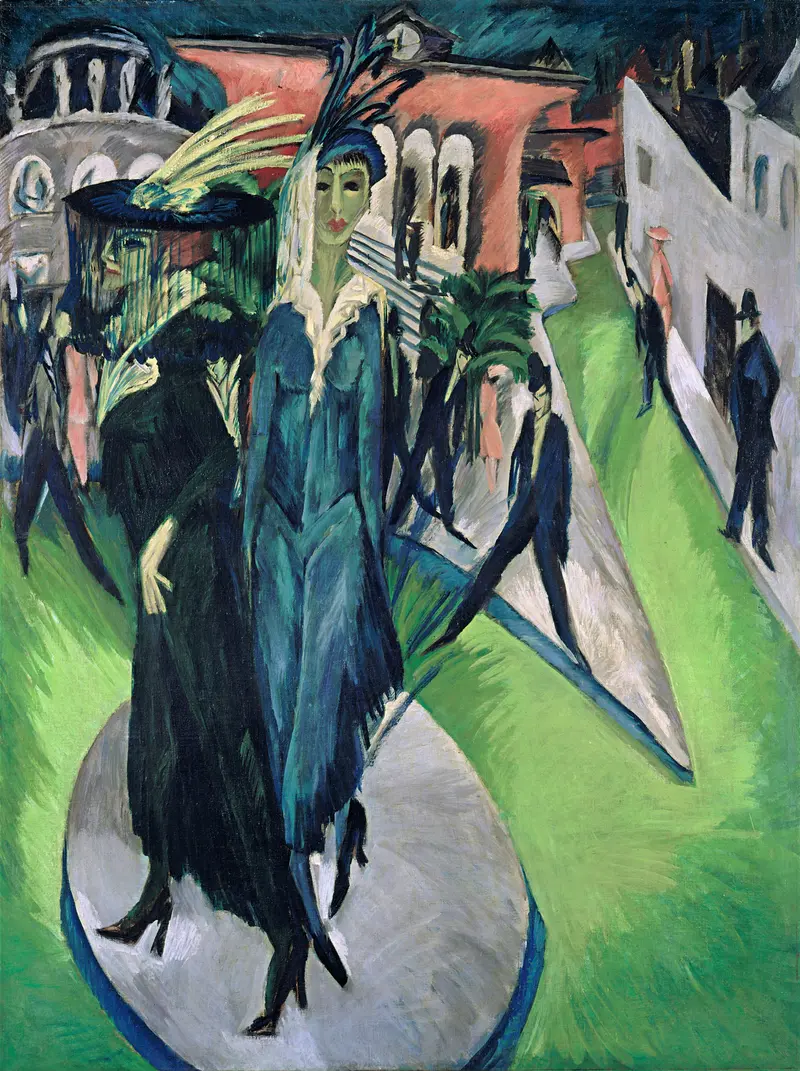
Potsdamer Platz
Ernst Ludwig Kirchner

Alphütten und Tinzenhorn
Ernst Ludwig Kirchner
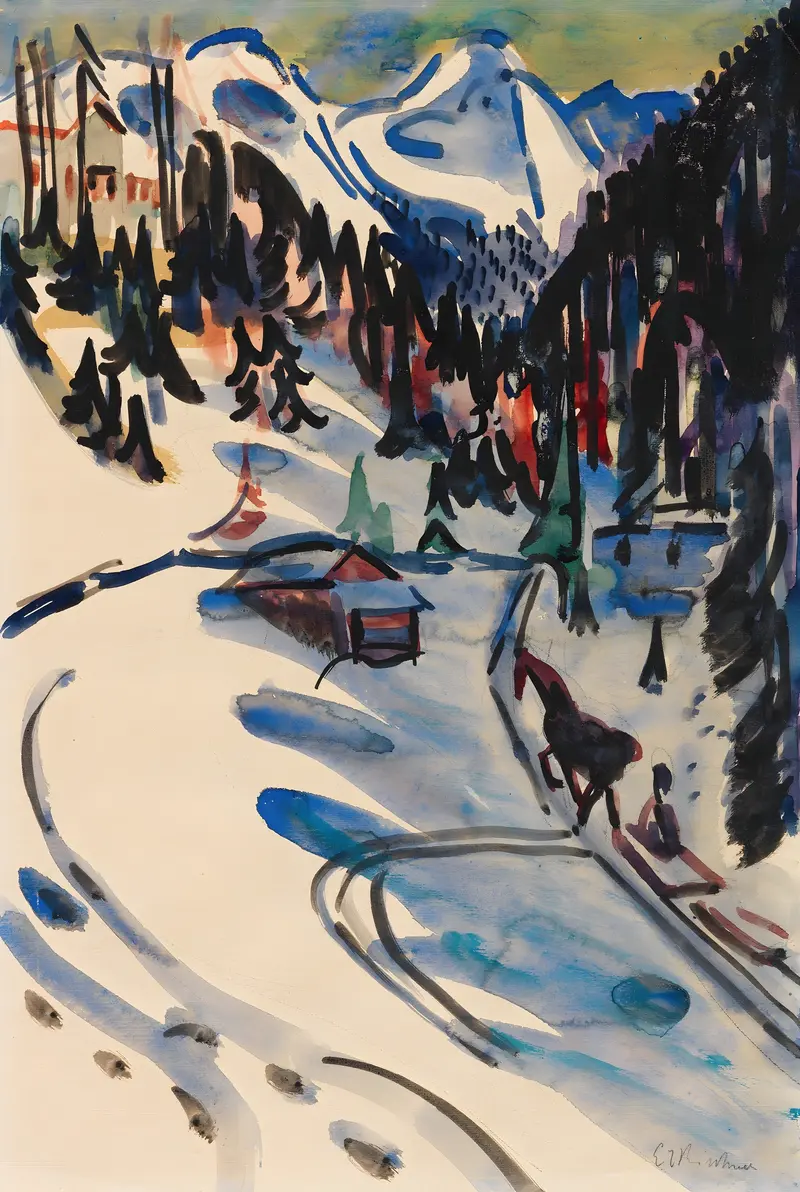
Sertigtal im Winter
Ernst Ludwig Kirchner
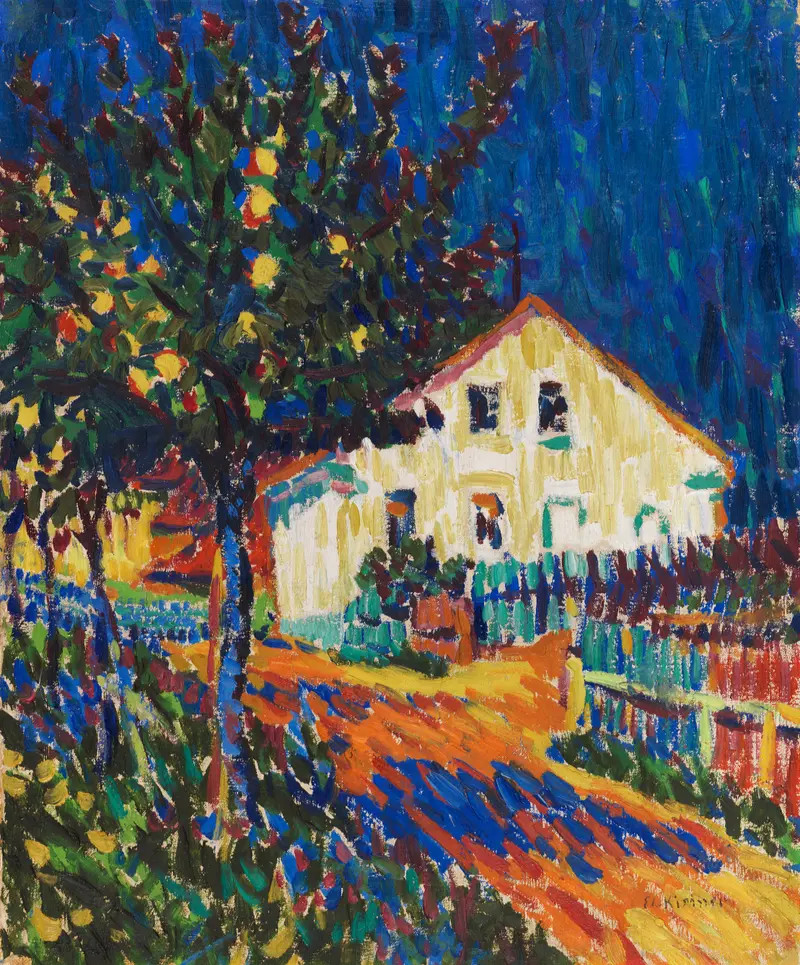
Dorfstraße mit Apfelbäumen
Ernst Ludwig Kirchner
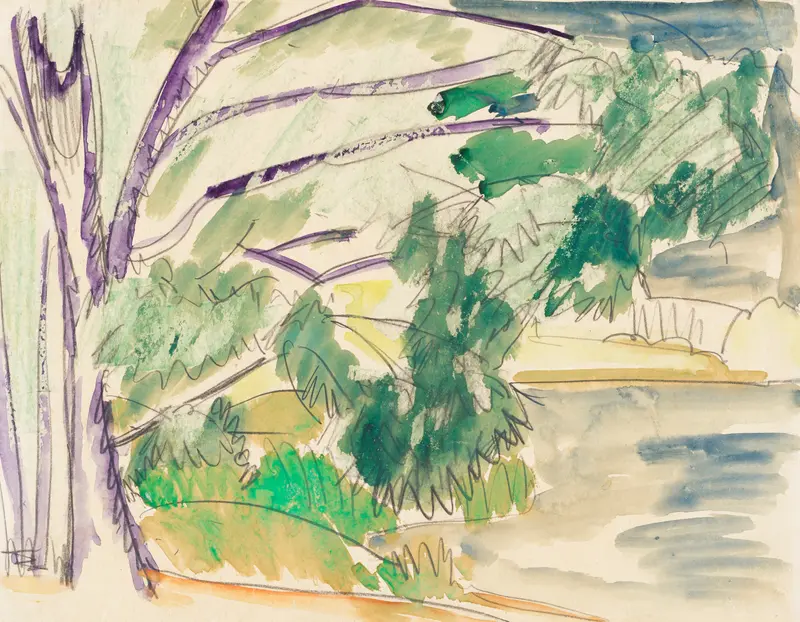
Unter Bäumen am See
Ernst Ludwig Kirchner
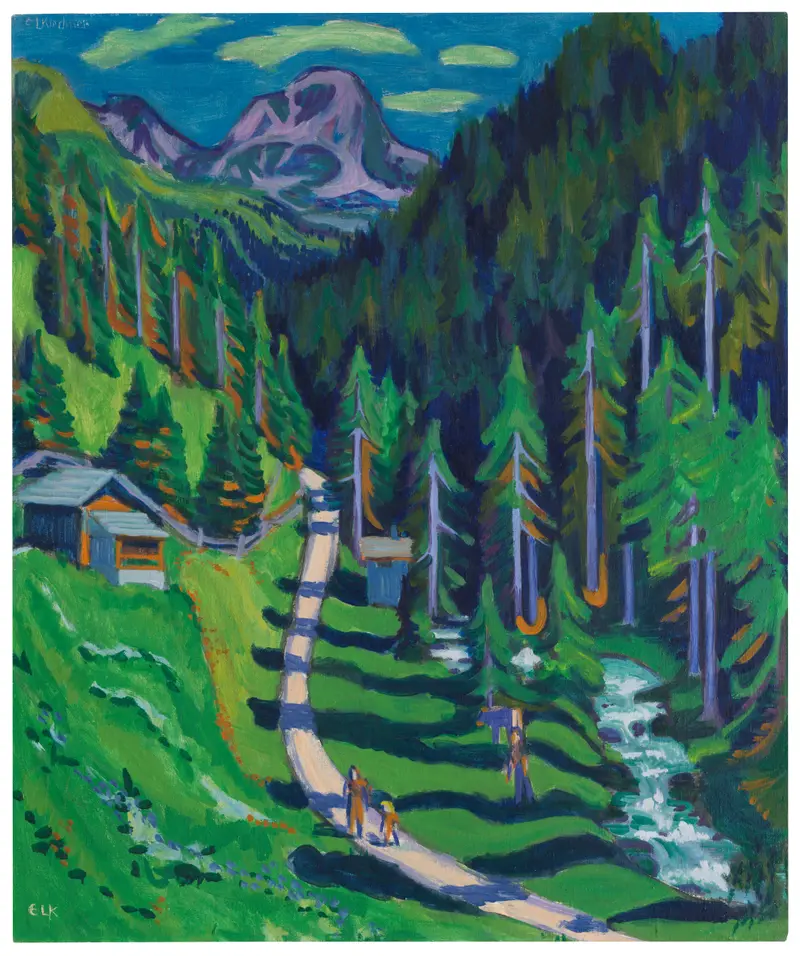
Sertigweg
Ernst Ludwig Kirchner
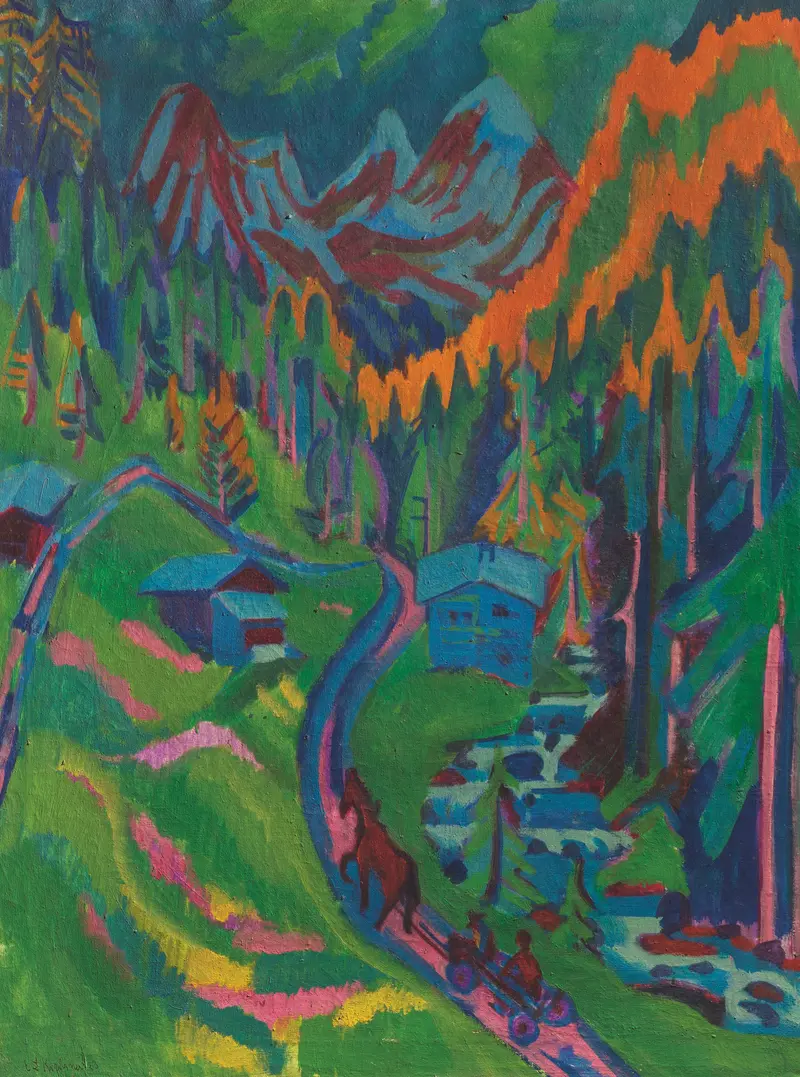
Sertigweg im Sommer
Ernst Ludwig Kirchner
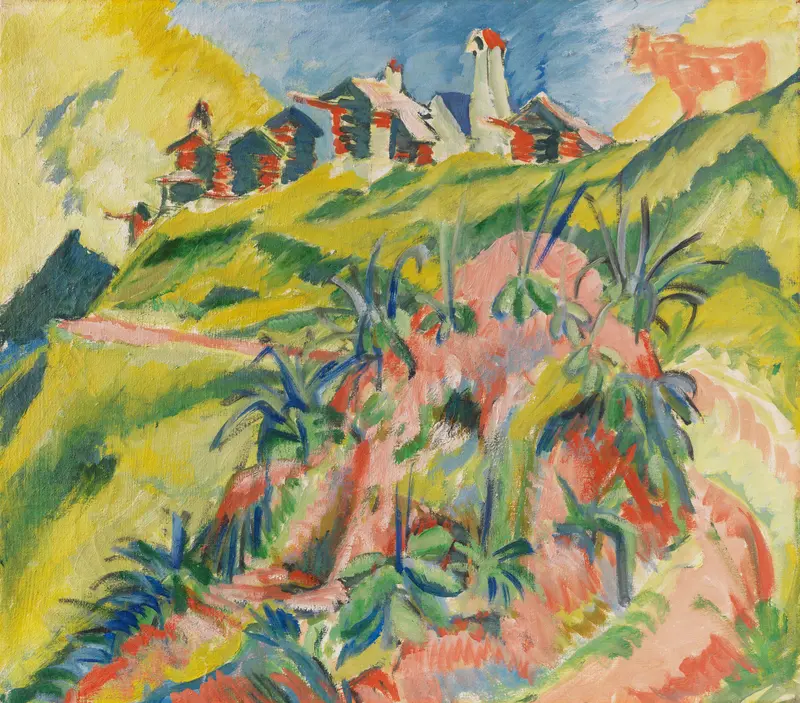
Bergdorf mit rosa Kuh
Ernst Ludwig Kirchner
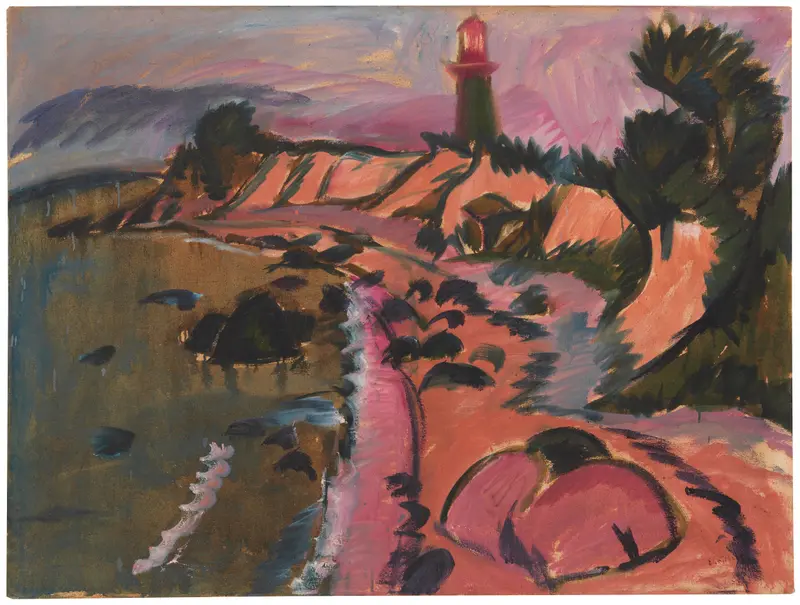
Fehmarnküste mit Leuchtturm
Ernst Ludwig Kirchner



