
Fra Østre Aker Oslo Museum OB.0 — History & Facts
What first catches the eye in Fra Østre Aker Oslo Museum OB.0 is the way the sky commands the scene, its broad sweep of cloud and light setting the mood for everything below. The landscape unfolds in gentle, rolling rhythms, with a winding road drawing the viewer’s gaze up past a stone fence and through a quiet allée of trees. The houses—some half-hidden, some catching the sun—anchor the human presence in this expanse, their placement hinting at a community both connected and scattered.
Light seems to pause on the yellow-white walls of Løkken Sommerfryd, while the distant Grefsenåsen rises, blue and wooded, against the sky. Every element is placed with care: the fence marking a boundary, the road suggesting movement, the scattered farms offering stories of work and belonging. Painted in 1852 by Adolph Tidemand, this work belongs to a period when Norwegian artists turned their gaze to the landscapes just beyond the city’s edge, capturing both the promise of rural life and the encroaching reach of urban expansion. Such views were often commissioned or collected by those who wanted to remember a countryside on the brink of change, as Oslo’s boundaries pressed outward.
The painting’s careful attention to topography and architecture reflects the era’s fascination with place and memory—each farm and field named and known. Today, Fra Østre Aker Oslo Museum OB.0 resides in the Oslo Museum, accession number OB.01041, a quiet witness to a landscape that has since transformed, inviting viewers to trace the old road once more with their eyes.
More Artworks by Adolph Tidemand

Bridal Procession on the Hardangerfjord
Adolph Tidemand
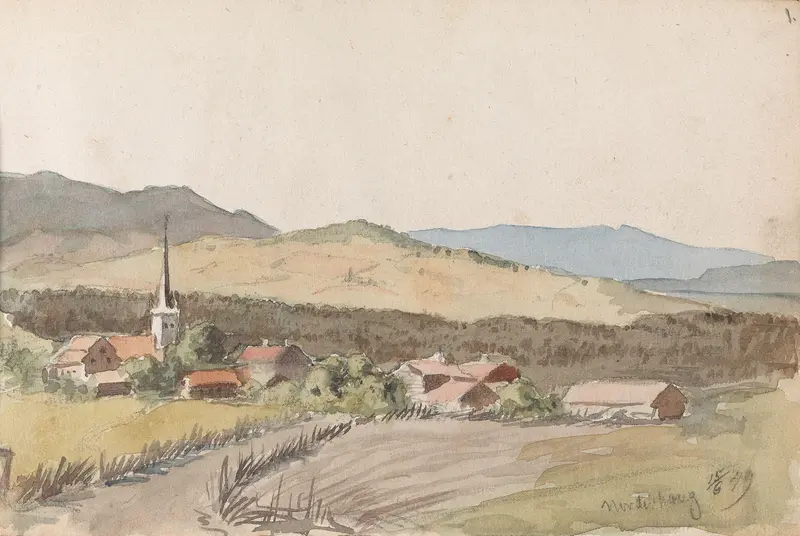
Fra Haugsbygd
Adolph Tidemand
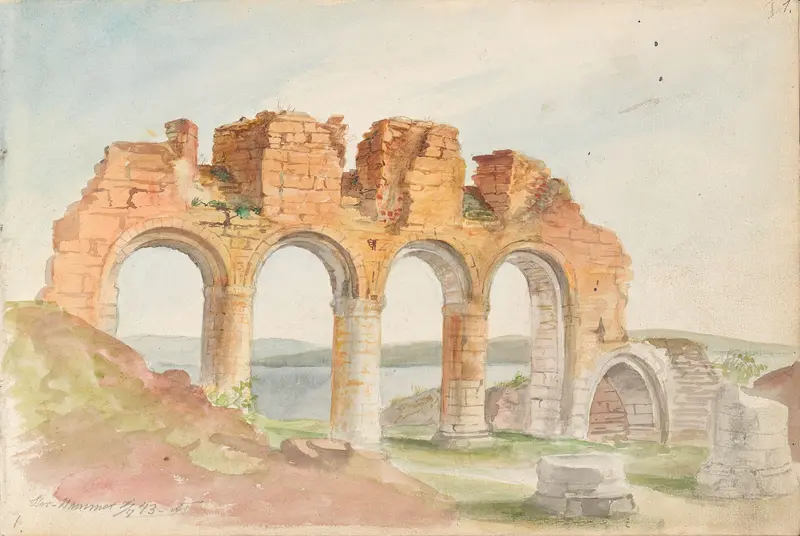
Domkirkeruinen, Hamar
Adolph Tidemand
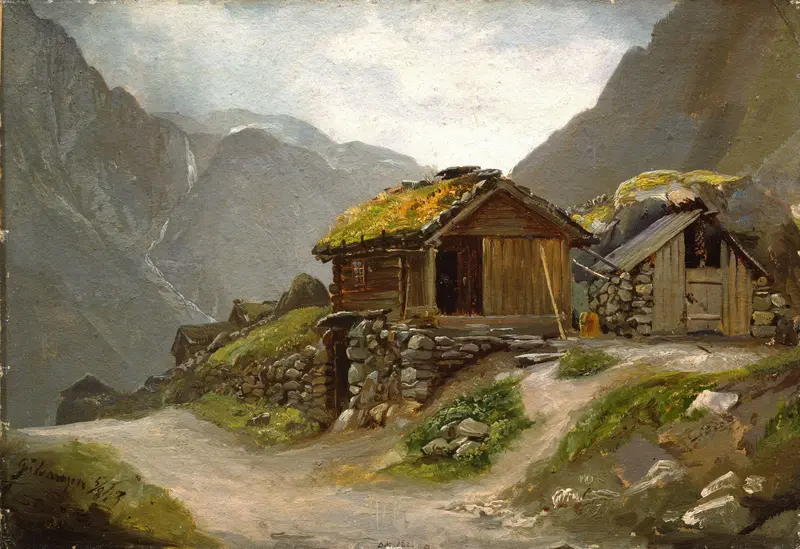
View from Gudvangen
Adolph Tidemand
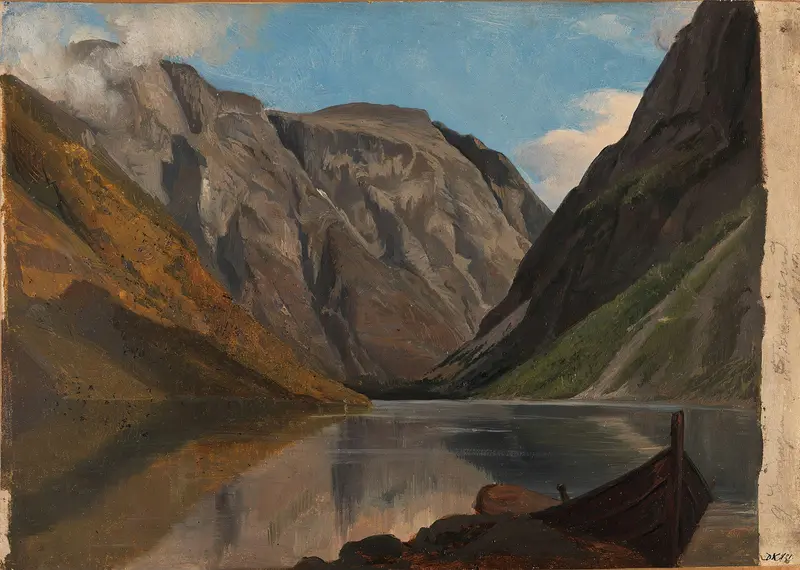
View of Gudvangen
Adolph Tidemand
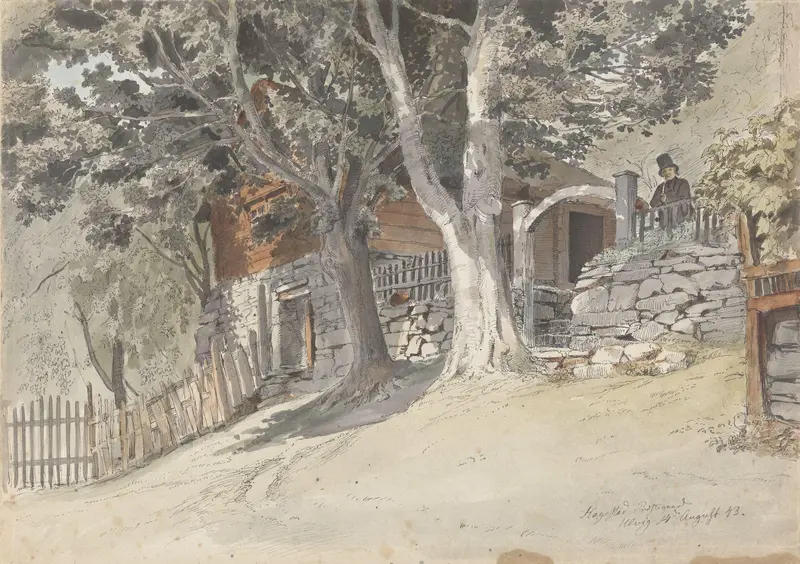
Hagestad prestegård, Ulvik i Hardanger
Adolph Tidemand
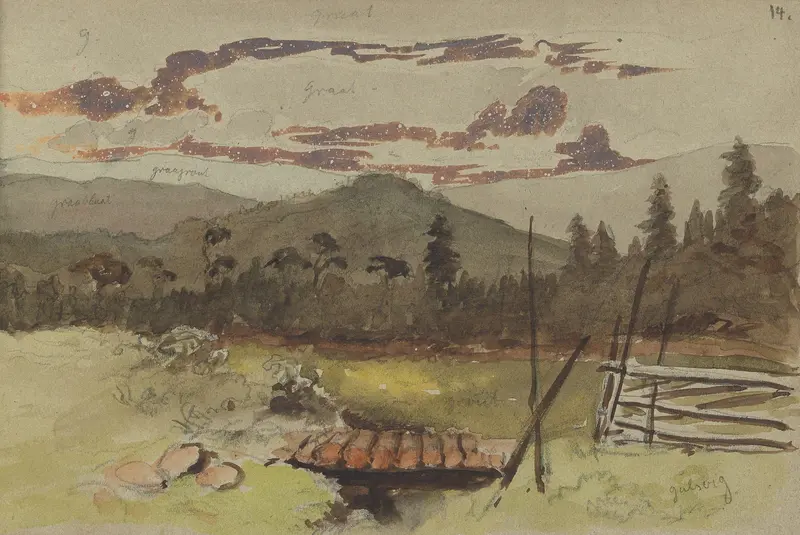
Fra Gulsvik
Adolph Tidemand
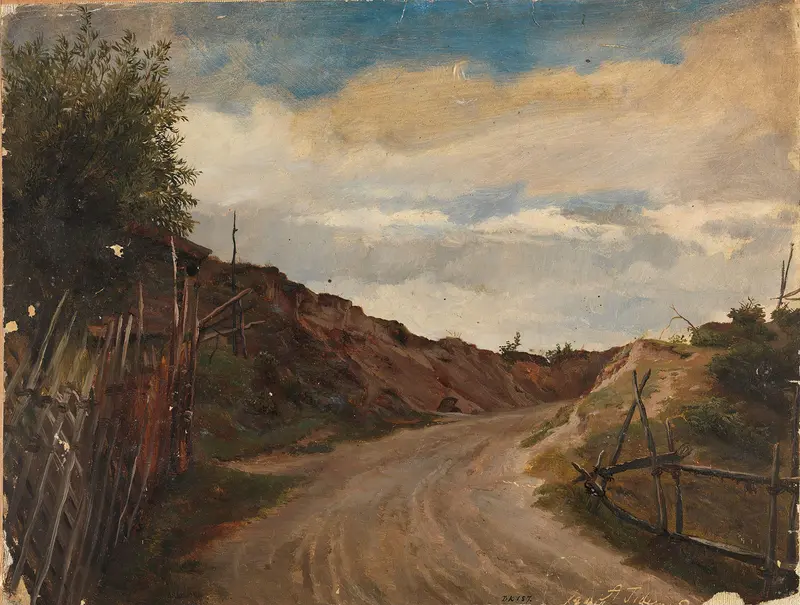
Country Road
Adolph Tidemand
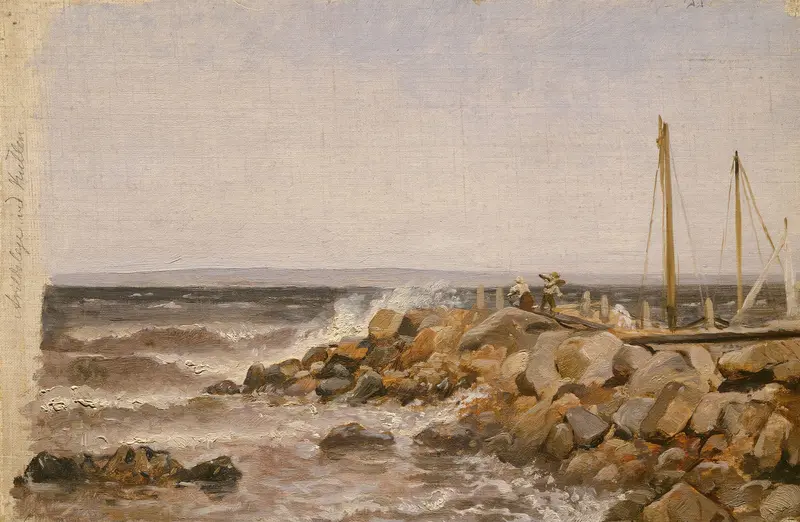
From Kullen in Sweden
Adolph Tidemand
Untitled
Adolph Tidemand
More Landscape Art

The Starry Night
Vincent van Gogh

View of Delft
Johannes Vermeer

Water Lilies
Claude Monet

The Grand Canal, Venice, looking north-west from the Ca' Corner to the Ca' Contarini degli Scrigni, with the campanile of Santa Maria della Carità
Canaletto

Windsor Castle
Canaletto

The Grand Canal looking North-East from the Palazzo Dolfin-Manin to the Rialto Bridge
Canaletto