Fragment bord uit V.O.C.-schip de 'Witte Leeuw' — History & Analysis
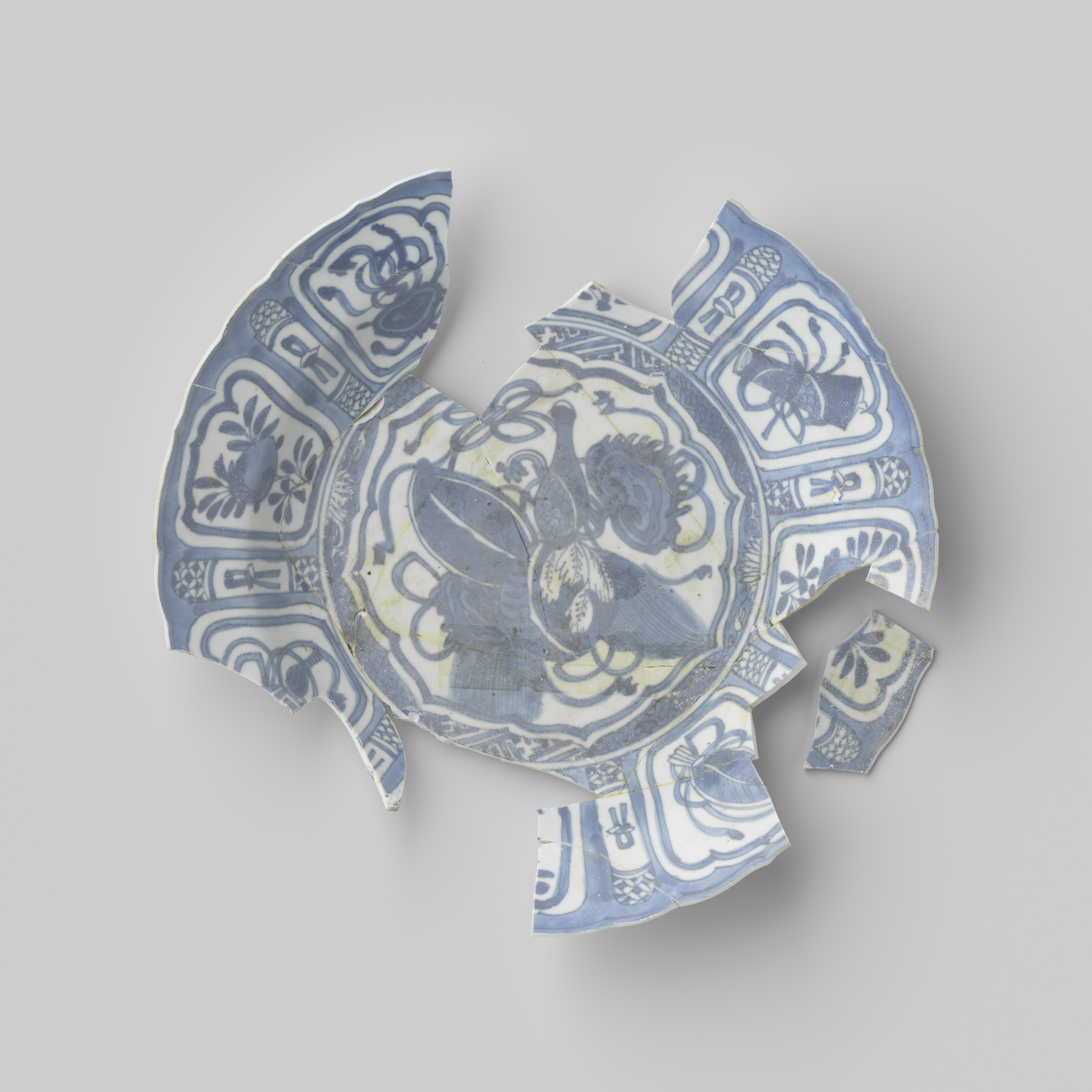
Did the painter know this moment would outlive them? The fragment of the Witte Leeuw stands as a testament to human ingenuity, capturing awe in the interplay of craftsmanship and time. Focus on the intricate details of the wood; the subtle grains and patterns whisper stories of voyages long past. Look closely at the delicate carvings, their bold lines contrasting with the natural imperfections of the material.
Notice how the weathered surface speaks of both beauty and decay, evoking a sense of nostalgia that draws the eye deeper into its history. The earthy tones of the fragment resonate with the sea’s embrace, hinting at the adventures it once supported, bridging the gap between land and maritime worlds. The fragment embodies more than mere artifact; it reflects the tension between man and the vastness of the ocean, a reminder of both exploration and peril. Each mark tells of labor and loss, while the absence of the ship itself transforms the piece into a symbol of the ephemeral nature of existence.
It prompts contemplation on the stories untold, the lives intertwined with the sea, and the legacy of this maritime marvel. This piece dates back to before 1613, a time when the Dutch Golden Age was dawning. The artist, unknown yet undeniably skilled, was part of a vibrant culture of exploration and trade as the Netherlands sought new territories. Maritime artistry flourished, and the fragment echoes the spirit of adventure, reflecting the immense changes taking place in both the world of art and the broader societal landscape.