Fragments of the Ostrich — History & Facts
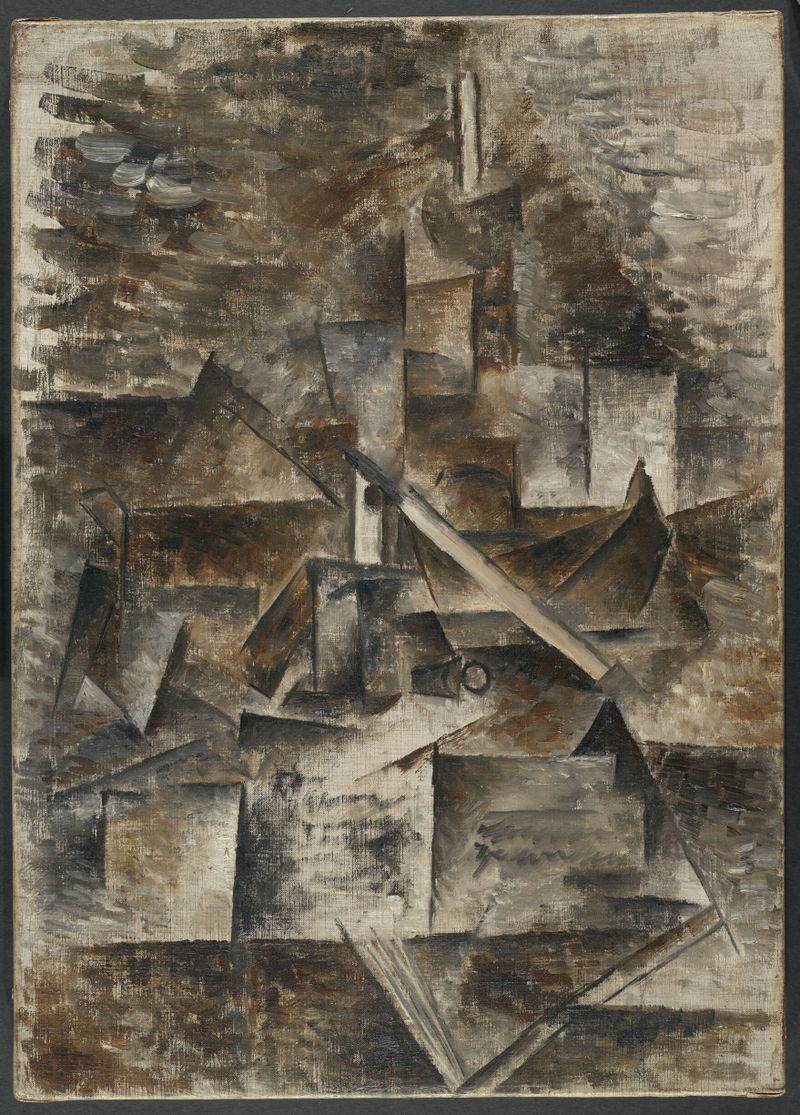
In Fragments of the Ostrich, the weight of unspoken truths lingers in the air, drawing viewers into a world where trust has been shattered and vulnerability laid bare. Look to the center of the canvas, where fragmented pieces of an ostrich, meticulously rendered, converge into a chaotic yet deliberate formation. The artist employs a muted palette dominated by browns and grays, allowing the soft textures to speak volumes. Haskell's brushwork elicits a tactile sensation, inviting the viewer to ponder not only the physicality of the work but also the emotional scars that the fragments symbolize. The ostrich, traditionally a symbol of both freedom and denial, raises questions about the nature of betrayal and the instinct to hide from reality.
Each broken piece reflects a deeper fracture within relationships, suggesting how trust can be dismantled over time. The absence of cohesive form evokes a sense of loss, while the meticulous attention to detail in each shard hints at the painful beauty of truth hidden beneath the surface. Created in 1915 amidst a tumultuous backdrop of World War I, Haskell found himself grappling with an evolving artistic landscape that sought to address raw emotional experiences. The disillusionment of the era played a crucial role in shaping his approach, as he began to explore themes of vulnerability and isolation.
It was a period of personal and artistic introspection, reflecting the struggles of a world besieged by chaos.
More Artworks by Ernest Haskell
Browse all →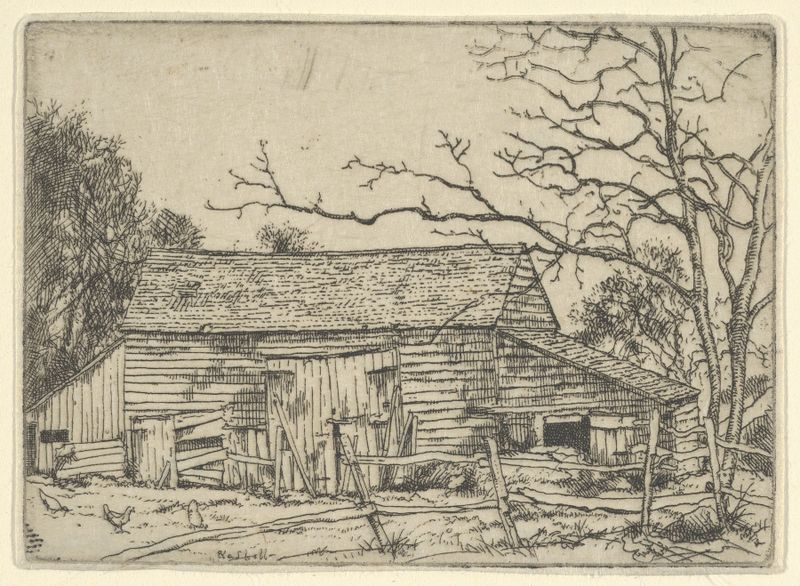
The Barn–Staten Island, N.Y.
Ernest Haskell

Four Live Oaks
Ernest Haskell
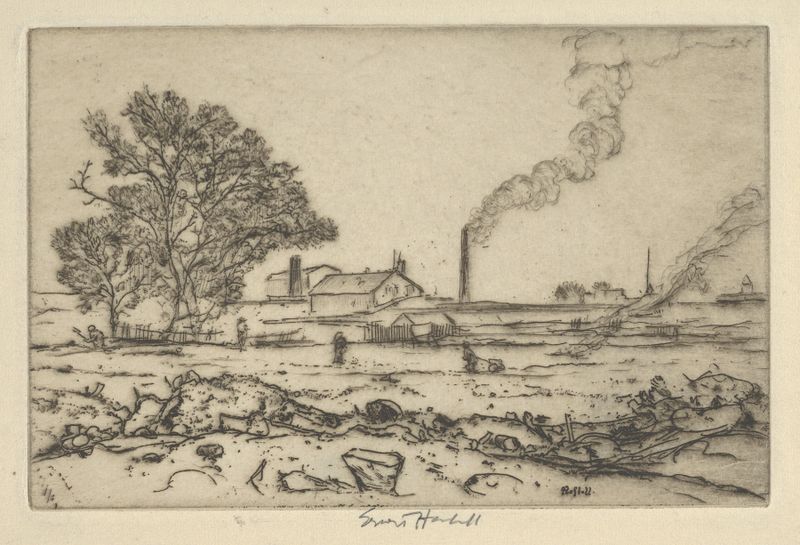
Outskirts of Boston
Ernest Haskell
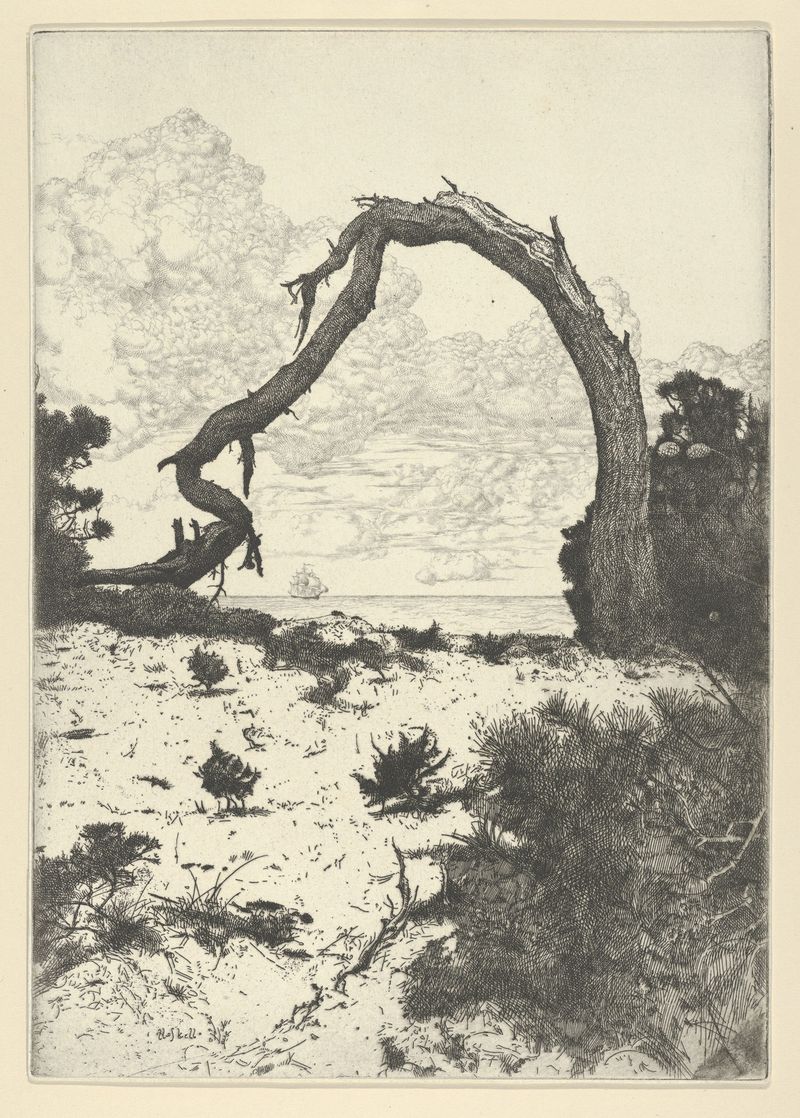
Pine Arch
Ernest Haskell

General Sherman
Ernest Haskell
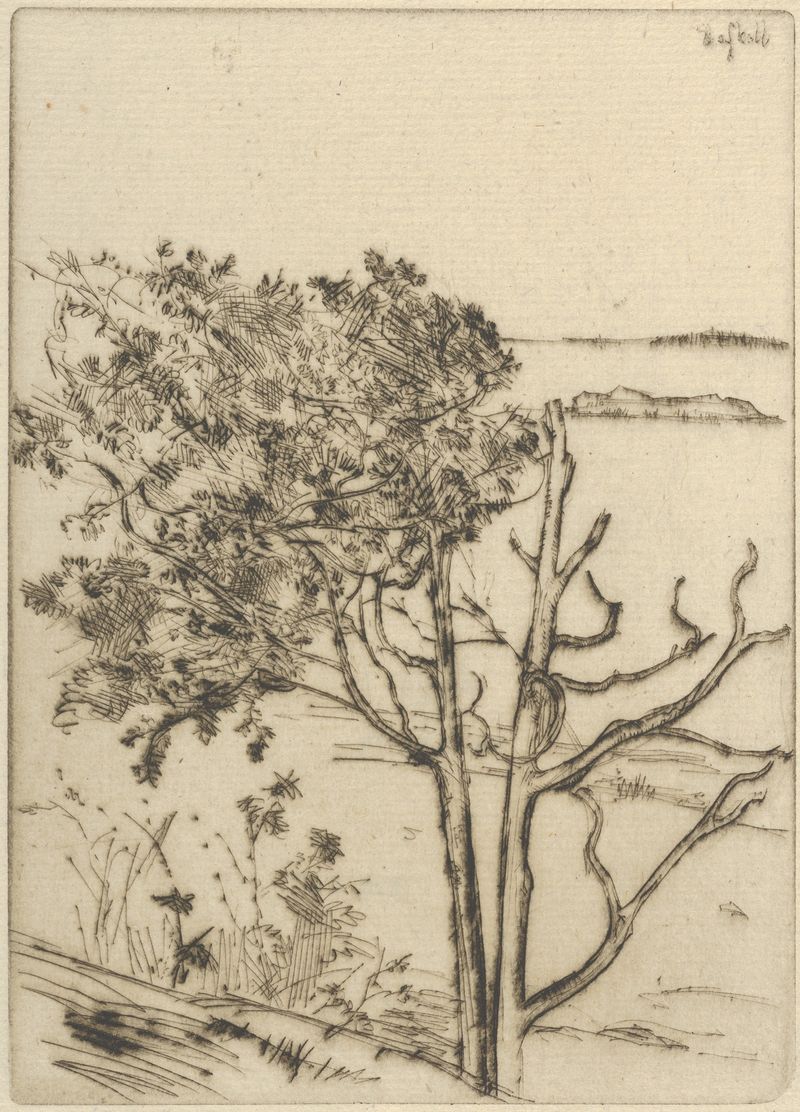
Ragged Tree – Maine
Ernest Haskell

Tide Mill
Ernest Haskell

Ship Building
Ernest Haskell
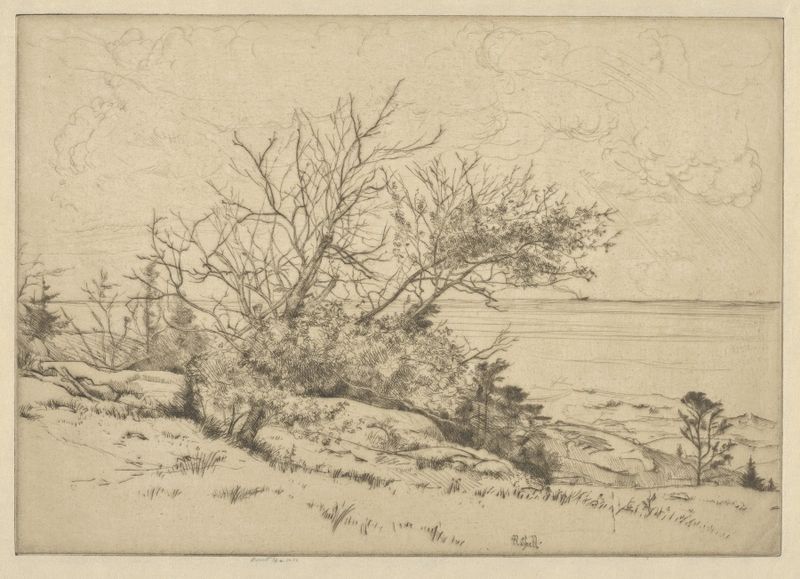
To the Southward – Ragged Island, Me.
Ernest Haskell
Long Island Marshes
Ernest Haskell