
Frans brigantijn schip l’Heureuse Marianne waarop het reisgezelschap van Valette naar Agrigento vaarde — History & Facts
Where does light end, and longing begin? The shimmering expanse of water in Frans brigantijn schip l’Heureuse Marianne waarop het reisgezelschap van Valette naar Agrigento vaarde evokes a fragile interplay between hope and decay, carrying with it the weight of unfulfilled journeys. Look to the left at the gracefully soaring sails, their white canvas catching the gentle caress of the wind, contrasting sharply with the deep greens and blues of the surrounding sea and sky. Notice how the artist uses soft brushwork to capture the dappled sunlight reflecting off the water’s surface, creating a sense of movement and life. The ship, depicted with meticulous detail, serves as a focal point, while the distant horizon lingers in a hazy blend, inviting contemplation of the unknown. Within this serene maritime vista lies a subtle tension; the ship, a symbol of adventure, is tethered by the inevitable passage of time, suggesting both exploration and decay.
The interplay of vibrant colors against muted tones hints at the transient nature of life and experience. Each wave appears to whisper stories of past endeavors, evoking a bittersweet nostalgia that lingers in the air, palpable and haunting. In 1778, Ducros created this work while in Italy, a period when the winds of artistic influence were shifting towards Romanticism. The vibrant colors and careful depiction of nature reflect a growing fascination with the sublime, marking a departure from the earlier neoclassical techniques that dominated the art scene.
As he painted, Europe was on the cusp of revolutionary change, which resonated in the collective consciousness and infused new depth into artistic expression.
More Artworks by Abraham-Louis-Rodolphe Ducros
Browse all →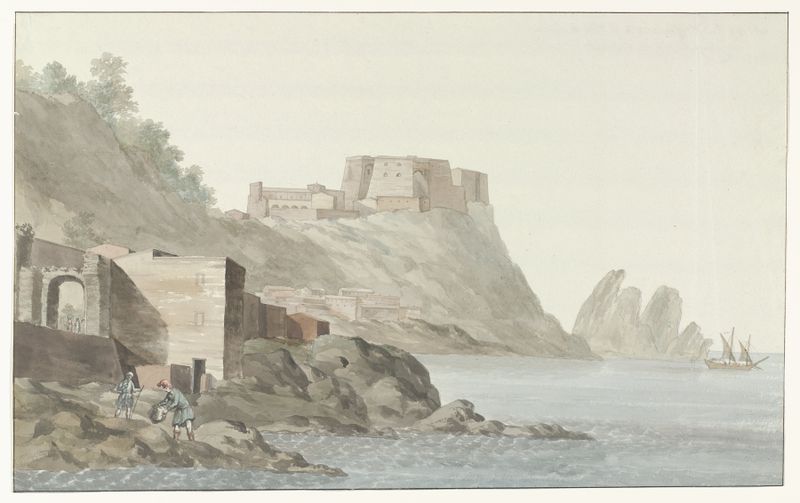
Rots en stad Scilla in de regio Calabrië aan de oostkust
Abraham-Louis-Rodolphe Ducros
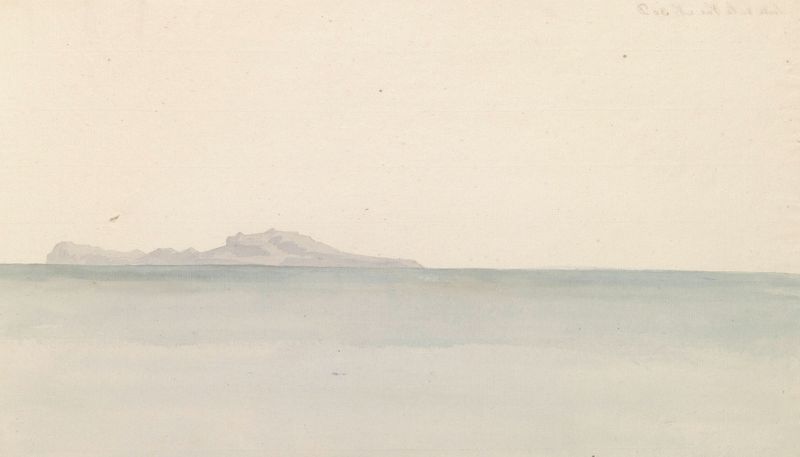
Gezicht op Golf van Napels vanaf kade bij kerk Santa Maria del Carmine
Abraham-Louis-Rodolphe Ducros
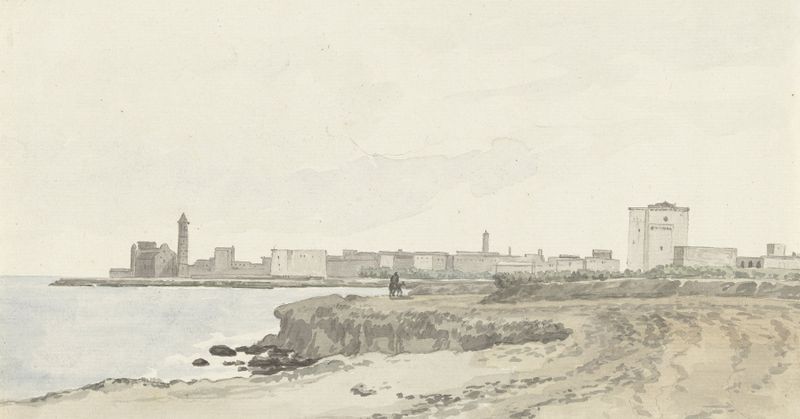
Gezicht op Trani gelegen aan de kust
Abraham-Louis-Rodolphe Ducros
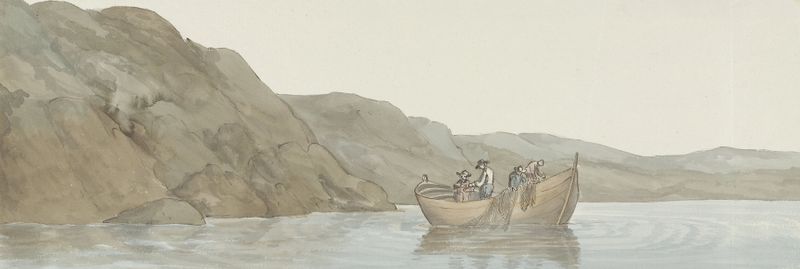
Gezicht op Kaap Paceco in Calabrië nabij de stad Scilla
Abraham-Louis-Rodolphe Ducros
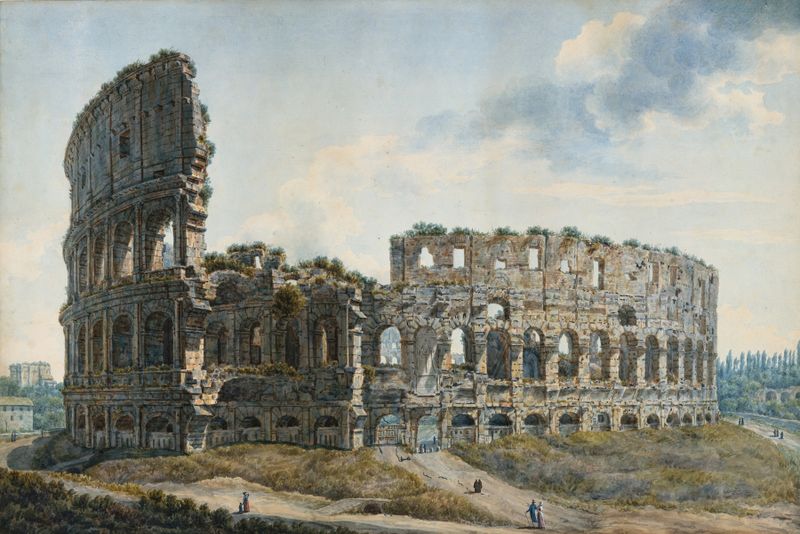
The Colosseum, Rome.
Abraham-Louis-Rodolphe Ducros
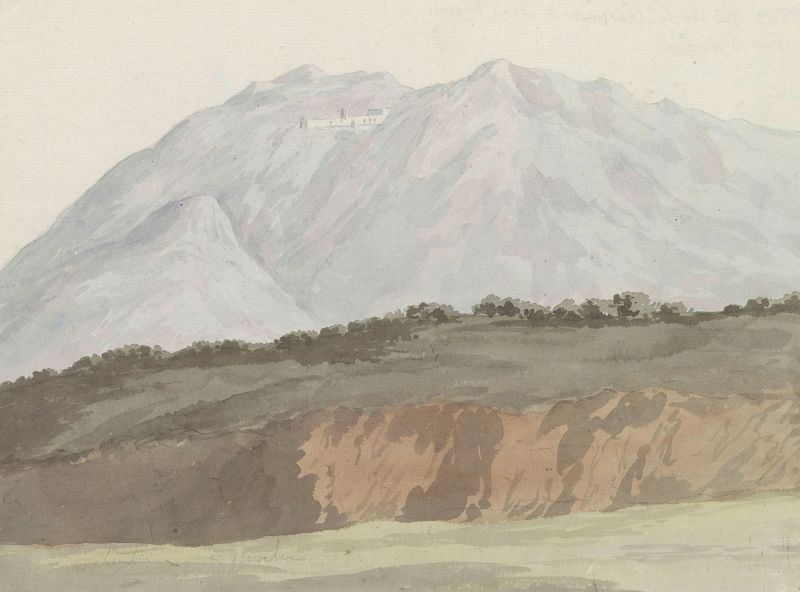
Gezicht op kartuizerklooster van Monte Vergine hoog gelegen boven Avellino
Abraham-Louis-Rodolphe Ducros
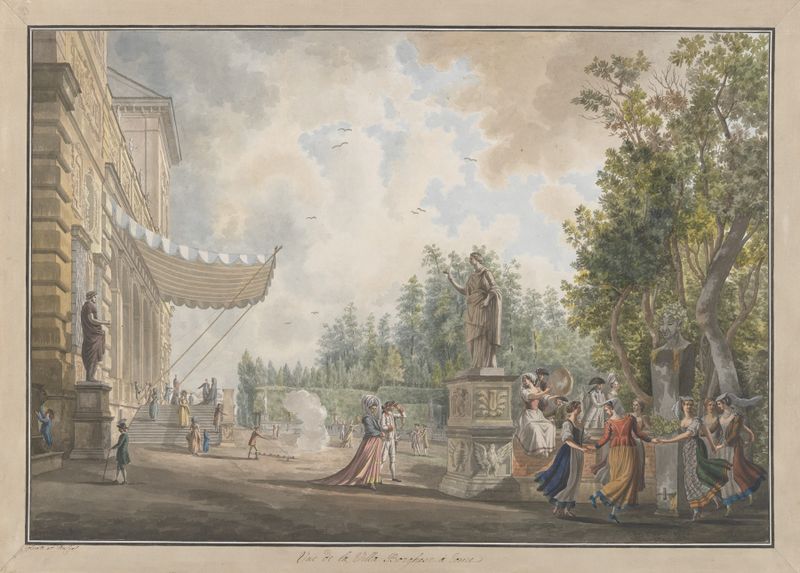
Villa Borghese
Abraham-Louis-Rodolphe Ducros
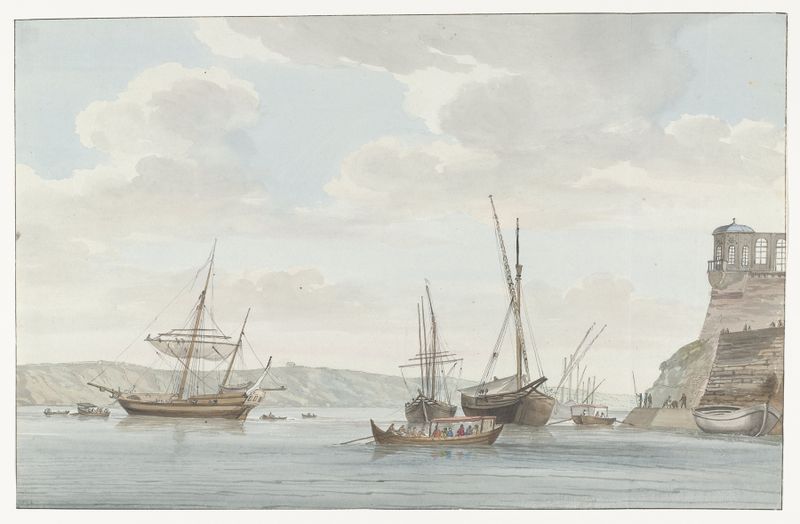
Tuinhuis van de Jardin du Grand Maître uittorend boven de haven met galei schepen op Malta
Abraham-Louis-Rodolphe Ducros
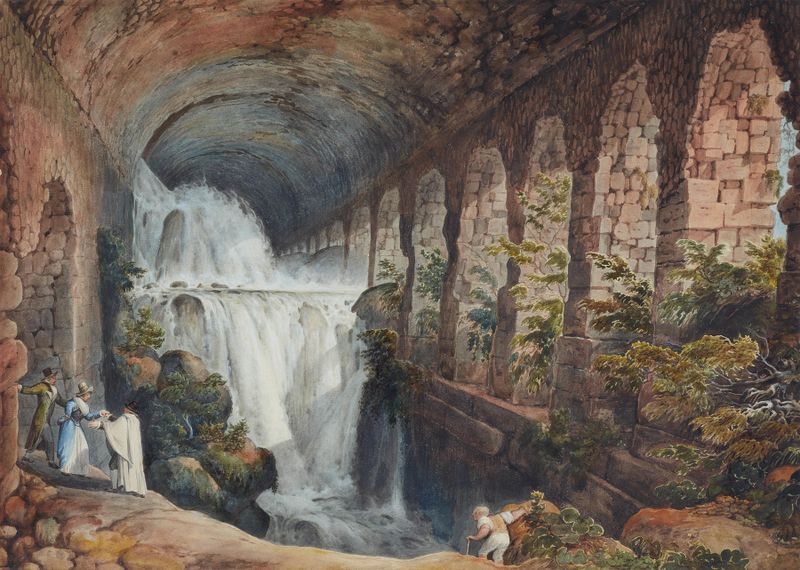
Aquädukt unter der Villa des Maecenas in Tivoli
Abraham-Louis-Rodolphe Ducros
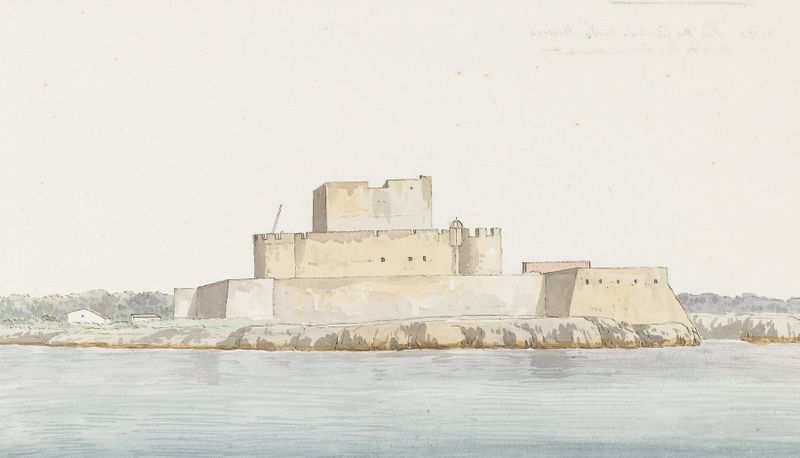
Gezicht op kasteel van San Mauro la Bruca vanaf zee bij aankomst
Abraham-Louis-Rodolphe Ducros





