
Fränzi in front of Carved Chair — History & Facts
The first thing that seizes your attention in Fränzi in front of Carved Chair is the electric palette: skin rendered in acidic greens and ochres, lips and eyes outlined with an almost theatrical boldness. The figure of the girl, Fränzi, commands the foreground, her gaze steady and slightly parted lips hinting at a private world behind the mask of color. Behind her, the suggestion of a chair and a second figure, more shadow than presence, presses forward, crowding the space and intensifying the sense of psychological closeness.
The brushwork is urgent, raw, and almost sculptural, as if Ernst Ludwig Kirchner is carving the figures out of pure pigment rather than painting them. The entire scene pulses with a sense of immediacy and tension—this is not a tranquil portrait, but a moment of confrontation. Works like this, painted in 1910, belong to the feverish dawn of German Expressionism, when artists of Die Brücke sought to break away from academic restraint and plunge into the rawness of modern life. These paintings were often made in studios crowded with friends, models, and fellow artists, their colors and forms shaped by a desire to capture emotion rather than likeness.
The thick, unblended strokes and wild palette were meant to jolt the viewer awake, to make the inner life visible on the surface. Little is recorded about the specific history of this canvas, now found in the digital halls of Google Arts & Culture, but its energy places it squarely in the era when artists like Kirchner were reinventing what a portrait could be. Let your eye linger on those colors—the world they conjure is as restless and alive as the moment it was painted.
More Artworks by Ernst Ludwig Kirchner
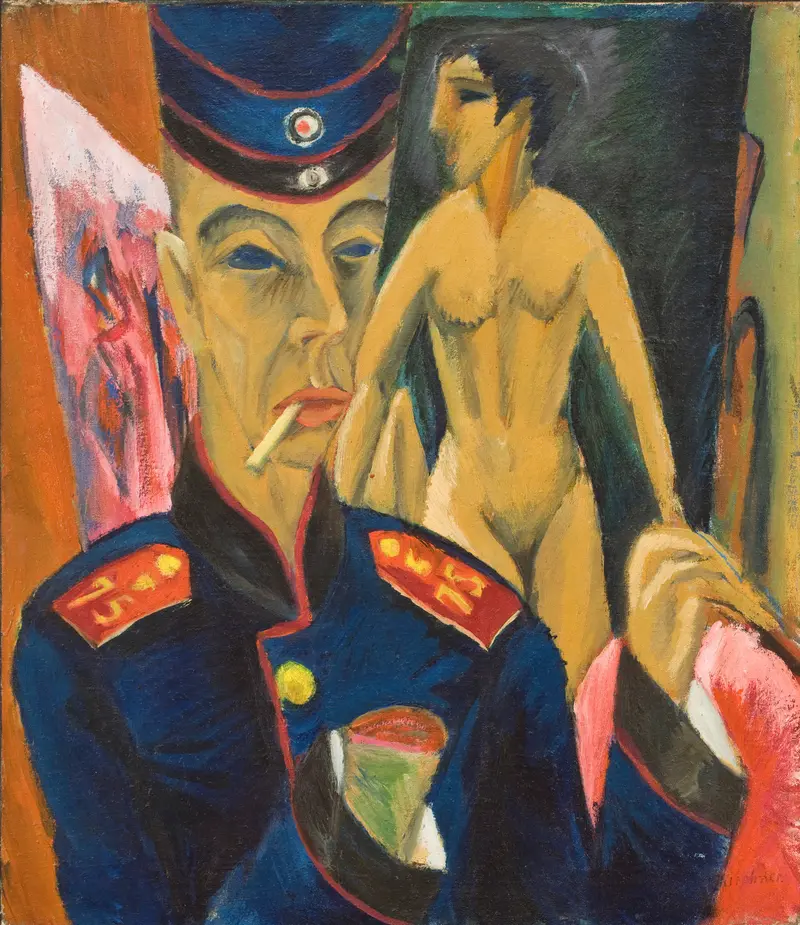
Self-Portrait as a Soldier
Ernst Ludwig Kirchner
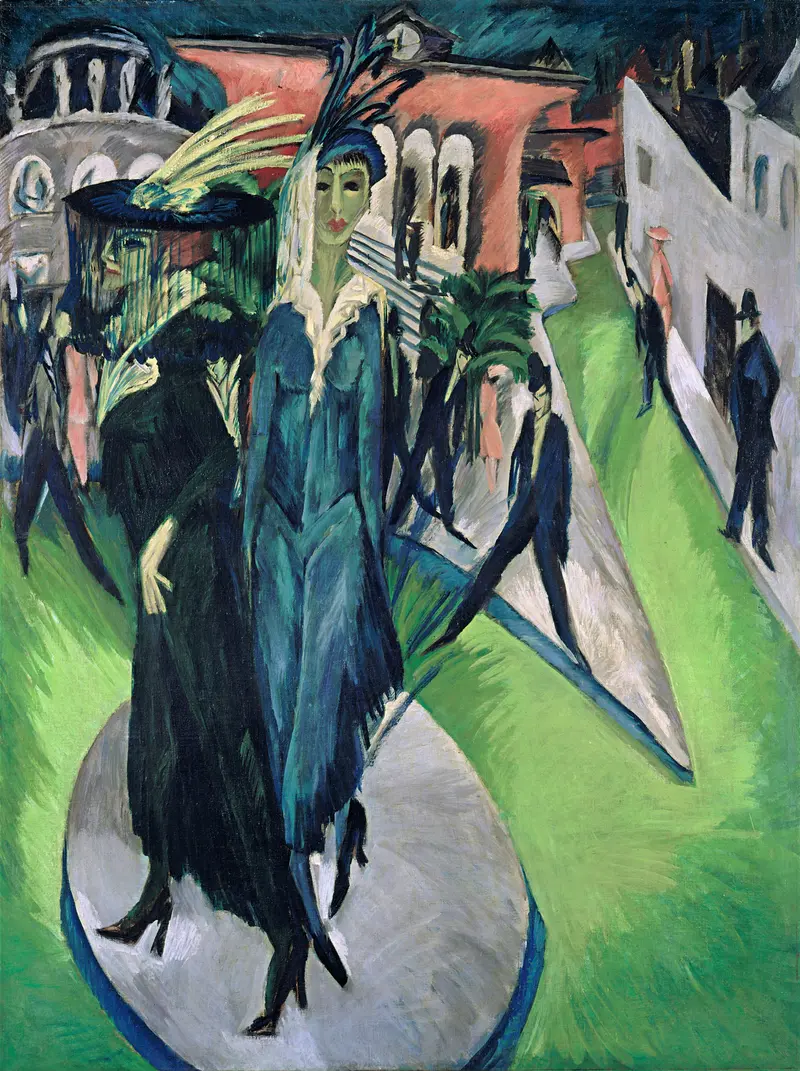
Potsdamer Platz
Ernst Ludwig Kirchner

Alphütten und Tinzenhorn
Ernst Ludwig Kirchner
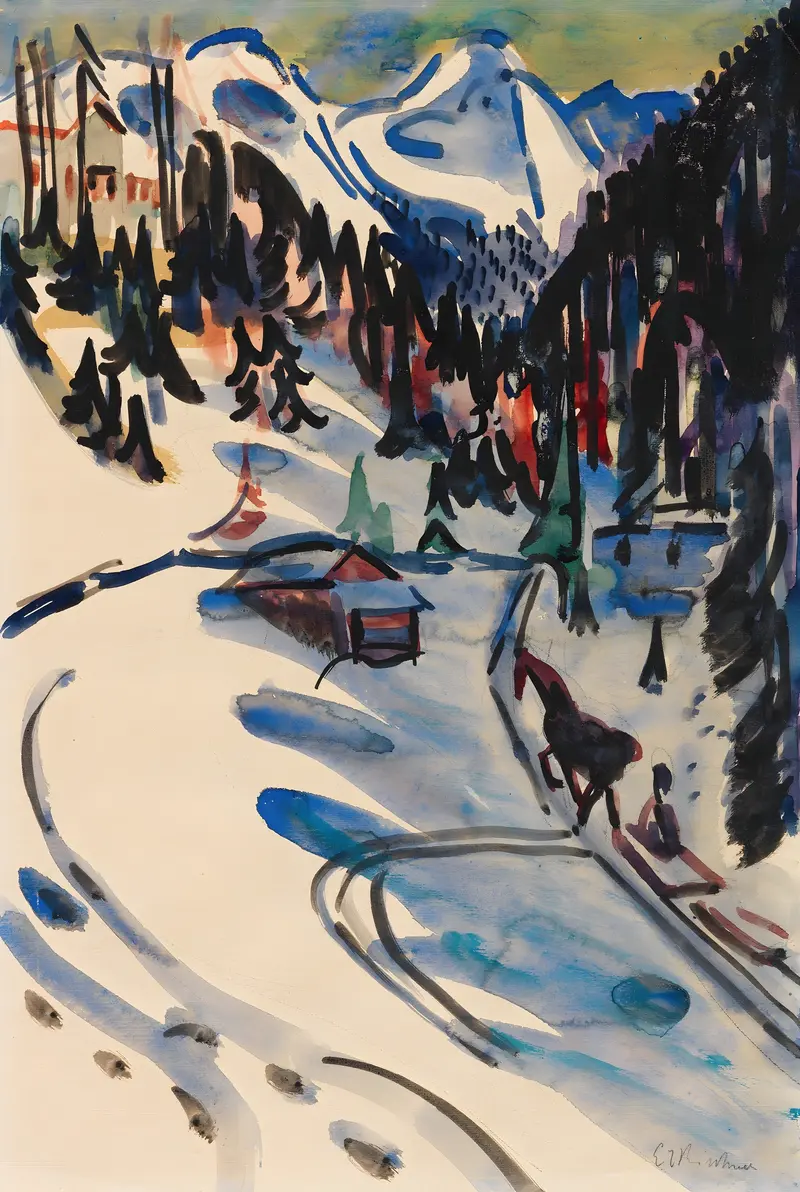
Sertigtal im Winter
Ernst Ludwig Kirchner
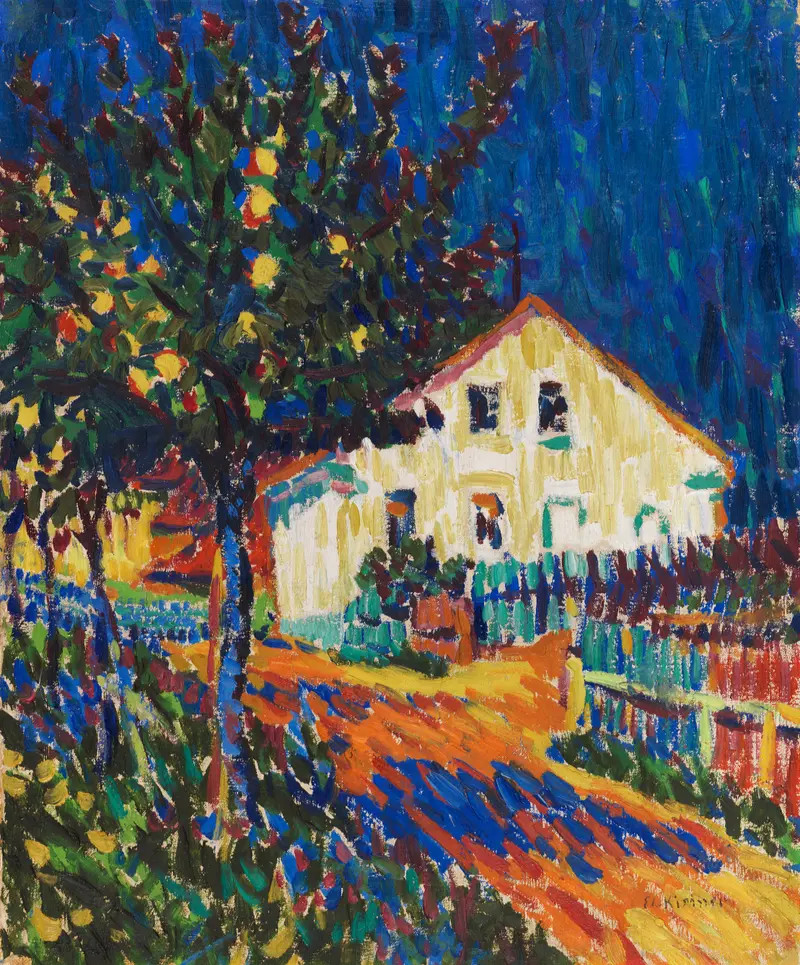
Dorfstraße mit Apfelbäumen
Ernst Ludwig Kirchner
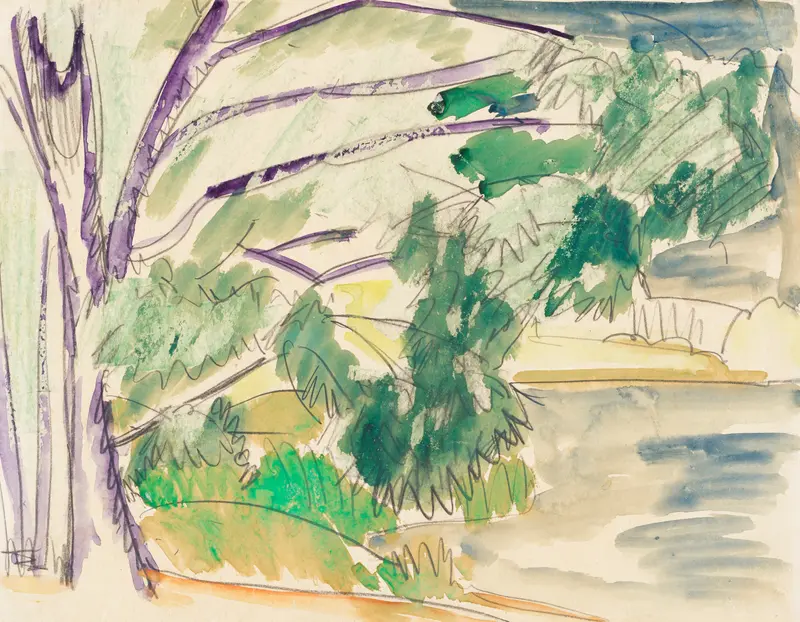
Unter Bäumen am See
Ernst Ludwig Kirchner
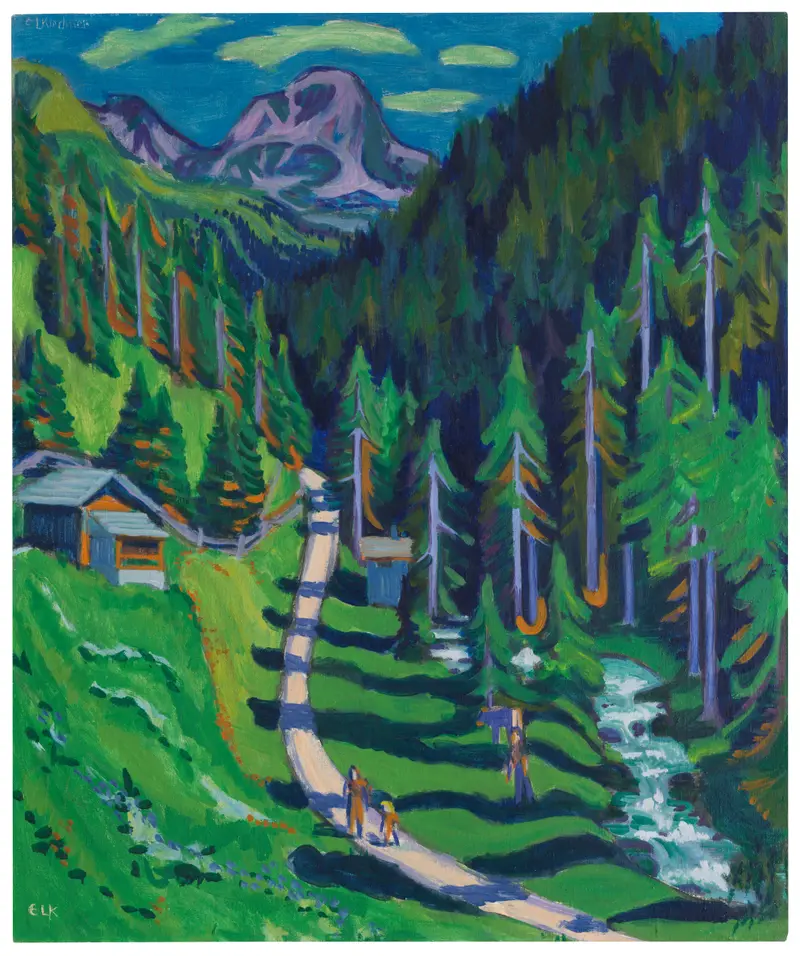
Sertigweg
Ernst Ludwig Kirchner
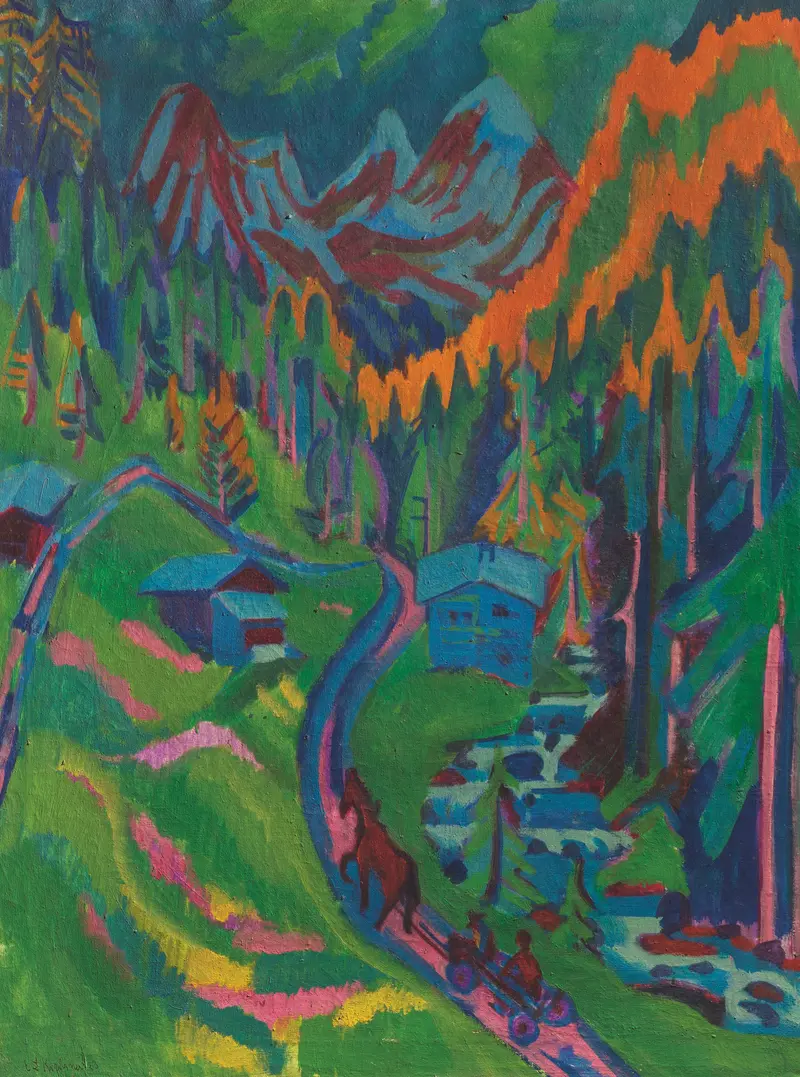
Sertigweg im Sommer
Ernst Ludwig Kirchner
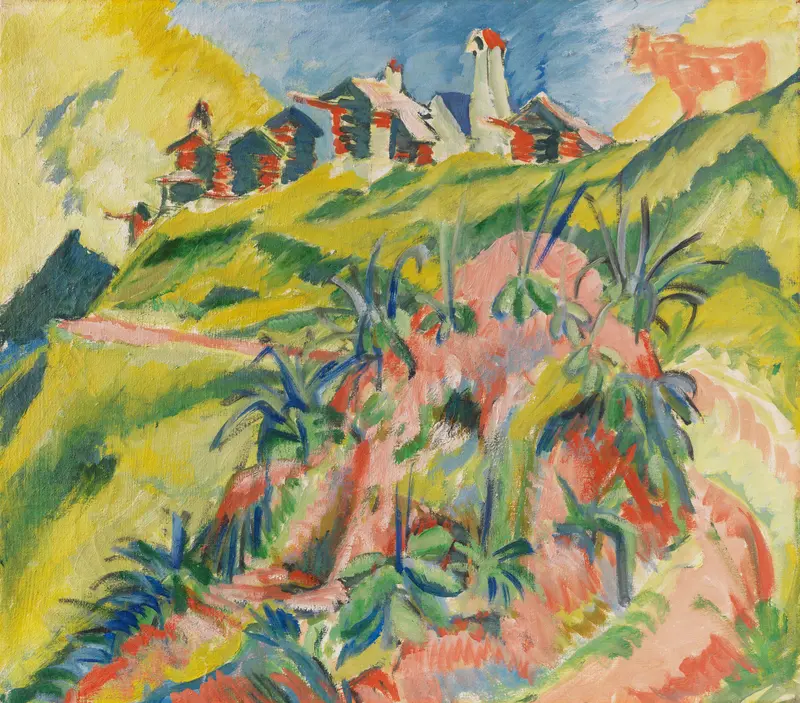
Bergdorf mit rosa Kuh
Ernst Ludwig Kirchner
Fehmarnküste mit Leuchtturm
Ernst Ludwig Kirchner





