
Frederik Hendrik’s Siege of ’s-Hertogenbosch, 1629 — History & Facts
Is this a mirror — or a memory? A moment frozen in time, where faith finds embodiment amidst the brutal chaos of war. Focus on the soldiers in the foreground, their figures taut with tension as they prepare for the siege. Notice how the palette oscillates between the muted grays of armor and the somber browns of the landscape, creating a stark contrast that heightens the emotional gravity of the scene. The artist employs a meticulous attention to detail, evident in the way light glints off metal surfaces, revealing both the beauty and the brutality of conflict.
The composition draws your gaze toward the looming fortress in the background, symbolizing both the physical and spiritual stronghold that the besieged must defend. Within this tableau lies a rich tapestry of meanings. The soldiers' expressions hint at the interplay of determination and despair, each face a reflection of the human condition when caught between the ideals of duty and the harsh reality of warfare. The siege itself serves as a metaphor for the struggle of faith against overwhelming odds, illustrating the resilience of belief even in the darkest of times.
Small details, like the flags fluttering in the wind, accentuate a sense of hope amidst the turmoil. Pieter de Neyn created this significant work around 1629, a time when the Eighty Years' War was still casting its shadow over the Netherlands. Living in a period characterized by religious conflict and political upheaval, de Neyn sought to capture not just the physical aspect of military engagements but also the underlying spiritual resilience that sustained communities through hardship. His work reflects the broader artistic movements of the time, aligning with the Baroque tradition's emphasis on dramatic narratives and emotional depth.
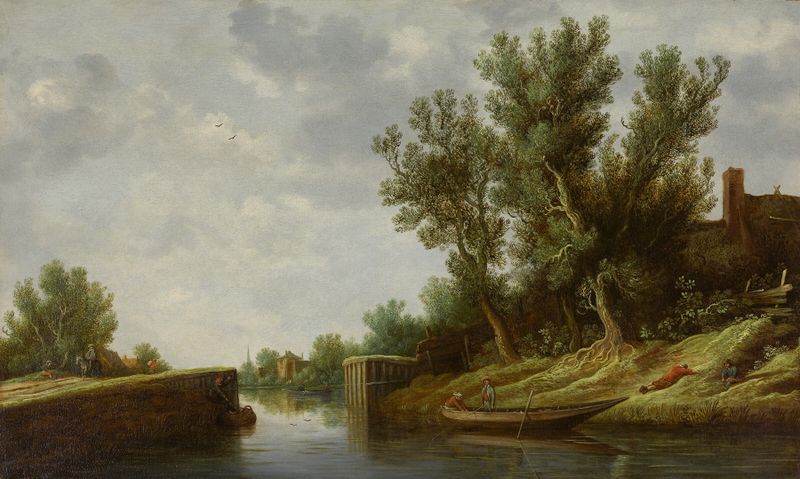
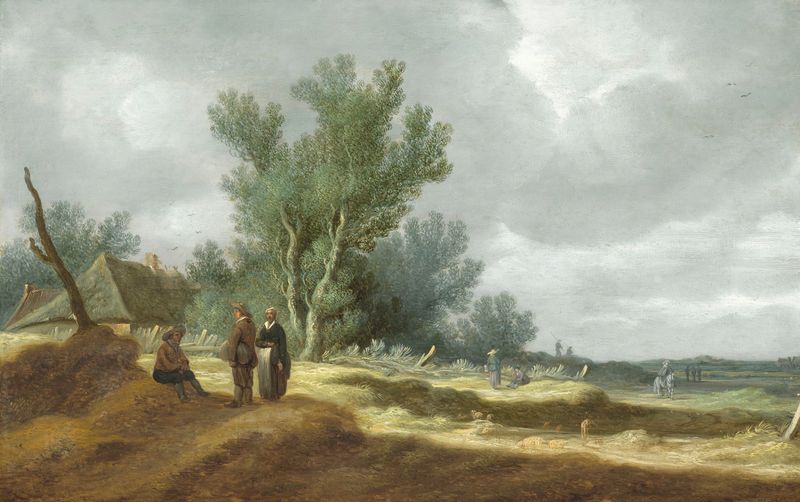
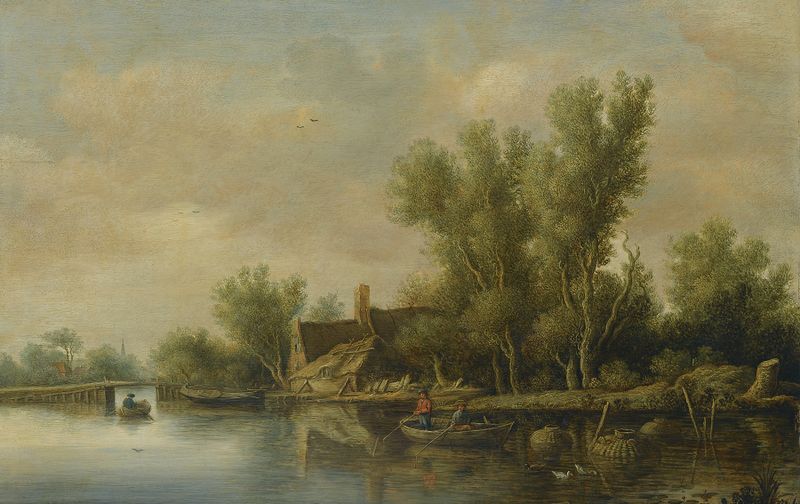
More Artworks by Pieter de Neyn
Browse all →

More Historical Art
Browse all →
The Night Watch Militia Company of District II under the Command of Captain Frans Banninck Cocq
Rembrandt van Rijn
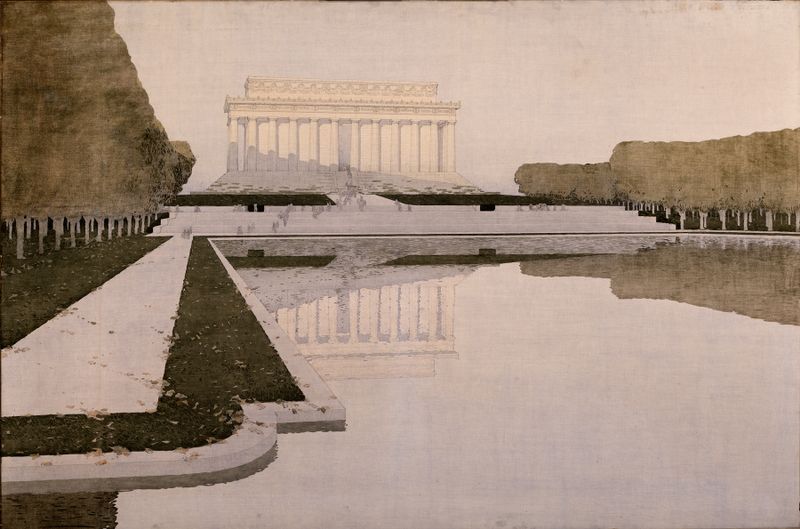
Lincoln Memorial
Henry Bacon
The Third of May 1808
Francisco de Goya

Isaac and Rebecca, Known as ‘The Jewish Bride’
Rembrandt van Rijn
The Charge of the Mamelukes (1814)
Francisco de Goya

De vier ruiters van de apocalyps
Albrecht Dürer