Freetown, Sierra Leone — History & Facts
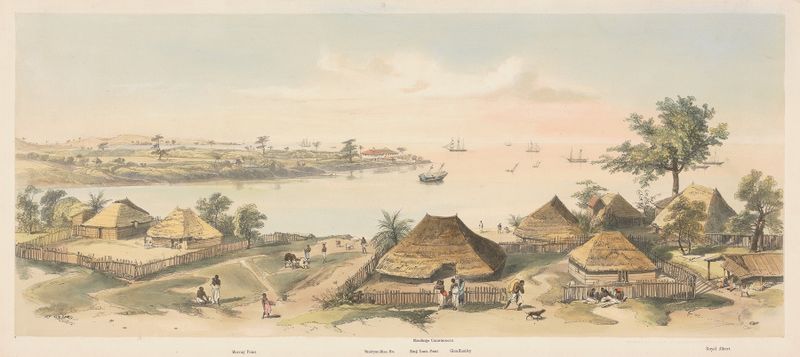
What if beauty was never meant to be finished? In Freetown, Sierra Leone, a poignant exploration of loss and resilience unfolds, speaking to the scars of history and the enduring spirit of humanity. Look to the center of the canvas, where the vibrant hues of the marketplace burst forth—rich reds and yellows mingle with earthy browns. The figures, rendered in a soft, almost ethereal light, seem to pulse with life yet are imbued with an underlying melancholy. Notice how the bright colors contrast against the grayish hues of the distant hills, suggesting both a place of promise and the weight of memories that cling like fog.
Laby’s brushwork is fluid, lending a sense of movement, yet the stillness in the faces hints at stories untold. Delve deeper into the expressions of the people captured; their gazes reveal a haunting interplay of hope and grief. The bustling scene is not merely a celebration of life in Freetown but also a reminder of the struggles intertwined with its beauty. Small details—a child’s hand gripping a parent’s, the way shadows stretch across the ground—speak to the fragility of existence and the bonds that endure despite the surrounding turmoil. Painted in 1850, Freetown, Sierra Leone emerged during a transformative period in Laby’s life, marked by his travels and exposure to diverse cultures.
Living in a world grappling with colonialism and its repercussions on African societies, Laby sought to capture the essence of a place caught between past and future. The artwork stands as a testament to his keen observation and empathy, revealing an artist deeply aware of the complex narratives that shape a community.