Freetown, Sierra Leone — History & Facts
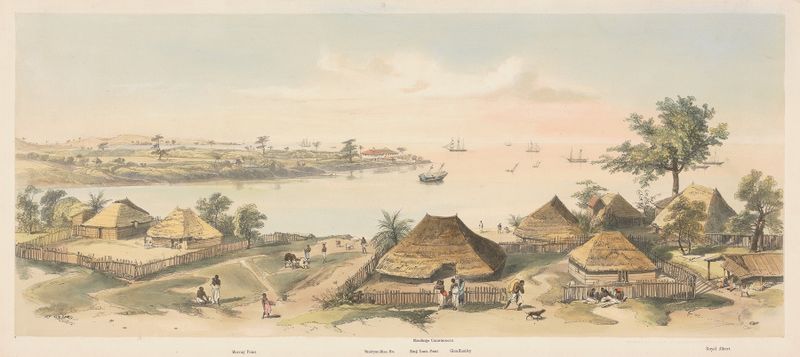
Is this a mirror — or a memory? In Freetown, Sierra Leone, the interplay of light and shadow invites introspection, casting a fleeting glimpse into a world that straddles reality and recollection. Look to the left at the radiant sun, its golden rays pouring over the water's surface, illuminating the boats and figures below. The artist skillfully captures the vibrant hues of tropical life, blending cobalt blues and lush greens, inviting the viewer to breathe in the warm atmosphere. Notice the gentle ripples reflecting the sunlight, a technique that infuses the canvas with movement and vitality, while the figures appear almost ethereal, caught in a moment of labor and leisure. Delve deeper into the contrasting activities depicted; the laborers toil diligently while children play nearby, a dance between hardship and innocence.
The juxtaposition of their expressions evokes a complex emotional landscape — joy intertwined with the heaviness of reality. This duality invites contemplation on the resilience of the human spirit amid the challenges of life in a post-colonial context, hinting at stories untold beneath the surface. In 1850, when this piece was created, the artist was exploring themes of colonialism and identity, deeply influenced by the social and political climate of the time. Living in France and reflecting on the relationship between Europe and Africa, Laby aimed to portray not just a landscape, but a narrative that resonated with the history and culture of Sierra Leone.
His work emerged during a period of great artistic transition, as artists sought to capture the truth of their subjects beyond mere aesthetic appeal.