Freetown, Sierra Leone — History & Facts
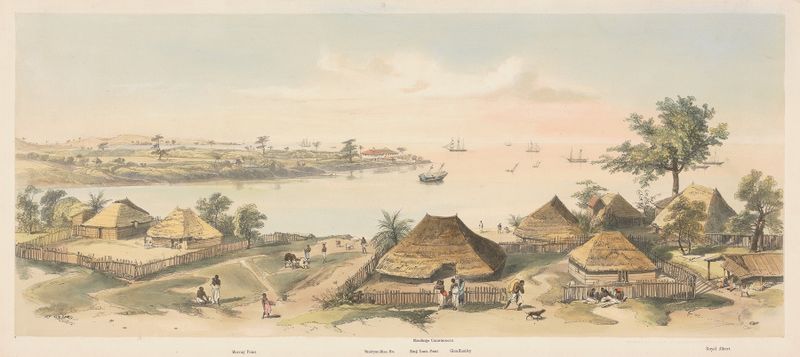
Can paint confess what words never could? In the vibrant brushstrokes of its palette, transformation unfolds, inviting us to witness the unspeakable beauty of change embodied in a single moment. Look to the center, where the heart of Freetown pulses with life. The artist captures a lively market scene, rich with color and movement. Notice how the warm hues of sunlit buildings contrast against the cool shadows cast by looming trees, creating a dynamic interplay of light and form.
The figures, dressed in traditional attire, are caught in gestures of exchange, their interactions woven into the very fabric of the scene. It is a celebration of community, a moment frozen in time. Yet, beneath the bustling activity lies a deeper narrative of resilience and hope. The lively exchanges hint at a transformative spirit, one that speaks to the history and struggles of this coastal city.
The juxtaposition of movement and stillness reflects the tension between past and present, inviting contemplation on the forces that shape identity. The artist subtly embeds a sense of awakening, interlacing the vibrancy of daily life with the challenges of its historical context. In 1850, Auguste François Laby painted this scene during a period of burgeoning interest in African subjects among European artists. Living in France, he was influenced by the Romantic movement and its fascination with color and emotion.
This work emerged from a time when the complexities of colonialism were beginning to be explored in art, presenting both a vivid representation of life in Sierra Leone and an invitation to reflect on the broader transformations underway in the world.