Freies, streng gefasst (Free forms rigidly mounted) — History & Facts
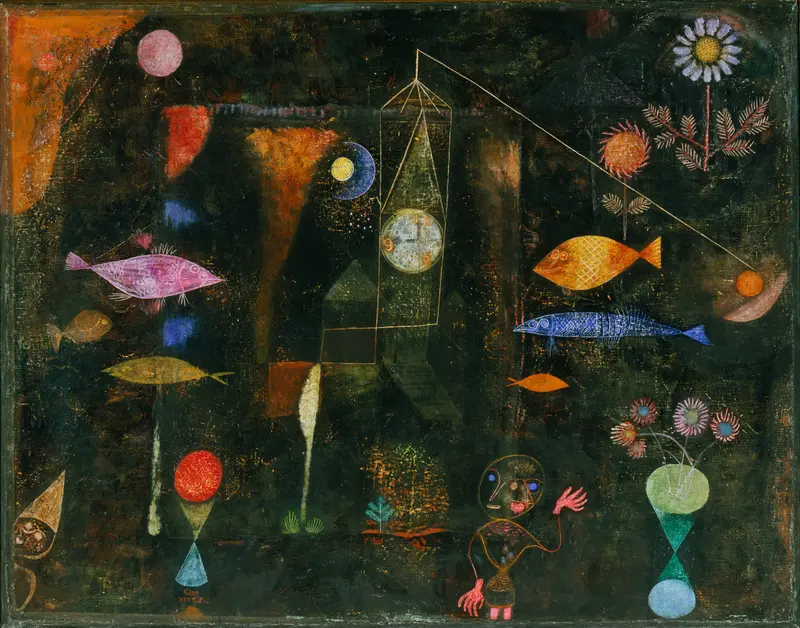
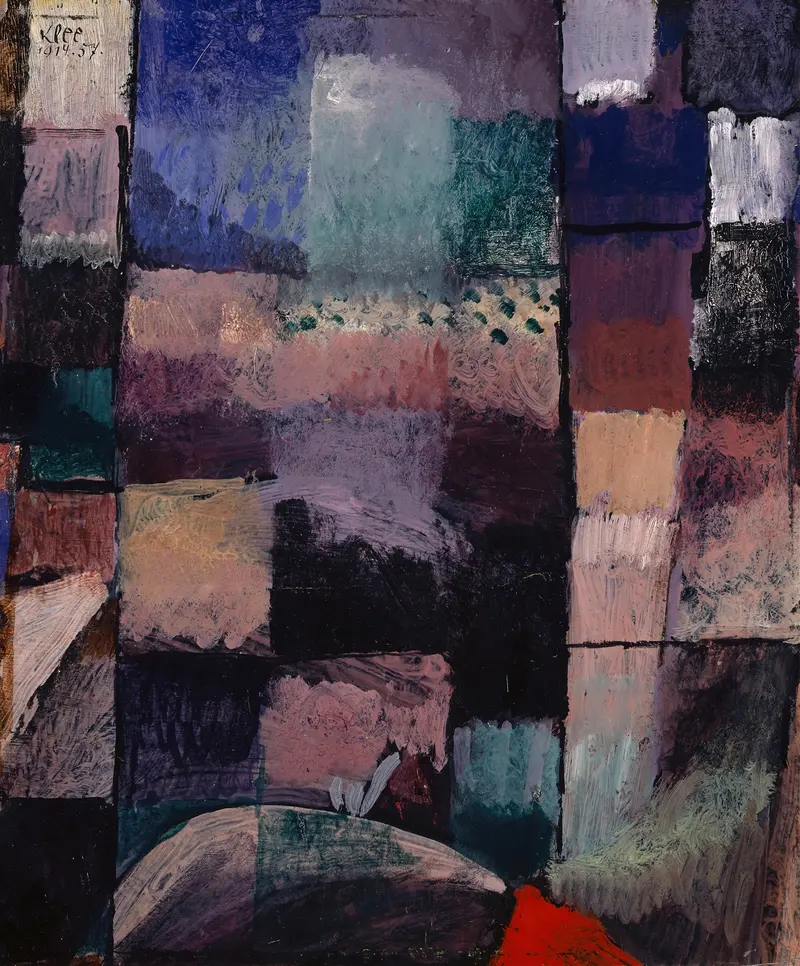
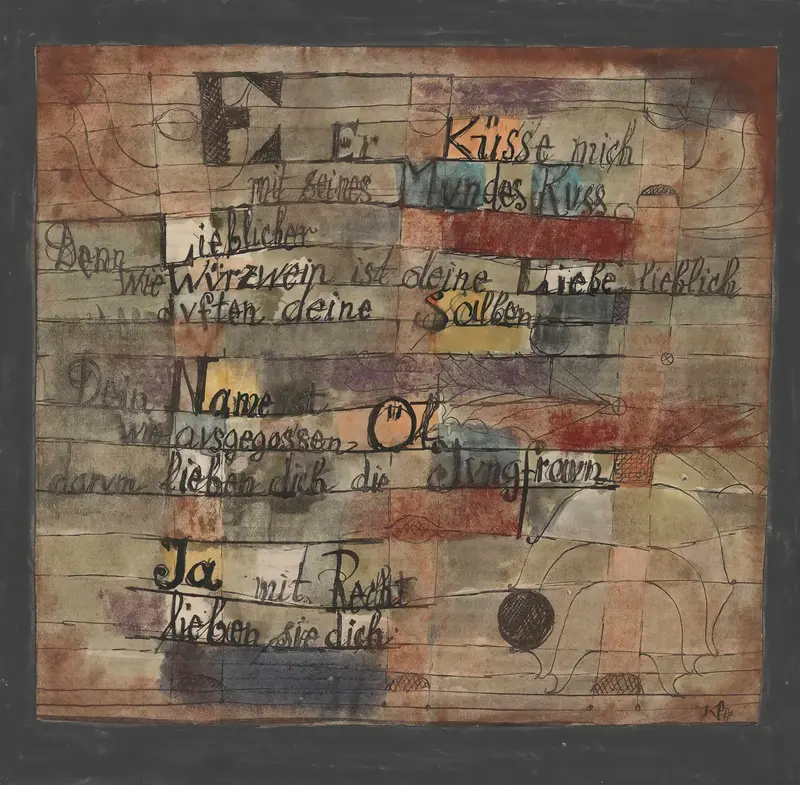
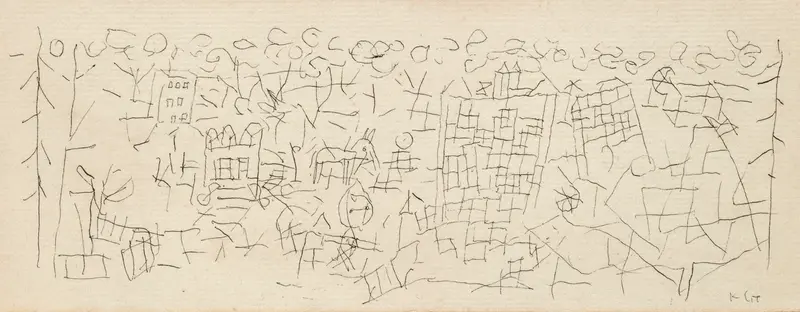
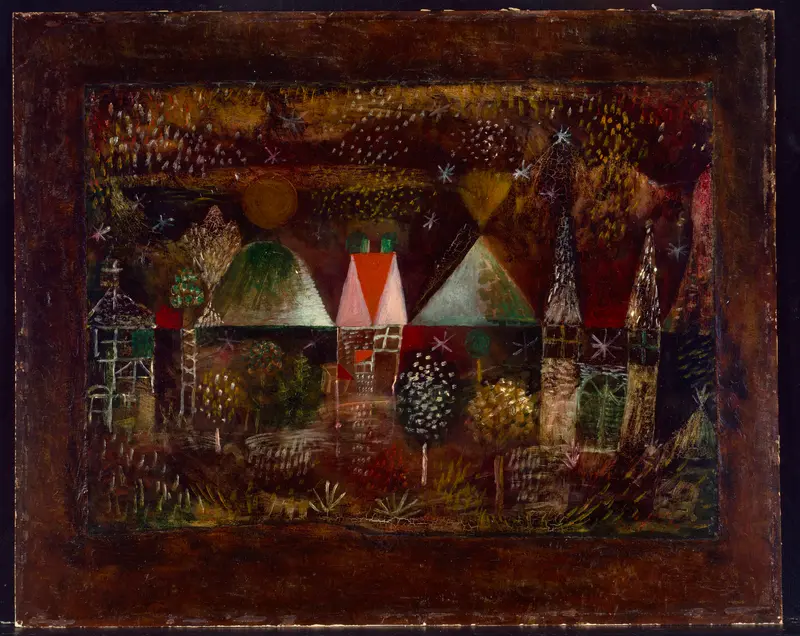
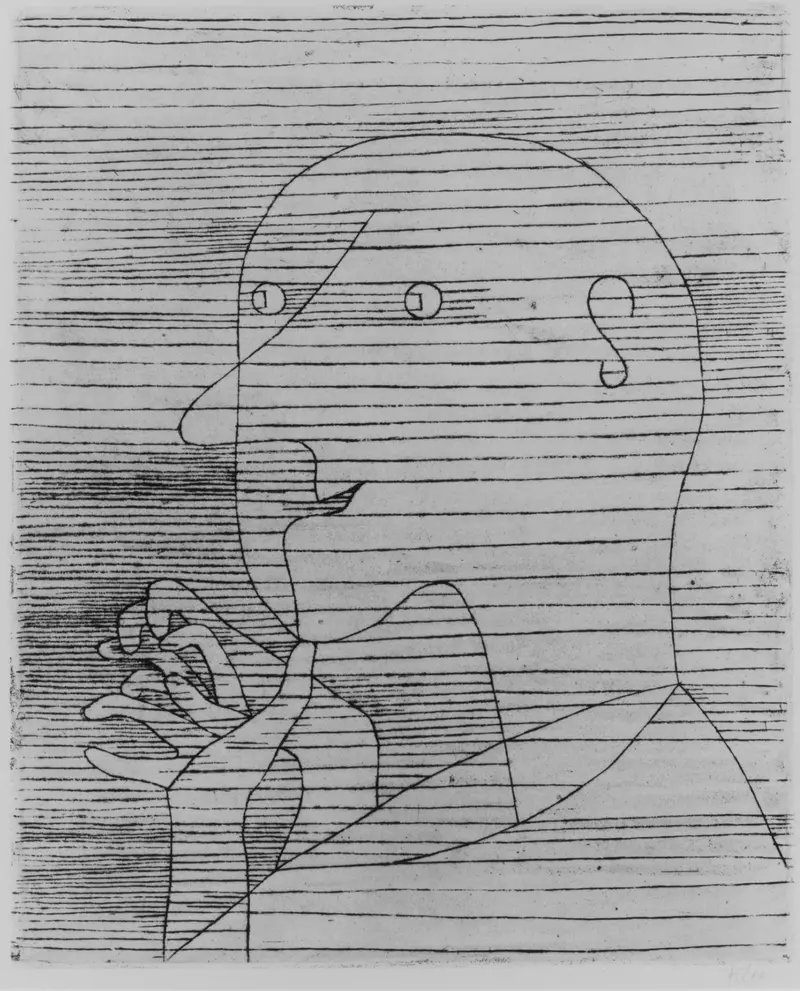
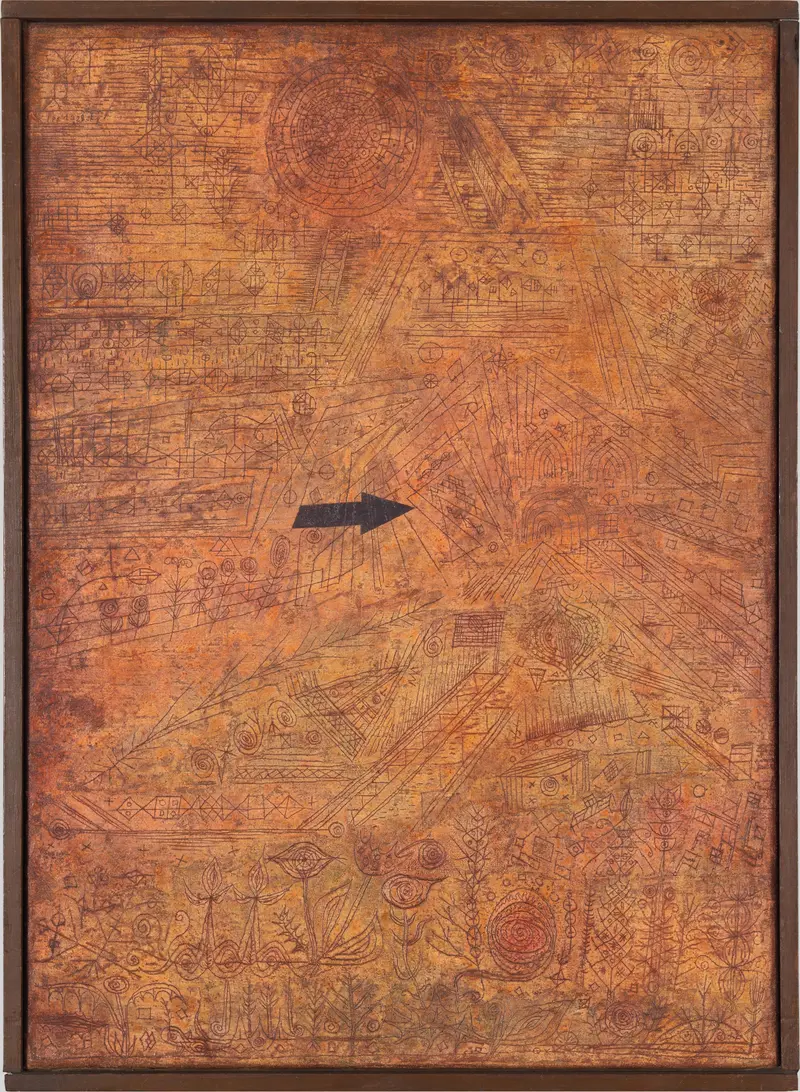
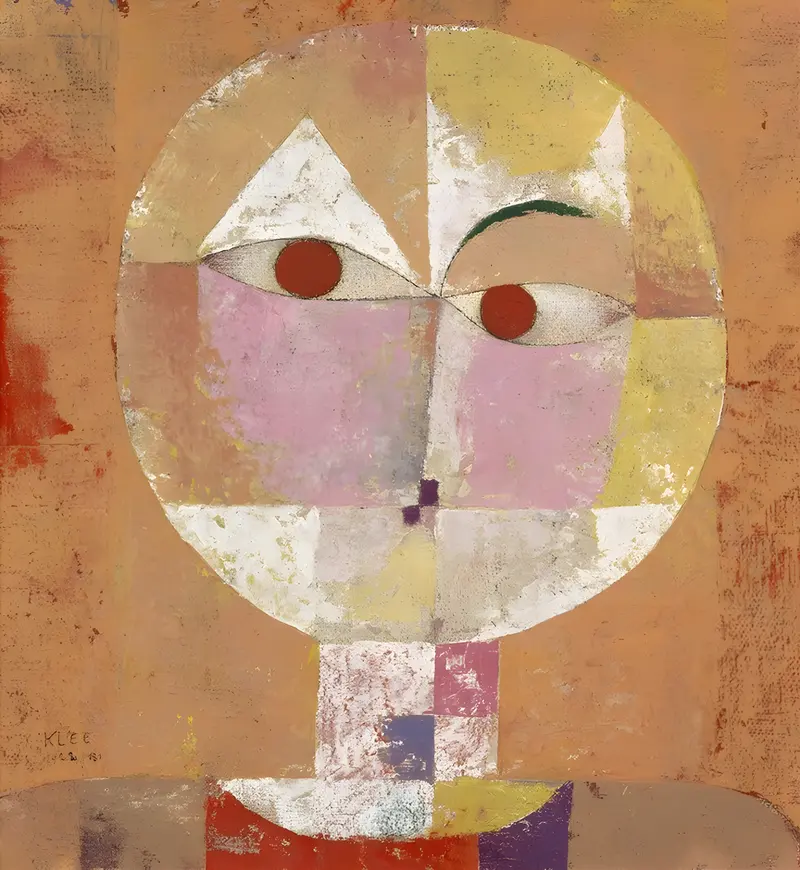
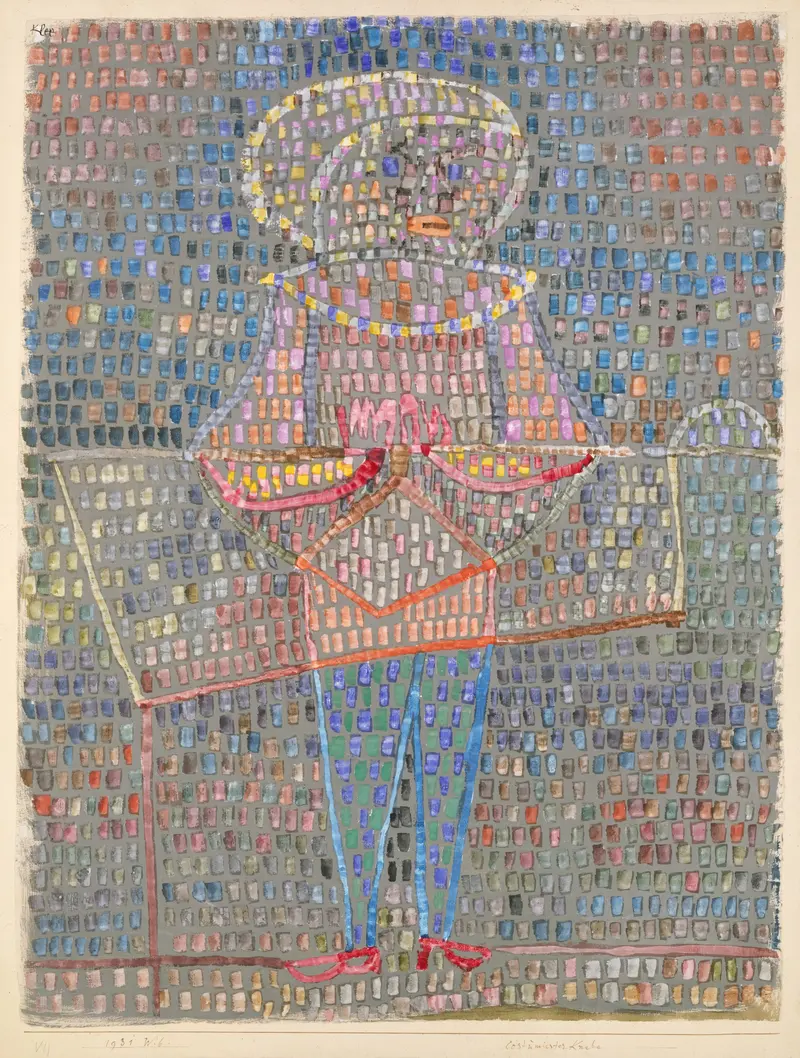
In Freies, streng gefasst, Paul Klee employs a vibrant palette of colors, including reds, blues, and yellows. The composition features abstract shapes that seem to dance across the canvas, creating a sense of movement. These forms are arranged in a way that suggests both freedom and restriction, reflecting the title's duality.
The overall effect is playful yet structured, inviting viewers to explore the relationships between the colors and shapes. The painting is characterized by its use of geometric forms and a balanced composition. Klee's technique involves layering colors, which adds depth and texture to the work. The brushwork is expressive, with visible strokes that enhance the dynamism of the piece.
This artwork exemplifies Klee's unique approach to abstraction, where he combines elements of fantasy with a rigorous structure. Paul Klee was a key figure in the development of abstract art in the early 20th century. Freies, streng gefasst reflects his interest in the interplay of color and form, a hallmark of his style. Interestingly, Klee often drew inspiration from music, believing that color could evoke similar emotional responses.
This work, created around the 1920s, showcases his innovative exploration of visual language.