French Landscape — History & Facts
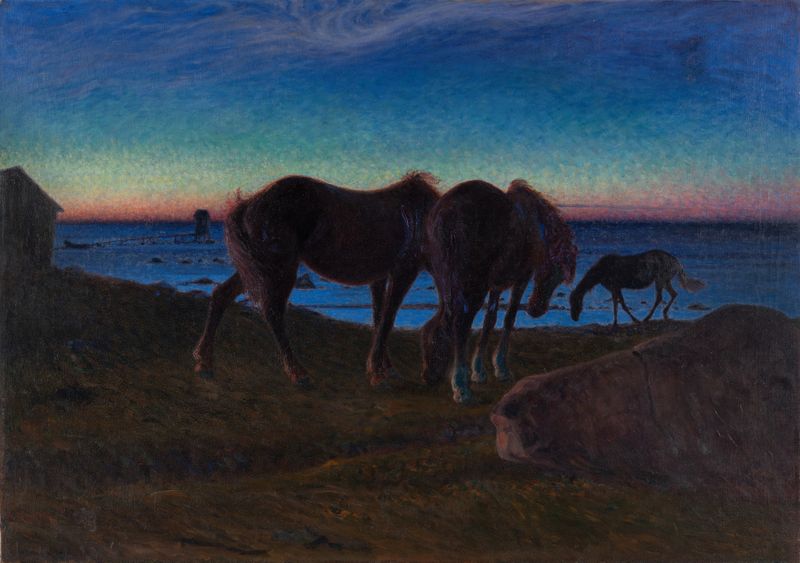
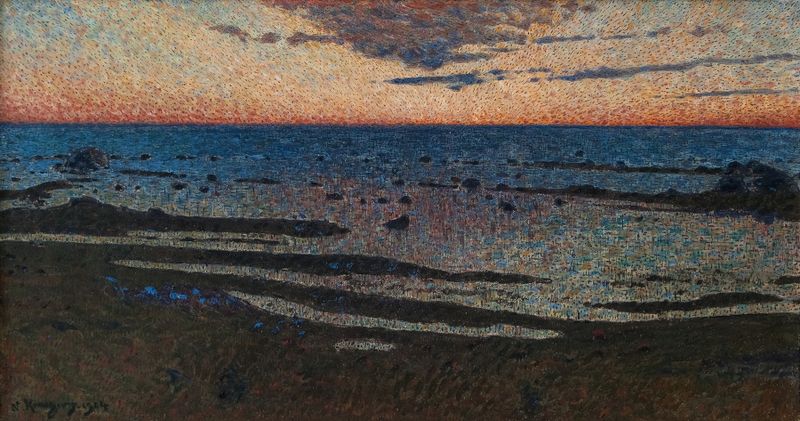
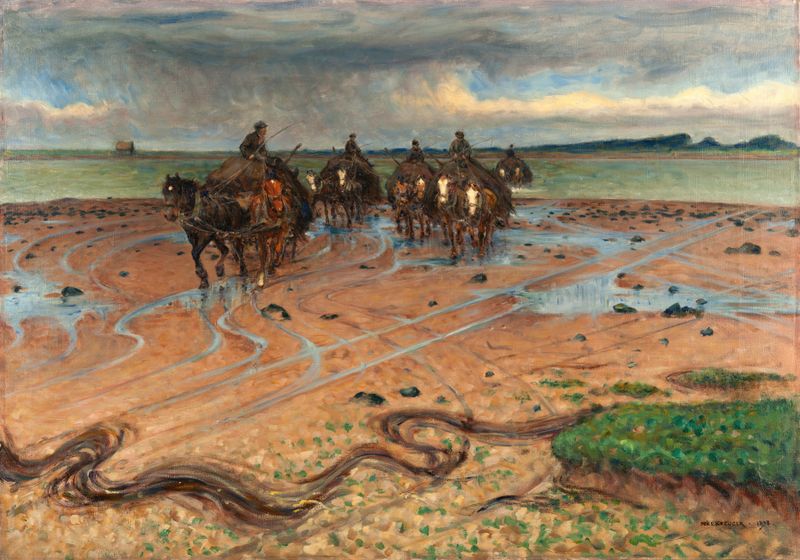
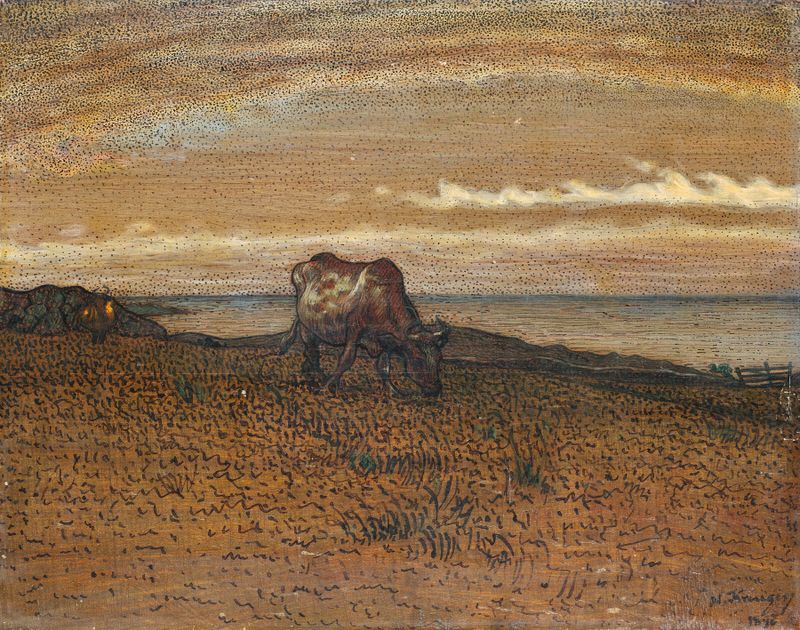
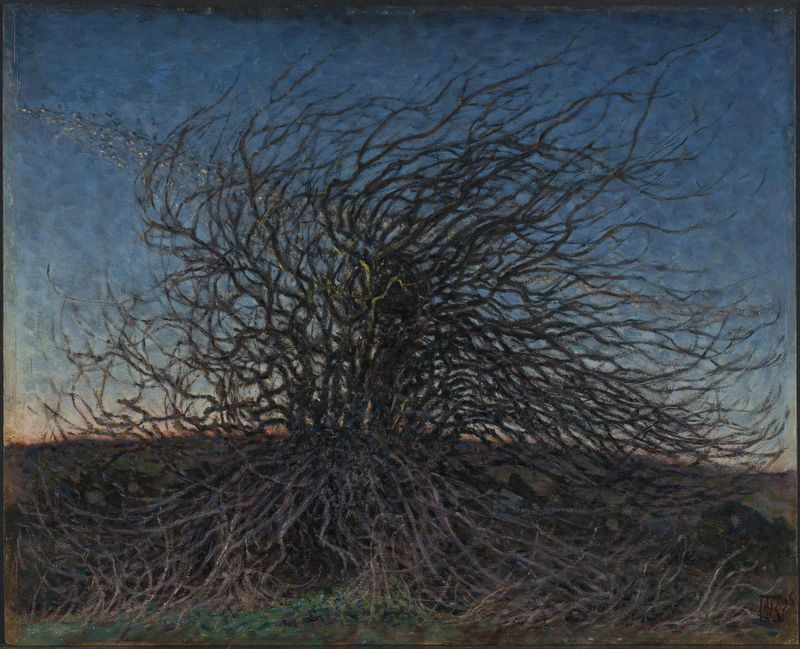
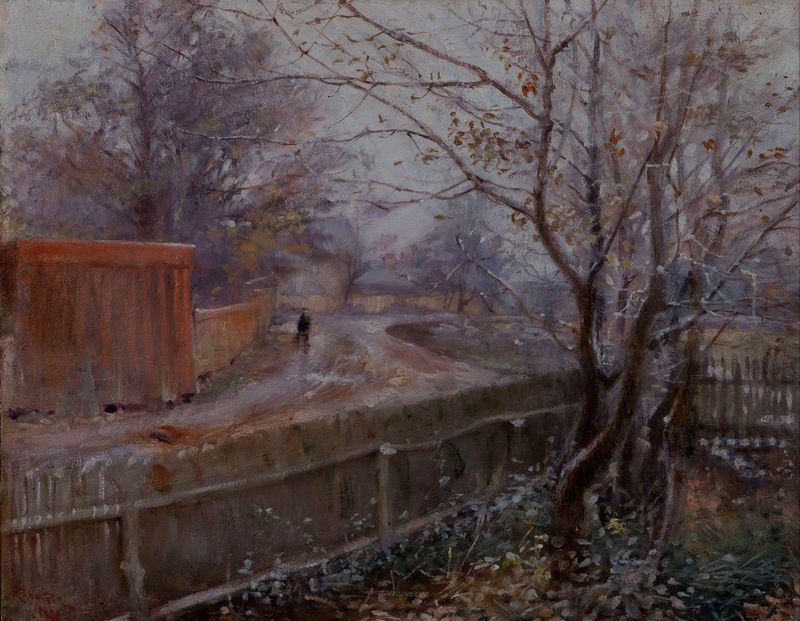
Could beauty survive in a century of chaos? In French Landscape, Nils Kreuger captures a fleeting moment, where nature's serenity stands in stark contrast to the tumult of the world beyond the canvas. Focus on the soft undulation of the rolling hills, where verdant greens meet the tranquil blues of the sky. Notice how the light filters through the trees, dappling the ground with golden patches that invite you into this idyllic scene. Kreuger's brushwork is both delicate and deliberate, creating a sense of depth that pulls you into the landscape, as if inviting you to stroll amongst the wildflowers blooming beneath the gentle sunlight. Yet beneath this idyllic vision lies a whisper of tension.
The rich palette, while soothing, hints at an underlying unease—a reminder that moments of beauty are often fleeting. The horizon, while inviting, suggests a distance that can never be fully traversed, echoing the illusion of peace amid an ever-looming chaos. Each stroke evokes not just a view, but a longing for an authenticity that seems just out of reach. In 1883, Kreuger painted this landscape during a period of significant change in Europe, marked by industrialization and societal upheaval.
Living in Sweden, he was part of a movement that sought to reconcile the natural world with the needs of a rapidly modernizing society. This painting reflects his desire to capture the fleeting beauty of nature, providing a momentary escape from the din of modern life, while engaging with the broader artistic trends of realism and impressionism.