
Friedrich Nietzsche — History & Facts
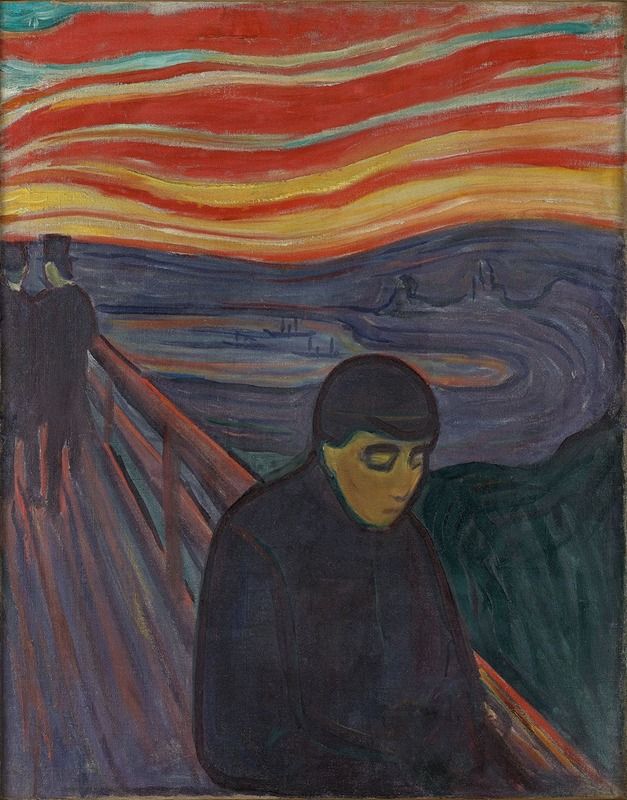
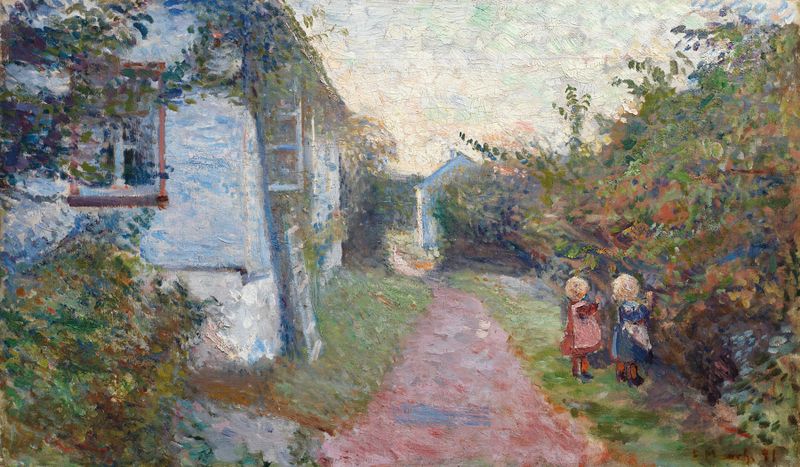
In this stillness, we encounter the profound innocence that often eludes our grasp in the clamor of life. How does one capture the essence of a soul, the fleeting moments between joy and despair? Look to the center of the composition, where the figure stands in contemplation, a blend of shadow and light enveloping them. Notice how the muted palette of deep blues and soft earth tones reflects the weight of thought and emotion.
The swirling brushstrokes suggest an internal struggle, evoking both turbulence and serenity, while the fragmented background hints at a world filled with tumult yet deeply rooted in memory. The juxtaposition of the figure’s innocence against the chaotic backdrop speaks volumes. Examine the contrasting elements — the calmness of the individual contrasting with the swirling chaos around them — revealing a tension between the ideal and the real. This duality invites the viewer to ponder the complexities of existence, encapsulating a moment of vulnerability and raw introspection. In 1906, at the height of his creative journey, Munch painted this work during a period marked by personal upheaval and a deep exploration of existential themes.
Living in Norway, he grappled with his own emotional states while observing the shifting landscape of modern art, where symbolism and expressionism were beginning to take hold. This painting, a profound reflection of his inner turmoil, captures the delicate balance between innocence and the darker shadows of human experience.
More Artworks by Edvard Munch
Browse all →
More Portrait Art
Browse all →
Las meninas
Diego Velázquez

Self-portrait with a Bandaged Ear and Pipe
Unidentified artist

Girl with a Pearl Earring
Johannes Vermeer

The Sampling Officials of the Amsterdam Drapers’ Guild, Known as ‘The Syndics’
Rembrandt van Rijn

The Hundred Guilder Print: the man seen on the back in the lower left corner
Rembrandt van Rijn

Portrait of Dr Gachet
Vincent van Gogh