Frog — History & Facts
The first thing to catch the eye in Frog by Abbott Handerson Thayer is the almost magical way the creature seems to hover between presence and disappearance. The frog, rendered in quick, transparent washes and lively dabs of color, blends into a whirl of yellow-green and russet, as if the artist is inviting us to search for it in its natural camouflage. The animal’s bright eye and speckled back anchor our gaze, while the surrounding bursts of color suggest the restless energy of grass and undergrowth.
The loose, almost playful brushwork gives the scene a sense of immediacy, as if we’ve stumbled upon this moment by chance. Painted between circa 1910 and 1915, this work belongs to a period when American artists like Thayer were fascinated by both the beauty and the science of nature. Known in his lifetime for his studies of animal camouflage, Thayer often explored how creatures vanish into their environments—a subject that resonated with both artists and naturalists of the era. While little is recorded about the journey of this particular sheet, it now resides in the collection of the Smithsonian American Art Museum, a quiet testament to a time when the boundaries between art and observation, delight and discovery, were being freshly drawn.
Stand before it and let your eye wander: what else might be hiding in plain sight?
More Artworks by Abbott Handerson Thayer
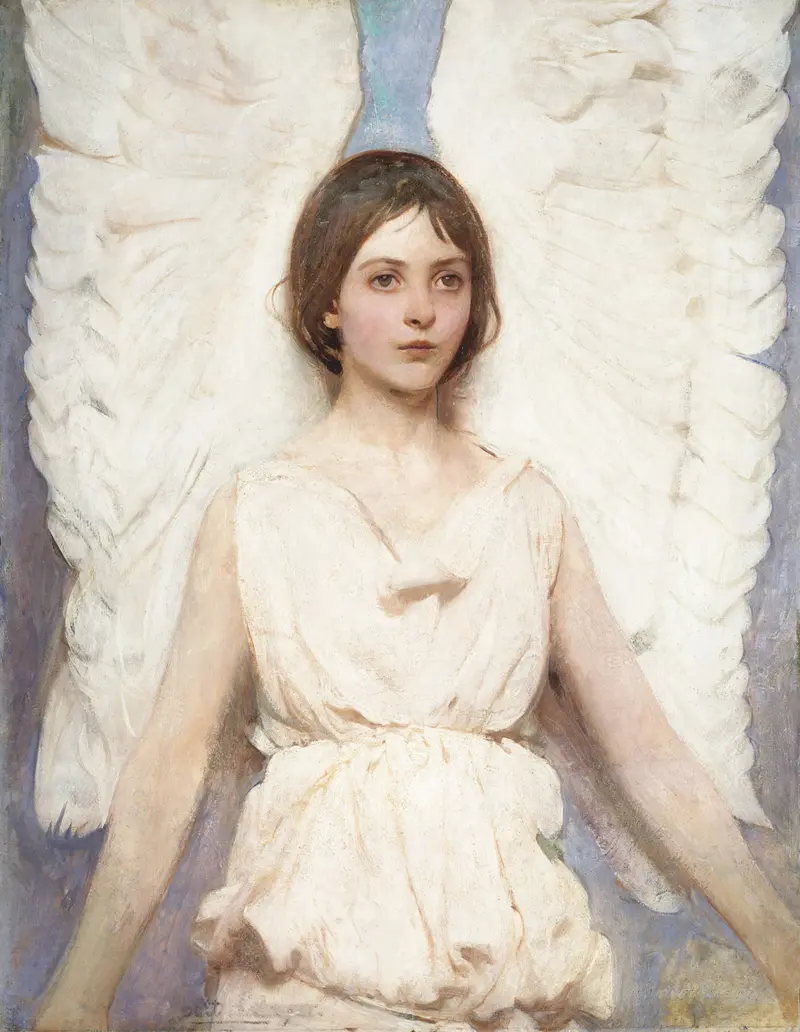
Angel
Abbott Handerson Thayer

Mount Monadnock
Abbott Handerson Thayer
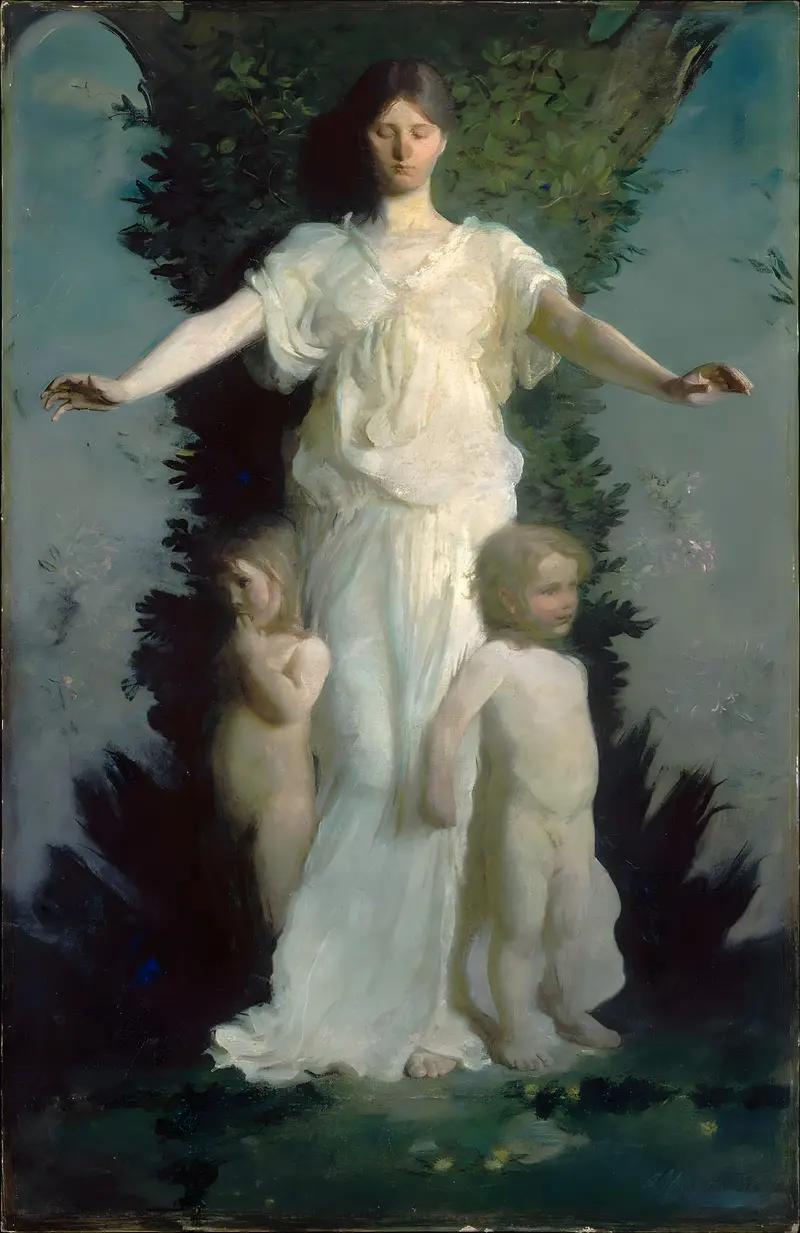
Caritas
Abbott Handerson Thayer

Winter, Monadnock
Abbott Handerson Thayer
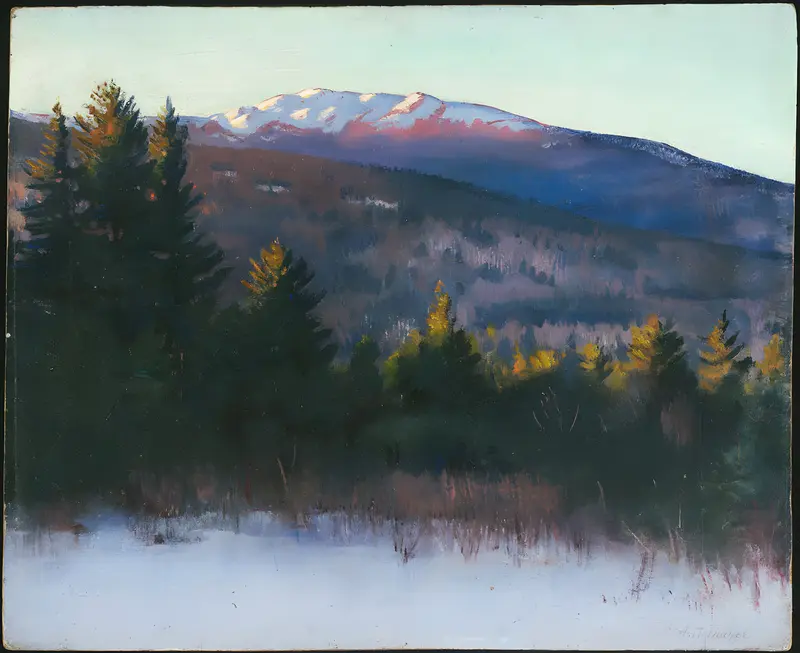
Mount Monadnock
Abbott Handerson Thayer
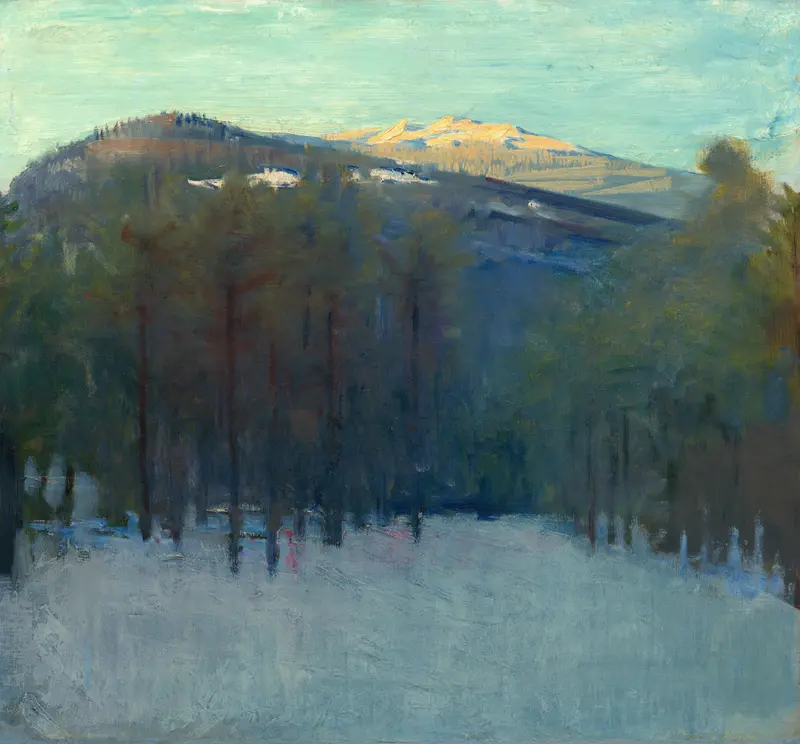
Mount Monadnock
Abbott Handerson Thayer
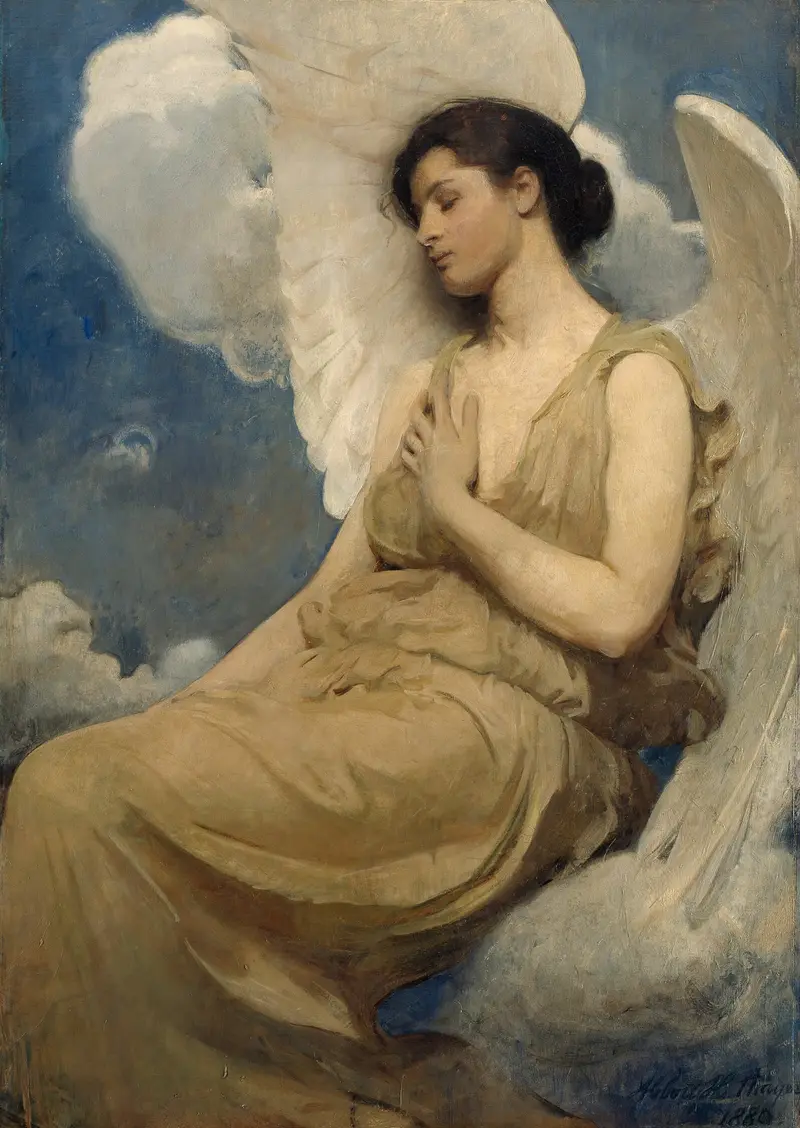
Winged Figure
Abbott Handerson Thayer
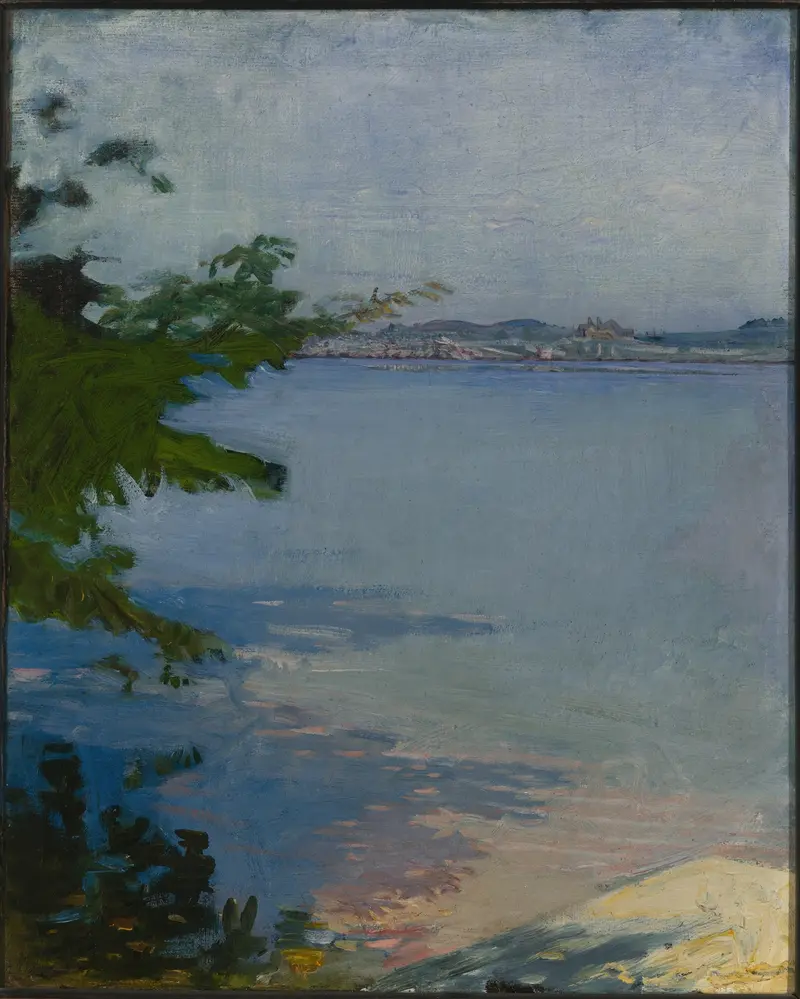
Dublin Pond, New Hampshire
Abbott Handerson Thayer
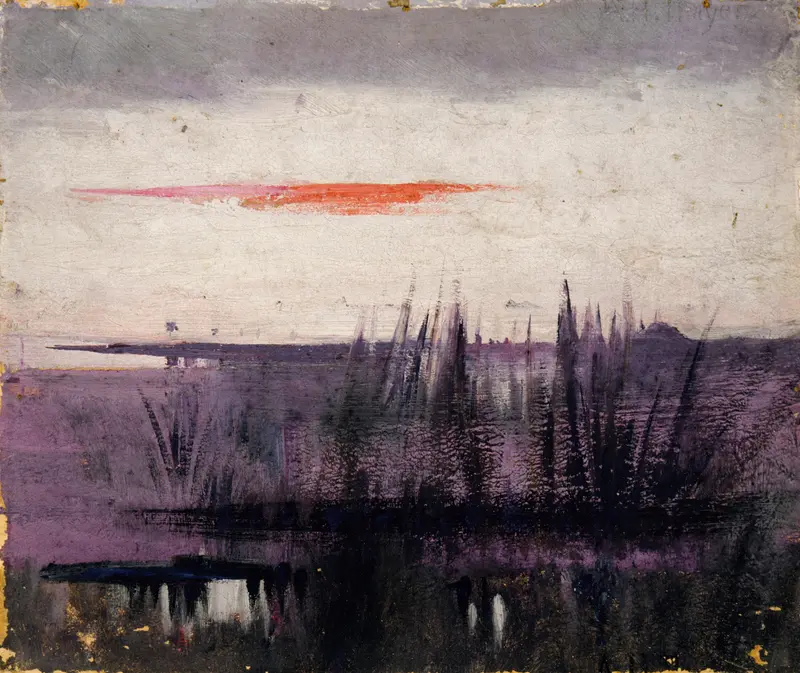
The Sky Simulated By White Flamingoes Study For Book, Concealing Coloration In The Animal Kingdom
Abbott Handerson Thayer
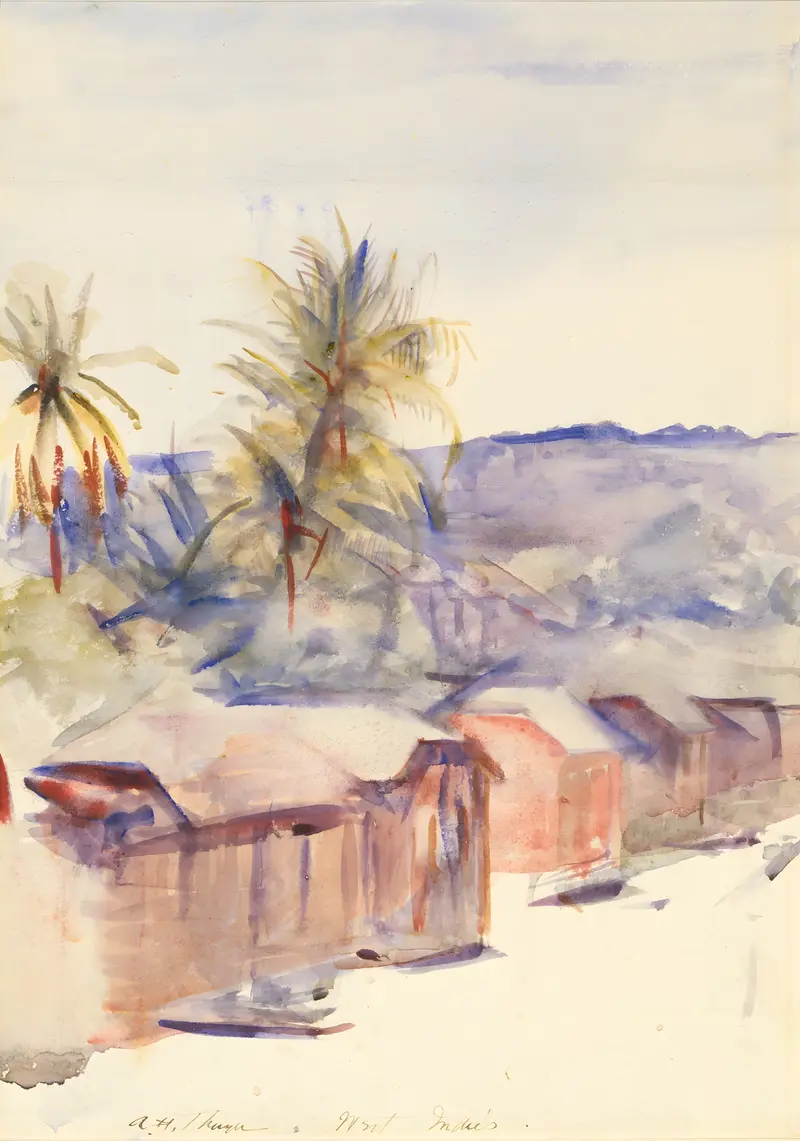
Village Street, Dominica
Abbott Handerson Thayer