
Fronleichnam — History & Facts
In the quiet embrace of this piece, we are invited to explore the delicate interplay of spirituality and earthly existence, revealing a realm where the transcendental meets the tangible. As you approach the canvas, your gaze first lands on the vibrant wash of colors that dance across the surface. Look closely at the interplay of deep greens and golden hues, creating a luminous backdrop that suggests an ethereal glow. Notice how the artist layers these colors, allowing the light to radiate from the center, illuminating the figures that emerge from the canvas with a sense of reverence and devotion.
The composition leads the eye toward the central tableau, where the figures are enshrined in an almost sacred stillness, inviting contemplation. Delving deeper, the work evokes an intricate dialogue between the divine and the mundane. The juxtaposition of human figures, adorned in rich garments, against a softly painted background suggests a transcendence of the ordinary into the extraordinary. Each gesture, from the uplifted hands of the figures to the soft curves of their bodies, communicates an emotional longing for connection and enlightenment.
This tension between presence and absence reflects the artist's exploration of faith, inviting viewers to ponder their place within this sacred narrative. During the time this work was created, Balthasar Wigand was influenced by the broader artistic movements that sought to bridge the gap between the material and spiritual worlds. The exact date remains uncertain, but this period was marked by a growing interest in devotional art, as artists aimed to express deeper truths through the lens of color, composition, and form. Wigand’s work emerges from this context, underscoring a collective desire for transcendence in an increasingly complex world.
More Artworks by Balthasar Wigand
Browse all →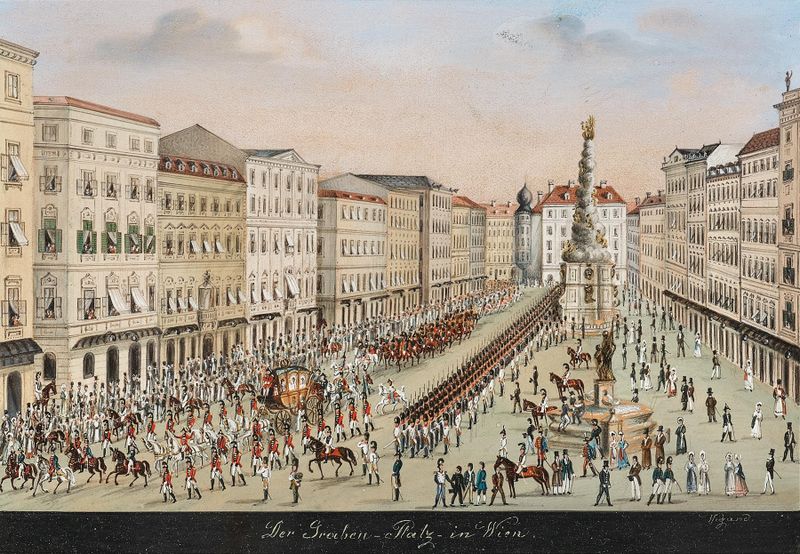
Graben in Vienna with Plague Column, an Imperial coach and a military event
Balthasar Wigand

Wiener Hofburg
Balthasar Wigand

Sewing case
Balthasar Wigand
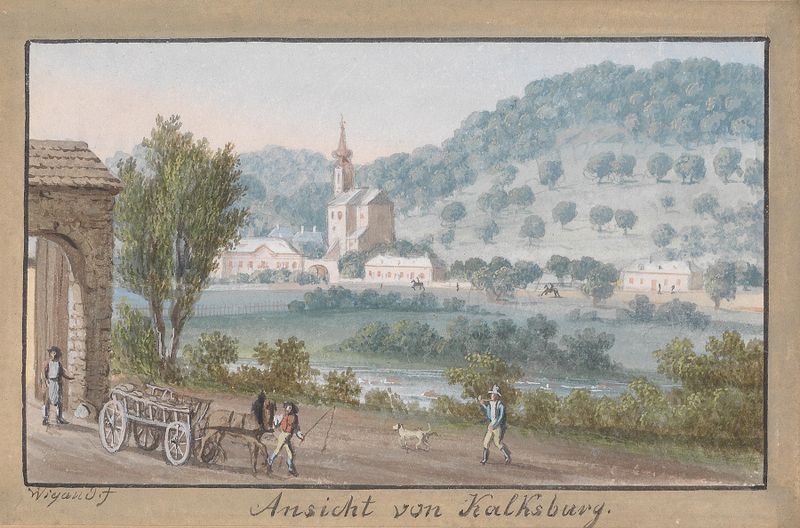
Ansicht von Kalksburg
Balthasar Wigand

Lerchenfelder Linie Große Kirchenparade
Balthasar Wigand
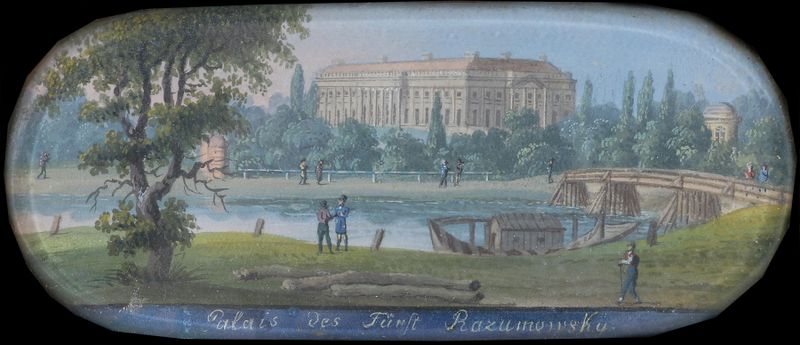
Palais des Fürst Razumowsky
Balthasar Wigand
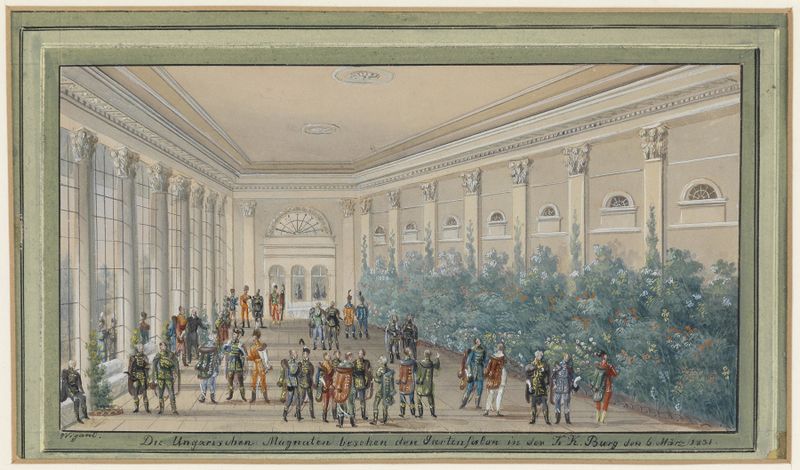
Die Ungarischen Magnaten besuchen den Gartensalon in der Burg
Balthasar Wigand
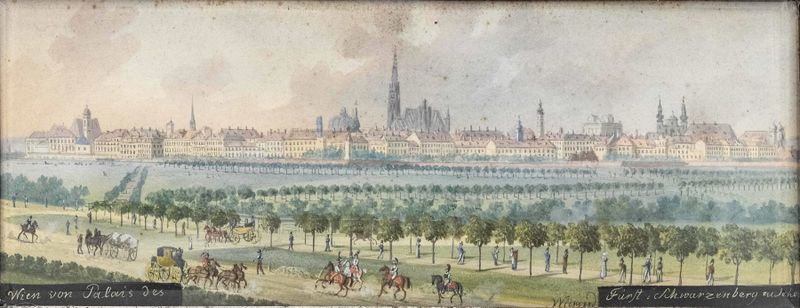
Wien vom Palais Schwarzenberg aus gesehen
Balthasar Wigand
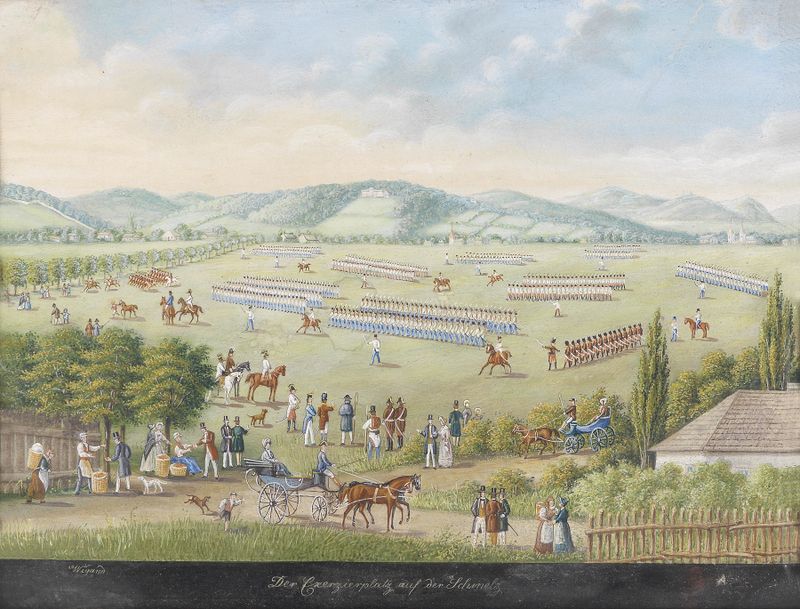
Exerzierplatz auf der Schmelz
Balthasar Wigand
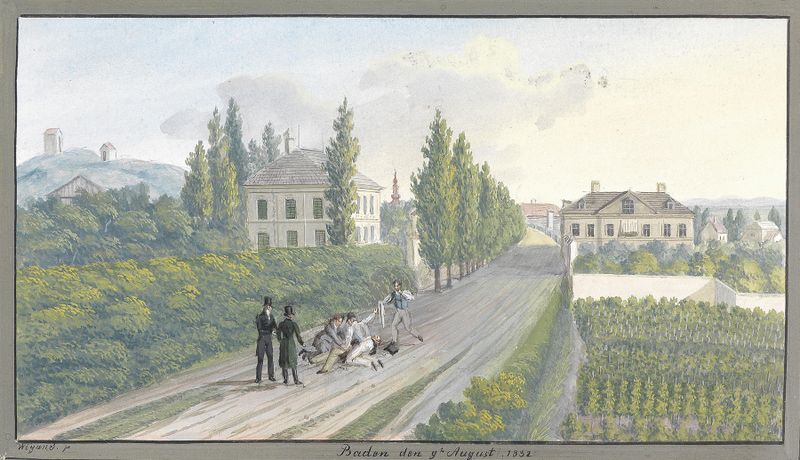
Duell Baden
Balthasar Wigand
More Religious Art
Browse all →
The Return of the Prodigal Son
Rembrandt van Rijn

The Garden of Earthly Delights
El Bosco

Count Orgaz’ funeral
El Greco

The Hundred Guilder Print: the central piece with Christ preaching, the plate arched
Rembrandt van Rijn

The Descent from the Cross
Rogier van der Weyden

The return of the prodigal son
Rembrandt van Rijn