
Graben in Vienna with Plague Column, an Imperial coach and a military event — History & Facts
In the shadowed depths of history, every stroke of paint holds the weight of human experience, whispering stories long forgotten yet forever etched in time. Look to the center of the canvas where an imposing plague column rises, its intricate carvings standing proud against a backdrop of bustling imperial life. Notice how the light dances upon the coaches, illuminating the ornate details, while casting long shadows that stretch toward the viewer. This interplay of light and dark not only reveals the artist’s technical prowess but also hints at a deeper narrative—one of triumph overshadowed by the specter of disease. As you examine the scene, subtle contrasts emerge: the grandeur of the imperial coach juxtaposed with the mournful reminder of the plague column.
The figures, both military and civilian, occupy the same space yet exist in different realms of consciousness—one exalted, the other haunted. The shadows that linger hint at the collective memory of suffering, suggesting that even in moments of celebration, the past’s grip remains unyielding. Balthasar Wigand painted this work during an era marked by the impact of disease and war across Europe, possibly in the late 17th or early 18th century. Living in Vienna, he was influenced by the city's rich backdrop of imperial power and the constant reminders of its vulnerabilities.
Artistic exploration flourished during this period, as artists sought to capture the complexities of human existence, merging celebration with a poignant acknowledgment of mortality.
More Artworks by Balthasar Wigand
Browse all →
Wiener Hofburg
Balthasar Wigand

Sewing case
Balthasar Wigand
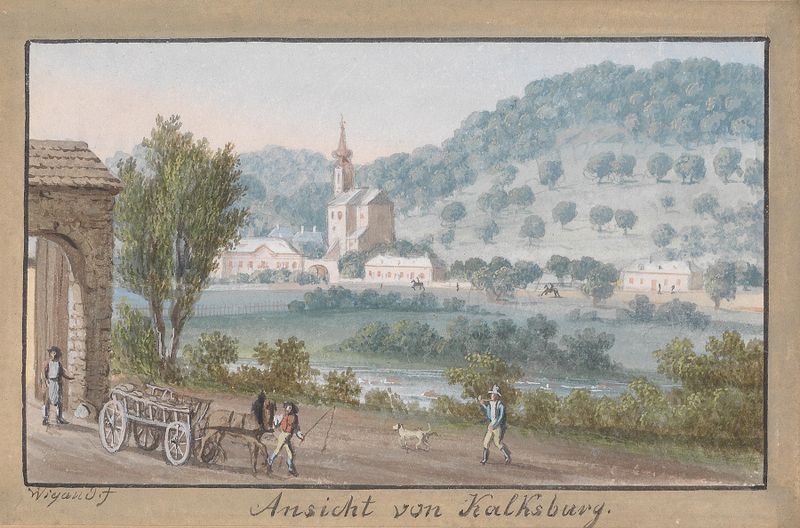
Ansicht von Kalksburg
Balthasar Wigand

Lerchenfelder Linie Große Kirchenparade
Balthasar Wigand
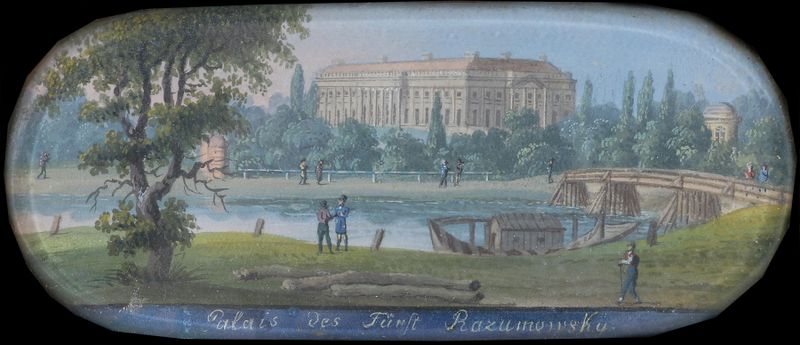
Palais des Fürst Razumowsky
Balthasar Wigand
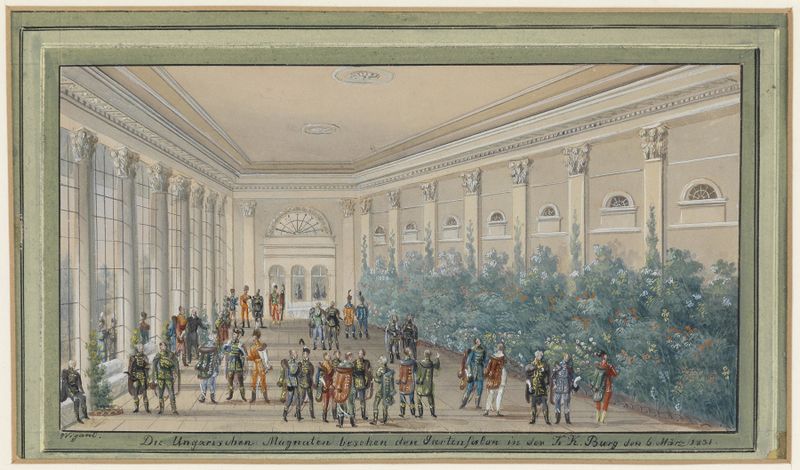
Die Ungarischen Magnaten besuchen den Gartensalon in der Burg
Balthasar Wigand
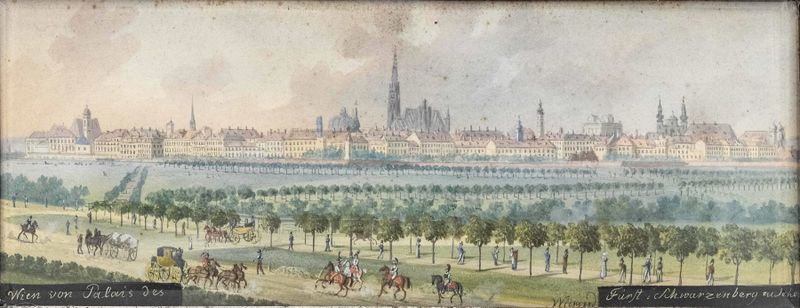
Wien vom Palais Schwarzenberg aus gesehen
Balthasar Wigand
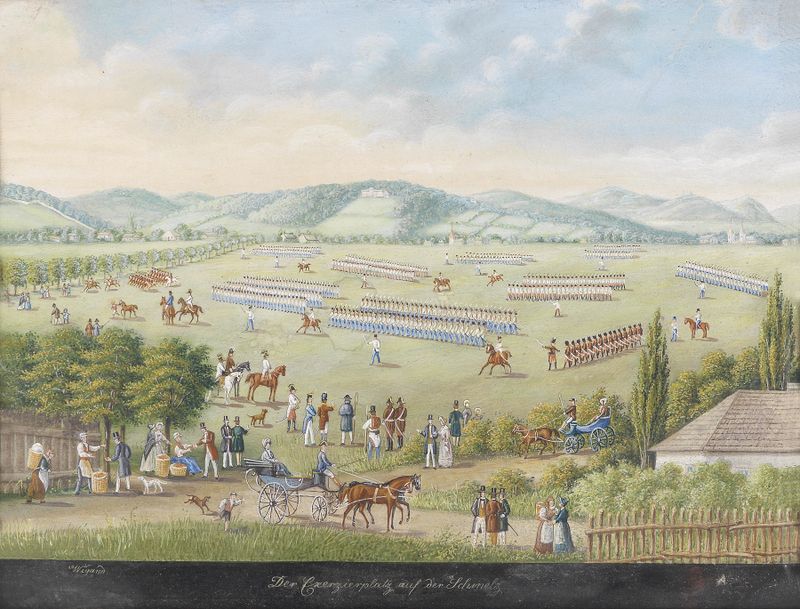
Exerzierplatz auf der Schmelz
Balthasar Wigand
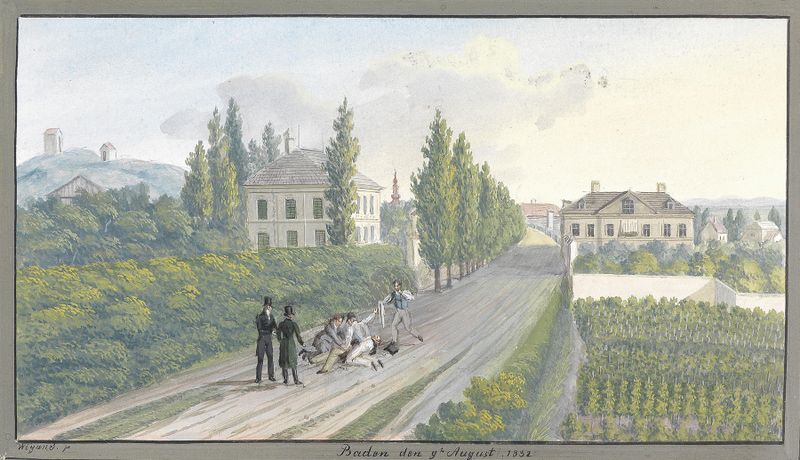
Duell Baden
Balthasar Wigand
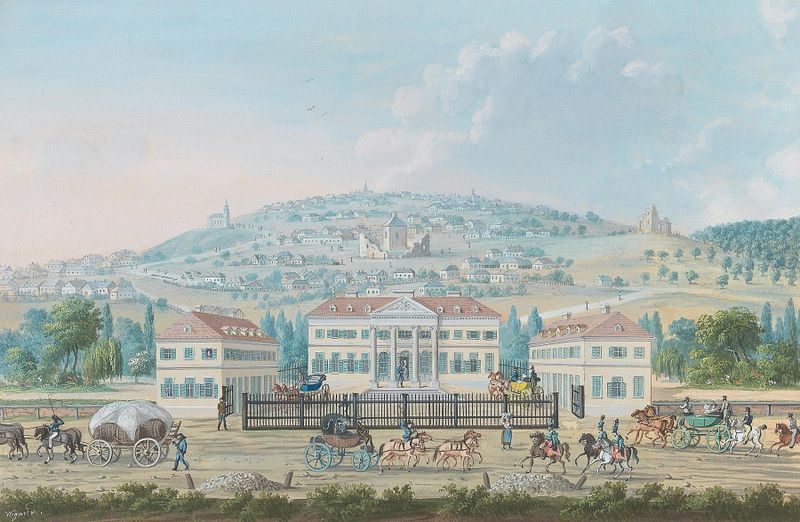
Schloss Zichy
Balthasar Wigand
More Historical Art
Browse all →
The Night Watch Militia Company of District II under the Command of Captain Frans Banninck Cocq
Rembrandt van Rijn

Lincoln Memorial
Henry Bacon

The Third of May 1808
Francisco de Goya

Isaac and Rebecca, Known as ‘The Jewish Bride’
Rembrandt van Rijn

The Charge of the Mamelukes (1814)
Francisco de Goya

De vier ruiters van de apocalyps
Albrecht Dürer