
Lerchenfelder Linie Große Kirchenparade — History & Facts
What secret hides in the quiet of the canvas? It's within the stillness that grief often finds its voice, whispering through shadows and light. Look to the center of the work, where solemn figures gather, their muted attire echoing the somber occasion. The background is dominated by an expansive church facade, its austere architecture looming over the scene, while soft, diffused light bathes the characters in a melancholic glow. Notice how the diagonal lines of their postures create a tension, as if each figure is both drawn to and repelled by the sacred space. In the expressions and gestures of the mourners, we sense an emotional weight, a collective sorrow that transcends individuality.
The contrast between the vibrant yet subdued palette and the starkness of the architecture speaks to the interplay of hope and despair. Each brushstroke conveys a depth of feeling, reflecting the complexity of human grief — a moment frozen in time that compels us to ponder our own losses. Balthasar Wigand painted this work in 1838 while living in Vienna, a city grappling with social change and artistic innovation. This was a period marked by a growing interest in capturing the human experience, particularly in moments of communal reflection.
As the world around him evolved, Wigand's exploration of profound themes such as grief resonated deeply, revealing the artist's sensitivity to the world he inhabited.
More Artworks by Balthasar Wigand
Browse all →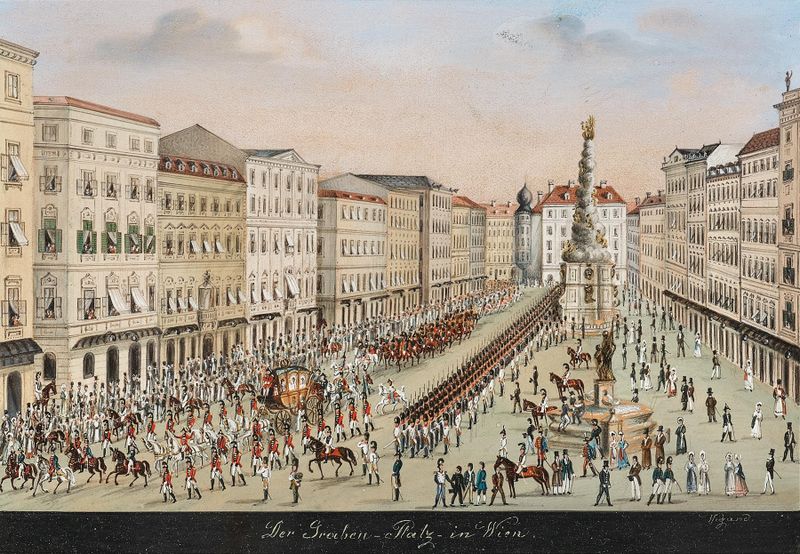
Graben in Vienna with Plague Column, an Imperial coach and a military event
Balthasar Wigand

Wiener Hofburg
Balthasar Wigand

Sewing case
Balthasar Wigand
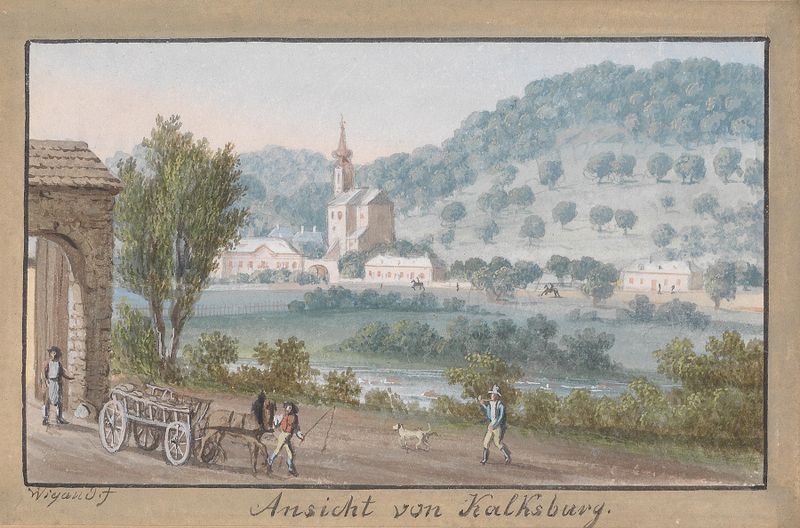
Ansicht von Kalksburg
Balthasar Wigand
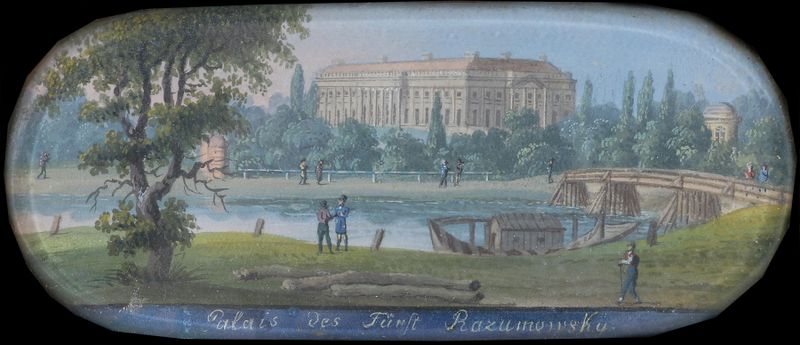
Palais des Fürst Razumowsky
Balthasar Wigand
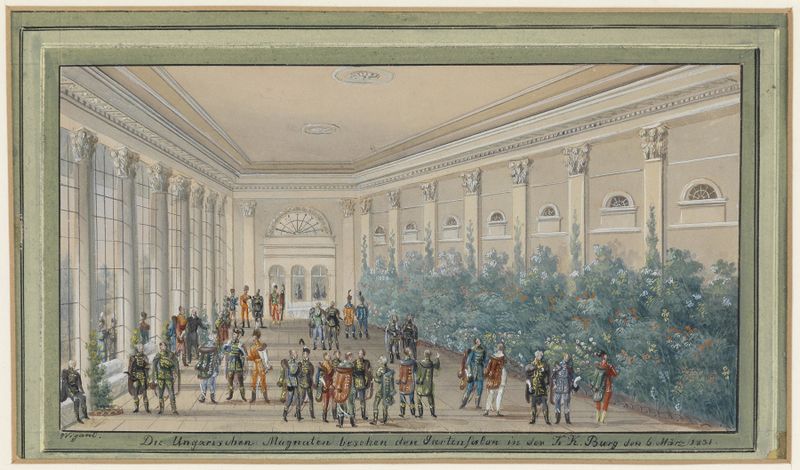
Die Ungarischen Magnaten besuchen den Gartensalon in der Burg
Balthasar Wigand
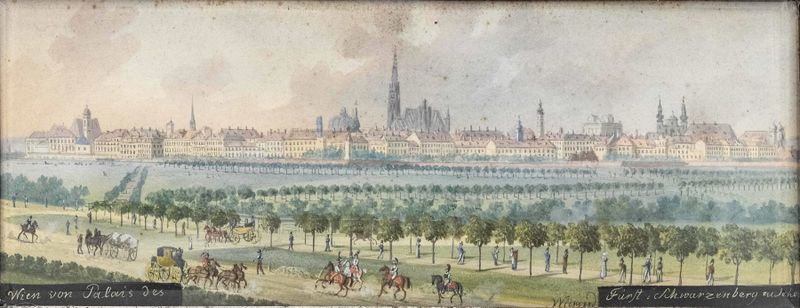
Wien vom Palais Schwarzenberg aus gesehen
Balthasar Wigand
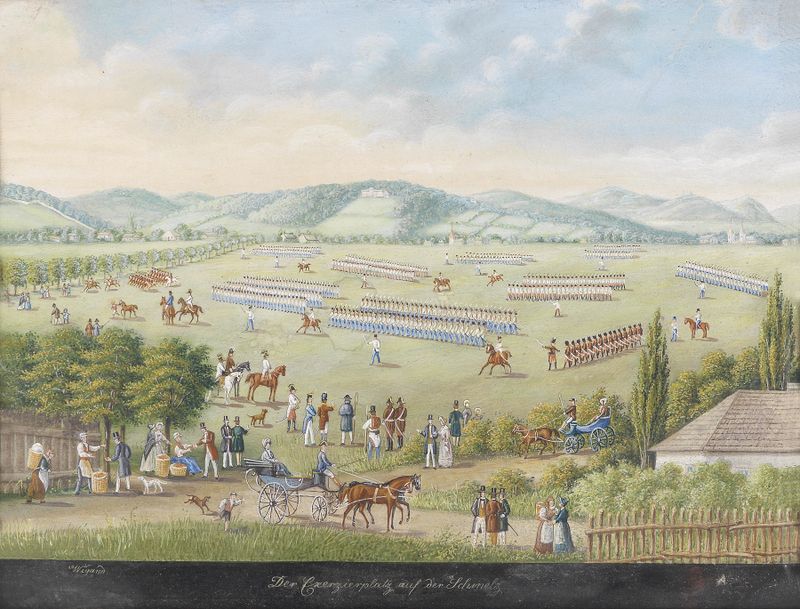
Exerzierplatz auf der Schmelz
Balthasar Wigand
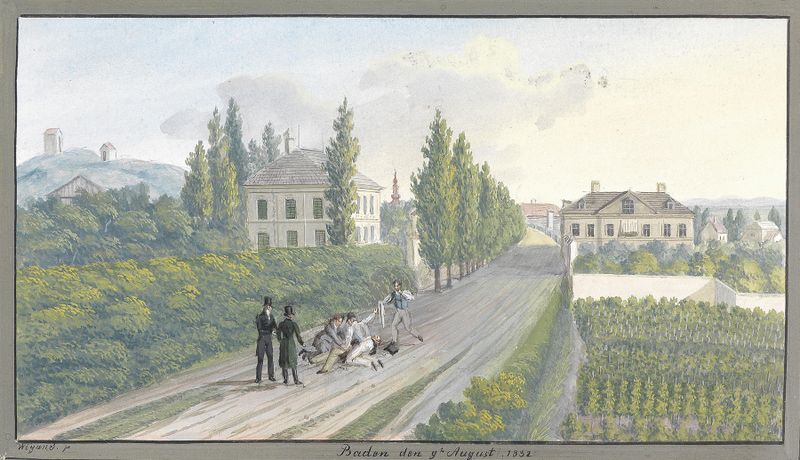
Duell Baden
Balthasar Wigand
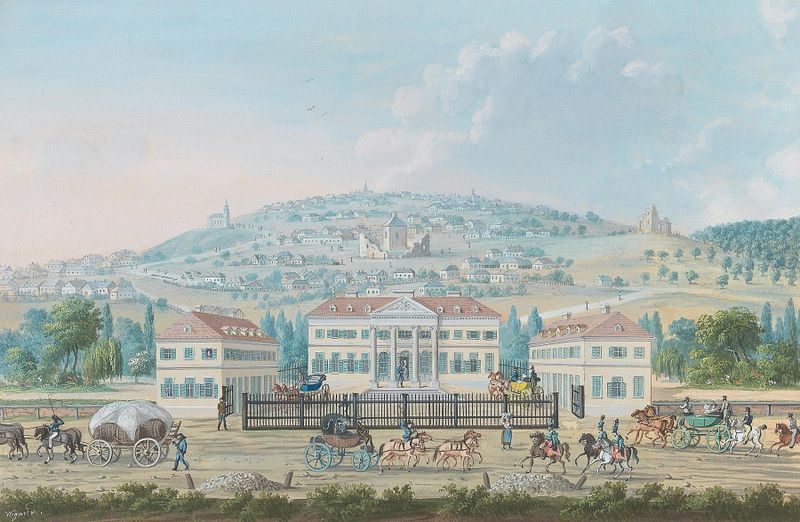
Schloss Zichy
Balthasar Wigand
More Religious Art
Browse all →
The Return of the Prodigal Son
Rembrandt van Rijn

The Garden of Earthly Delights
El Bosco

Count Orgaz’ funeral
El Greco

The Hundred Guilder Print: the central piece with Christ preaching, the plate arched
Rembrandt van Rijn

The Descent from the Cross
Rogier van der Weyden

The return of the prodigal son
Rembrandt van Rijn