
Die Ungarischen Magnaten besuchen den Gartensalon in der Burg — History & Facts
In Die Ungarischen Magnaten besuchen den Gartensalon in der Burg, a gathering unfolds, steeped in elegance and unspoken longing. The figures, dressed in finery, are not just visitors but embodiments of a historical reverie, each gesture and glance a testament to their place in a world that is both opulent and fleeting. Look to the center of the canvas, where the lush greens of the garden backdrop cradle the figures in a delicate embrace. The sunlight cascades through the branches, casting dappled shadows that dance across their attire, enhancing the sumptuous reds, deep blues, and muted earth tones that Wigand masterfully employs.
The meticulous detailing in the embroidery and the graceful postures draw the eye, inviting contemplation of the lives these magnates lead. As you examine the composition, consider the tension between the vibrant exterior and the somber expressions of the guests. The contrast between the vibrant life of the garden and the stillness of the figures suggests an underlying yearning—to connect, to remember, and to escape the passage of time. The soft interplay of light and shade accentuates the bittersweet emotions of nostalgia, while the gathering hints at a social order that is both celebrated and constrained. In 1831, while residing in Hungary, Balthasar Wigand created this piece during a fertile period in his career, amidst a growing interest in Romanticism and the idealization of past grandeur.
Art was shifting, reflecting societal changes, and this painting captures not only the spirit of the time but also the artist's own reflections on history, status, and the ephemeral nature of beauty.
More Artworks by Balthasar Wigand
Browse all →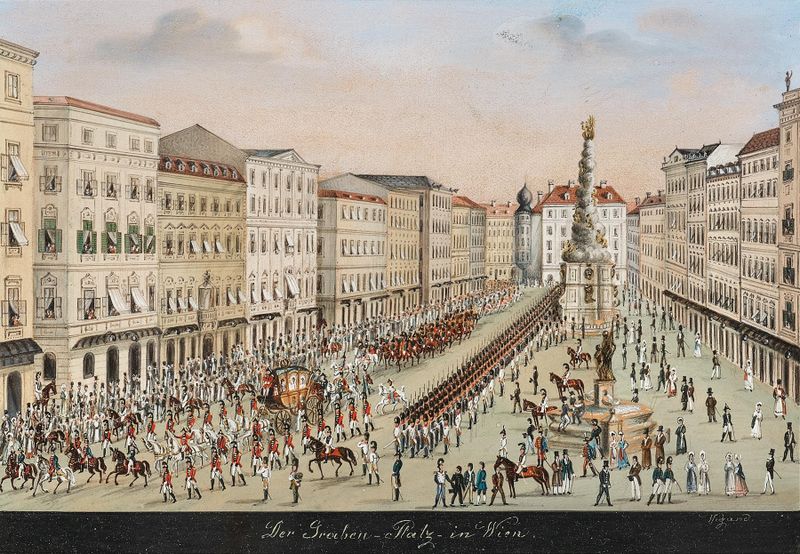
Graben in Vienna with Plague Column, an Imperial coach and a military event
Balthasar Wigand

Wiener Hofburg
Balthasar Wigand

Sewing case
Balthasar Wigand
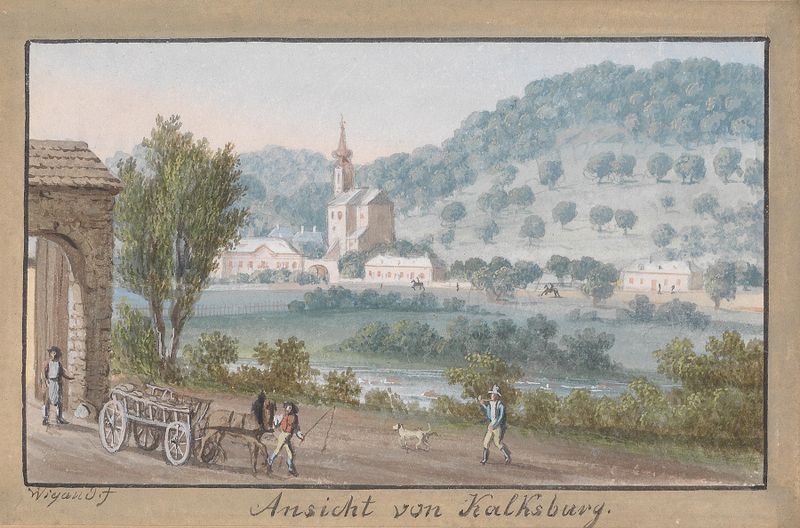
Ansicht von Kalksburg
Balthasar Wigand

Lerchenfelder Linie Große Kirchenparade
Balthasar Wigand
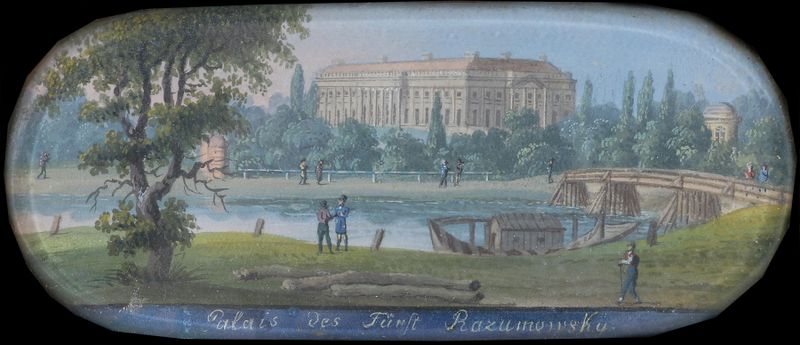
Palais des Fürst Razumowsky
Balthasar Wigand
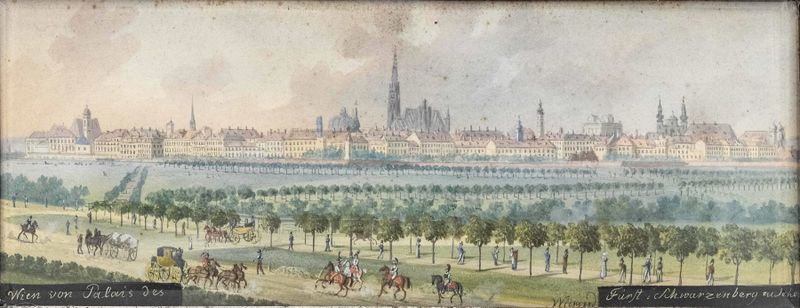
Wien vom Palais Schwarzenberg aus gesehen
Balthasar Wigand
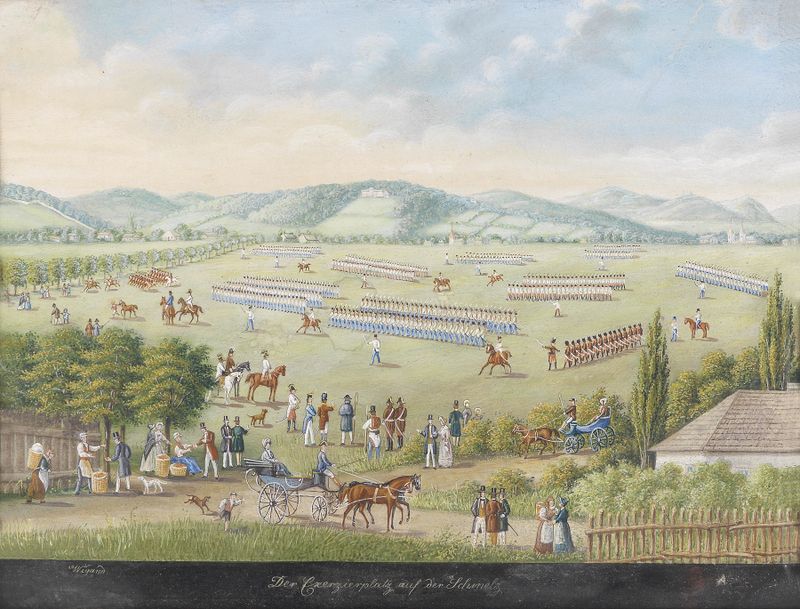
Exerzierplatz auf der Schmelz
Balthasar Wigand
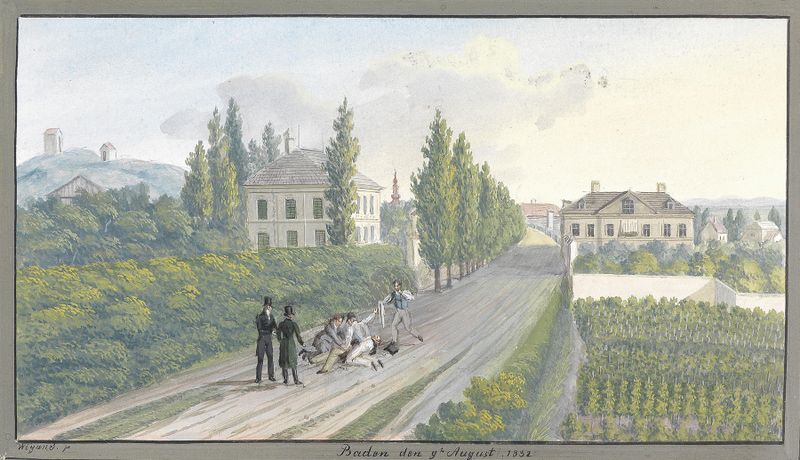
Duell Baden
Balthasar Wigand
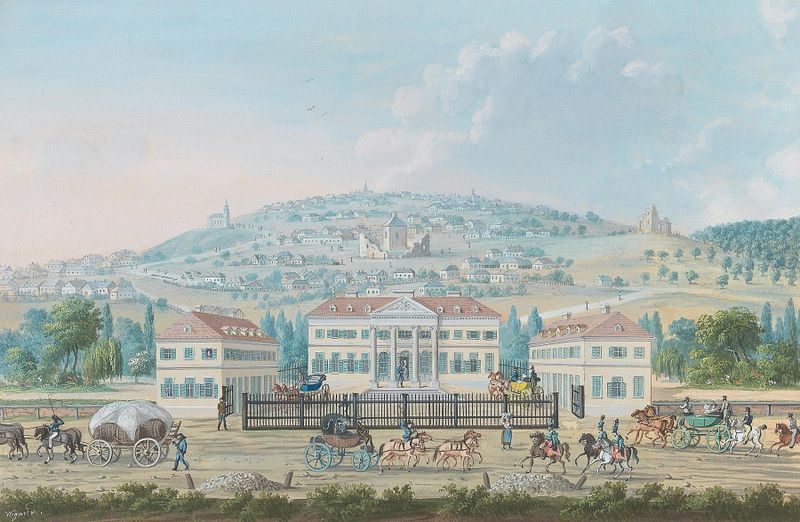
Schloss Zichy
Balthasar Wigand
More Historical Art
Browse all →
The Night Watch Militia Company of District II under the Command of Captain Frans Banninck Cocq
Rembrandt van Rijn

Lincoln Memorial
Henry Bacon

The Third of May 1808
Francisco de Goya

Isaac and Rebecca, Known as ‘The Jewish Bride’
Rembrandt van Rijn

The Charge of the Mamelukes (1814)
Francisco de Goya

De vier ruiters van de apocalyps
Albrecht Dürer