Sewing case — History & Facts
Could a single brushstroke hold eternity? In Balthasar Wigand’s Sewing Case, desire emerges through delicate craftsmanship, embodying both utility and artistry in a singular moment of creation. Focus on the intricate patterns that dance across the sewing case’s surface; they draw the eye with an alluring complexity. The rich textile colors, deep blues and vibrant reds, contrast sharply against the soft, muted background, enhancing the case’s elegance. Notice the meticulously detailed embellishments that seem to whisper stories of their own — each stitch a testament to the patience and dedication of the maker.
The gleam of light reflecting off the polished wood catches your breath, inviting admiration for an object often overlooked in its daily use. Yet, as simple as it may appear, the artwork reveals deeper layers of emotional entanglement. The sewing case serves not just as a tool, but as a repository of longing, an object that encapsulates the desire for connectivity, creativity, and domesticity. The juxtaposition of its functional purpose against the artistry of its design speaks to a yearning for beauty in everyday life, emphasizing the delicate balance between necessity and ornamentation. Wigand painted Sewing Case around 1826 during a period of remarkable transition in the art world, where craftsmanship was elevated to new heights amidst the rise of industrialization.
Living in Germany, he was part of a movement that sought to reconnect art with the handmade, a reaction against the encroaching mechanization of the age. His work reflects not only personal artistry but also the broader cultural desire for authenticity in a rapidly changing society.
More Artworks by Balthasar Wigand
Browse all →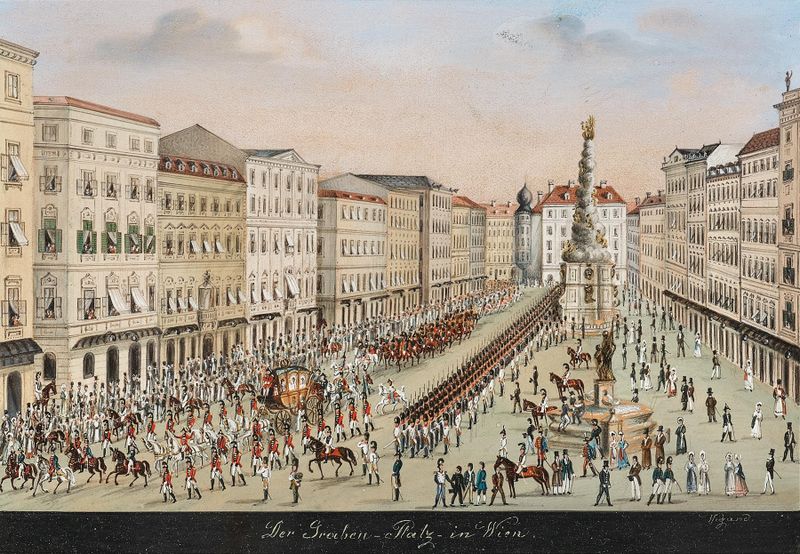
Graben in Vienna with Plague Column, an Imperial coach and a military event
Balthasar Wigand

Wiener Hofburg
Balthasar Wigand
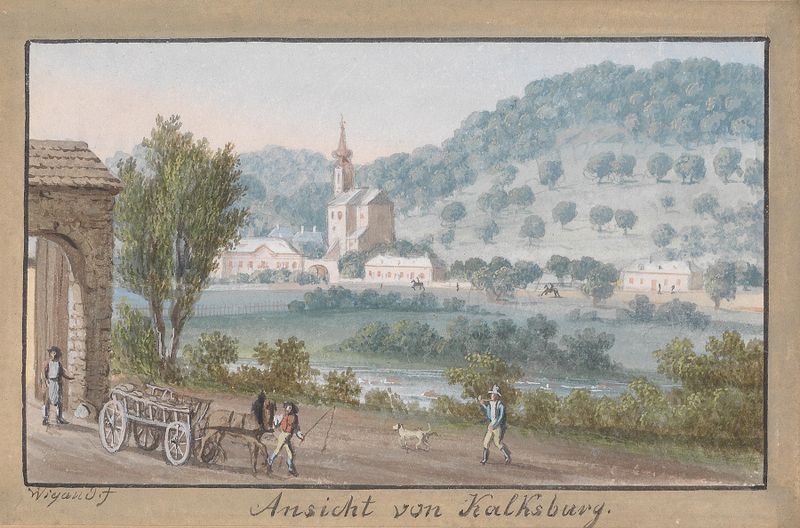
Ansicht von Kalksburg
Balthasar Wigand

Lerchenfelder Linie Große Kirchenparade
Balthasar Wigand
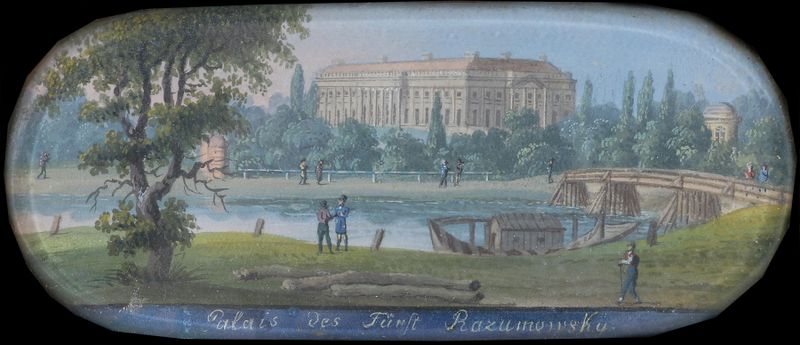
Palais des Fürst Razumowsky
Balthasar Wigand
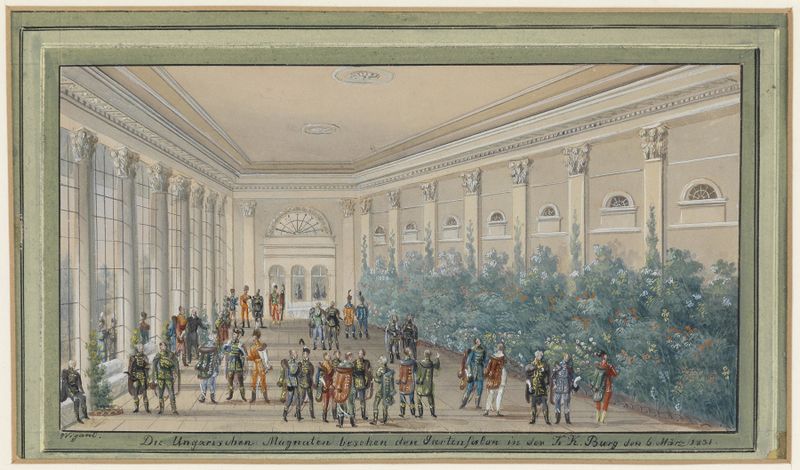
Die Ungarischen Magnaten besuchen den Gartensalon in der Burg
Balthasar Wigand
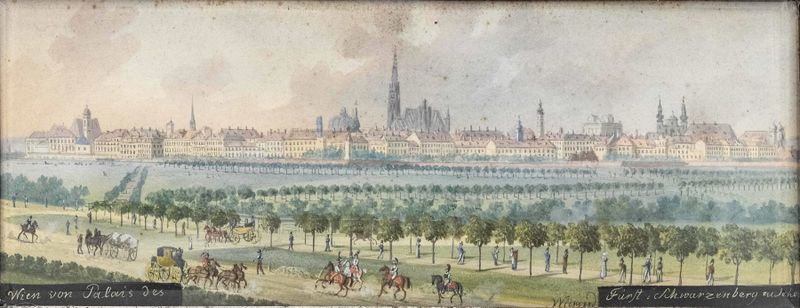
Wien vom Palais Schwarzenberg aus gesehen
Balthasar Wigand
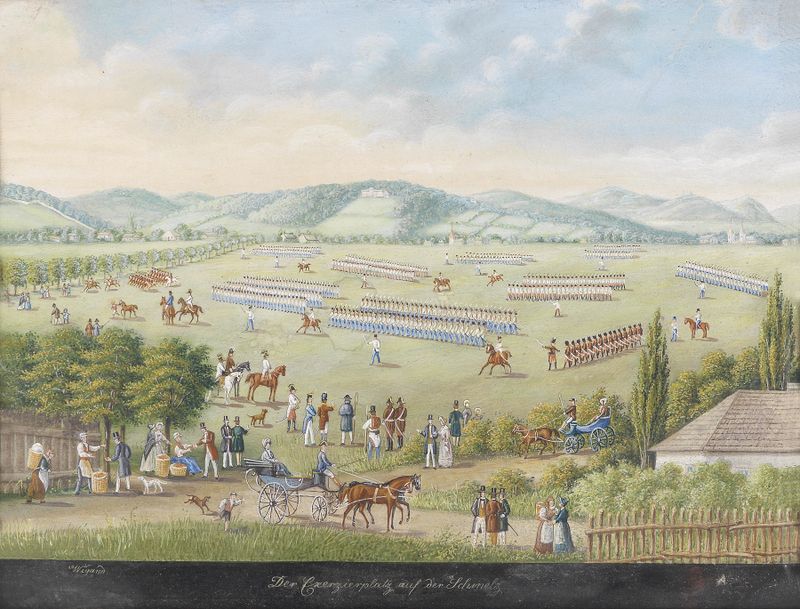
Exerzierplatz auf der Schmelz
Balthasar Wigand
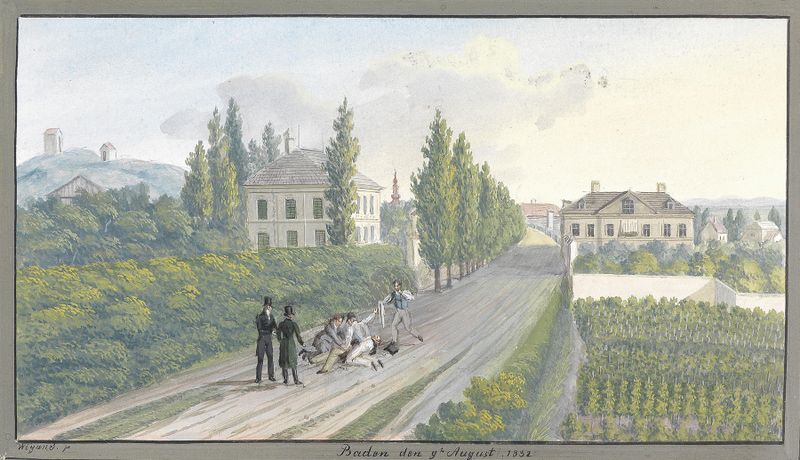
Duell Baden
Balthasar Wigand
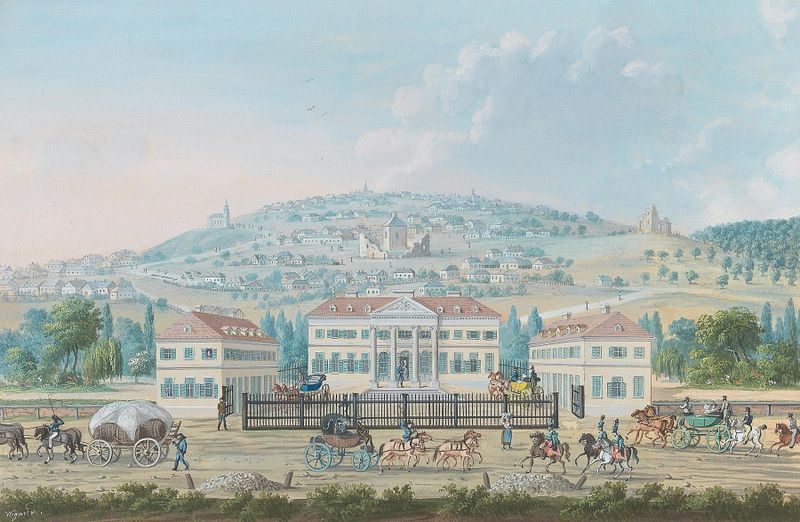
Schloss Zichy
Balthasar Wigand