
Wiener Hofburg — History & Facts
Did the painter know this moment would outlive them? In Wiener Hofburg, Balthasar Wigand captures a vibrant tableau that transcends time, inviting us to consider the resonance of color and form in the continuum of history. Focus on the deep red hues of the arches at the entrance, where light dances over the intricate details of the stonework. The artist's meticulous brushstrokes breathe life into the structural grandeur, drawing your attention to the interplay of shadow and illumination. Notice how the golden accents glimmer against the darker tones, establishing a dialogue between opulence and strength within the architecture.
Each panel and relief seems to tell a story, with color serving as the silent narrator. Yet, beneath the surface beauty lies a complex interplay of emotions. The building stands not only as a monument of power but also as a witness to the passage of time, embodying both the weight of history and the fleeting nature of existence. The juxtaposition of solid stone against the ephemeral quality of light evokes a sense of nostalgia, challenging the viewer to reflect on their own place in time.
The vibrancy of color contrasts with the solemnity of the structure, suggesting a tension between the past and the present. In 1835, Balthasar Wigand was immersed in the artistic developments of the Romantic period while painting in Vienna. This era saw a flourishing of the arts, and the Hofburg Palace symbolized both imperial authority and cultural heritage. As Europe grappled with change and modernization, the artist's work became a mirror reflecting the complexities of his time, capturing not just an architectural marvel, but also the essence of a society in transition.
More Artworks by Balthasar Wigand
Browse all →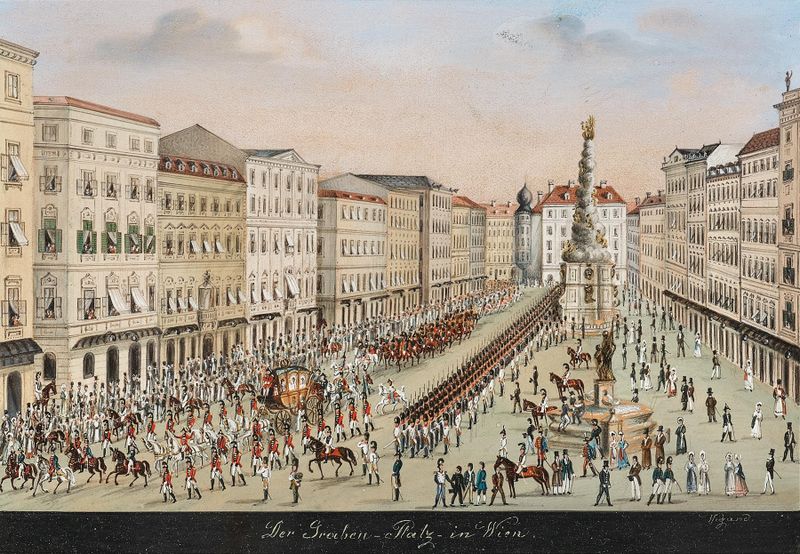
Graben in Vienna with Plague Column, an Imperial coach and a military event
Balthasar Wigand

Sewing case
Balthasar Wigand
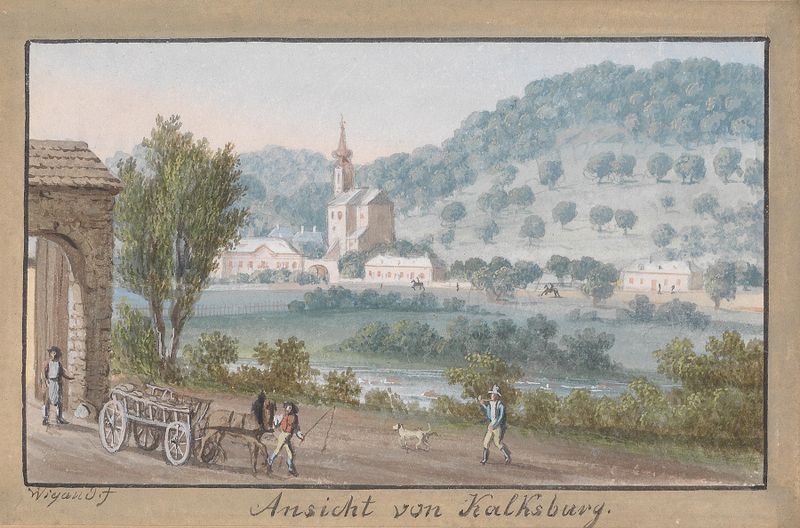
Ansicht von Kalksburg
Balthasar Wigand

Lerchenfelder Linie Große Kirchenparade
Balthasar Wigand
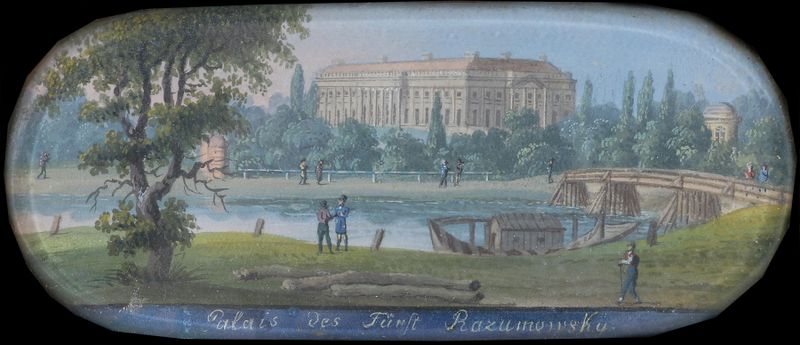
Palais des Fürst Razumowsky
Balthasar Wigand
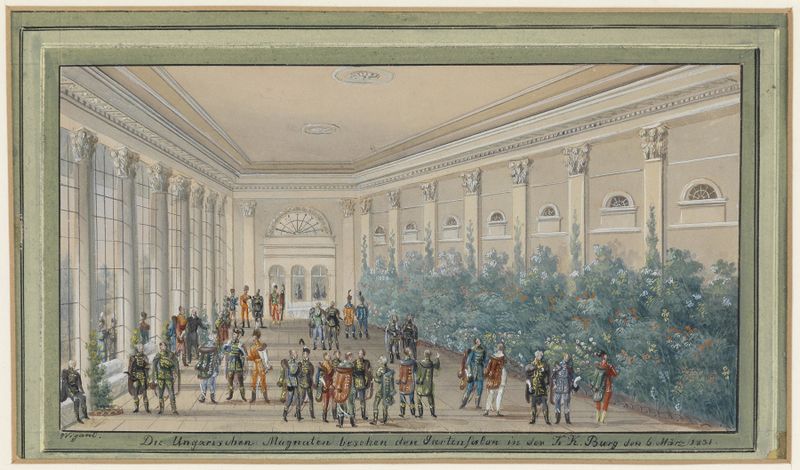
Die Ungarischen Magnaten besuchen den Gartensalon in der Burg
Balthasar Wigand
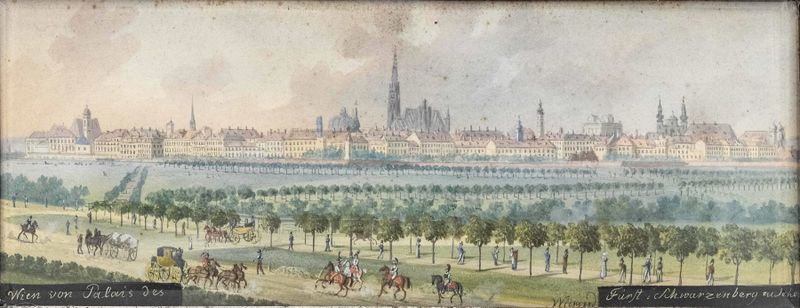
Wien vom Palais Schwarzenberg aus gesehen
Balthasar Wigand
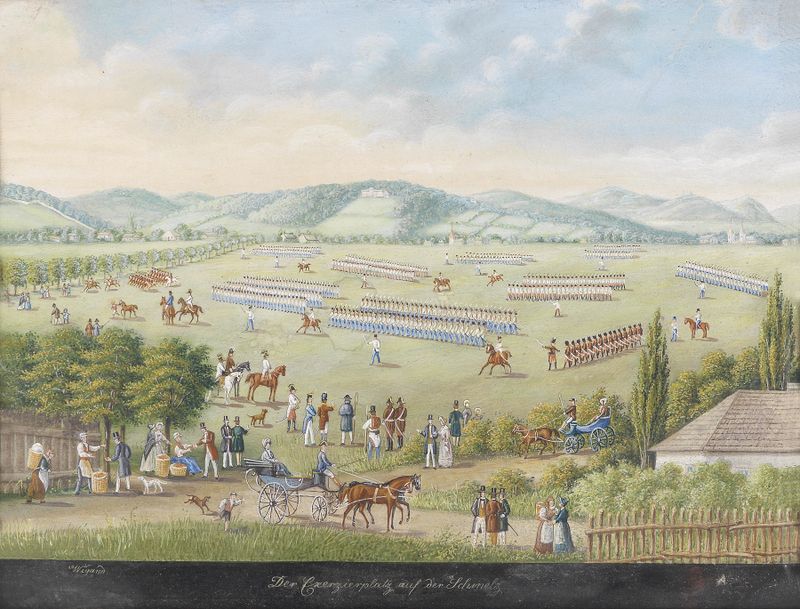
Exerzierplatz auf der Schmelz
Balthasar Wigand
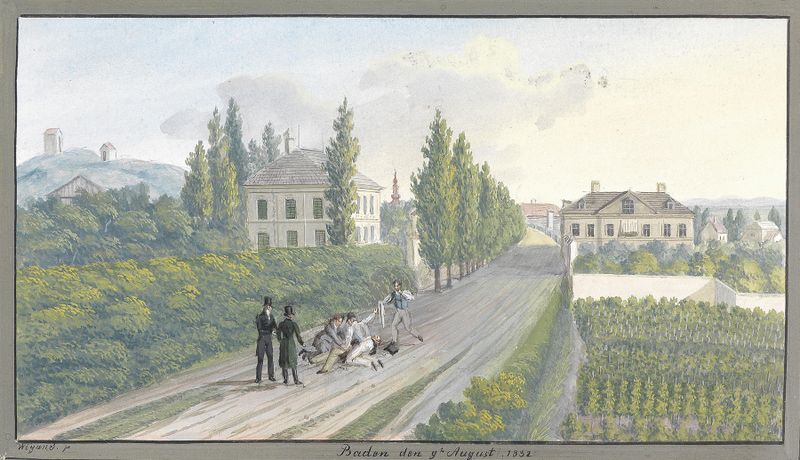
Duell Baden
Balthasar Wigand
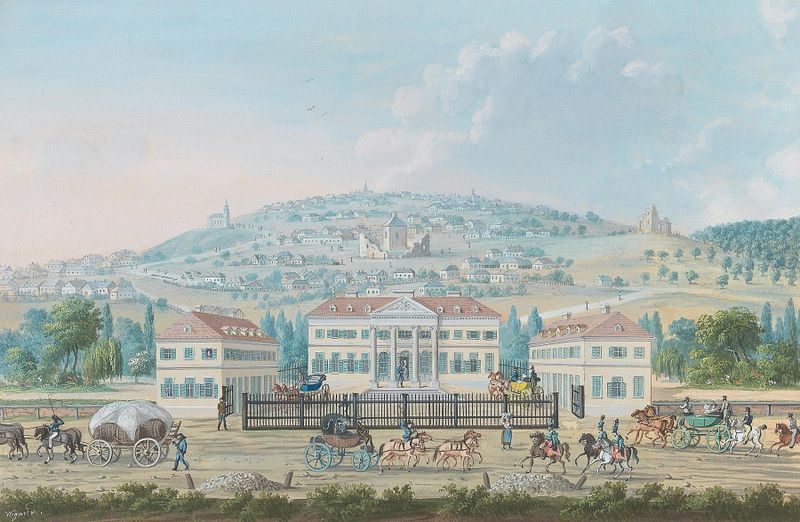
Schloss Zichy
Balthasar Wigand
More Architecture Art
Browse all →
The statue of Liberty
Frédéric Auguste Bartholdi

View of Houses in Delft, Known as ‘The Little Street’
Johannes Vermeer

View of Houses in Delft, Known as ‘The Little Street’
Johannes Vermeer

The Cathedral in Rouen. The portal, Grey Weather
Claude Monet

The yellow house
Vincent van Gogh

The Church in Auvers-sur-Oise, View from the Chevet
Vincent van Gogh