
Palais des Fürst Razumowsky — History & Facts
When did color learn to lie? In a world where hues can deceive, Palais des Fürst Razumowsky challenges our perception and invites a deeper revelation. Look closely to the left at the intricate architectural details of the grand palace, where warm golden tones intermingle with cooler blues. The interplay of light and shadow creates a rhythm across the façade, drawing your eye to the delicate interplay of structure and nature surrounding it. Notice how the artist has employed rich, saturated colors that vibrate against one another, enhancing the illusion of depth and inviting contemplation of the space beyond the canvas. Beneath the surface, this painting reveals unexpected contrasts.
The opulence of the palace stands in stark juxtaposition to the serene, almost ghostly figures that populate the scene, suggesting a tension between grandeur and isolation. Each figure is enveloped in layers of muted tones, hinting at stories obscured by time. This dichotomy serves as a reminder of the fleeting nature of beauty and power, inviting viewers to question the reality hidden beneath the vibrant facade. Wigand painted Palais des Fürst Razumowsky during a time when the art world was shifting towards romanticism, likely in the late 18th to early 19th century.
This period was marked by a fascination with emotion and the sublime, as well as the social and political upheavals that shaped Europe. As he navigated this evolving landscape, Wigand sought to capture the essence of aristocratic life, while simultaneously hinting at its impermanence in the face of change.
More Artworks by Balthasar Wigand
Browse all →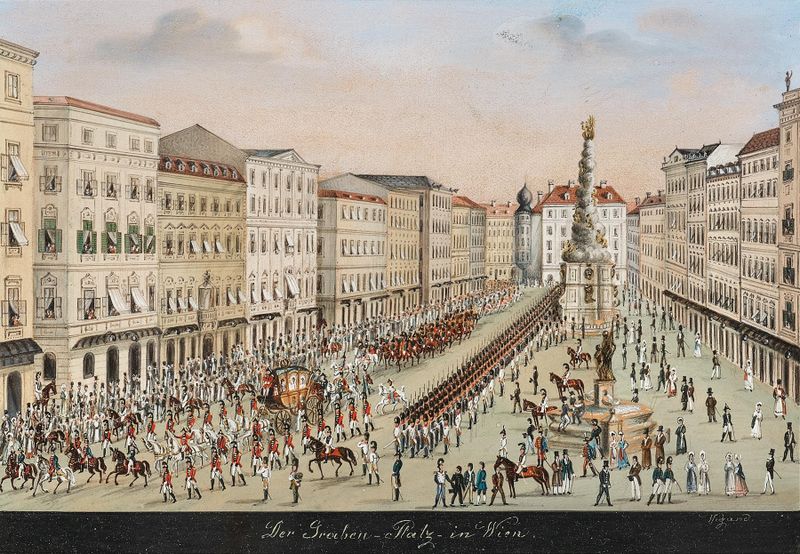
Graben in Vienna with Plague Column, an Imperial coach and a military event
Balthasar Wigand

Wiener Hofburg
Balthasar Wigand

Sewing case
Balthasar Wigand
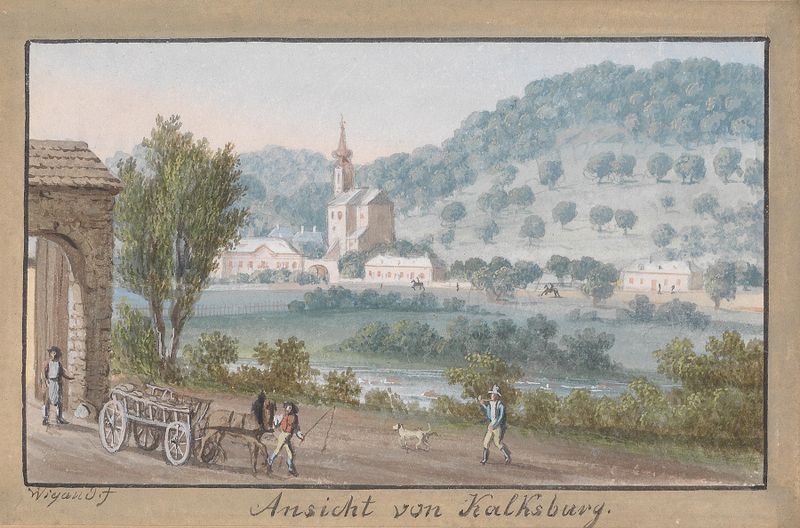
Ansicht von Kalksburg
Balthasar Wigand

Lerchenfelder Linie Große Kirchenparade
Balthasar Wigand
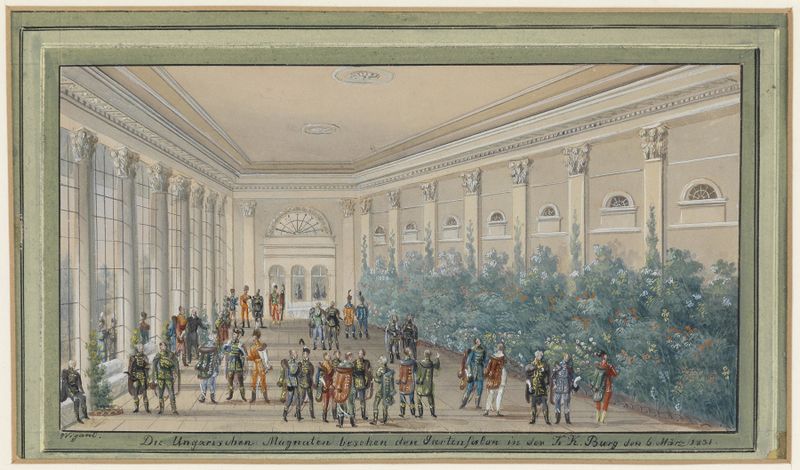
Die Ungarischen Magnaten besuchen den Gartensalon in der Burg
Balthasar Wigand
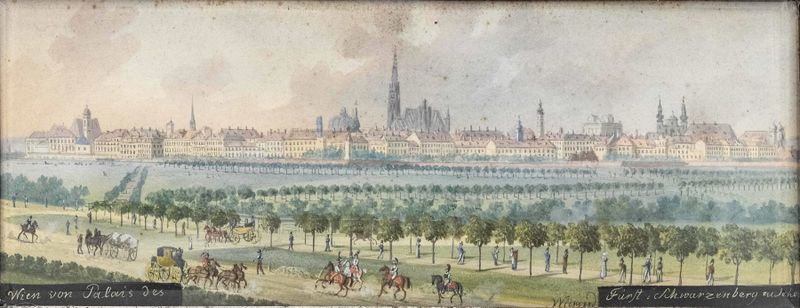
Wien vom Palais Schwarzenberg aus gesehen
Balthasar Wigand
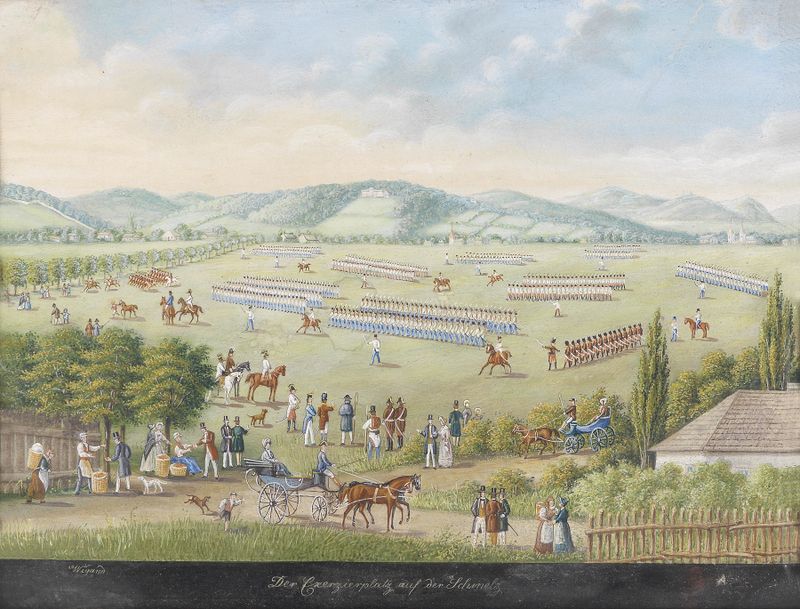
Exerzierplatz auf der Schmelz
Balthasar Wigand
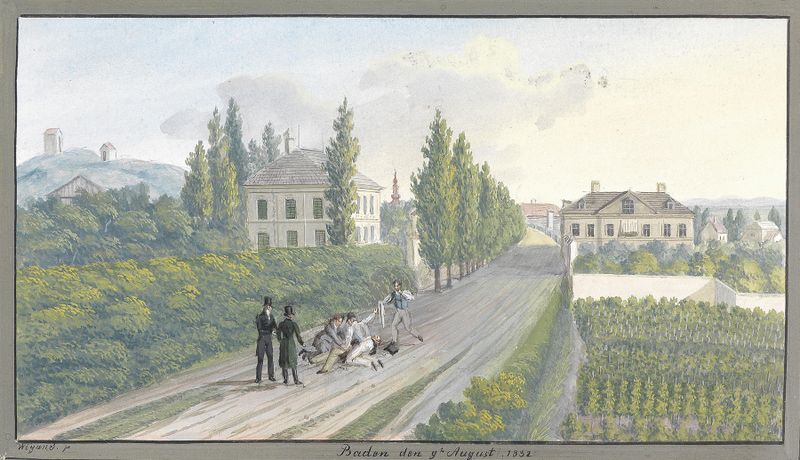
Duell Baden
Balthasar Wigand
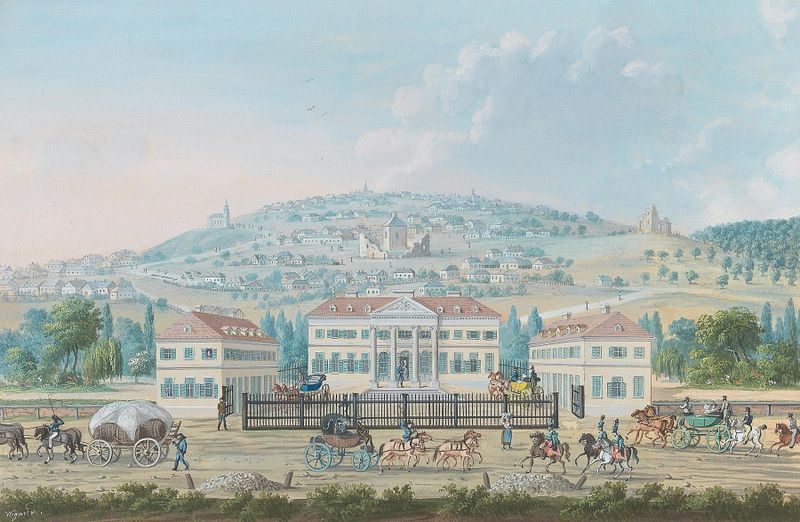
Schloss Zichy
Balthasar Wigand
More Architecture Art
Browse all →
The statue of Liberty
Frédéric Auguste Bartholdi

View of Houses in Delft, Known as ‘The Little Street’
Johannes Vermeer

View of Houses in Delft, Known as ‘The Little Street’
Johannes Vermeer

The Cathedral in Rouen. The portal, Grey Weather
Claude Monet

The yellow house
Vincent van Gogh

The Church in Auvers-sur-Oise, View from the Chevet
Vincent van Gogh