
Fête de Saint Marc, Venise — History & Facts
Who listens when art speaks of silence? In the hushed moments of decay, beauty finds its voice, whispering stories of a once-vibrant life. Focus on the intricate layers of Fête de Saint Marc, Venise, where vibrant colors intermingle with soft hues, inviting your gaze to traverse the canvas. Notice how the cerulean sky, kissed by the glowing sun, bathes the bustling square in warm light, while shadows discreetly cling to the crumbling architecture. The lively figures, animated in celebration, stand juxtaposed against the silent decay of the structures that frame them, creating an engaging dialogue between vitality and decline. Delve deeper, and you'll find the subtle contrasts that resonate within the scene.
The carnival's vivacity, embodied in the elaborate costumes, speaks to the ephemeral joy of festivity, while the dilapidated buildings silently lament their fading grandeur. Each brushstroke reveals a tension between exuberance and the inevitable passage of time, a reflection on how celebration coexists with the shadows of mortality. The viewer is left contemplating the fleeting nature of beauty, captured in a moment yet touched by the weight of history. Painted between 1870 and 1890, this work emerged during a period of significant transition in Europe, where artists explored the relationship between nature and human endeavor.
Ziem, who often depicted landscapes and cityscapes, was influenced by both the romanticism of the past and the emerging realism that sought to capture the nuances of everyday life. His portrayal of Venice, a city rich in culture yet facing decline, resonates with the themes of nostalgia and the relentless march of time.
More Artworks by Félix Ziem
Browse all →
Venise
Félix Ziem
Coucher De Soleil À Venise
Félix Ziem
Constantinople
Félix Ziem
La place Saint-Marc, inondation de 1863
Félix Ziem
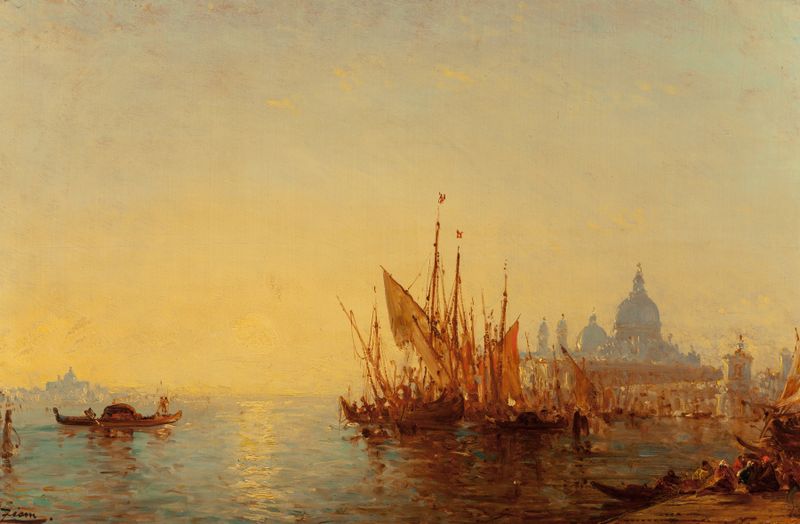
Bacino di San Marco
Félix Ziem
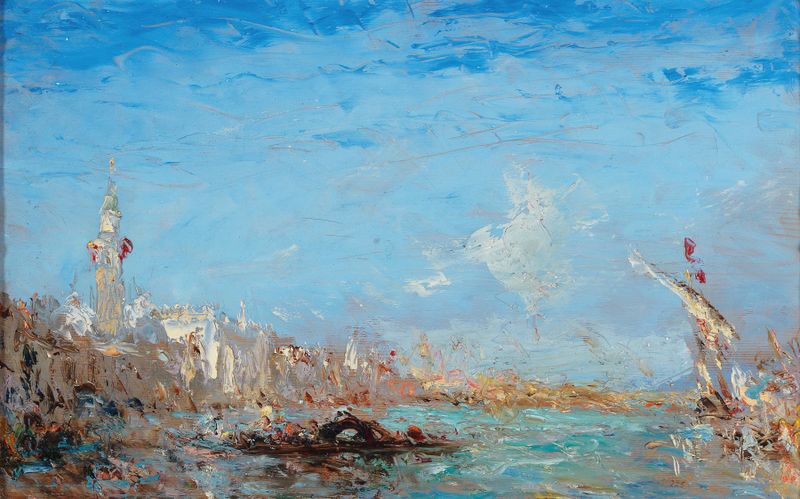
Canal Grande
Félix Ziem
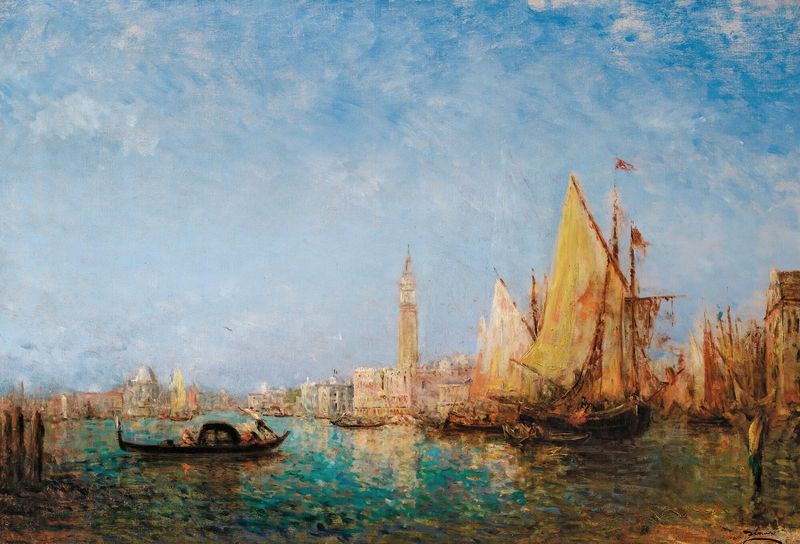
Le Palais Du Doge, Venise
Félix Ziem
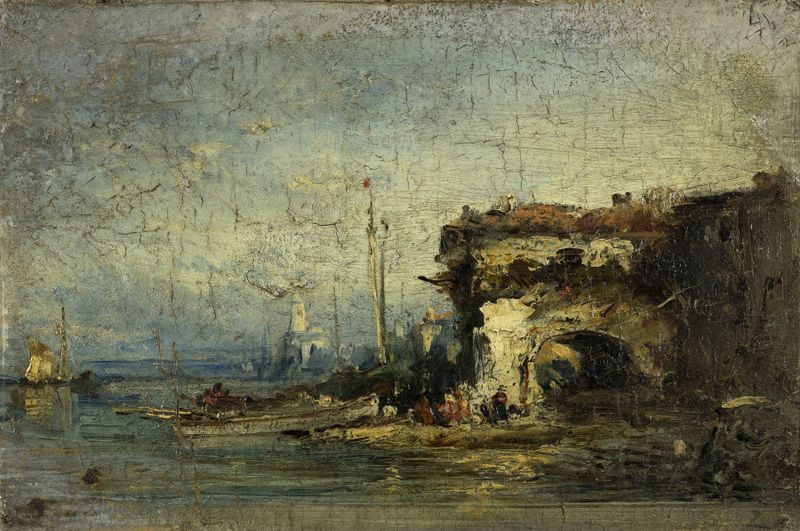
Vue d’Italie; la vieille porte
Félix Ziem
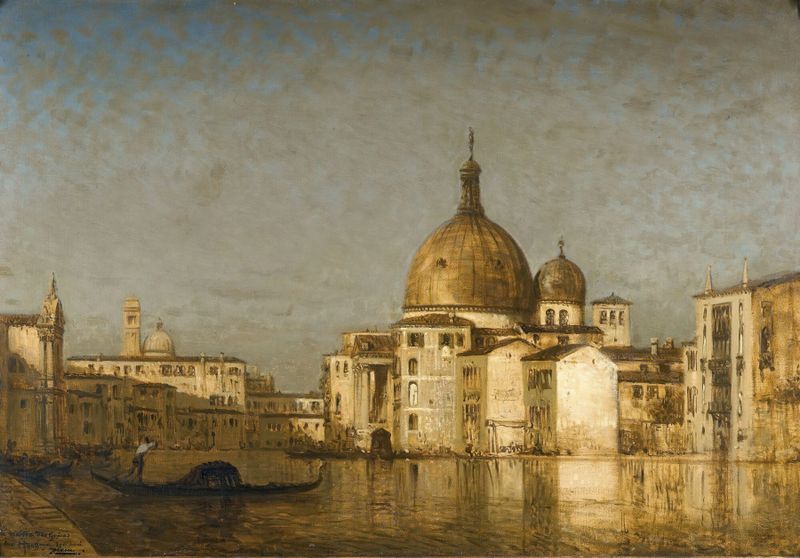
San Simeone Piccolo Au-Delà Du Grand Canal, Venis
Félix Ziem
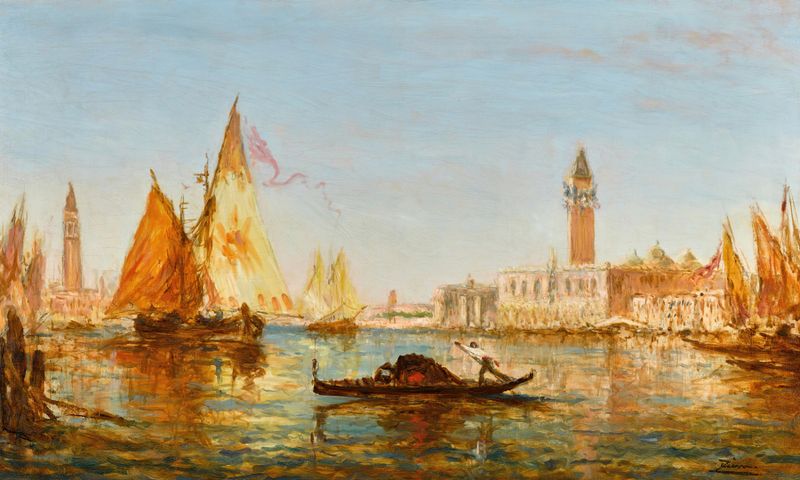
Venise, gondole et voiliers devant le Palais des doges et San Giorgio Maggiore
Félix Ziem





